
Looking for a reliable eye test chart that won't break the bank? These five tools offer everything from open-source flexibility to professional-grade accuracy, and they're all worth a closer look.
The Evolution of Eye Test Charts
Eye test charts have come a long way from the classic printed Snellen chart. Today, you can find digital solutions that run on anything from a smartphone to a smart TV, offering features like randomized letters, LogMAR precision, and even picture tests for kids. The shift to browser-based and app-based tools has made vision screening more accessible than ever, but it also means you need to choose carefully. Some tools are free and open-source, while others offer premium features for a one-time fee. The best choice depends on your practice setting, your patient demographic, and your budget.
How We Evaluated These Eye Test Charts
We looked at each tool's feature set, ease of use, pricing transparency, and suitability for different practice environments. We also considered how well each tool adapts to various devices, from desktop computers to tablets and phones. For each business, we highlighted what stood out—whether it's the open-source nature, the range of tests, or the visual acuity system's scientific validation. No single tool is perfect for everyone, so we focused on what makes each one unique.
Here's a quick snapshot of the five eye test charts we're featuring, so you can see at a glance what each one brings to the table.
| Provider | Best For |
|---|---|
| EyeCharts | Practices wanting a scientifically validated, cross-platform system with no monthly fees. |
| Open Optometry | Open Source Test Chart | Eye care professionals who want a free, customizable, and open-source solution. |
| OptoCharts - All eye tests | Optometrists who need a portable, app-based eye test solution for home visits or clinics. |
| Vision Source Free Eye Chart | Patients and practices looking for a simple, printable eye chart for home use. |
| Blue Fin Vision Snellen Test Chart | Quick, no-fuss online vision screening for patients or casual use. |
A Closer Look at Each Eye Test Chart
#1 EyeCharts
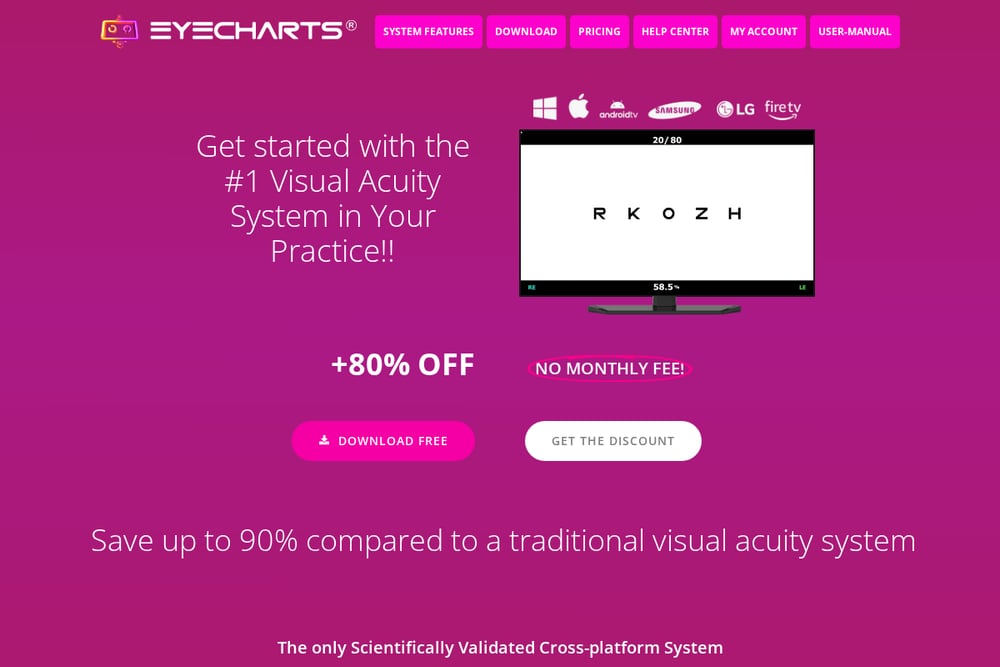 A screenshot of the EyeCharts website.
EyeCharts is a cross-platform visual acuity system that works on macOS, Windows, smart TVs, and Android devices. It's the only system that's been scientifically validated, which gives you confidence in its accuracy. You get a ton of features, including red-green tests, astigmatic dials, color vision plates, and even 3D surgery simulators for patient education. The pricing is straightforward: a free version with limited functions, or a one-time payment for full features on one device. If you want a professional-grade system that's easy to use and packed with extras, this is a strong contender.
#2 Open Optometry | Open Source Test Chart
 A screenshot of the Open Optometry website.
Open Optometry is a free, open-source, browser-based eye test chart designed by an optometrist who uses it daily. It's built with SVG and HTML5, so it loads fast and renders losslessly on any device with a browser. The chart includes LogMAR distance and near charts, fan and block tests for astigmatism, duochrome tests, and picture tests for kids. You can randomize letters to prevent patients from memorizing the lines, and it even has a phone mode that switches to a near chart at the press of a button. Best of all, it's free to download and compile forever, making it a fantastic resource for any practice.
#3 OptoCharts - All eye tests
 A screenshot of the OptoCharts app on Google Play.
OptoCharts is an Android app that turns your smartphone, tablet, or smart TV into a professional visual acuity testing device. It dynamically calibrates the chart size based on distance and screen size, ensuring accuracy. You get several charts for free, including the Landolt-C and color vision plates, and you can purchase a Pro license to unlock everything else. The Pro version includes tumbling E, alphabetic, numbers, pediatric, and customized regional alphabet charts, plus modes for single sign or row testing. It's a great option if you want a portable, all-in-one eye test solution that fits in your pocket.
#4 Vision Source Free Eye Chart
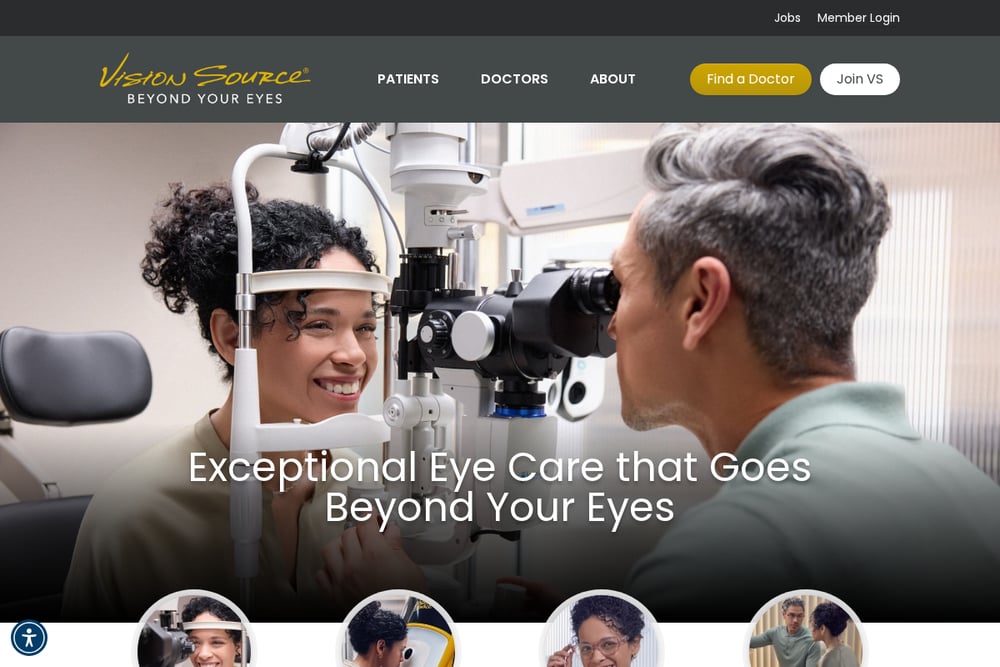 A screenshot of the Vision Source website.
Vision Source offers a free, printable eye chart that you can download and use at home. It's a simple Snellen-style chart that you print on regular paper and hang on a wall at eye level. The instructions are clear: measure ten feet, cover one eye, and read the letters aloud. While it's not a substitute for a professional exam, it's a handy tool for a quick vision check. This is a no-frills option that's perfect for patient education or for people who want to monitor their vision between appointments.
#5 Blue Fin Vision Snellen Test Chart
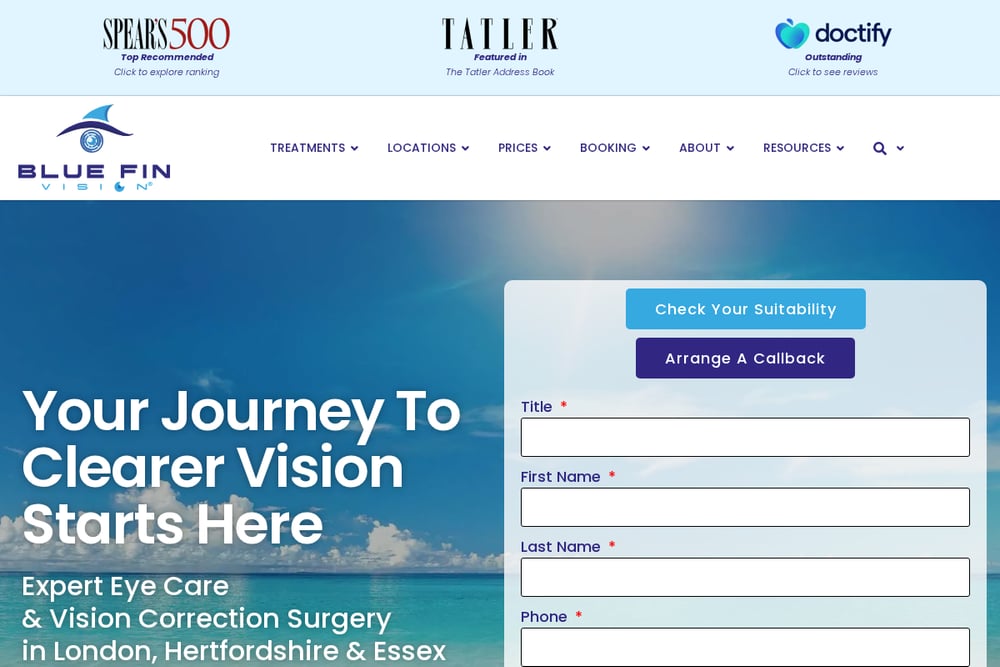 A screenshot of the Blue Fin Vision website.
Blue Fin Vision provides a free online Snellen test chart that you can use directly in your browser. It's a straightforward tool that lets you test visual acuity without any downloads or installations. The chart is part of a larger ophthalmology clinic's website, so it's backed by professional expertise. While it lacks the advanced features of other tools, it's a quick and easy way to do a basic vision check. If you just need a simple Snellen chart for occasional use, this is a convenient option.
How to Choose the Right Eye Test Chart for Your Practice
Start by thinking about where you'll use the chart. If you need something portable for home visits, an app like OptoCharts might be your best bet. If you want a permanent setup in your clinic, EyeCharts offers a polished, scientifically validated system. For those who love customization and want to avoid costs, Open Optometry is a no-brainer. Consider your patient mix too—if you see a lot of kids, picture tests are essential. And don't forget about device compatibility; make sure the tool works on the screens you already have.
Streamlining Your Eye Testing Workflow
You can integrate these digital charts into your daily routine to save time and improve accuracy. For example, with Open Optometry, you can set up a tablet on a stand and switch between distance and near charts with a tap. EyeCharts allows you to record visual acuity directly, so you don't have to write it down manually. OptoCharts can be controlled remotely with a second smartphone, which is handy for home visits. By automating the testing process, you free up more time to focus on patient care.
The Bottom Line
There's no shortage of eye test charts available, but the best one for you depends on your specific needs. Open Optometry stands out as a free, open-source option that doesn't compromise on quality, making it a fantastic choice for budget-conscious practices. EyeCharts offers a premium experience with scientific backing, while OptoCharts provides portability and flexibility. Vision Source and Blue Fin Vision are great for simple, quick checks. Whichever you choose, you're moving away from outdated paper charts and into a more efficient, digital future.