Introduction
For adults who left high school early, the idea of going back to a classroom can feel like a step backward. Onsego, an online GED prep platform, was built to remove that barrier entirely. In a recent interview, CEO Steve Gory explained how the company's approach differs from traditional programs and why flexibility is at the core of its design.
A Different Kind of Classroom
Onsego's philosophy starts with a simple observation: most adults don't want to relive high school. "Nobody wants to sit in a classroom again if they dropped out of high school," Gory said. "Onsego is built for people who want to change their lives without being in a school environment."
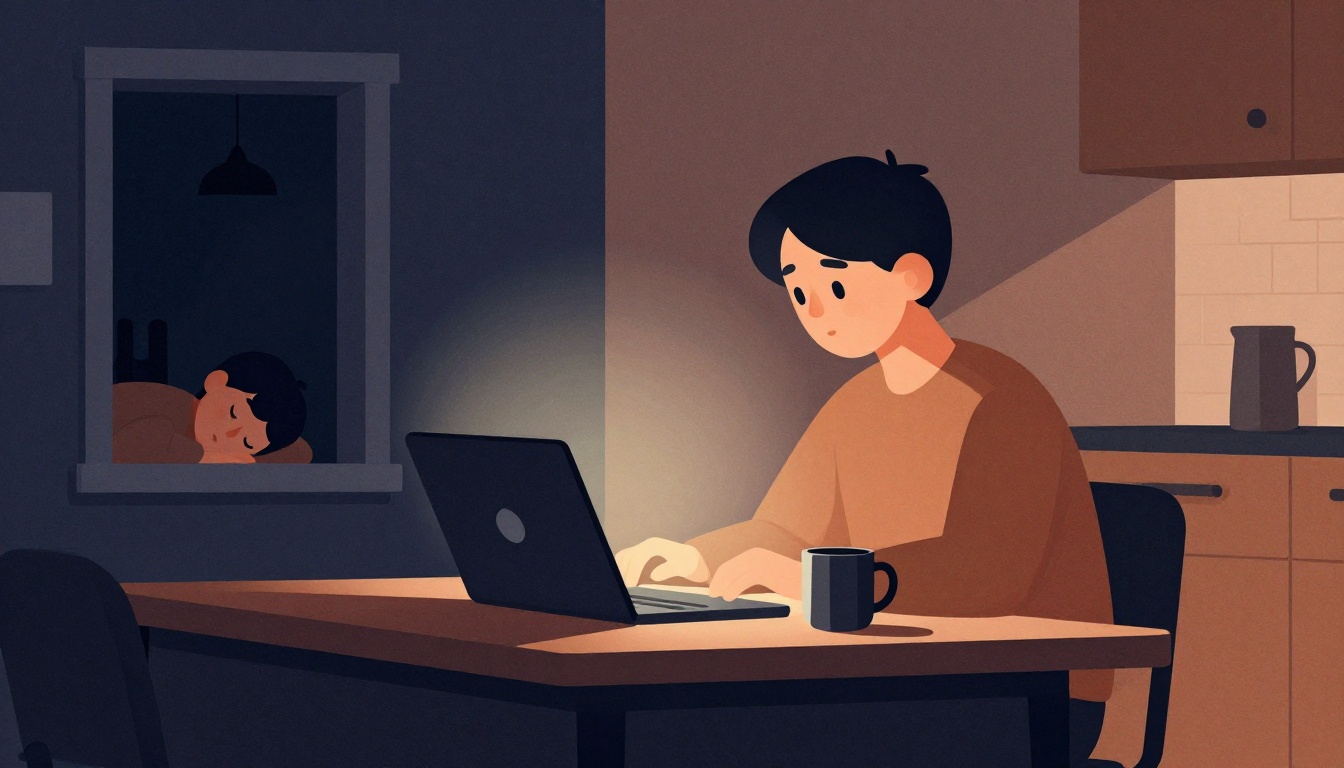
The platform offers short video lessons, quizzes, and flashcards that fit into fragmented schedules. Some students study during a lunch break; others log in after their children are asleep. "Both work fine," Gory noted. The key is meeting students where they are, not where a syllabus assumes they should be.
AI Tutoring That Adapts
Onsego's AI tutor is designed to provide personalized support without the pressure of a live instructor. "The AI tutor is programmed to use the Onsego approach, so students can always ask follow-up questions if they want to know more," Gory explained. The feature aligns with the company's belief that everyone learns differently and deserves individualized help.
For students who have struggled with self-study in the past, the AI tutor offers a way to fill gaps without waiting for office hours or scheduled sessions. It's a natural extension of the platform's goal: make learning accessible on the student's terms.
Helping Students Who Have Failed Before
Many adults come to Onsego after previous attempts at the GED didn't work out. Gory sees this as a sign that the student studied the wrong way or didn't know which skills were weak. "For us at Onsego, it just means people studied the wrong way, or they had no idea which skills were actually weak," he said.
To address this, Onsego includes a confidence booster course and "Can I Skip It" quizzes that help students identify their specific weaknesses. "It works like a charm," Gory said. "As students start getting more answers right, something changes. And when they walk into that exam room believing they're going to pass, that matters almost as much as the material itself."
Structuring Study Time
There's no one-size-fits-all study plan, and Onsego doesn't pretend otherwise. The platform publishes two study planners per subject, letting students choose what fits their lifestyle. "The truth is there's no 'perfect' study structure," Gory said. "Some people learn a bit every day. Others log in once a week for a few hours. We respect people's choice, and we embrace it."
This flexibility is especially important for adults juggling work, family, and other responsibilities. By removing rigid schedules, Onsego makes it easier to stay consistent without adding stress.
The Biggest Misconception About the GED
Gory sees two common extremes in how people view the GED: either it's dismissed as too easy or feared as nearly impossible. "Neither is true," he said. "The GED is real. It tests what you'd expect from someone finishing high school, and yes, you need to prepare. But it's also genuinely passable."
Onsego's job, according to Gory, is to make the process feel doable. "Break the hard stuff into pieces small enough to actually chew. Explain it clearly. Give people enough reps that the test day doesn't feel like a surprise, because confidence walking in is sometimes half the battle, maybe more."
For more information about Onsego's approach, visit their website. You can also read about GED test structure and online learning best practices for adult learners. Additional context on adult education trends and self-paced learning strategies is available from independent sources.
Practical Takeaways for Readers
- Identify your weak spots first. Use diagnostic quizzes to focus your study time where it matters most.
- Choose a schedule that fits your life. Whether it's 20 minutes a day or a few hours once a week, consistency beats intensity.
- Build confidence through small wins. Each correct answer reinforces belief in your ability to pass.
- Don't let past failures define you. Many students pass after adjusting their study approach.
- Use AI tools for personalized help. Follow-up questions can clarify concepts without waiting for a tutor.
Conclusion
Onsego's model reflects a broader shift in adult education: away from rigid, classroom-based programs and toward flexible, student-centered learning. By focusing on practical study tools, AI support, and confidence-building, the platform aims to make the GED accessible to anyone willing to put in the work. As Gory put it, "We're not trying to rebuild high school. We're trying to get adults through the GED without wasting their time, because their time is already spoken for."