
Living with POTS can feel like your body is working against you, but the right occupational therapist can help you rebuild your daily routine. These five resources offer education, treatment, and community support for patients and clinicians alike.
The Growing Role of Occupational Therapy in POTS Care
Postural Orthostatic Tachycardia Syndrome (POTS) affects up to 1 in 100 teens and young adults, yet it remains widely misunderstood. Occupational therapy (OT) has emerged as a frontline, non-pharmacological approach to managing POTS symptoms, helping patients adapt their daily activities and energy levels. As awareness grows, more OT practitioners are specializing in dysautonomia, and online resources are expanding to meet the demand. From clinician training to patient handouts, these platforms are shaping how POTS care is delivered across the US.
How We Evaluated These Resources
We assessed each resource based on its depth of POTS-specific content, the clarity of its service offerings, its accessibility for patients and clinicians, and the practical value of its tools. We also considered how well each platform supports the broader POTS community, whether through direct treatment, education, or advocacy. Each resource stood out in its own way, from comprehensive clinical courses to community-driven support.
Here’s a quick look at the five resources we’re highlighting, each with its own focus and audience.
| Provider | Best For |
|---|---|
| OT Potential | Clinicians seeking continuing education and clinical decision support |
| Occupational Therapist | OT Emily | Patients and clinicians seeking a blend of clinical care, research, and education |
| OccupationalTherapy.com | OT practitioners seeking CEUs and in-depth clinical knowledge |
| Intuitive Therapies & Pelvic Health | Patients seeking integrated OT and pelvic health support, especially in Florida |
| Awareness for POTSies | Patients and families seeking community support and daily living tips |
Detailed Look at Each Resource
#1 OT Potential
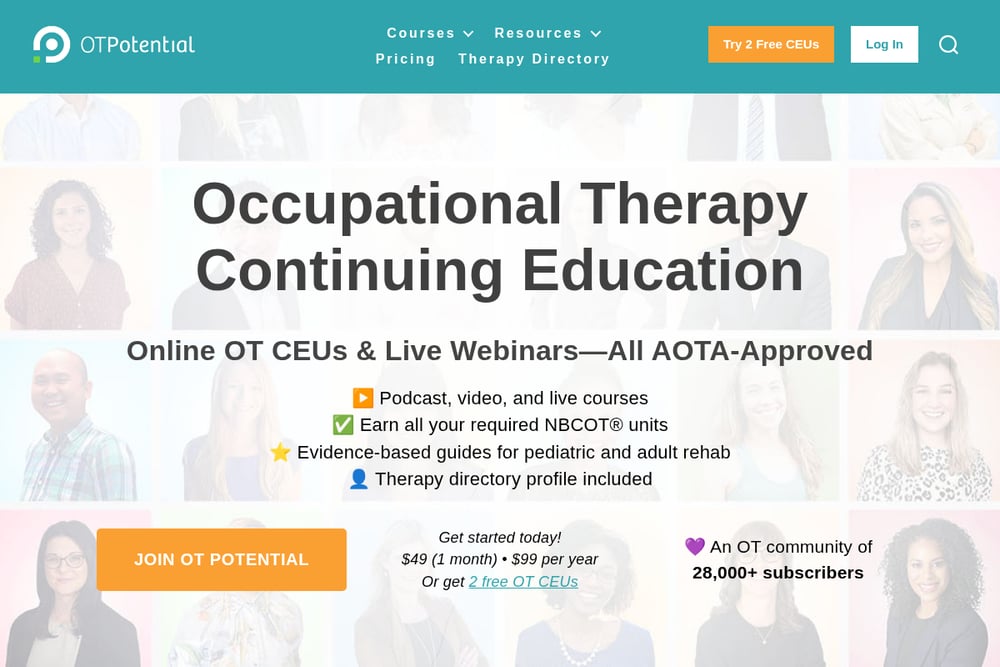 A screenshot of the OT Potential website.
OT Potential is a leading continuing education platform for occupational therapists, offering a dedicated page on POTS that breaks down assessment and treatment options. The site’s evidence-based approach is reinforced by a review from Sarah Lyon, OTR/L, and it provides a 'menu' of interventions that therapists can tailor to each patient. You’ll find a comprehensive assessment search, goal bank, and treatment info, making it a practical tool for clinicians. The platform also hosts live webinars and courses, keeping practitioners up to date. If you’re a therapist looking to deepen your POTS expertise, this is a solid starting point. Source: OT Potential
#2 Occupational Therapist | OT Emily
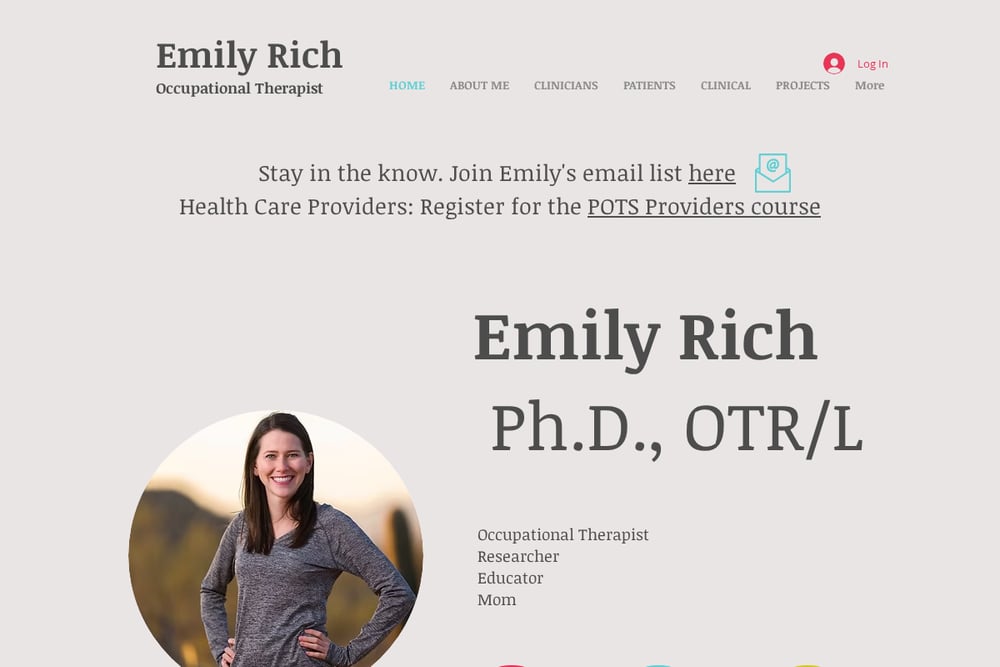 A screenshot of the Occupational Therapist | OT Emily website.
Occupational Therapist | OT Emily is the featured resource, run by Emily Rich, a clinician and PhD POTS researcher who offers clinical services and educational materials. The site covers POTS, EDS/HSD, and Parkinson’s disease, with dedicated sections for patients, clinicians, and research. You’ll find a POTS Clinician Course, a list of POTS clinicians, and patient resources like handouts and podcasts. Emily’s dual role as a researcher and practitioner brings a unique evidence-based perspective to her work. For patients, the site provides practical support, while clinicians can access mentoring and training. It’s a comprehensive hub for anyone touched by POTS. Source: Occupational Therapist | OT Emily
#3 OccupationalTherapy.com
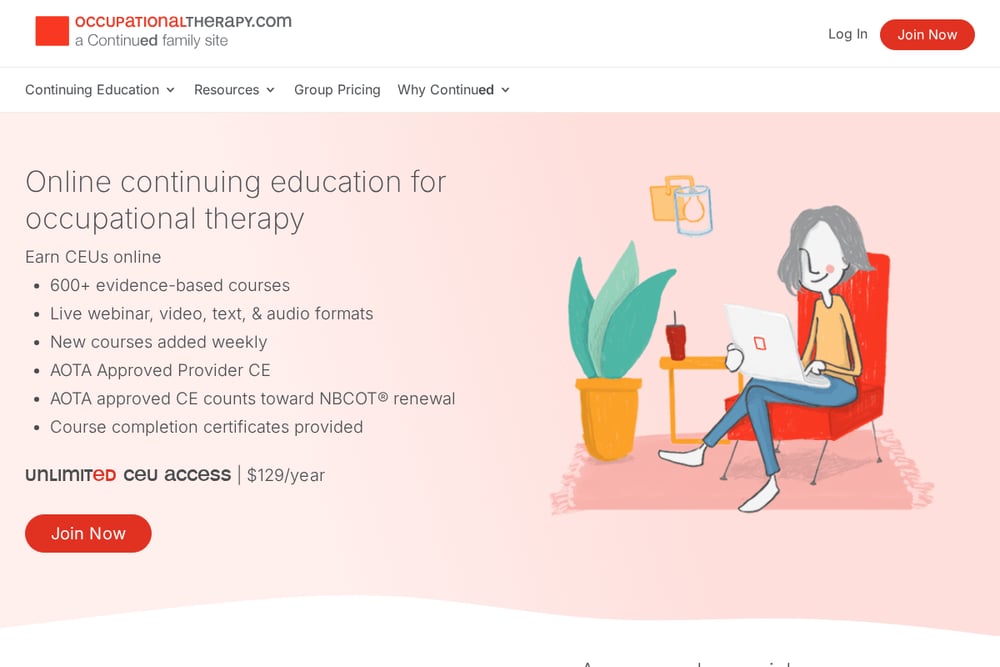 A screenshot of the OccupationalTherapy.com website.
OccupationalTherapy.com is a professional education platform that offers a detailed article on POTS, originally presented as a webinar by Scott Cheatham, PhD, DPT, OCS, ATC, CSCS. The content differentiates clinical presentation, symptoms, and evidence-based diagnostic strategies for POTS across patient populations. It’s designed for OT practitioners who want to earn continuing education units (CEUs) while deepening their understanding of dysautonomia. The site also provides access to a wide range of courses and expert-led articles. If you’re a clinician looking for structured, accredited learning, this resource is invaluable. Source: OccupationalTherapy.com
#4 Intuitive Therapies & Pelvic Health
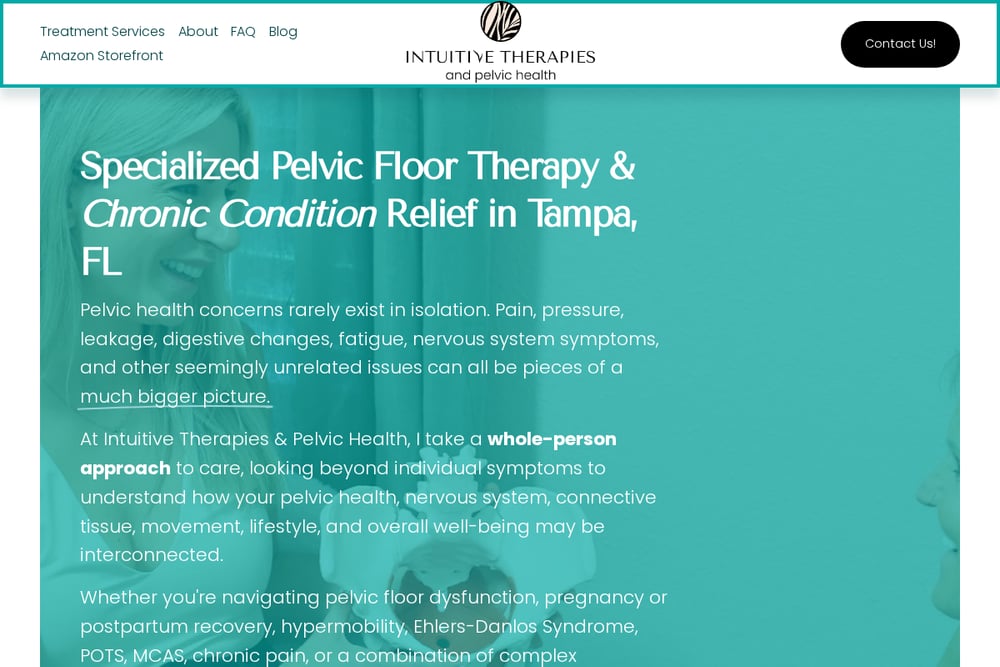 A screenshot of the Intuitive Therapies & Pelvic Health website.
Intuitive Therapies & Pelvic Health, based in Tampa, offers a unique perspective on POTS by integrating occupational therapy with pelvic floor therapy. Their blog post, written by Nicole Woodruff, explains how POTS affects daily life and how OT can help rebuild resilience. The practice focuses on chronic conditions and Ehlers-Danlos Syndrome, which often co-occur with POTS. They provide a holistic approach that addresses both physical and functional challenges. If you’re in the Tampa area or open to telehealth, this practice offers a specialized, patient-centered option. Source: Intuitive Therapies & Pelvic Health
#5 Awareness for POTSies
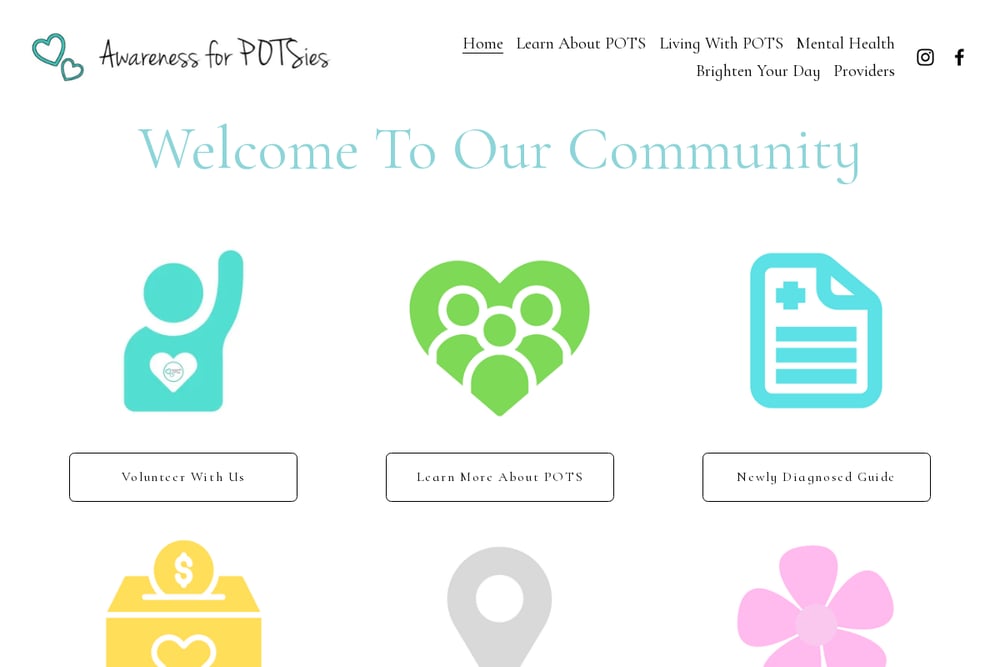 A screenshot of the Awareness for POTSies website.
Awareness for POTSies is a nonprofit organization dedicated to supporting the POTS community through education and advocacy. Their occupational therapy page provides practical tips for managing symptoms, daily tracking, and navigating flare-ups. The site also offers resources for newly diagnosed individuals, including medical passports and self-advocacy programs. While not a clinical provider, they excel at community building and patient empowerment. If you’re looking for peer support and practical living advice, this is a valuable resource. Source: Awareness for POTSies
How to Choose the Right POTS OT Resource
Start by identifying your primary need: are you a patient seeking direct care, a clinician looking for training, or someone who needs community support? For direct treatment, consider resources like OT Emily or Intuitive Therapies, which offer clinical services. If you’re a professional, OT Potential and OccupationalTherapy.com provide accredited education and evidence-based tools. For ongoing support and practical advice, Awareness for POTSies offers a welcoming community. Also, think about your location and whether telehealth is an option, as some practices are region-specific. Finally, review the depth of POTS-specific content to ensure it aligns with your goals.
Streamlining Your Search for POTS OT Resources
To quickly compare these resources, you can create a simple spreadsheet with columns for service type, target audience, and key features. Use web scraping tools to pull the latest content from each site, then categorize them based on your criteria. For example, you might filter for resources that offer clinician courses versus patient handouts. Automating this process saves time and ensures you don’t miss any updates. You can also set up alerts for new blog posts or courses from these platforms to stay informed.
Bringing It All Together
Each of these five resources plays a distinct role in the POTS ecosystem, from clinical education to patient advocacy. Whether you’re a patient looking for practical strategies or a clinician seeking to expand your skills, there’s a resource here for you. The key is to match your specific needs with the right platform, and don’t hesitate to explore multiple options. With the right support, managing POTS becomes more achievable, and you can regain control of your daily life.