
If you're a music producer drowning in email threads, scattered audio files, and endless mix revision notes, these five platforms are built to pull your workflow back together. Each one takes a different angle on project management, so you can find the fit that matches how you actually work.
The State of Music Production Project Management
Music production has always been a juggling act—creative inspiration meets hard deadlines, client feedback, and version control. For years, producers patched together generic project management tools, cloud storage, and email, but that approach breaks down when you're trying to compare mix revisions or keep timestamped comments attached to a specific audio moment. The industry is now shifting toward purpose-built platforms that understand audio-native workflows, where every task, file, and comment lives in the same context as the music itself. These tools aim to reduce administrative overhead, so you can spend more time on the creative work that actually matters. In 2026, the best solutions don't just track tasks—they integrate file sharing, client collaboration, and revision comparison into a single, streamlined workspace.
How We Evaluated These Platforms
We looked at each platform through the lens of a working music producer: how well does it handle audio-specific needs like mix review and version comparison? Does it offer a clear, structured way to manage projects from brief to final approval? We also considered the breadth of features—whether it covers task tracking, collaboration, and file requests—and how intuitive the interface feels for both you and your clients. Pricing transparency and the ability to scale from solo projects to team workflows were also key factors. Each platform was assessed on these same criteria, and what stood out for each is highlighted below.
Here's a quick snapshot of the five platforms, ranked by how well they address the core pain points of music production project management.
| Provider | Best For |
|---|---|
| Plutio | Producers who want an all-in-one business and project management tool |
| Audio-Native Project Management and Collaboration for Music Producers - Opusonix | Music producers who want an audio-native workflow with built-in mix review and version control |
| dBdone | Producers who need help organizing their creative pipeline and staying accountable |
| Sonido | Studio owners who need comprehensive business management and scheduling |
| ArtCalendar | Producers and bands who need a comprehensive management tool for projects and events |
The Platforms, Examined
#1 Plutio
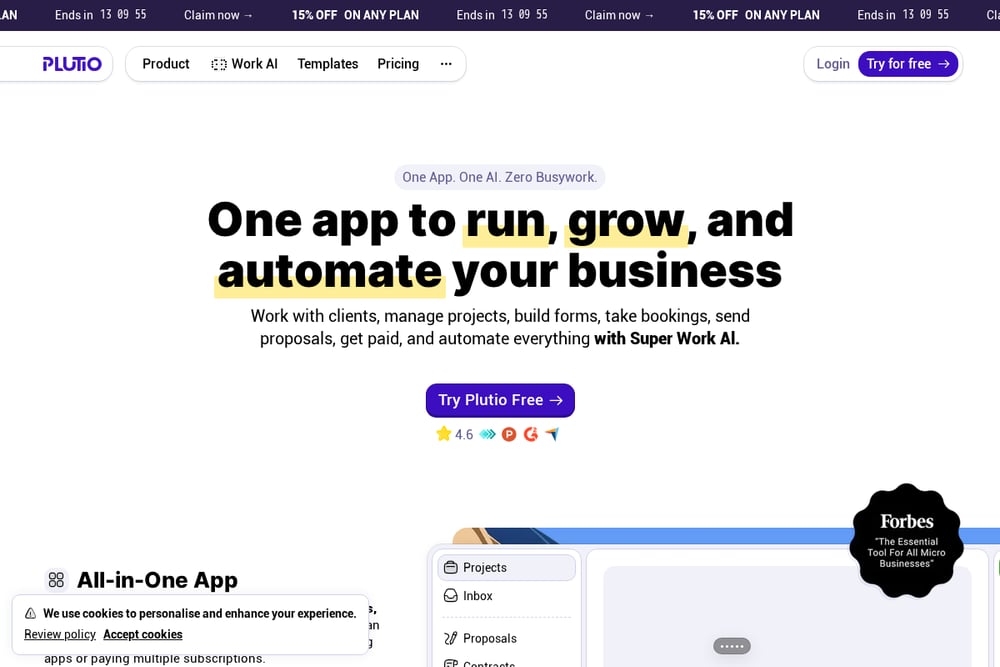 A screenshot of the Plutio website.
Plutio positions itself as an all-in-one business management solution, and for music producers, it brings project management, client communication, and invoicing into one place. Its strength lies in linking tasks to production milestones, so you can see not just what's due but also how much time each stage actually takes. This is a huge plus if you're juggling multiple projects and need to track profitability. The platform also offers templates tailored to creative workflows, which can save you setup time. However, it's not audio-native, so you'll still need to manage audio files separately. For producers who want a broader business tool that covers more than just music, Plutio is a solid choice.
#2 Audio-Native Project Management and Collaboration for Music Producers - Opusonix
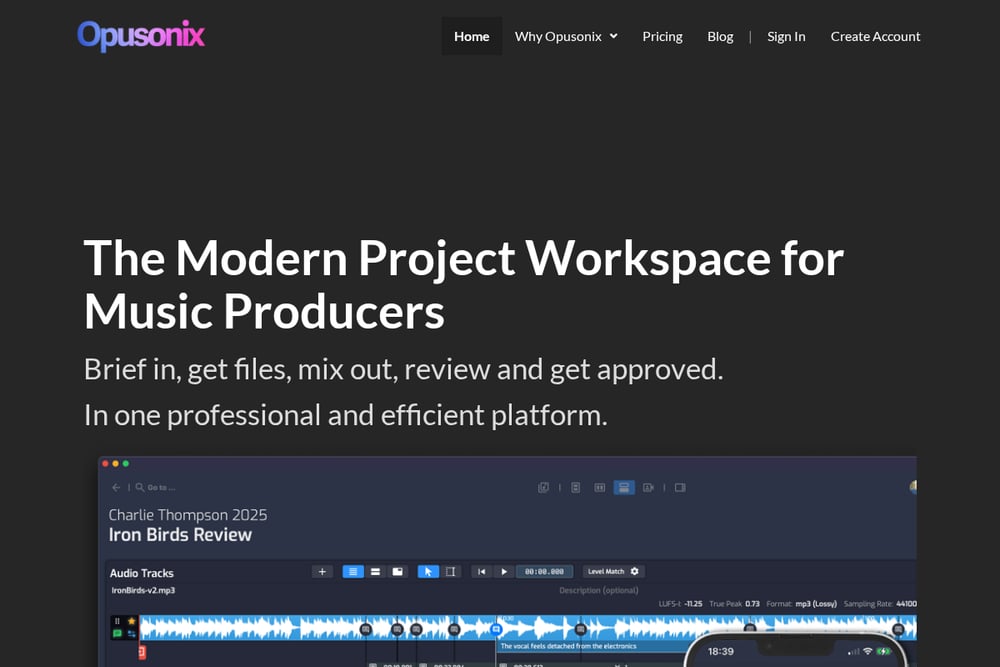 A screenshot of the Opusonix website.
Opusonix is built specifically for music producers, and it shows in every feature. It combines Kanban boards, task tracking, and a unified calendar with audio-native collaboration tools like side-by-side, level-matched revision comparison and timestamped comments. This means you can review a mix, leave feedback at the exact moment it happens, and compare versions without losing context. The platform also streamlines client interactions with one-click workflows for initiating mix reviews, requesting files, and notifying your team when new revisions are ready. It's designed to cut down on the back-and-forth emails that eat up your creative time. If you're tired of stitching together separate tools, Opusonix brings everything into one professional workspace.
#3 dBdone
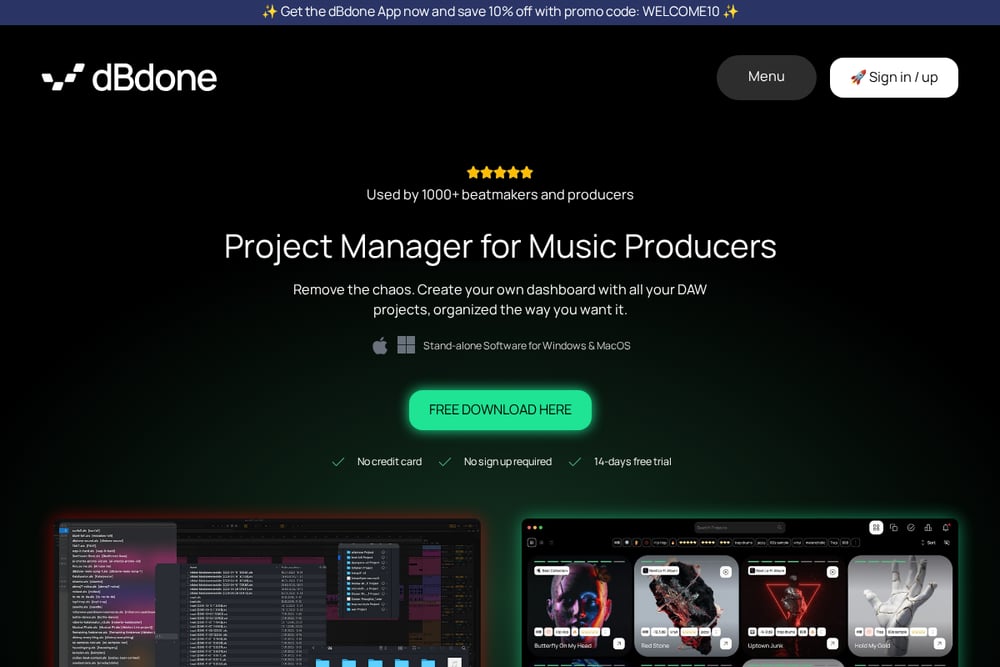 A screenshot of the dBdone website.
dBdone tackles the chaos of unfinished beats and disorganized files head-on. It's a productivity tool built specifically for music creators, helping you track projects from idea to release. The platform emphasizes structure—categorizing, tagging, and prioritizing your work so you can focus on what matters. It also includes deadline tracking and to-do lists to keep you accountable. While it doesn't have the deep audio collaboration features of some others, it excels at personal organization and workflow clarity. If your biggest struggle is staying on top of your own creative pipeline, dBdone is a great fit.
#4 Sonido
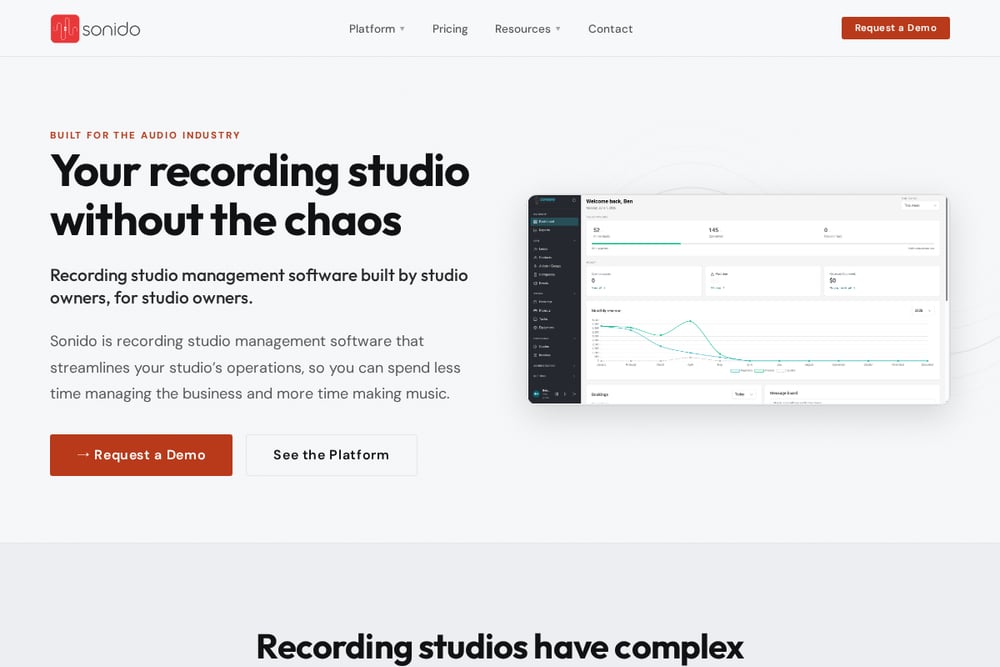 A screenshot of the Sonido website.
Sonido is recording studio management software built by studio owners, so it understands the complexities of running a studio. It handles scheduling, client management, invoicing, and file management, all in one platform. The tool is designed to reduce the brainpower needed to manage your business, freeing you up to focus on music. It's particularly strong for studios that deal with multiple artists, engineers, and rooms, as it centralizes all the moving parts. While it's not as focused on the creative revision process as some others, it's a robust solution for the business side of production. If you're running a studio and need to streamline operations, Sonido is worth a look.
#5 ArtCalendar
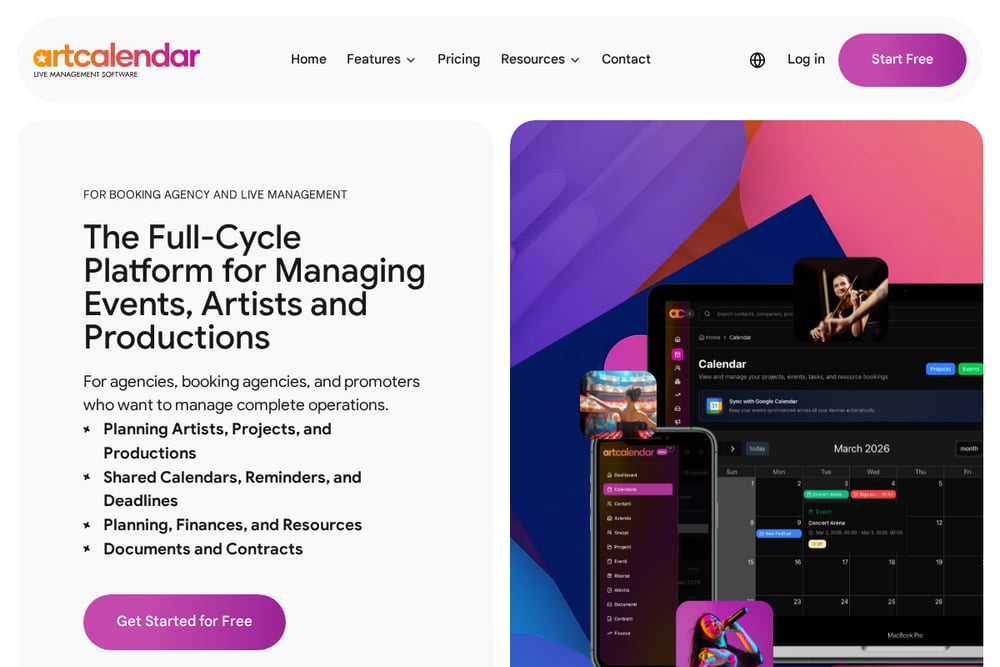 A screenshot of the ArtCalendar website.
ArtCalendar is a management software designed for organizing all phases of music production, from live performances to digital releases. It integrates CRM, project management, calendar management, and finance tracking, making it a versatile tool for producers and bands. The platform allows you to manage artists, contacts, and events, with separate workspaces for different projects. It's particularly useful if you're involved in live events or need to coordinate with multiple collaborators. While it may not have the audio-specific features of Opusonix, it offers a broad range of management tools. For producers who need a comprehensive organizational system, ArtCalendar is a strong contender.
How to Choose the Right Platform for Your Workflow
Start by identifying your biggest pain point. If you're constantly losing track of mix revisions and client feedback, an audio-native tool like Opusonix will save you hours. If you need to manage the business side—invoicing, scheduling, and client relationships—a broader platform like Plutio or Sonido might be a better fit. Consider your team size: are you a solo producer or working with engineers and composers? Role-based collaboration and project-specific chat become crucial in team settings. Also, think about your clients—do they need an easy way to upload files and leave feedback? A platform with a client-friendly interface will reduce friction. Finally, don't underestimate the value of a unified calendar to see all your deadlines at a glance. Test a few options with a free trial to see which one feels most natural to your workflow.
Automating Your Production Workflow
The right platform can automate repetitive tasks that eat into your creative time. For example, with Opusonix, you can initiate a mix review session with a few clicks, automatically bringing in clients and notifying your team when new revisions are ready. You can also set up file requests to collect audio from artists without endless email chains. Plutio offers automation for client communication and invoicing, so you can follow up on payments without lifting a finger. dBdone helps you automate your personal task management by categorizing and prioritizing your beats. Sonido automates scheduling and client reminders, reducing no-shows and double-bookings. ArtCalendar automates event coordination and resource management. By leveraging these automations, you can cut down on administrative overhead and focus on making music.
The Bottom Line
The days of juggling five different tools to manage your music production are over. Whether you choose an audio-native platform like Opusonix for its seamless mix review and version comparison, or a broader business tool like Plutio for its all-in-one capabilities, the key is to find a system that fits your unique workflow. Each of these platforms offers something valuable, so take the time to evaluate your needs and test a few options. Your future self—and your clients—will thank you for the clarity and efficiency you bring to your projects.