
If you're looking to turn your child's musical curiosity into a lifelong passion, these five programs offer unique paths to composition. From structured curricula to playful apps, there's something here for every young composer.
The Landscape of Music Education for Kids
Music education has evolved far beyond traditional instrument lessons. Today, parents and educators have access to a wide range of programs that teach composition, theory, and ear training in engaging, accessible ways. Whether your child is a beginner or a budding composer, these programs blend technology, pedagogy, and creativity to make music learning fun and effective. The focus is shifting from passive listening to active creation, empowering kids to write their own music from an early age.
How We Evaluated These Programs
We looked at each program's approach to teaching composition, the age range it serves, the depth of musical concepts covered, and the flexibility it offers for different learning environments. We also considered how well each program integrates with existing music lessons and whether it provides clear pathways for progression. Each program was assessed on its ability to engage young learners and foster a genuine love for music.
Here's a quick snapshot of the five programs we're highlighting, each with its own strengths and ideal use cases.
| Provider | Best For |
|---|---|
| MusiQuest | Interactive, game-based learning |
| Gradus — A Homeschool Music Composition Curriculum | Homeschool families seeking a structured, credit-bearing curriculum |
| Prodigies Music | Young children (ages 2-12) and families wanting a playful, video-based approach |
| MakingMusicFun.net | Free, hands-on composition practice for kids |
| Sage Music | Personalized, one-on-one coaching for serious students |
A Closer Look at Each Program
#1 MusiQuest
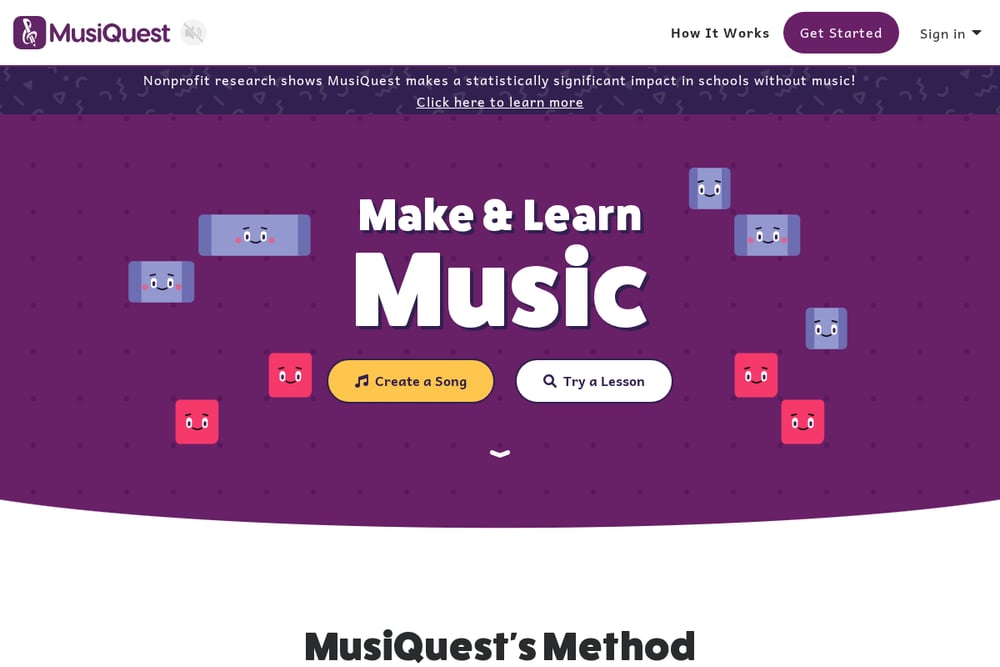 A screenshot of the MusiQuest website.
MusiQuest is a creative, game-based platform that lets kids compose music using over 75 real instruments. It offers a structured curriculum that progresses from beginner to advanced, covering melody, rhythm, harmony, and even music theory. The program is designed to be intuitive, allowing kids to make music and have fun while learning. It's particularly effective in schools, with research showing significant impact in classrooms without music programs. If your child loves interactive learning, MusiQuest turns composition into an adventure.
#2 Gradus — A Homeschool Music Composition Curriculum
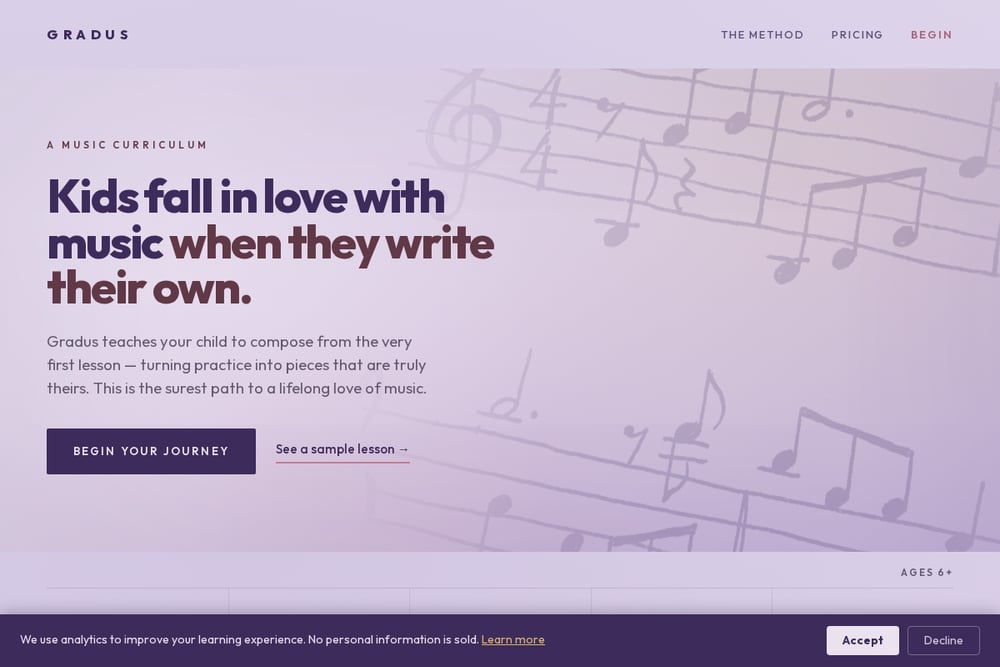 A screenshot of the Gradus website.
Gradus is a comprehensive homeschool curriculum that teaches kids ages 6 and up to compose from the very first lesson. It covers ear training, notation, theory, and composing through daily, focused practices. The program is ESA-eligible and parent-reimbursable, with all necessary documentation included, making it a practical choice for homeschooling families. It also offers a high school fine arts credit, adding academic value. Gradus complements existing instrument lessons, turning practice into pieces that are truly the child's own.
#3 Prodigies Music
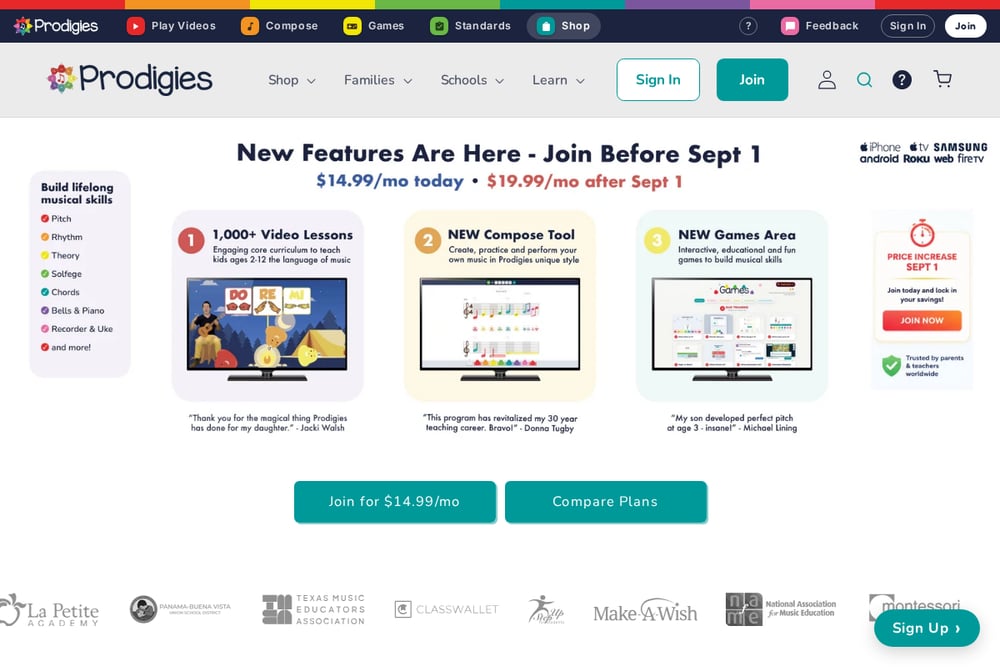 A screenshot of the Prodigies Music website.
Prodigies Music offers video-based lessons for kids ages 2 to 12, using colorful deskbells and a playful approach to teach pitch, rhythm, and composition. It's designed to be used at home or in schools, with a focus on making music education accessible and fun. The program includes a lifetime kit option, which is great for families who want a one-time investment. Prodigies is particularly strong for younger children, introducing them to musical concepts through singing, signing, and playing. If you have a preschooler or early elementary child, this is a joyful entry point.
#4 MakingMusicFun.net
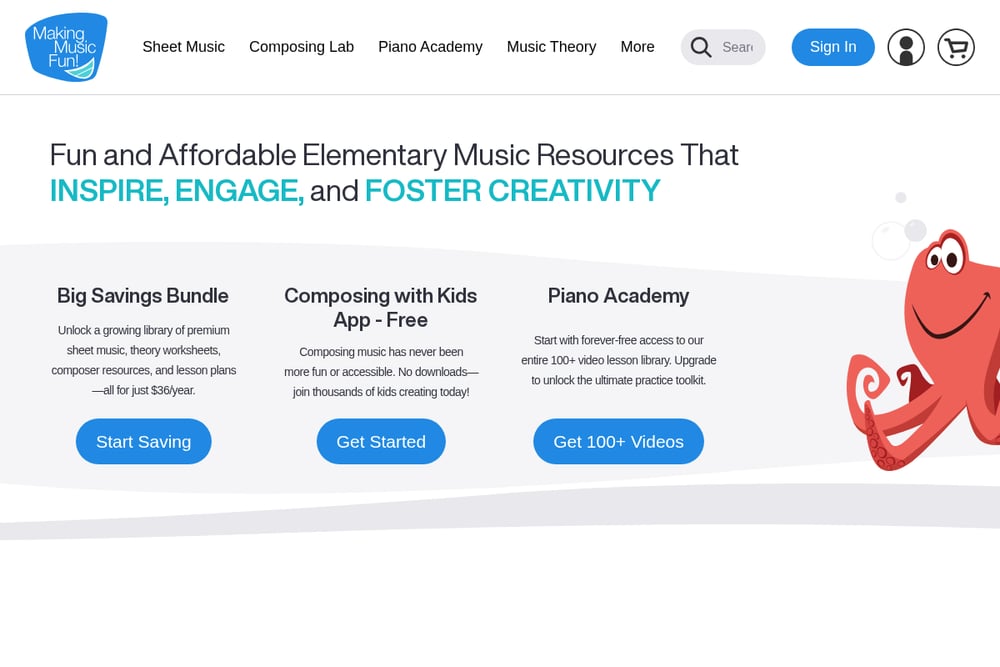 A screenshot of the MakingMusicFun.net website.
MakingMusicFun.net provides a web-based app that lets kids compose music by dragging and dropping notes onto a staff, making it easy to experiment with rhythm and melody. It includes lessons that teach music theory and composition from scratch, without requiring prior knowledge. The tool is free to start, which is perfect for trying out composition with minimal commitment. It's a great resource for teachers and parents who want a simple, hands-on way for kids to create their own songs. The intuitive interface helps kids understand how music is put together.
#5 Sage Music
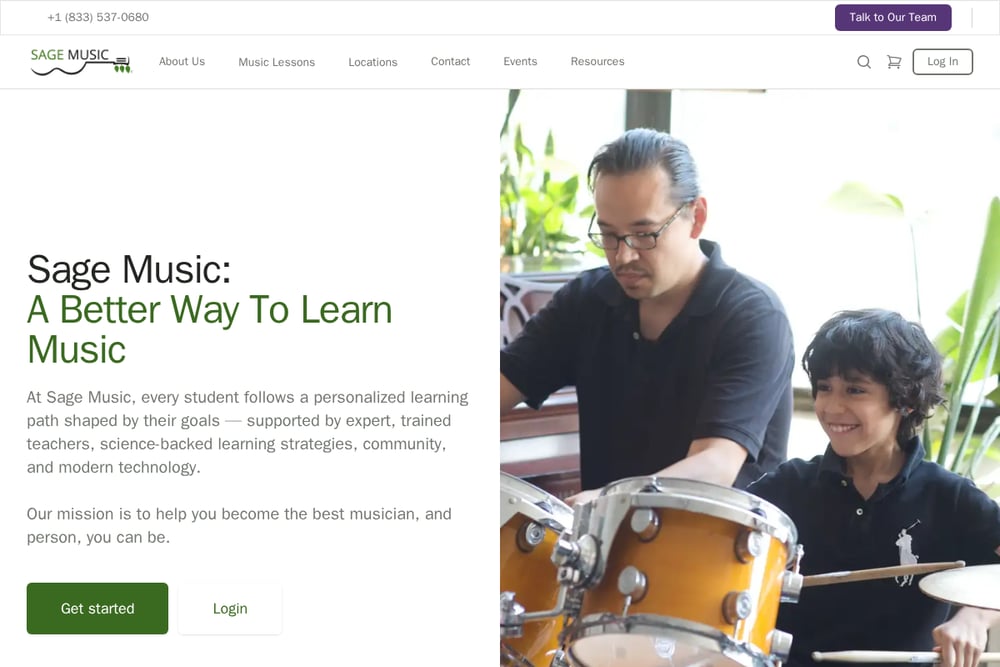 A screenshot of the Sage Music website.
Sage Music offers personalized online composition lessons with experienced instructors, using their science-backed Arpeggio® learning system. This is a more traditional, one-on-one coaching approach, ideal for students who want individualized feedback and guidance. The program covers composition in depth, from basic songwriting to advanced techniques, and is suitable for all ages. Sage Music also provides performance opportunities and practice classes, adding a community element. If you prefer a human touch and tailored instruction, this is a strong option.
How to Choose the Right Program
Start by considering your child's age and learning style. For younger kids, Prodigies Music's playful videos might be the best fit, while older children might thrive with the structured curriculum of Gradus or the interactive challenges of MusiQuest. Think about your educational goals: if you're homeschooling and need credit, Gradus is a clear choice. If you want a free, low-pressure introduction, MakingMusicFun.net is a great starting point. For those who want expert guidance, Sage Music's personalized lessons are worth the investment. Also, consider whether your child already takes instrument lessons—programs like Gradus are designed to complement them.
Streamlining Your Music Education Routine
Many of these programs offer dashboards and progress tracking, which can help you automate the monitoring of your child's learning. For example, Gradus provides a dashboard and daily notes, making it easy to stay on top of assignments. MusiQuest's level-based system automatically adjusts difficulty, so your child is always challenged. You can also set up regular practice times and use the programs' built-in reminders to keep your child on track. This way, you can focus on enjoying the music rather than managing the logistics.
The Right Note for Your Family
Each of these programs offers a unique way to help your child fall in love with music through composition. Whether you choose the structured path of Gradus, the playful approach of Prodigies, or the interactive world of MusiQuest, the key is to find what resonates with your child. Remember, the goal is to foster creativity and joy in music-making. With the right program, your child will be writing their own pieces in no time, and you'll be amazed at what they create.