
If you're chasing a multi-engine rating or instructor certificate, these five programs bring serious experience and flexibility to the table. Here's a look at who stands out in 2026.
The Multi-Engine Training Landscape
Multi-engine flight instruction is a niche but critical step for pilots aiming at commercial or airline careers. Across the US, schools offer accelerated courses, one-on-one mentoring, and a mix of fixed-base and mobile training options. The best programs balance safety, real-world experience, and scheduling flexibility to fit your goals. Whether you're adding a rating or building time, the right instructor can make all the difference.
How We Evaluated These Programs
We looked at each program's service scope, instructor experience, pricing transparency, and local or national reach. We also considered how well they tailor training to individual needs, from accelerated courses to time-building. Each program brings its own strengths, and we highlight what stood out for each.
Here's a quick snapshot of the five programs, ranked for your convenience.
| Provider | Best For |
|---|---|
| Nationwide Aviation | Accelerated, career-focused training |
| MidWest Multi Engine | Nationwide, personalized one-on-one training |
| Multi Engine Flight School | Affordable training in Arizona |
| Kilo Charlie Aviation | Career pathway integration |
| Aerodynamic Aviation | Comprehensive training with extra endorsements |
The Programs, Closer Look
#1 Nationwide Aviation
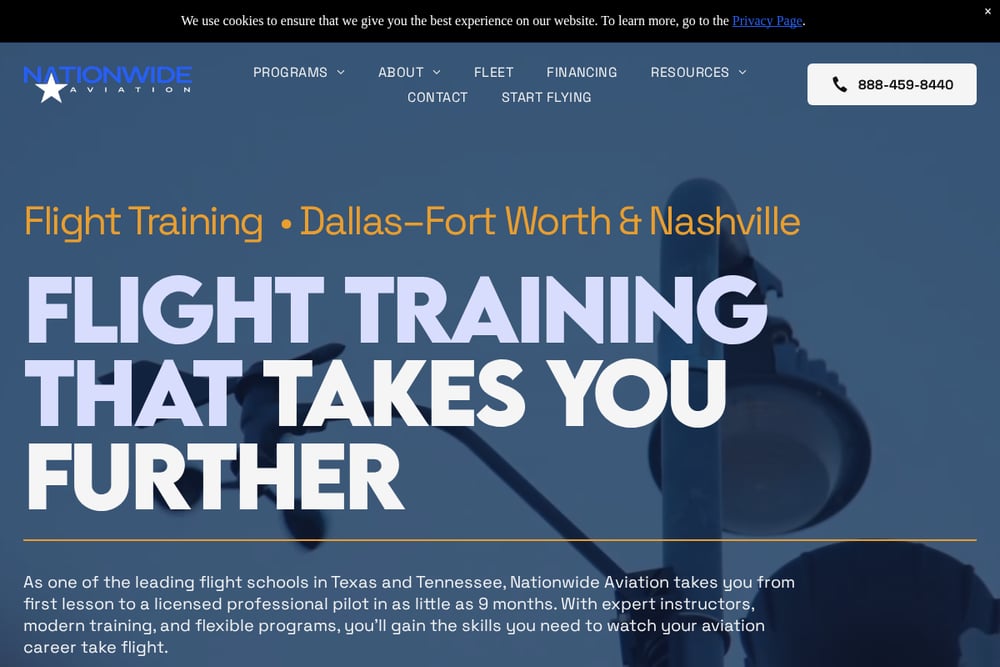 A screenshot of the Nationwide Aviation website.
Nationwide Aviation offers a fast, five-day multi-engine rating program that gets you checkride-ready without cutting corners. Their focus on engine-out procedures and advanced systems management prepares you for real-world scenarios. With locations in Dallas, Fort Worth, and Nashville, they combine professional structure with modern aircraft like the Tecnam P2006T. If you want a streamlined, career-focused path, this program delivers. Check out their multi-engine rating page for details.
#2 MidWest Multi Engine
 A screenshot of the MidWest Multi Engine website.
MidWest Multi Engine brings over 23,000 hours of combined flight experience and 60+ aircraft types to the table, making them a powerhouse for personalized instruction. They offer accelerated ratings, instructor certificates, and time building—all in your airplane or theirs, anywhere in the country. Their one-on-one approach means training adapts to your pace, not a rigid syllabus. If you value direct collaboration with an experienced instructor, this is a standout choice. Their website highlights a commitment to safety and real-world proficiency.
#3 Multi Engine Flight School
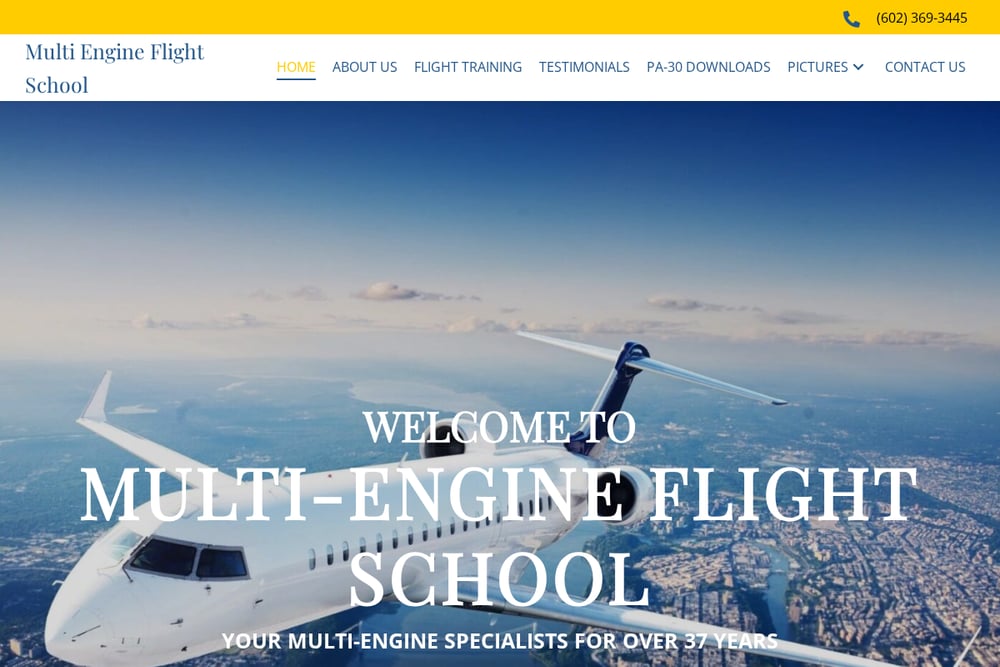 A screenshot of the Multi Engine Flight School website.
Based in Glendale, Arizona, Multi Engine Flight School has been specializing in multi-engine training for over 37 years. They offer low-cost programs, including commercial ratings and time building, with a focus on safety and affordability. Their experience with the PA-30 and other twins gives you solid, practical training. If you're looking for a proven, budget-friendly option in the Southwest, this school is worth a look.
#4 Kilo Charlie Aviation
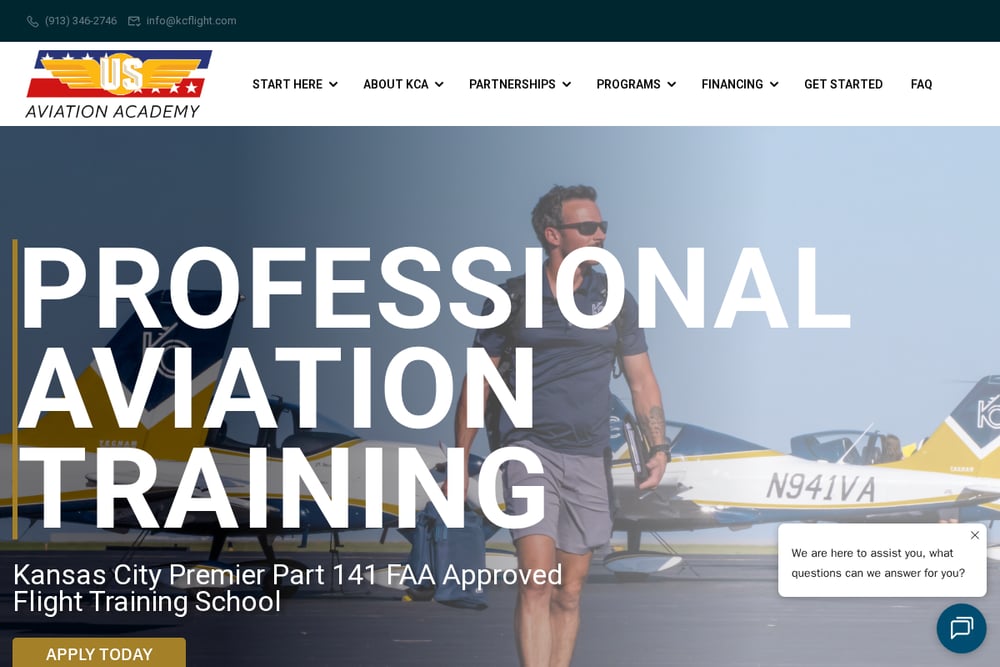 A screenshot of the Kilo Charlie Aviation website.
Kilo Charlie Aviation, with Midwest locations and a partnership with US Aviation Academy, offers a structured multi-engine academy that fits into larger career pathways. Their accelerated programs are designed for pilots aiming at airline careers, with options like the A.C.E. program and CFI academy. They emphasize a supportive learning environment and clear progression. If you're looking for a program that connects to bigger career goals, this is a solid pick.
#5 Aerodynamic Aviation
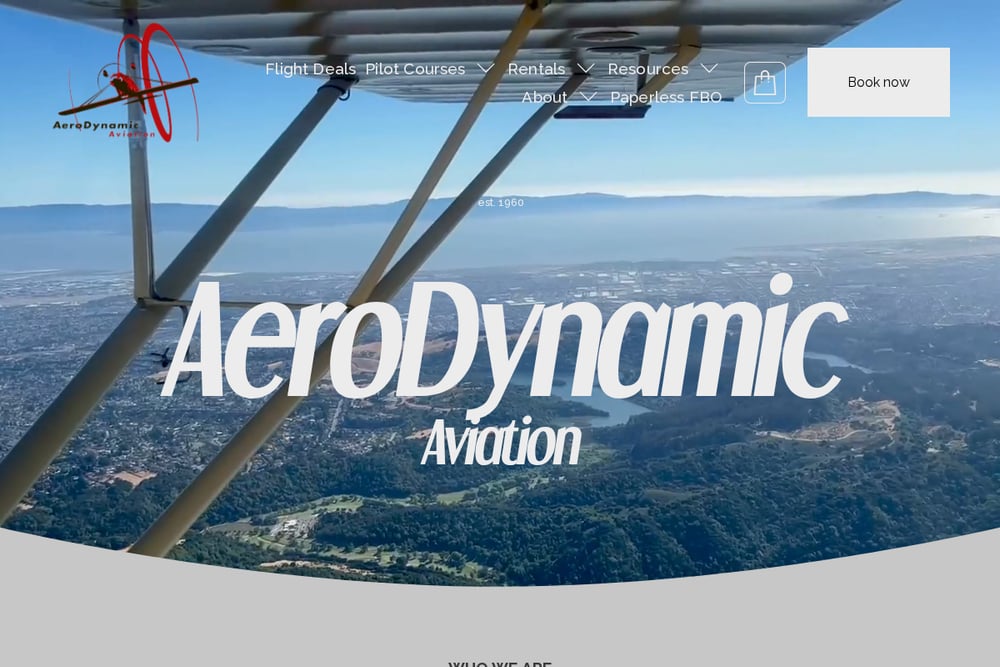 A screenshot of the Aerodynamic Aviation website.
Aerodynamic Aviation, based in California, offers a multi-engine license program that focuses on mastering twin-engine flying. They provide a range of courses, from private to ATP, and emphasize practical skills like tailwheel and mountain flying. Their team includes experienced instructors and a dedicated DPE for checkrides. If you want a well-rounded flight school with a personal touch, this is a good option.
How to Choose the Right Program
Start by defining your goal: are you adding a rating, becoming an instructor, or building time? Consider whether you need a fixed location or a mobile instructor who can come to you. Look at the instructor's experience and the types of aircraft you'll fly. Finally, compare pricing and scheduling flexibility to match your timeline and budget.
Streamlining Your Search
To compare these programs efficiently, you can use a simple spreadsheet to track key factors like cost, duration, and location. Set up alerts for any price changes or new course offerings. If you're short on time, a quick discovery call with each school can clarify your options.
The Takeaway
Each of these five programs brings something unique to the table, from nationwide mobility to deep local roots. Your choice should hinge on your specific training needs, budget, and preferred learning style. Take the time to reach out, ask questions, and find the instructor who aligns with your goals. The right program will not only get you rated but also make you a safer, more confident pilot.