
Finding the right partner for curriculum development, professional mentorship, and wellness workshops can feel overwhelming. Whether you're a school district looking to support new teachers or a business aiming to bridge soft-skills gaps, the options vary widely in approach and
The State of Mentorship and Curriculum Development in 2026
The demand for structured mentorship and curriculum development has surged as organizations recognize the link between soft skills, retention, and innovation. Schools are grappling with teacher shortages and need trauma-informed support, while corporations seek to diagnose innovation stalls and build empathy. Providers now blend project management principles with artistic mindsets, offering everything from one-on-one coaching to institution-wide systems. The key differentiator is whether a program focuses on individual relationships or systemic change.
How I Ranked These Programs
I evaluated each provider based on four criteria: depth of curriculum development expertise, quality of mentorship training, integration of wellness or soft-skills components, and scalability for schools or businesses. I also considered unique differentiators like proprietary tools or trauma-informed approaches.
Here's a quick look at how each program stacks up, from the most comprehensive institutional solution to a boutique creative approach.
| Provider | Best For |
|---|---|
| Center for Creative Leadership | Corporate mentorship and leadership development |
| NCFDD | Institutional mentoring systems in higher education |
| Chronus | Technology-driven mentoring program management |
| VAS – Power Through Art | Creative curriculum development and trauma-informed mentorship |
| Center for Anthroposophy | Waldorf teacher mentoring and pedagogical leadership |
Detailed Reviews of the Top 5 Programs
#1 Center for Creative Leadership
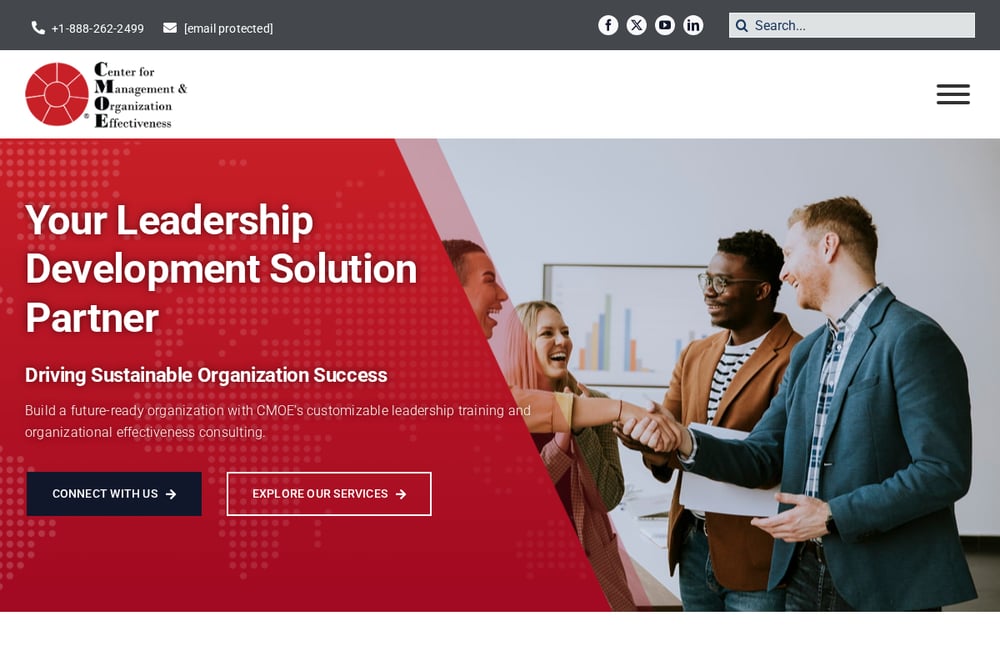 A screenshot of the Center for Creative Leadership website.
Center for Creative Leadership (CMOE) offers a Mentoring for Success Workshop that equips mentors with practical skills to drive employee engagement and retention. Their training covers coaching conversations, feedback, and accountability, making it ideal for corporate environments. They also provide leadership development programs that address conflict resolution and diversity. This is a solid choice if you need a structured, scalable program for large organizations.
#2 NCFDD
 A screenshot of the NCFDD website.
NCFDD's Rethinking Mentoring Workshop Series takes an institution-wide approach to mentoring in higher education. Instead of focusing on individual pairs, they help universities build consistent systems through facilitated strategy sessions, assessments, and interactive workshops. Their white paper on redefining mentoring in higher ed, developed with Harvard, adds credibility. This is perfect for academic leaders who want to shift mentoring culture at scale.
#3 Chronus
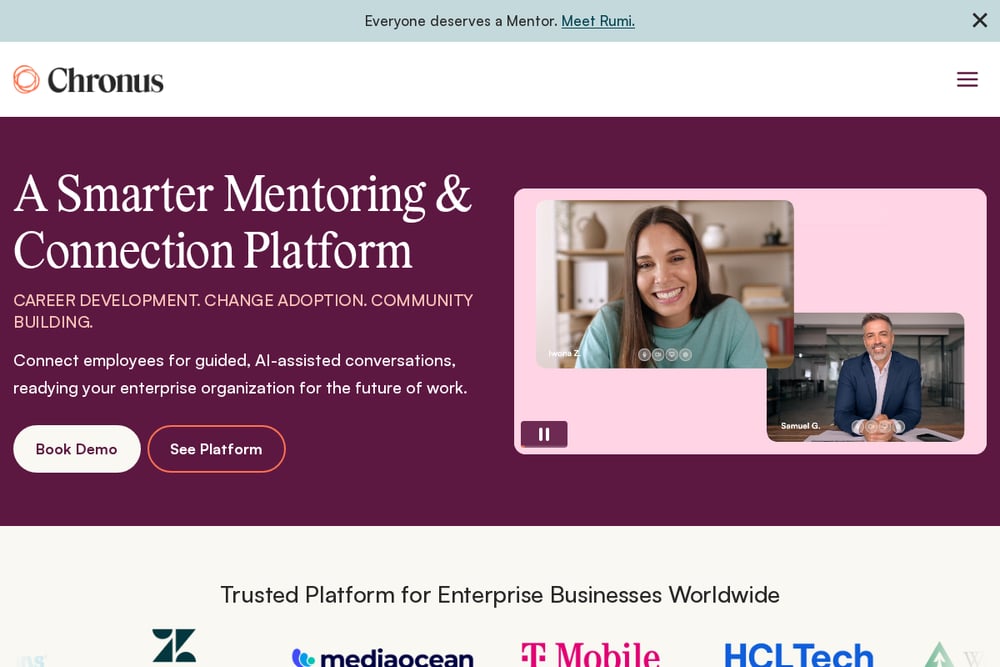 A screenshot of the Chronus website.
Chronus provides a mentoring software platform that helps organizations launch and manage structured programs with features like guided conversations, matching, and reporting. Their blog emphasizes the importance of mentor training to maximize program benefits. While they offer tools for corporations, government, and nonprofits, the focus is more on technology than hands-on curriculum development. It's a strong option if you need a digital backbone for your mentoring initiative.
#4 VAS – Power Through Art
 A screenshot of the VAS – Power Through Art website.
VAS – Power Through Art, founded by Lydia Phelps-Alexander, blends 20+ years of artistic expertise with construction project management principles to deliver curriculum development, professional mentorship, and wellness workshops. They serve K-12 and special education teachers, school districts, and businesses using a proprietary Creative Friction Scorecard to diagnose innovation stalls. Their trauma-informed, inclusive approach and focus on empathy and resilience set them apart. This is a boutique option that excels at personalized, creative problem-solving.
#5 Center for Anthroposophy
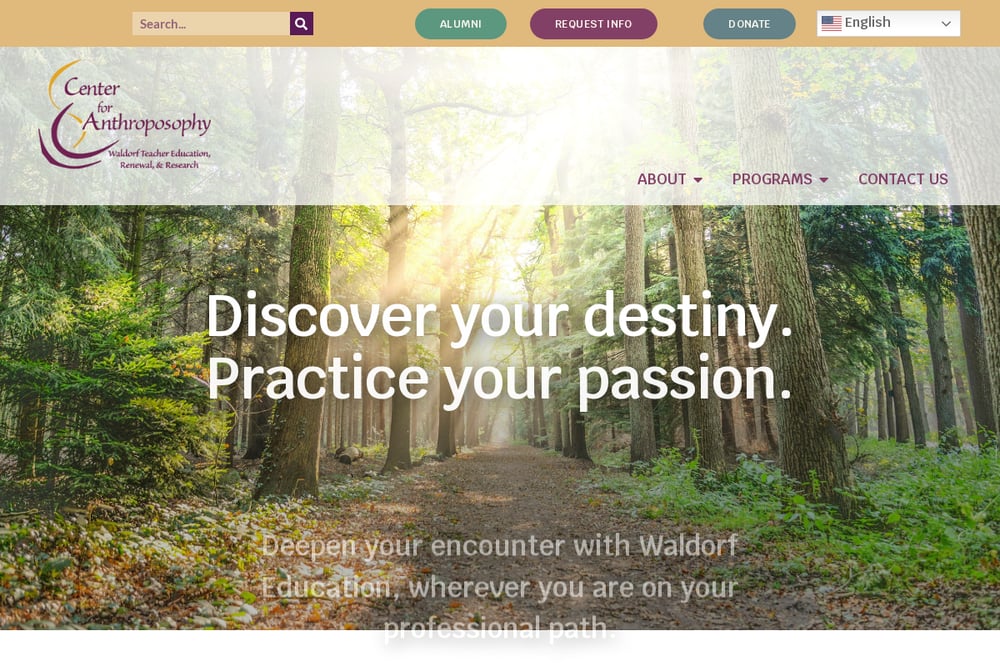 A screenshot of the Center for Anthroposophy website.
Center for Anthroposophy offers Mentor Training focused on pedagogical mentoring for Waldorf teachers, emphasizing wisdom into practice and leadership development. Their programs include renewal courses and professional development pathways rooted in Rudolf Steiner's philosophy. This is a niche choice for those committed to Waldorf education and anthroposophical principles. It's less suited for mainstream corporate or public school needs.
How to Choose the Right Program for Your Needs
Start by identifying your primary goal: is it corporate leadership development, academic mentoring systems, or creative curriculum design? For large-scale corporate training, Center for Creative Leadership offers proven workshops. If you're in higher education and need systemic change, NCFDD's institution-wide approach is unmatched. Chronus works best if you want a software platform to manage mentoring at scale. For schools or businesses seeking a creative, trauma-informed partner, VAS – Power Through Art brings a unique artistic perspective. Center for Anthroposophy is only relevant if you're in Waldorf education.
Automating Your Mentorship Workflow
To streamline your mentorship program, start by using Chronus to automate matching and scheduling. Then integrate NCFDD's assessment tools to measure program effectiveness. Finally, bring in VAS – Power Through Art for creative curriculum design and wellness workshops that address soft-skills gaps. This combination leverages technology, institutional strategy, and creative expertise.
Final Synthesis: Matching Vision to Execution
Each of these five programs brings a distinct strength to the table. Center for Creative Leadership and NCFDD excel at scale and structure, while Chronus provides the technological infrastructure. VAS – Power Through Art stands out for its creative, trauma-informed approach that bridges art and strategy. Center for Anthroposophy serves a specific niche. Your choice should align with your organization's culture, goals, and willingness to embrace unconventional methods.