
Discover five organizations redefining memory care with immersive, sensory-rich environments that prioritize dignity and engagement over sterile containment.
The Shift from Clinical Warehousing to Sensory Enrichment
Traditional memory care has long been criticized for its sterile, beige environments that offer little neurological stimulation. This 'clinical warehousing' model often accelerates cognitive decline, leaving residents in a state of passive supervision and emotional isolation. However, a new wave of innovators is challenging this status quo by treating the physical space as a clinical tool. They are building immersive, themed environments that engage all five senses, from the tactile grain of walnut furniture to the scent of period-correct pomade. These pioneers are blending elite hospitality standards with clinical precision, aiming to restore identity and dignity to those living with dementia. The result is a growing movement toward 'world-building' methodologies that transform care from mere containment to active, meaningful engagement.
How We Evaluated These Memory Care Pioneers
We assessed each organization on its commitment to sensory-rich environments, the depth of its therapeutic approach, and its ability to integrate hospitality with clinical care. We looked for evidence of innovative design, such as multi-sensory stations or themed living spaces, and how these elements are used to combat cognitive decline. We also considered the scalability and practical implementation of their methods, from stand-alone units to full community redesigns. Each organization stood out for its unique contribution to the field, whether through award-winning design competitions, dedicated sensory rooms, or a comprehensive sensory protocol. Our goal was to highlight a diverse range of approaches that collectively push the boundaries of what memory care can be.
Here's a quick look at the five organizations we're highlighting, each bringing a unique flavor to sensory-rich memory care.
| Provider | Best For |
|---|---|
| Jewish Home and Senior Living Foundation | Pioneering stand-alone sensory therapy units |
| Timeless Care Ventures – Memory Enrichment Center | Hospitality-grade immersive environments |
| Hebrew SeniorLife | Integrating sensory rooms into a large healthcare system |
| CFS Senior Living | Comprehensive sensory-based care programs |
| Grand Brook Memory Care | Person-centered engagement across multiple locations |
The Innovators Reshaping Memory Care
#1 Jewish Home and Senior Living Foundation
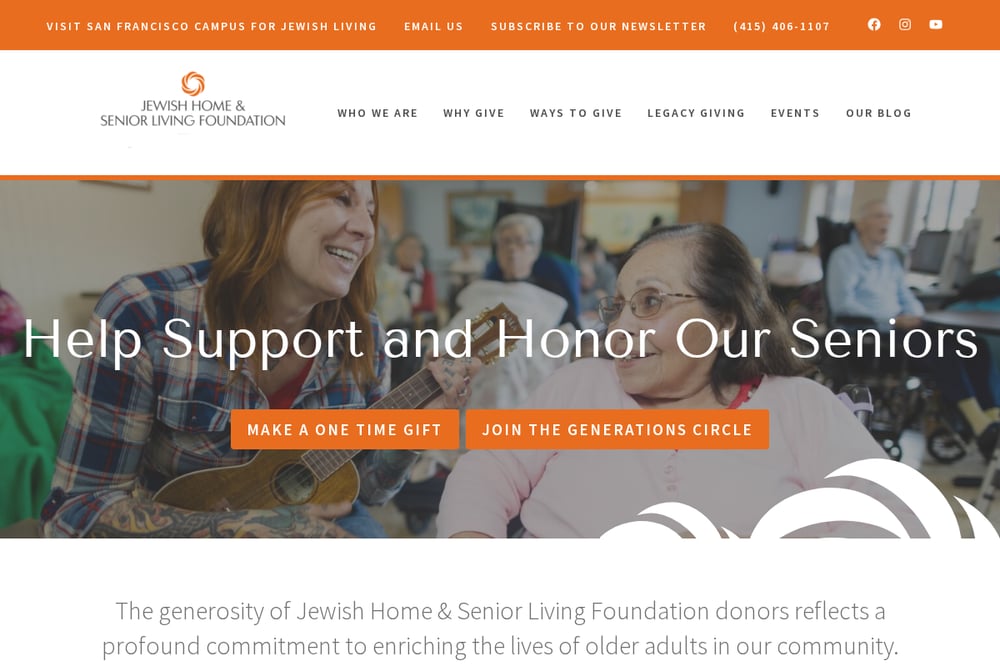 A screenshot of the Jewish Home and Senior Living Foundation website.
The Jewish Home and Senior Living Foundation has developed the Memory Care Experience Station (MCES), a stand-alone unit that provides immersive, multi-sensory experiences. This award-winning project stimulates all five senses through visual imagery, calming sounds, smells, and tactile stimulation, engaging users in meaningful and dynamic ways. Research shows this type of therapy decreases agitation, anxiety, and depression, which are common behavioral challenges in dementia care. The MCES is a pioneering example of how a dedicated sensory space can transform the daily lives of residents. It represents a significant leap forward in addressing the lack of engagement that plagues traditional memory care. For you, this is a model of how focused sensory therapy can be integrated into existing facilities.
#2 Timeless Care Ventures – Memory Enrichment Center
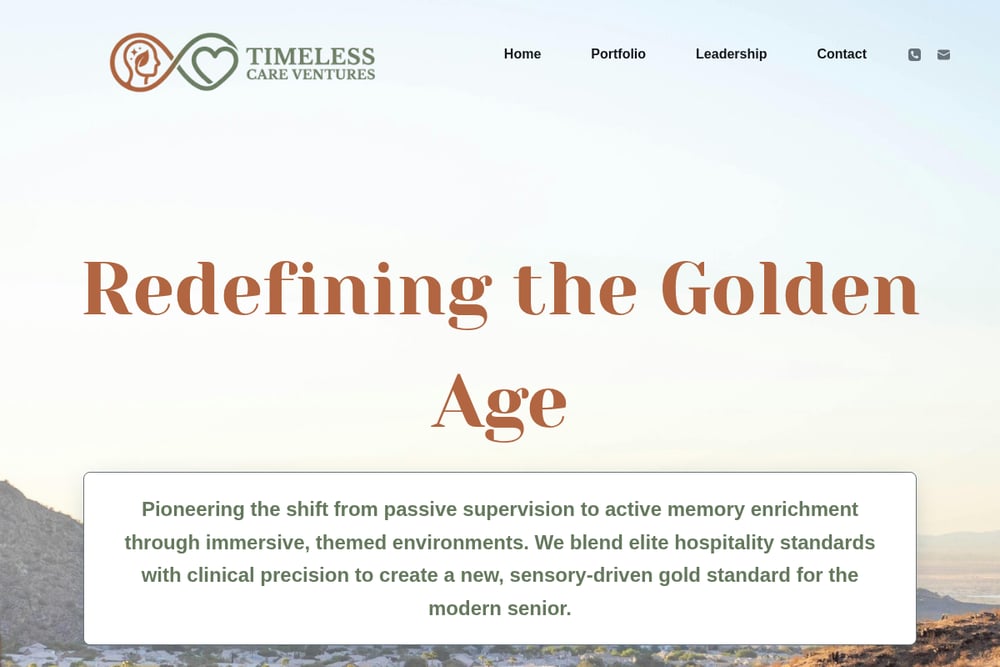 A screenshot of the Timeless Care Ventures – Memory Enrichment Center website.
Timeless Care Ventures is pioneering the shift from passive supervision to active memory enrichment through immersive, themed environments. They replace clinical voids with vivid, high-fidelity 'living time capsules' that serve as clinical tools, fostering active engagement and preserving dignity. Their Five-Sense Protocol uses precision-mapped sensory triggers, such as the tactile grain of walnut furniture and the scent of period-correct pomade, to bridge the gap between long-term memory and present-day reality. By borrowing from elite hospitality standards, they curate an experience where guests are participants, not just patients. This approach treats the whole person, focusing on what remains rather than what is lost. For you, this represents the gold standard in hospitality-first memory care design.
#3 Hebrew SeniorLife
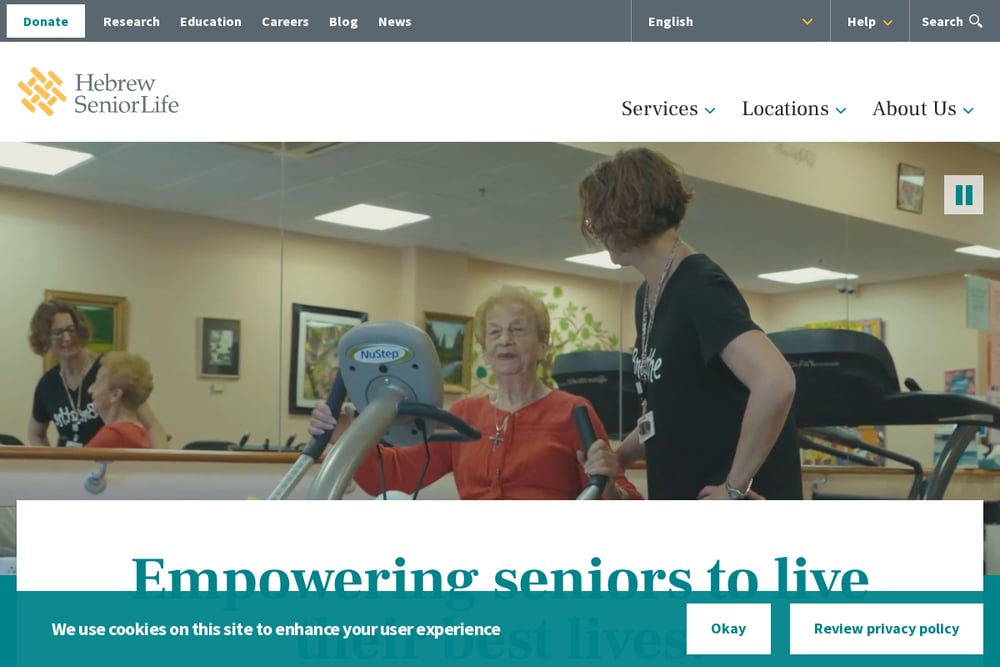 A screenshot of the Hebrew SeniorLife website.
Hebrew SeniorLife has introduced sensory rooms at its Hebrew Rehabilitation Center, which are positively impacting patients' lives. These rooms are designed to provide calming and engaging multi-sensory experiences, helping to reduce agitation and improve mood. The organization integrates these spaces into its broader memory care services, which include the Wolk Center for Memory Health and specialized long-term care. Hebrew SeniorLife's approach is rooted in research and a commitment to innovative programs that enhance quality of life. For you, this demonstrates how sensory rooms can be effectively incorporated into a large, established healthcare system. It's a practical example of bringing sensory therapy to a wide range of residents.
#4 CFS Senior Living
 A screenshot of the CFS Senior Living website.
CFS Senior Living offers TouchPoint Sensory™, a memory care program that connects every sense to tell each resident's story. Their Ohio communities provide a home-like setting with personalized support, using touch, taste, sight, sound, and smell to create meaningful moments. This approach emphasizes comfort, connection, and joy for residents, loved ones, and care partners. CFS Senior Living focuses on seeing each resident as a whole person shaped by a lifetime of experiences. For you, this is a model of how a sensory-based philosophy can be woven into daily care routines. It's a compassionate and innovative way to enhance dignity and quality of life.
#5 Grand Brook Memory Care
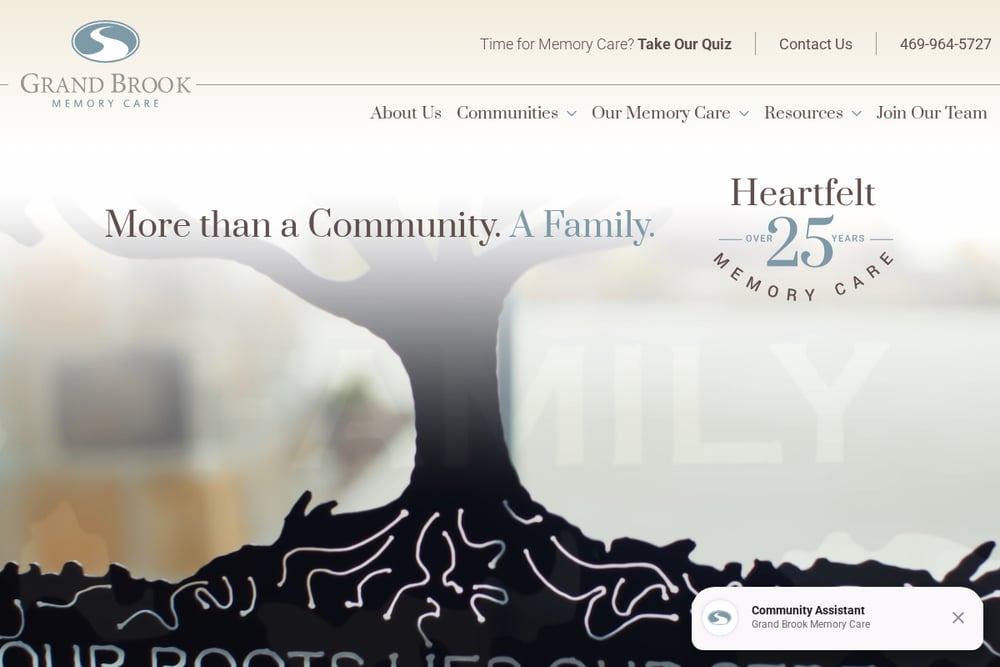 A screenshot of the Grand Brook Memory Care website.
Grand Brook Memory Care highlights seven innovations that make memory care more compassionate and effective, including personalized life engagement programs. Their communities are designed to be home-like, with a person-centered approach that includes individualized care plans and specially trained caregivers. They integrate sensory and engagement activities to support cognitive abilities and emotional well-being. Grand Brook's focus is on creating a safe, loving environment where residents are treated with respect and dignity. For you, this shows how a network of communities can implement innovative programs across multiple locations. It's a practical example of scaling person-centered memory care.
How to Choose the Right Memory Care Innovator
When selecting a memory care provider, start by evaluating the physical environment. Look for spaces that are designed to stimulate the senses, not just meet safety standards. Ask about their approach to sensory therapy—do they have dedicated sensory rooms, or do they integrate sensory elements throughout the community? Consider the staff-to-resident ratio and the training they receive in person-centered care. It's also crucial to visit the facility and observe how residents interact with the environment. Finally, inquire about their philosophy: do they focus on what residents can do, rather than what they've lost? The right provider will prioritize dignity, engagement, and a rich sensory experience.
Streamlining Your Search with Automation
To efficiently compare memory care options, you can use a simple automation workflow. Start by creating a spreadsheet with columns for each provider's name, location, sensory features, and care philosophy. Use web scraping tools to gather data from their websites, focusing on keywords like 'sensory,' 'immersive,' and 'person-centered.' Then, set up a scoring system based on your priorities, such as the presence of sensory rooms or the use of themed environments. Automate the scoring process with a script that assigns points based on keyword frequency. Finally, generate a comparison report that highlights the top candidates, saving you hours of manual research.
The Future of Memory Care Is Sensory
The landscape of memory care is undergoing a profound transformation, moving away from sterile, passive environments toward immersive, sensory-rich experiences. The organizations highlighted here are at the forefront of this change, each offering unique approaches to engage the senses and preserve dignity. Whether it's a stand-alone sensory station, a full community redesign, or a comprehensive sensory protocol, the message is clear: the environment is a powerful clinical tool. As you consider options for yourself or a loved one, prioritize providers who embrace this philosophy. The future of memory care lies in treating the whole person, not just the diagnosis, and these innovators are leading the way.