
Medical coding is the backbone of healthcare revenue, but manual coding is slow, error-prone, and expensive. These five platforms are changing that with AI-powered APIs that let you build coding, transcription, and documentation straight into your apps.
The Shift to API-First Medical Coding
Healthcare developers are moving away from monolithic EHR modules and toward composable, API-first solutions. Medical coding APIs let you embed ICD-10 and CPT code suggestions directly into your workflow, reducing denials and speeding up claims. The market is crowded, but the leaders stand out by offering clinical-grade accuracy, HIPAA compliance, and developer-friendly documentation. Whether you're a startup building a niche tool or an enterprise modernizing your revenue cycle, the right API can save you months of development time and thousands in compliance costs.
How We Evaluated These Platforms
We looked at each platform's core API capabilities, ease of integration, and the breadth of services beyond just coding. We also considered pricing transparency, documentation quality, and how well each solution fits different developer needs—from solo builders to large health systems. Each platform was assessed on its own merits, not against each other, to highlight what makes each one unique.
Here's a quick snapshot of the five platforms, their best use cases, and what you can expect from each.
| Provider | Best For |
|---|---|
| CureMD AI Medical Coding | Clinics wanting an all-in-one EHR with built-in AI coding |
| AI Platform for Healthcare Developers | Corti | Developers building custom healthcare AI applications |
| TruBridge Medical Coding API | Established healthcare software vendors adding coding to their products |
| RAAPID Clinical AI APIs | Health plans and providers focused on risk adjustment coding |
| Hathr.AI Medical Coding Software | Practices looking to automate coding and reduce backlogs |
The Deep Dive: 5 Medical Coding APIs Worth Knowing
#1 CureMD AI Medical Coding
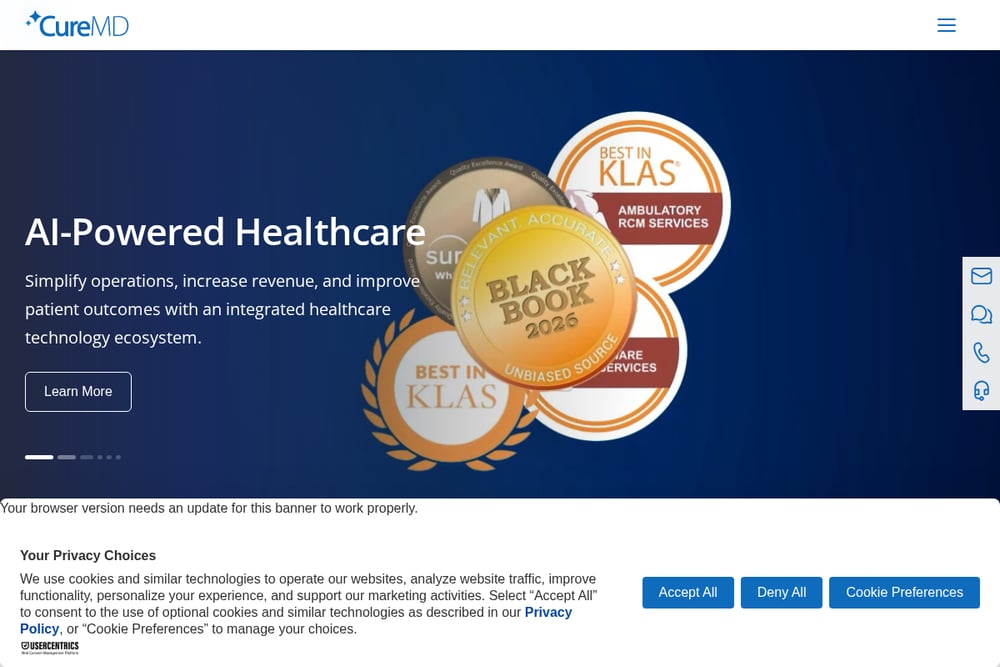 A screenshot of the CureMD AI Medical Coding website.
CureMD's AI Coder provides real-time ICD-10 and CPT code suggestions directly within its unified healthcare platform. It's built for clinics that want to streamline documentation, coding, and billing without juggling multiple vendors. The AI learns from your practice's patterns, improving accuracy over time. You get a complete EHR and practice management suite alongside the coding API, making it a one-stop shop. If you're a clinic looking to reduce revenue leakage, this is a solid choice. The platform also includes AI scribe and contact center features, so you can automate the entire patient journey.
#2 AI Platform for Healthcare Developers | Corti
 A screenshot of the AI Platform for Healthcare Developers | Corti website.
Corti is the AI platform for healthcare developers, offering a suite of clinical-grade APIs for speech-to-text, medical coding, and text generation. You can build production-grade AI applications without the infrastructure burden, thanks to HIPAA-ready APIs that handle over a million interactions weekly. The Medical Coding API returns structured predictions with supporting evidence and a full audit trail, making it easy to integrate into your existing systems. Corti also provides an Agentic Framework for building clinical AI agents, plus a library of pre-built agents to speed up development. With $50 in free credits and no card required, it's a low-risk way to start building. If you're a developer who wants to ship fast, Corti is your platform.
#3 TruBridge Medical Coding API
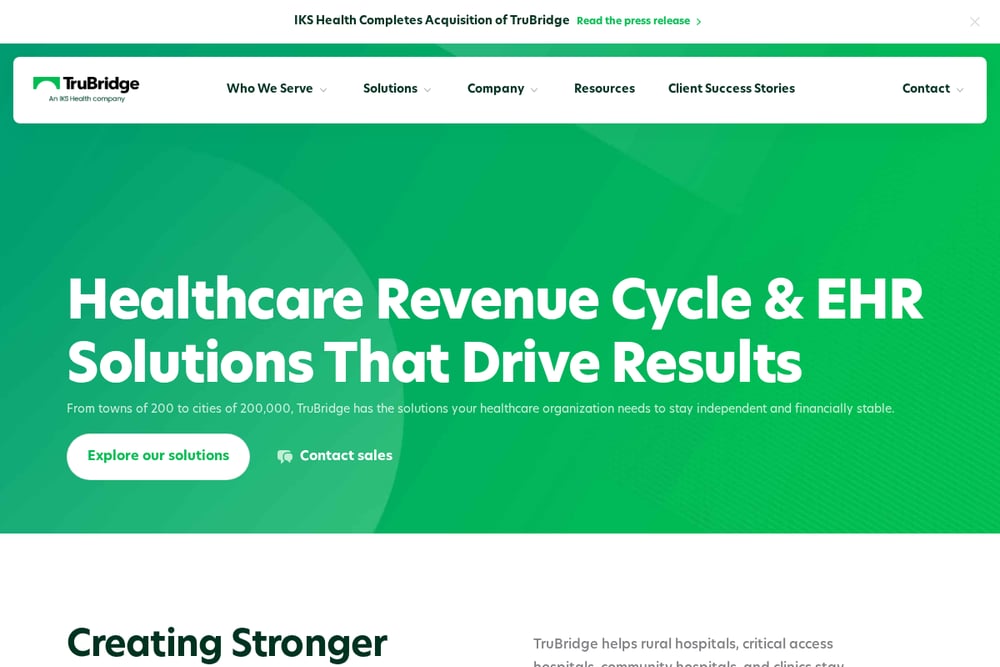 A screenshot of the TruBridge Medical Coding API website.
TruBridge's Medical Coding API gives healthcare applications a faster, more accurate way to handle ICD-10-CM, CPT, and ICD-10-PCS coding. It's designed for seamless integration into your existing systems, so you can add coding intelligence without overhauling your workflow. The API is backed by TruBridge's decades of experience in revenue cycle management, so you know the coding logic is solid. You also get access to their broader suite of RCM services, which can help you optimize your entire billing process. If you're an established healthcare software vendor looking to enhance your product, this API is a reliable choice. The focus is on accuracy and integration, not just raw speed.
#4 RAAPID Clinical AI APIs
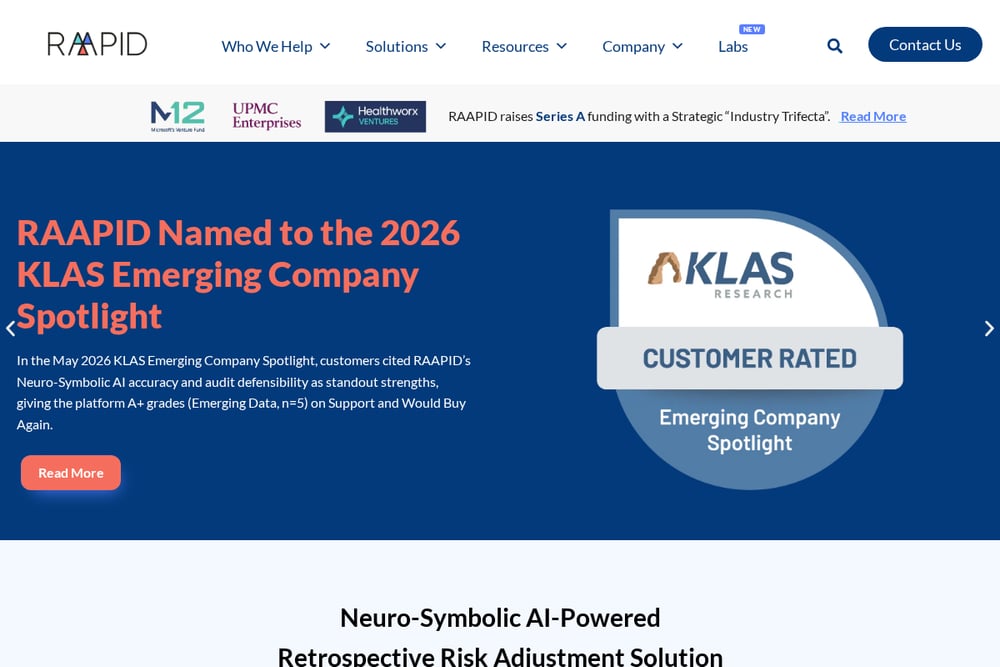 A screenshot of the RAAPID Clinical AI APIs website.
RAAPID's Clinical AI APIs are specialized for risk adjustment coding, helping health plans and providers streamline diagnosis coding and documentation. The APIs are designed to be easily integrated into existing systems, so you can improve your risk adjustment practices without replacing your entire infrastructure. RAAPID focuses on retrospective and prospective risk adjustment, plus RADV audit support, making it a niche but powerful tool. Their AI-as-a-Service model means you get continuous updates and improvements without managing models yourself. If you're working in Medicare Advantage or value-based care, this platform is built for you. The KLAS recognition adds credibility to their claims.
#5 Hathr.AI Medical Coding Software
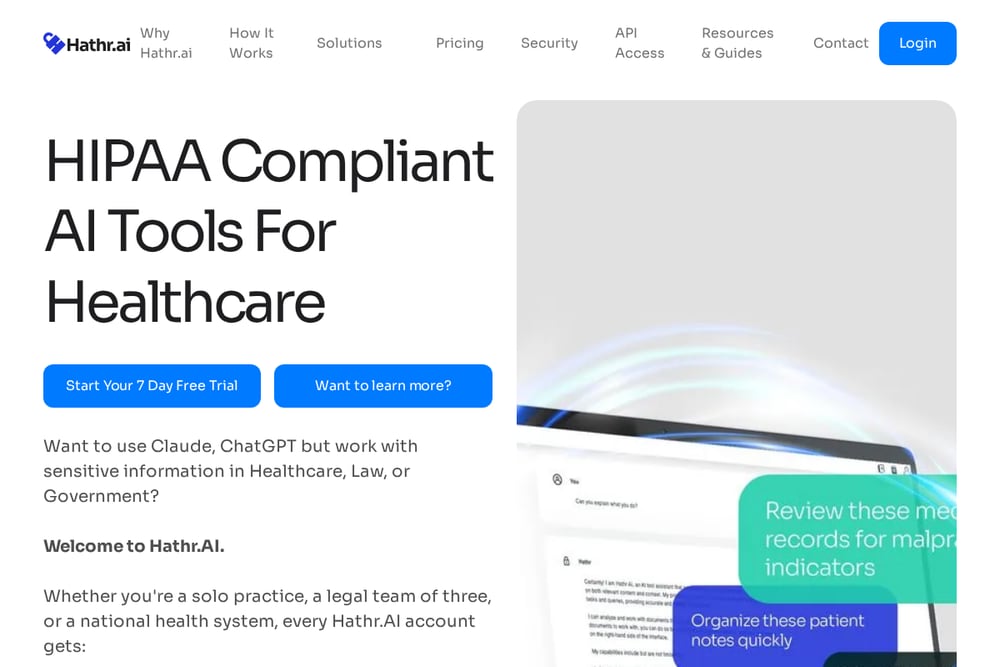 A screenshot of the Hathr.AI Medical Coding Software website.
Hathr.AI offers AI-driven medical coding software that integrates with EHRs like eClinicalWorks to automate coding workflows. Their platform uses NLP and domain-specific models to reduce coding denials and improve first-pass acceptance of claims. A case study showed zero coding errors and $200K in annual savings for a multi-site practice. Hathr.AI is HIPAA-compliant and provides API access for custom integrations. If you're a practice that wants to eliminate coding backlogs without hiring more coders, this is a practical solution. The focus is on enterprise-scale automation, not just single-user tools.
How to Choose the Right Medical Coding API
Start by defining your use case: are you building a new app from scratch, or adding coding to an existing EHR? If you're a developer, Corti's API-first approach and free credits make it easy to prototype. For clinics that want an all-in-one solution, CureMD offers a complete platform. TruBridge is ideal for established vendors needing reliable integration. RAAPID is your go-to for risk adjustment specifics. Hathr.AI shines when you need to automate coding within a specific EHR like eClinicalWorks. Consider your team's technical expertise, your budget, and how much you value out-of-the-box features versus customizability.
Automating Your Coding Workflow
Once you pick an API, the typical workflow is: capture clinical notes via speech-to-text, send them to the coding API, receive structured ICD-10 and CPT codes with evidence, and then push those codes into your billing system. Corti's Agentic Framework can even automate the entire loop, from transcription to documentation generation. With RAAPID, you can automate risk adjustment coding for prospective and retrospective reviews. Hathr.AI automates coding directly within your EHR, so your team doesn't have to switch contexts. The goal is to reduce manual effort, minimize errors, and speed up reimbursement.
The Bottom Line
Medical coding APIs are no longer a nice-to-have—they're essential for staying competitive in healthcare. Each of these five platforms brings something unique to the table, whether it's Corti's developer-friendly APIs, CureMD's all-in-one suite, or RAAPID's risk adjustment focus. The right choice depends on your specific needs, but the trend is clear: AI-powered coding is here to stay. Start small, test with free credits, and scale as you see results. Your revenue cycle will thank you.