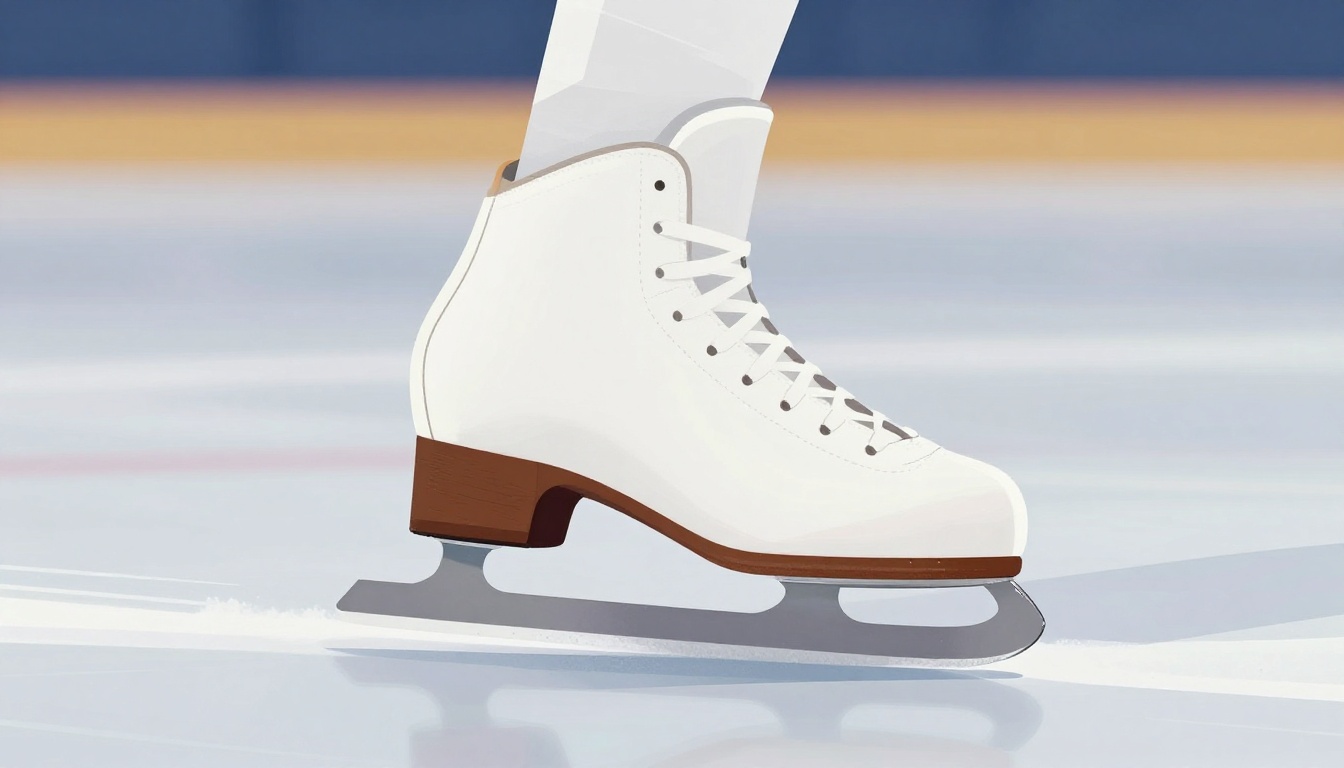
Figure skating is a sport of precision, power, and artistry. For coaches guiding athletes through the rigorous demands of the ice, success requires a delicate balance of technical instruction and psychological support. We recently spoke with Lydia Ann Payne, a Los Angeles-based figure skating coach who works with athletes across all levels—from absolute beginners to competitive development skaters.
In our interview, Lydia shared her insights on building a strong foundation, the unique benefits of ice dance, and the realities of training in the bustling Los Angeles skating scene.
The Foundation Never Changes
Whether a skater is lacing up their boots for the first time or preparing for a major competition, Lydia emphasizes that the core mechanics of the sport remain identical. While her coaching intensity scales with the athlete's goals, the fundamental building blocks are non-negotiable.
"My approach gets more focused with the competitive athletes, however the foundation, the basics (edges, balance, proper alignment), are always the same," Lydia explains. "That never changes."
A common misconception in figure skating is that advanced elements require entirely different techniques. In reality, the mechanics of a single rotation jump are the same as those required for highly advanced quadruple jumps.
"The difference between a single jump, and a double or triple or quad, isn't technique - that should stay consistent, it's flow, reflex timing, and power," she notes.
To develop this power and consistency, competitive skaters must commit to a rigorous schedule. "Learning skating is about muscle memory and balance, so the biggest differences between a beginner and a competitive skater is the amount of time, on and off ice, dedicated to skating," Lydia says. "For someone just starting out, a couple of days a week is sufficient." "As you advance you need to add more time on and off the ice."
"Example: a serious competitive skater should spend a minimum of five consecutive days on the ice per week - and depending on the level, 1 to 4 hours on ice," she adds. This on-ice dedication is paired with extensive off-ice conditioning. "In addition to on ice training, off ice should be a mix of spinner (vestibular and proprioception training), strength training, and flexibility work (usually ballet)." Off-ice proprioception exercises help skaters develop the spatial awareness necessary for complex aerial rotations.
The Perfection of Ice Dance
While freestyle skating often dominates television broadcasts with its gravity-defying jumps, Lydia is a passionate advocate for ice dance. She coaches the discipline alongside freestyle and views it as an essential tool for any skater.
"Ice dance is without a doubt the best way to learn, maintain, and improve your skating skills," she asserts. "It doesn't matter if you're a beginner who's just learning edges, or a competitor doing triples, it teaches edge control, reinforces skating skills, and teaches muscial timing and expression."
Unlike freestyle, which allows for some technical leniency if a jump is landed successfully, ice dance demands absolute exactness. "It's also the only discipline left that is about perfection - from the correct edge or turn at the correct time, to your posture and presentation," Lydia says.
The discipline is rooted in compulsory dances, which are standardized patterns skated to specific musical styles and tempos. "Ice Dance starts with compulsory dances that are set pattern skated to music that is a specific style and tempo," she explains. "The beginning dances are simple edges and turns set, and each level gets progressively harder and more fun." Skaters can compete solo, shadow, or with a partner.
For those looking for a more relaxed environment, Lydia points to local community events. "On the fun side, we are very lucky to have a Thursday Night Dance Session at our rink (Skating Edge Ice Arena), which draws all ages - young kids to adults," she shares. "Compulsory dances are played during the session, and learning/skating them makes it a really fun way to practice your skating skills without it seeming like practice!"
Coaching the Adult Skater
The adult figure skating community is growing rapidly, bringing a new demographic to the rink. However, coaching adults requires a distinctly different psychological approach compared to teaching children.
"Children have little to no fear of falling," Lydia observes. "They expect to fall when learning something new."
Adults, on the other hand, bring a heightened awareness of risk. "Adults are normally terrified of falling and tense up," she says. "They worry about getting hurt (or looking silly)."
To overcome this mental hurdle, Lydia focuses on gradual progression and reassurance. "With Adults it's really one small step at a time," she explains. "You're not only teaching them how to skate but also building their confidence that they can skate without getting hurt."
Because of the fear associated with jumping, many adults naturally gravitate toward ice dance. "A lot of adults do dance - because there's no jumping and it's a great, fun way to practice and refine their basic skating skills," Lydia notes.
Thriving in the Los Angeles Scene
Training in Southern California offers distinct advantages for competitive athletes. The Los Angeles area is home to a dense concentration of facilities and talent, creating a highly active competitive environment.
When asked what makes the LA skating scene unique, Lydia points to "The sheer volume of rinks and skaters."
This density provides athletes with unparalleled access to competitive experience. "It makes it very easy for our competitive skaters to get a lot of competitions under their belts within an hour or two drive," she says. "In the summer there's a competition every week."
For skaters looking to develop their skills, whether they are taking their first tentative steps on the ice or refining their competitive programs, coaches like Lydia provide the essential guidance needed to navigate the demanding sport of figure skating.