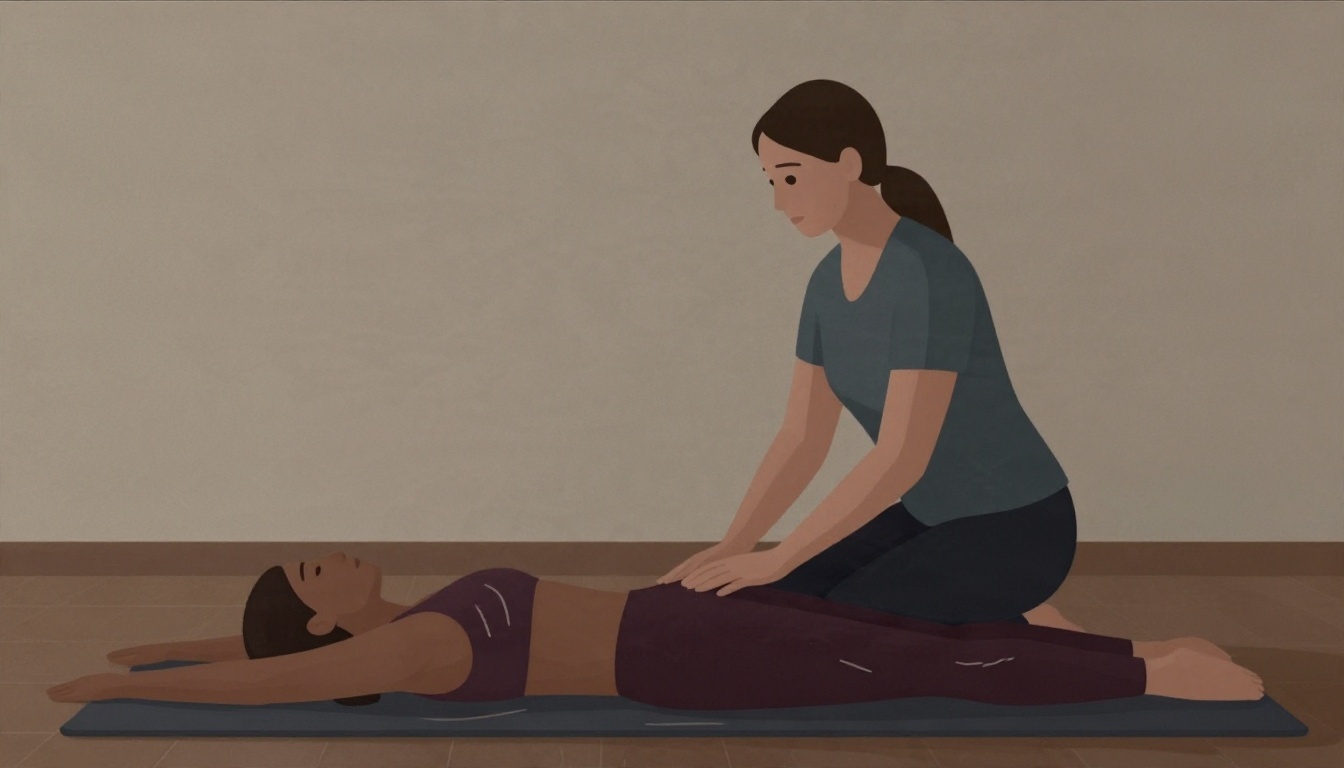
When it comes to lymphatic and recovery care, generic advice can only go so far. Kahabi Derefa, LMT, CMMP, CLT, of Kahabi Lymphatic & Recovery Therapy in Wichita, Kansas, has seen firsthand how standard recommendations often fail to address the reality of individual bodies. In a recent interview, she shared insights from her practice about the gaps in common guidance and what people should consider when navigating swelling after surgery or a lymphedema diagnosis.
When General Advice Doesn't Fit
Derefa described clients who were told their swelling was normal and advised simply to elevate their legs, wear compression, or give it time. Yet they continued to experience swelling, heaviness, and discomfort. She said "every body is different, and what works for one person may not work for another." That's why she emphasizes taking time to understand each client's history and individual needs.
This personalized approach is central to her philosophy. Rather than applying a one-size-fits-all solution, Derefa listens carefully to each client's story to tailor care accordingly.
What Online Information Often Misses
One key takeaway from the interview is that not all swelling is the same. According to Derefa, swelling can be related to lymphedema, lipedema, surgery, or other underlying medical conditions. She stressed that "understanding a client's medical history is essential." While therapists do not diagnose medical conditions, Derefa works closely with clients and, when appropriate, their physicians and other healthcare providers to ensure care is safe and appropriate.
She also highlighted that lymphatic care is more than just massage. "Education, proper compression, movement, and self-care are all important parts of the process," she said. This holistic view is often missing from quick online searches, where people may find only partial answers.
Common Missteps After Surgery
When asked what people usually decide too quickly or in the wrong order after surgery, Derefa pointed out that many simply don't know what to do next. Recovery happens in stages, and each stage requires appropriate care, education, and follow-up. Without sufficient guidance, people may purchase compression garments without knowing whether they're right for their condition. Not all compression garments provide medical-grade compression, and even medical-grade garments need to be properly selected and fitted.
Derefa believes education makes a big difference. Clients need to understand what their bodies need at each stage of healing rather than feeling like they have to figure everything out on their own.
A Patient-Centered Approach
At Kahabi Lymphatic & Recovery Therapy, Derefa's approach is simple: "I listen, take time to understand each client's needs, and provide individualized care and education while working alongside their healthcare providers when needed." This collaborative model ensures that clients receive coordinated support that addresses their unique circumstances.
For those navigating lymphedema or post-surgery recovery in Wichita, the interview underscores the importance of seeking personalized care and education rather than relying solely on generic advice. As Derefa's experience shows, understanding the "why" behind swelling and the "how" of proper care can make a meaningful difference in the recovery journey.
To learn more about Kahabi Lymphatic & Recovery Therapy, visit their website. For additional context on lymphatic health, resources such as the National Lymphedema Network and the Lymphatic Education & Research Network offer further information.