
As humanity pushes back to the Moon, the software that keeps spacecraft alive and on course is becoming as critical as the hardware itself. Here are five platforms that are redefining how we operate beyond Earth's gravity.
The New Space Race Is a Software Race
The lunar economy is no longer just about rockets and landers; it's about the intelligence that guides them. With communication delays and the harsh realities of deep space, mission operators are turning to autonomous systems that can make decisions without waiting for Earth. This shift is driving a wave of innovation in mission planning, onboard health management, and AI-assisted operations. The companies below are at the forefront, each offering a unique slice of the software stack that will take us back to the Moon and beyond.
How We Evaluated These Platforms
To bring you this roundup, we looked at each platform's service scope, from mission planning to onboard autonomy. We considered how clearly they communicate their pricing and commercial models, and how well they fit the needs of modern lunar missions. We also weighed their technological maturity and the depth of their feature sets, from simulation to real-time operations. Each platform stood out for different reasons, and we've highlighted what makes each one worth your attention.
Here's a quick look at the five platforms we're featuring, with their primary focus and what they're best for.
| Provider | Best For |
|---|---|
| Mission Control | End-to-end mission control for robotic and payload missions |
| Exploration, Beyond Gravity | Autonomous mission operations and onboard health intelligence |
| Sidus Space | Full-service mission operations with 24/7 support |
| Open MCT | Customizable, open-source telemetry visualization |
| Terma | Mission planning and scheduling for complex operations |
The Platforms, Explored
#1 Mission Control
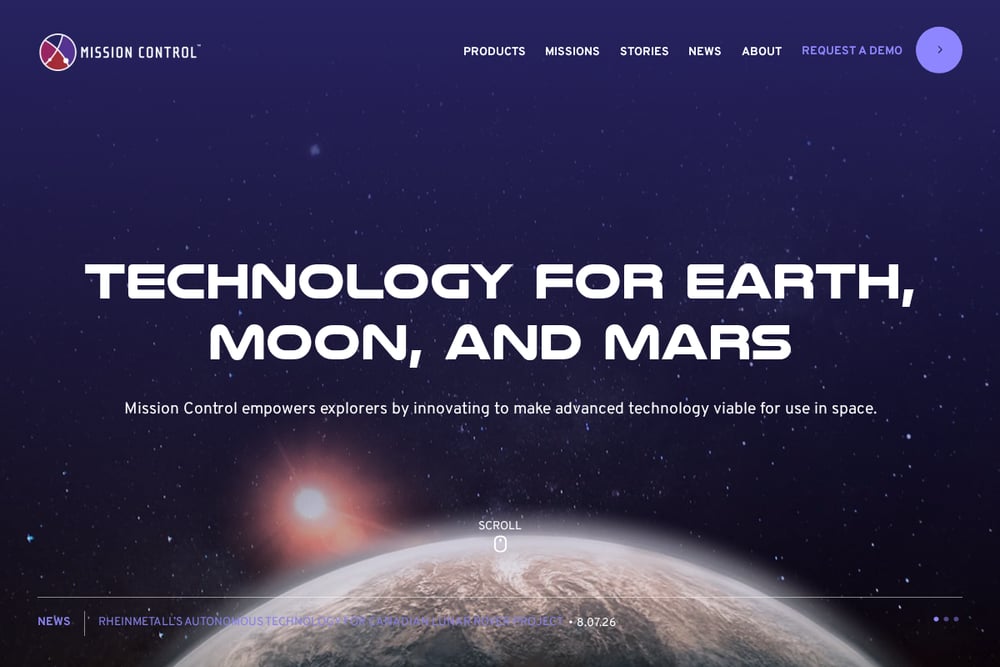 A screenshot of the Mission Control website.
Mission Control offers a comprehensive suite for remote operations, with its Spacefarer platform enabling distributed teams to control robots and payloads on the Moon and Mars. The platform is designed to streamline mission operations, and its Spacefarer AI module focuses on deploying and trusting AI in spaceflight. They've already delivered lunar radios for a commercial rover mission, showing real-world hardware integration. If you're looking for a proven partner to handle end-to-end mission control, this is a strong contender.
#2 Exploration, Beyond Gravity
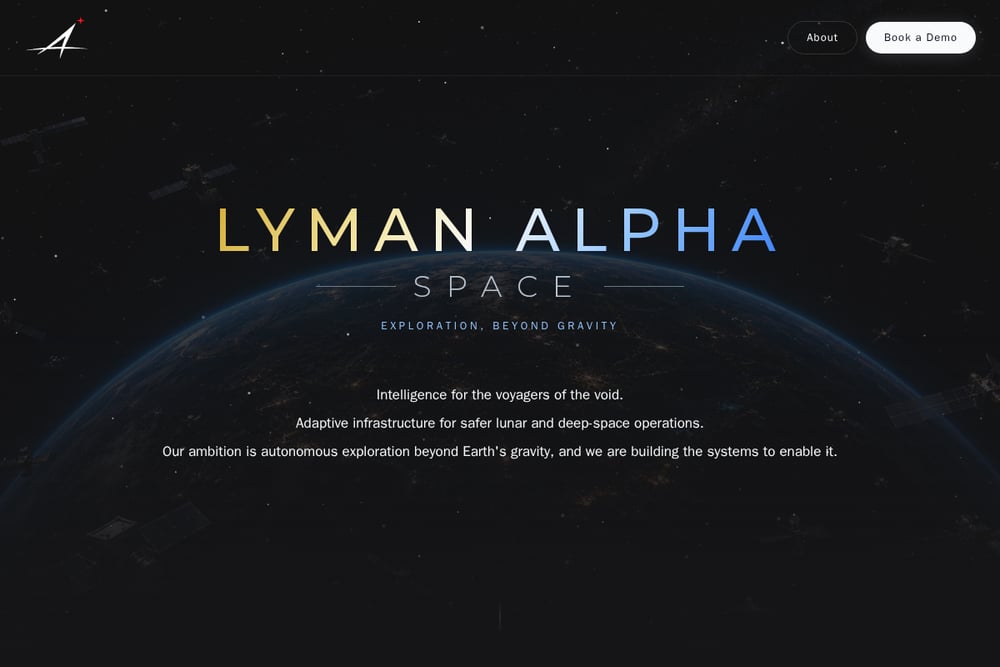 A screenshot of the Exploration, Beyond Gravity website.
LYMAN AI, operating as Exploration, Beyond Gravity, is building adaptive infrastructure for lunar and deep-space operations, with a clear focus on autonomy. Their ORBITERRA platform integrates simulation, mission control, and AI-assisted decision support, allowing one operator to manage spacecraft, landers, and rovers. NEUROLIX, their onboard intelligence, acts as a health-aware brain that reasons across system limits to diagnose faults and support recovery. This is a forward-looking platform for missions that need to operate beyond reliable ground control.
#3 Sidus Space
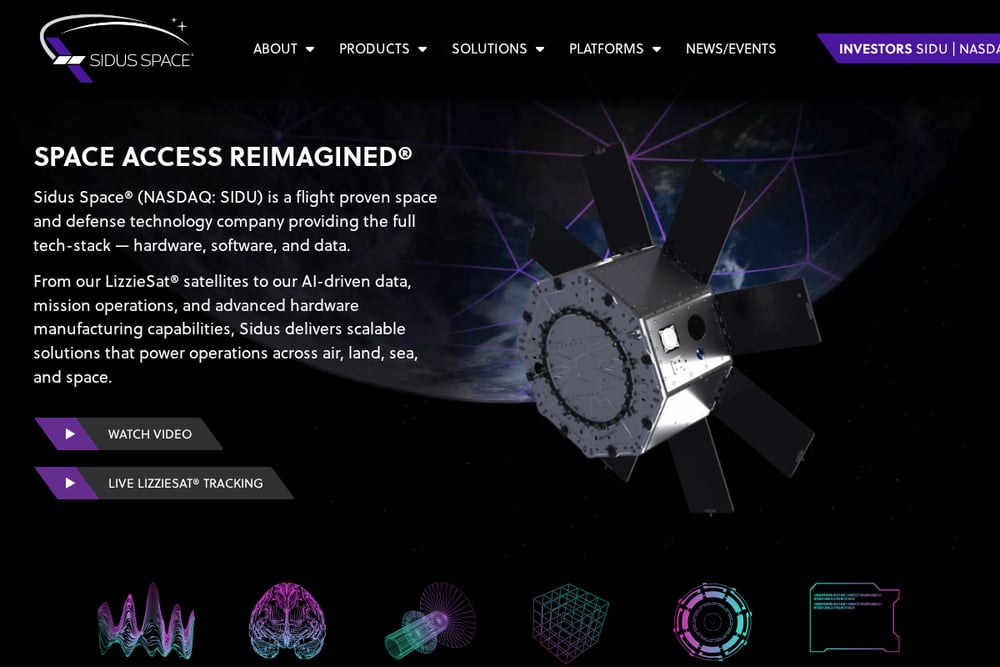 A screenshot of the Sidus Space website.
Sidus Space delivers end-to-end mission operations, from mission design and planning to 24/7 real-time execution. They have experience supporting NASA, DoD, and commercial programs, which speaks to their reliability and security. Their software suite includes automated command sequences, spacecraft monitoring tools, and anomaly resolution, all backed by a dedicated operations team. If you need a partner that can handle both nominal and off-nominal events, Sidus has the infrastructure in place.
#4 Open MCT
Open MCT is NASA's open-source mission operations data visualization framework, used at JPL and Ames for lunar rover concepts. It's web-based and adaptable to any system that produces telemetry, making it a flexible foundation for your own mission control tools. You can display streaming data, imagery, timelines, and procedures all in one place, and it's free to use and modify. This is a great starting point if you want to build a custom operations dashboard without licensing costs.
#5 Terma
 A screenshot of the Terma website.
Terma's PLAN software is a mission planning tool that helps you schedule and optimize spacecraft operations. It's part of a broader suite of space products from a company with decades of experience in aerospace. The software is designed to handle complex planning scenarios, ensuring that your mission timeline is efficient and conflict-free. If you're looking for a robust, enterprise-grade planning solution, Terma is a solid choice.
How to Choose the Right Platform for Your Mission
Start by defining your mission's autonomy needs. If you're operating in cislunar space where communication delays are manageable, a platform like Mission Control or Sidus Space might be sufficient. For deep-space missions where real-time control is impossible, you'll want something like Exploration, Beyond Gravity that emphasizes onboard intelligence. Consider your team's technical expertise—Open MCT is great if you have developers who can customize it, while Terma offers a more out-of-the-box planning solution. Finally, think about your budget and whether you prefer a subscription model or a one-time license.
Automating the Path to the Moon
The future of lunar operations is autonomous. Imagine a workflow where your mission planning software automatically generates a timeline, which is then fed into a simulation environment for validation. Once validated, the plan is uploaded to the spacecraft, where onboard AI continuously monitors health and adjusts operations in real-time. If an anomaly occurs, the system diagnoses the issue, assesses what the mission can still accomplish, and executes a recovery plan—all without waiting for Earth. This is the vision that platforms like Exploration, Beyond Gravity are turning into reality.
The Final Frontier Is Software
The companies in this roundup are building the digital backbone for lunar exploration. Whether you're a startup launching a cubesat or a national space agency planning a crewed mission, the right software platform can mean the difference between success and failure. As we venture further into the solar system, the ability to operate autonomously will become non-negotiable. Choose a platform that not only meets your current needs but also scales with your ambitions. The Moon is just the beginning.