
If you're building a location-based app, you need a partner that gets geolocation right. Here are five companies that are shaping the space in 2026.
The Location-Based App Landscape in 2026
Location-based services have moved from a nice-to-have to a must-have for modern apps. With the global market now worth tens of billions of dollars, businesses are using GPS, geofencing, and real-time data to connect with users in smarter ways. From transit apps to fleet management, the demand for precise, real-time location features is exploding. In 2026, AI is making these apps even more intelligent, predicting user needs before they even ask. But building a great location-based app isn't just about adding a map—it's about creating seamless, personalized experiences that users trust. That's where the right development partner comes in.
How We Evaluated These Companies
We looked at each company's service scope, pricing clarity, and local fit for US-based projects. We also considered their experience with geolocation features, their ability to scale, and how well they communicate their value. Each business brings a different strength to the table, from full-service development to specialized APIs. We focused on what stood out for each, not on who beat whom.
Here's a quick snapshot of the five companies we're covering, from the nimble newcomer to the enterprise powerhouse.
| Provider | Best For |
|---|---|
| HERE Technologies | Enterprise-grade location APIs and data monetization |
| flitcity | Real-time transit route ranking for city commuters |
| Chetu | Custom location-based software development for enterprises |
| Clockwise Software | Custom location-based app development for startups and SMBs |
| Olearis | End-to-end product development for location-based apps |
The Five Companies, Up Close
#1 HERE Technologies
 A screenshot of the HERE Technologies website.
HERE Technologies is a heavyweight in the location data space, offering a comprehensive suite of APIs and tools for building location-aware services. Their platform supports search, routing, geocoding, and offline capabilities, making it a solid choice for developers who need reliable, scalable infrastructure. With 88 million developers in their ecosystem and billions of API calls monthly, they've proven their ability to handle massive loads. They emphasize privacy-by-design, which is crucial for building user trust. If you're looking to monetize location data or create custom routing solutions, HERE's APIs are a powerful foundation. Their global coverage and offline support make them a go-to for enterprise-grade applications.
#2 flitcity
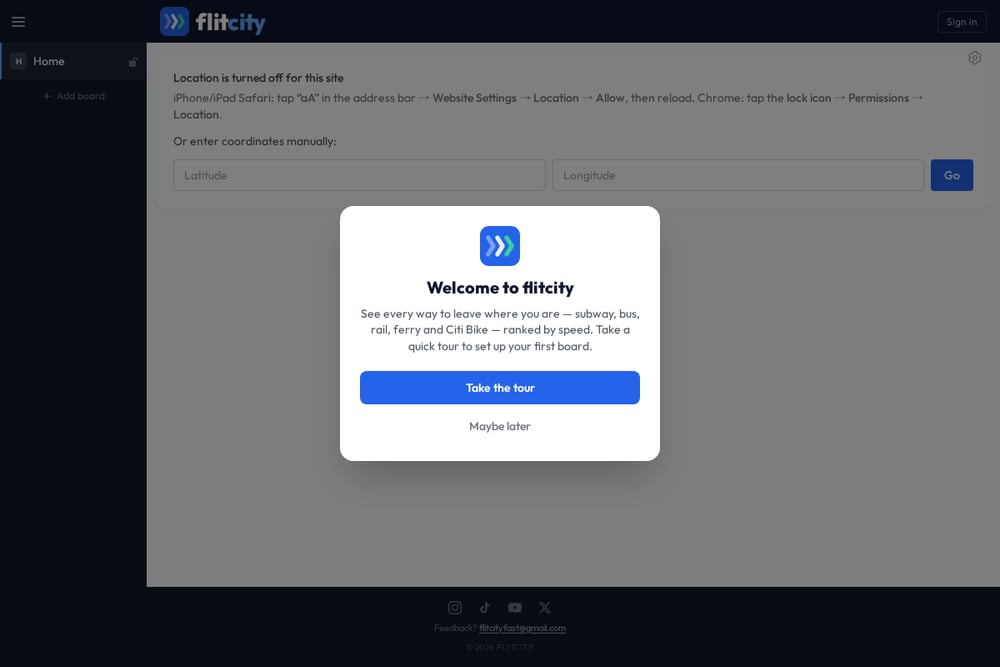 A screenshot of the flitcity website.
flitcity is a mobile app that ranks every way across the city by speed, giving you live subway, bus, rail, and bike arrivals near you. It's a minimalist, early-stage operation that focuses on doing one thing well: getting you from A to B as fast as possible. The app's simple interface and real-time data make it a handy tool for daily commuters. While it's not a development service, it's a prime example of how a location-based app can solve a specific urban problem. If you're looking for a quick, no-frills transit companion, flitcity is worth a download. Just remember to enable location permissions for it to work its magic.
#3 Chetu
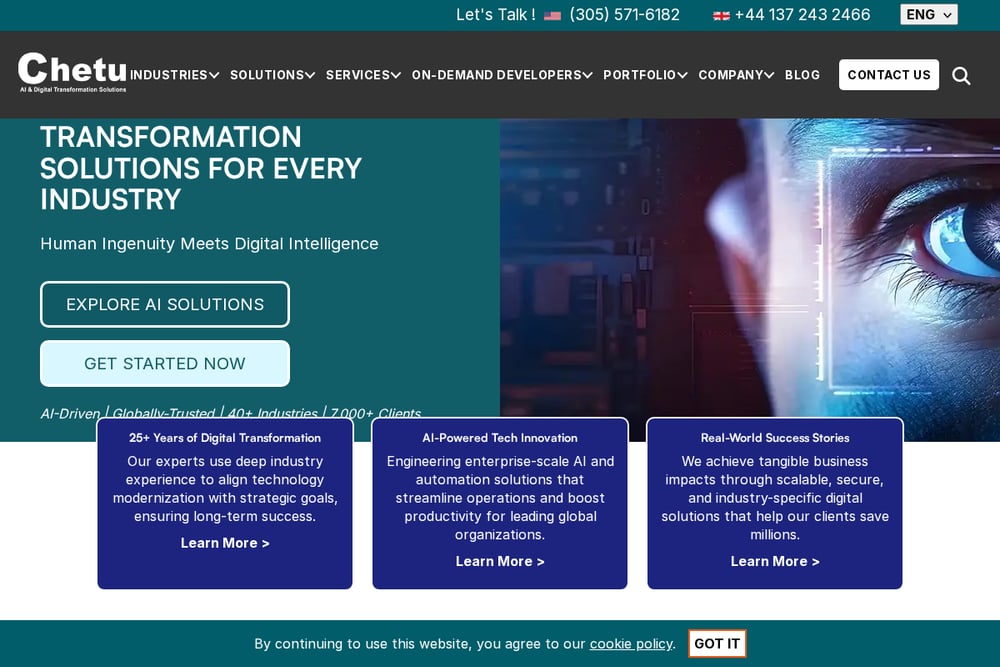 A screenshot of the Chetu website.
Chetu is a full-service custom software development company with a dedicated focus on location-based services. They offer everything from asset tracking and GIS to IoT and mobile app development, making them a one-stop shop for complex projects. Their team of developers can build tailored solutions across industries like transportation, retail, and healthcare. Chetu's strength lies in their ability to integrate location features into larger business systems, such as ERP or CRM platforms. They also provide ongoing support and maintenance, which is critical for long-term success. If you need a custom, enterprise-level location app, Chetu has the resources to deliver.
#4 Clockwise Software
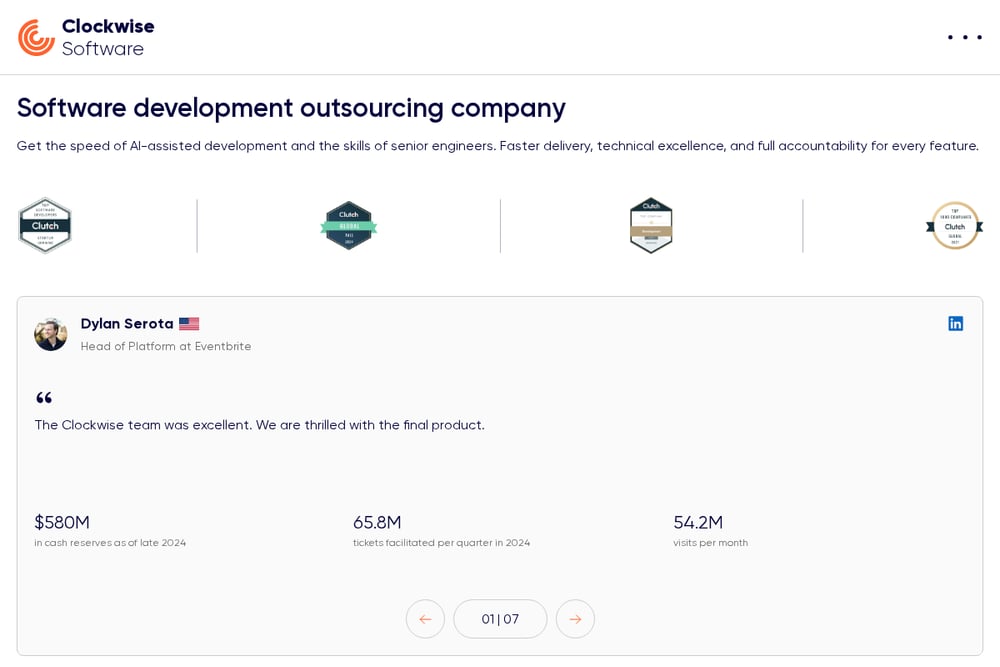 A screenshot of the Clockwise Software website.
Clockwise Software is a development agency that specializes in location-based apps, with over 11 geolocation projects under their belt. They've built apps for geocaching, fleet management, and route planning, showing a strong track record in the niche. Their team focuses on user-centric design and robust engineering, ensuring your app is both intuitive and reliable. They also offer AI-powered solutions, which can add predictive analytics to your location features. Clockwise is a good fit for startups and mid-sized businesses looking for a dedicated development partner. Their experience with GPS and GIS technologies makes them a solid choice for location-heavy projects.
#5 Olearis
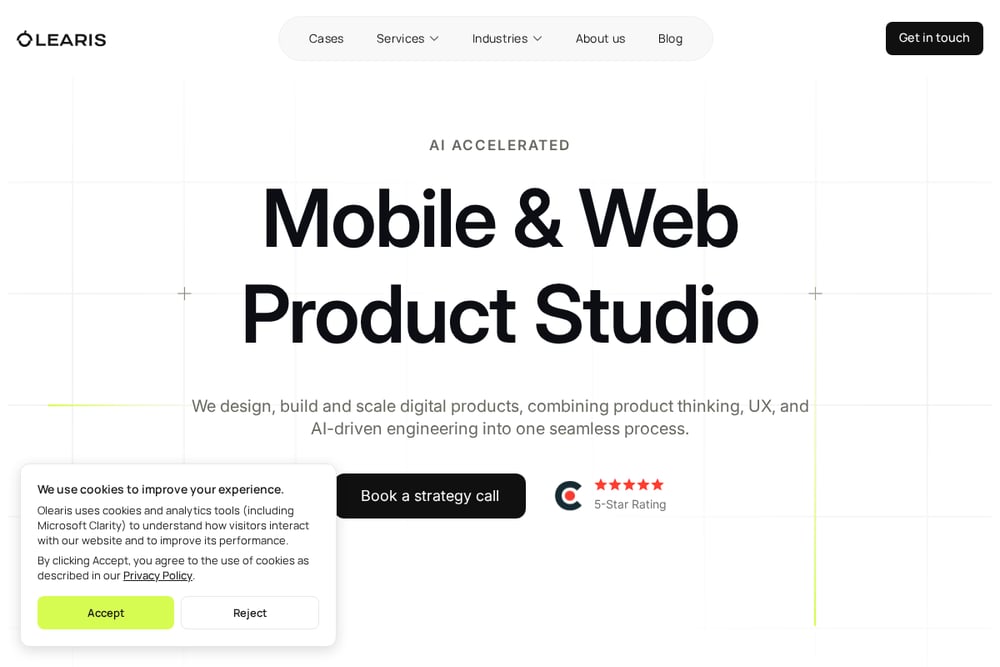 A screenshot of the Olearis website.
Olearis is a product development company that covers the full lifecycle of location-based apps, from ideation to post-launch support. They emphasize UX/UI design and security, which are essential for building trust in location-aware services. Their blog post on location-based app development highlights their expertise in AI-powered geolocation and geofencing. Olearis works across industries like mental health, productivity, and on-demand services, showing versatility. They offer a range of services, including iOS and Android development, backend engineering, and quality assurance. If you're looking for a partner to take your app from concept to launch, Olearis has the end-to-end capabilities.
How to Choose the Right Location-Based App Partner
Start by defining your project's scope—are you building a simple transit app or a complex fleet management system? If you need a ready-made API, HERE Technologies is a strong option. For custom development, Chetu and Clockwise Software offer different levels of scale and specialization. If you're a startup with a tight budget, Clockwise or Olearis might be more agile. Consider your long-term needs: do you need ongoing support, or just a one-time build? Also, think about your target market—if you're focused on a specific city, a nimble app like flitcity might inspire your approach. Finally, check their portfolio and client testimonials to see if they've solved problems like yours.
Automating Location-Based Workflows
Location-based apps can automate a lot of manual tasks. For example, a transit app like flitcity can automatically pull live arrival data and rank routes by speed, saving you from checking multiple schedules. For businesses, geofencing can trigger automated alerts when a user enters a specific area, like a store or a delivery zone. HERE's APIs can automate route optimization, reducing fuel costs and delivery times. Chetu and Clockwise can build custom automation into your app, such as automatic check-ins or location-based notifications. The key is to integrate these features seamlessly so they work in the background, enhancing user experience without adding friction.
The Takeaway
The location-based app space is crowded, but the right partner can make all the difference. Whether you're a commuter looking for a faster route or a business building a custom solution, there's a company here that fits your needs. flitcity shows how a simple, focused app can solve a real problem, while HERE, Chetu, Clockwise, and Olearis offer the technical muscle for larger projects. Take your time, evaluate your options, and choose a partner that aligns with your goals. With the right approach, you can build a location-based app that users will love.