
If you're running Kubernetes in production, you know the difference between a demo and a system that holds up under real traffic. These five consultancies bring hands-on expertise to help you ship and stay there.
The State of Kubernetes Platform Engineering
Kubernetes has become the default operating system for cloud-native applications, but running it in production is a different beast. Teams often struggle with cluster design, multi-tenancy, GitOps delivery, and day-2 operations like upgrades and incident response. The demand for platform engineering expertise has surged as organizations realize that a well-designed internal developer platform can dramatically improve developer velocity and system reliability. Consultants in this space are not just architects; they embed with your team to build, harden, and operate the infrastructure. From AI inference serving to cloud cost optimization, the scope has expanded well beyond basic container orchestration. The best consultants bring a mix of deep technical skill and practical operational experience.
How We Evaluated These Kubernetes Consultants
We looked at each firm's service scope, focusing on whether they cover the full lifecycle from architecture to day-2 operations. Pricing clarity was another factor—how transparent are they about engagement models and costs? We also considered their specialization in AI/LLM workloads, which is increasingly critical for production systems. Local fit mattered too, especially for US-based teams needing on-site or embedded support. Finally, we assessed their approach to GitOps and automation, as these are key to sustainable operations. Each firm brings a unique blend of these factors, and we highlight what stood out for each.
Here's a quick look at the five consultancies, each with its own strengths and focus areas.
| Provider | Best For |
|---|---|
| Platform Engineers | End-to-end platform engineering with a focus on cost efficiency |
| tupevo | Kubernetes, AI & Cloud DevOps Consulting | Hands-on Kubernetes and AI production engineering with a personal touch |
| InfraCloud | Comprehensive platform engineering with open-source expertise |
| Keyhole Software | US-based teams seeking developer-focused platform engineering |
| Bion Consulting | AWS EKS production workloads and security-focused consulting |
The Five Kubernetes Platform Engineering Consultants
#1 Platform Engineers
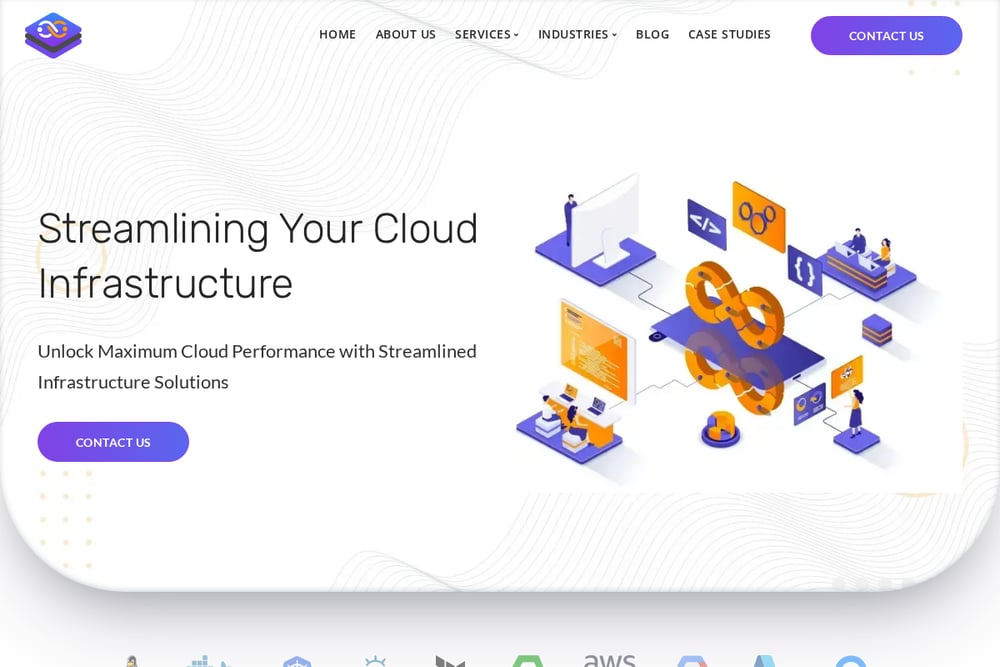 A screenshot of the Platform Engineers website.
Platform Engineers offers a broad range of services, from Kubernetes consulting to CI/CD implementation and infrastructure maintenance. They emphasize a client-centric approach and proactive transparency, which is crucial for long-term partnerships. Their website clearly outlines services like containerization, performance optimization, and cost assessment, making it easy to understand what you're getting. They support multiple cloud providers including AWS, GCP, and Azure, which is a plus for multi-cloud teams. If you're looking for a one-stop shop for platform engineering with a focus on cost efficiency, they're a solid choice. Their assessment-first approach helps identify bottlenecks before you invest in changes.
#2 tupevo | Kubernetes, AI & Cloud DevOps Consulting
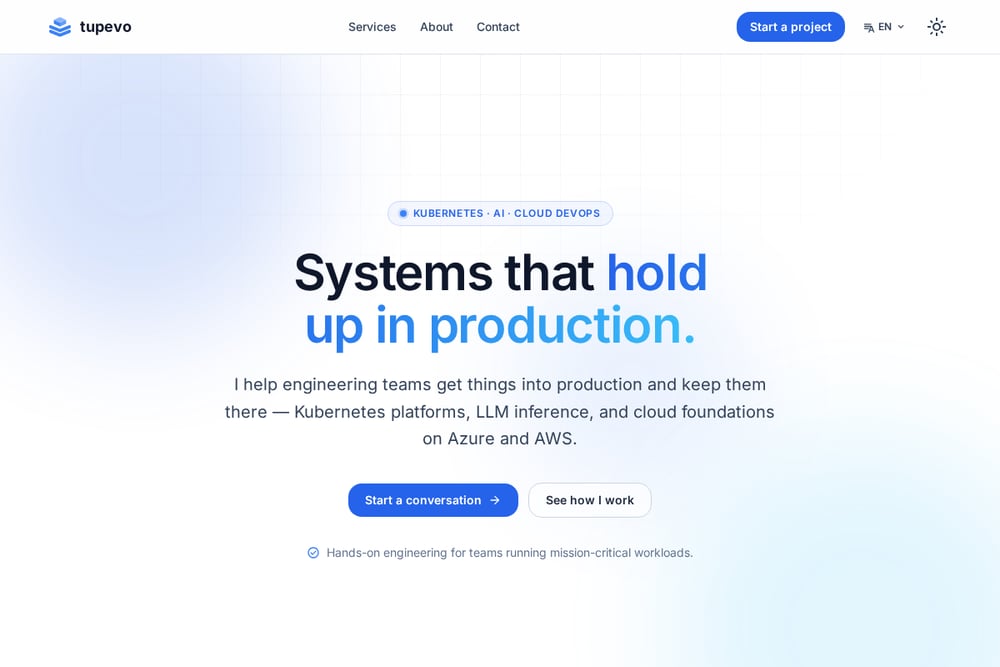 A screenshot of the tupevo website.
Tupevo is an independent consulting firm that brings hands-on, embedded support to your team, from architecture to day-2 operations. Founder Stefan specializes in Kubernetes platform engineering, production LLM inference, and cloud DevOps on Azure and AWS. What sets Tupevo apart is its focus on AI in production—covering vLLM, LiteLLM, Langfuse, and RAG pipelines—which is rare among generalist consultancies. They also emphasize GitOps delivery with Argo CD and Flux, ensuring your pipelines are automated and observable. If you need a consultant who can help you run LLM systems you can trust and afford, Tupevo is a strong fit. Their approach is deeply practical, with a focus on reliability, cost reduction, and uptime.
#3 InfraCloud
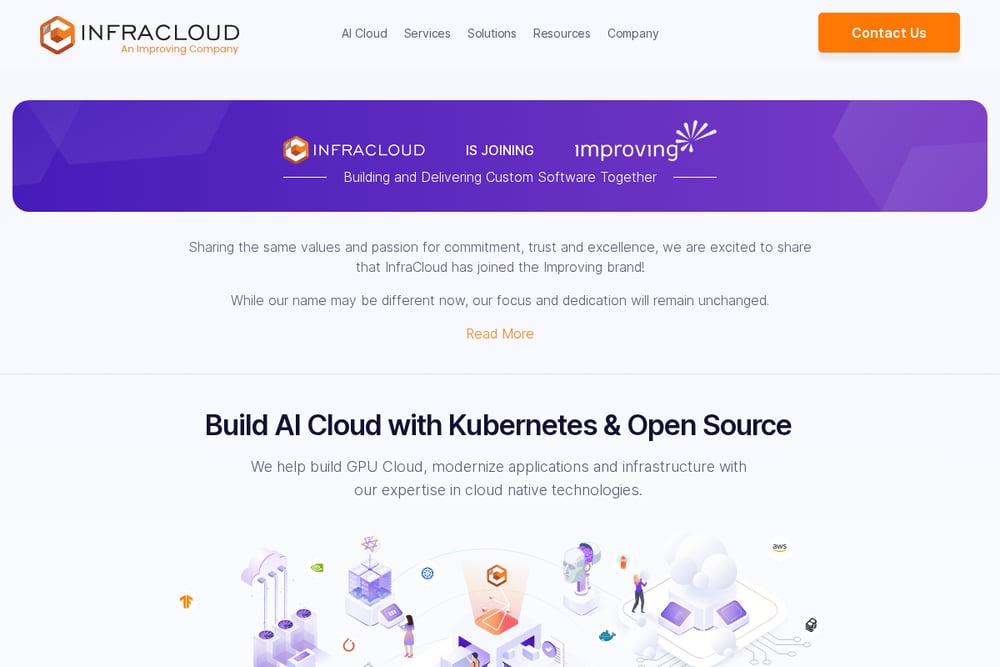 A screenshot of the InfraCloud website.
InfraCloud is a well-established player in the Kubernetes and cloud-native space, offering platform engineering, GitOps consulting, and managed services. They have a strong open-source pedigree, with tools like BotKube and Fission, which shows their deep technical involvement. Their services range from Backstage consulting to progressive delivery, making them a good fit for teams looking to build internal developer platforms. They also offer managed Kubernetes services, which is ideal if you want to offload day-to-day operations. InfraCloud's partnership with Improving expands their global reach and adds 20+ years of digital services experience. If you're looking for a larger team with a broad service catalog, InfraCloud is a reliable choice.
#4 Keyhole Software
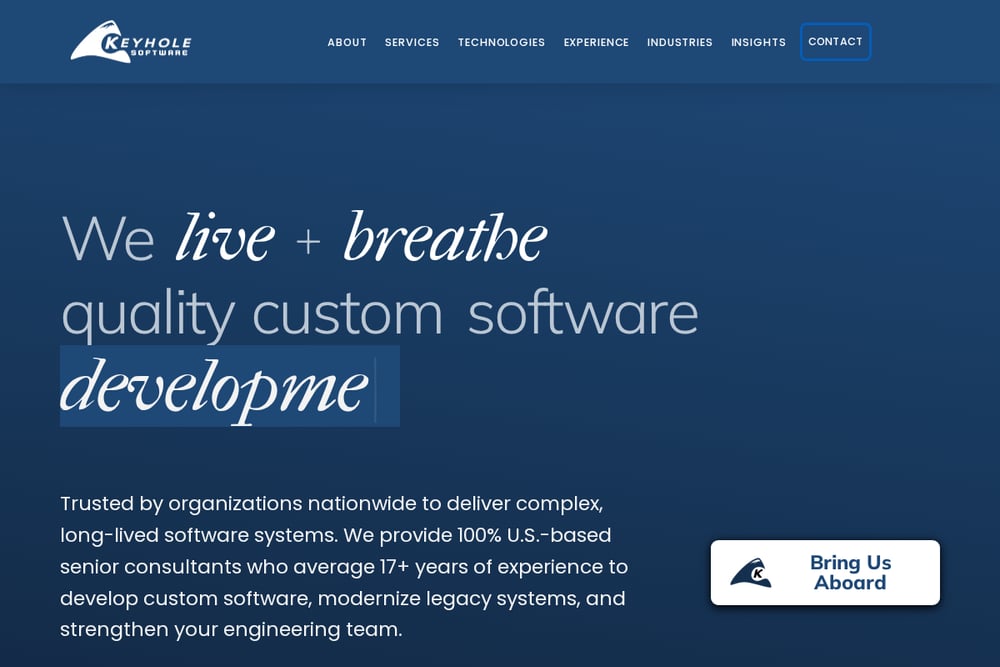 A screenshot of the Keyhole Software website.
Keyhole Software is a US-based consultancy with a strong focus on platform engineering, DevOps, and software architecture. They emphasize building internal developer platforms that empower engineering teams without sacrificing quality or security. Their services include infrastructure-as-code with Terraform and Pulumi, as well as cloud migration and modernization. Keyhole's consultants are 100% US-based, which is a plus for teams that prefer on-site collaboration. They also have deep expertise in AI-accelerated development and agentic AI, making them a good fit for forward-thinking organizations. If you value a consultative approach with a strong emphasis on developer experience, Keyhole is worth considering.
#5 Bion Consulting
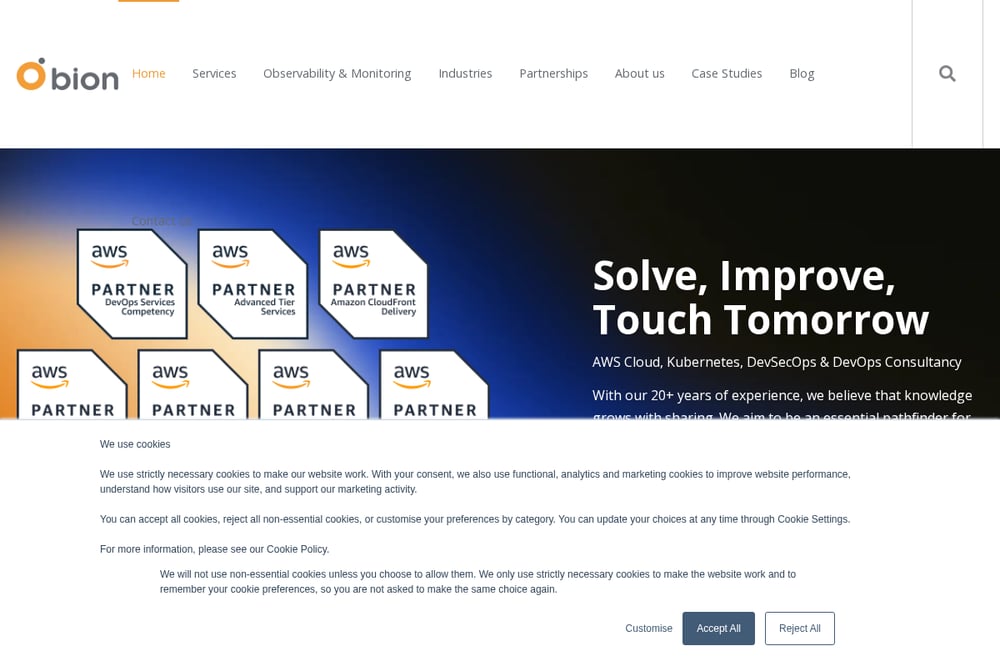 A screenshot of the Bion Consulting website.
Bion Consulting specializes in Kubernetes consulting for production workloads, with a focus on AWS EKS and hybrid environments. They offer a range of services including Kubernetes security, managed services, and migration, as well as AI infrastructure and MLOps. Their approach is hands-on, helping teams stabilize, secure, and scale production environments. Bion also provides cost optimization and observability services, which are critical for running efficient clusters. If you're running Kubernetes on AWS and need specialized support, Bion's deep EKS expertise is a strong asset. They also offer training, which can help upskill your internal team.
How to Choose the Right Kubernetes Consultant for Your Team
Start by assessing your current pain points: are you struggling with cluster design, day-2 operations, or AI inference at scale? Look for a consultant who has hands-on experience with the specific tools you use, whether that's Argo CD, Terraform, or vLLM. Consider the engagement model—do you want an embedded engineer or a team that works remotely? Pricing transparency is also key; some firms offer fixed assessments, while others work on a retainer basis. Finally, think about long-term support: will they help you build runbooks and train your team, or just hand over a design? The right fit is one that aligns with your team's culture and technical maturity.
Automating Your Kubernetes Platform with GitOps
A modern Kubernetes platform should be automated end-to-end, from code commit to production. Start by setting up a CI pipeline that builds and tests your images, then use GitOps tools like Argo CD or Flux to sync changes to your cluster. Implement observability with Prometheus and Grafana to monitor SLOs and alert on issues. Automate upgrades and rollbacks with declarative manifests and automated rollouts. Finally, use infrastructure-as-code with Terraform or Bicep to manage your cloud resources. This workflow ensures that your platform is reproducible, auditable, and resilient.
The Bottom Line on Kubernetes Platform Engineering Consultants
Choosing the right Kubernetes consultant is about finding a partner who can not only design but also operate your systems. Whether you need a solo expert like Tupevo for AI-focused production engineering or a larger firm like InfraCloud for comprehensive services, the key is to match their strengths to your specific challenges. The landscape is evolving rapidly, especially with AI workloads, so look for consultants who stay ahead of the curve. Ultimately, the goal is to get your systems into production and keep them there—reliably, securely, and cost-effectively.