
Remote care is only as good as the data you collect. These five platforms are redefining how clinicians capture vitals, listen to hearts, and screen for anemia—no matter where the patient is.
The New Frontier of Remote Diagnostics
Telemedicine has moved beyond video calls. Today's platforms pair hardware with AI to deliver clinical-grade data from home, clinics, and low-resource settings. From wireless stethoscopes that classify heart murmurs to fingertip sensors that measure hemoglobin without a needle, the industry is racing to make diagnostics more accessible and equitable. The leaders in this space are not just building devices—they're creating ecosystems that integrate with electronic health records, support remote monitoring, and empower patients to take charge of their health.
How We Evaluated These Platforms
We assessed each platform on four factors: device innovation, AI integration, suitability for telemedicine and low-resource settings, and ease of use for both clinicians and patients. We looked for solutions that go beyond basic connectivity, offering real-time analytics, remote auscultation, and non-invasive testing. We also considered how well each platform addresses the practical challenges of remote care, such as data accuracy, calibration, and workflow integration.
Here's a quick snapshot of the five platforms, ranked by their overall impact on remote diagnostics.
| Provider | Best For |
|---|---|
| Eko Health | Clinicians seeking AI-assisted cardiac and pulmonary screening |
| MedventX · Intelligent Diagnostics | Telemedicine and low-resource settings needing versatile, non-invasive diagnostics |
| 3M Littmann CORE Digital Stethoscope | Clinicians who want a premium digital stethoscope with proven acoustics |
| AMD Telemedicine Interactive Stethoscope | Telehealth programs needing live, adjustable audio streaming |
| Binah.ai | Organizations seeking hardware-free vital sign monitoring via smartphone |
The Five Platforms, In Depth
#1 Eko Health
 A screenshot of the Eko Health website.
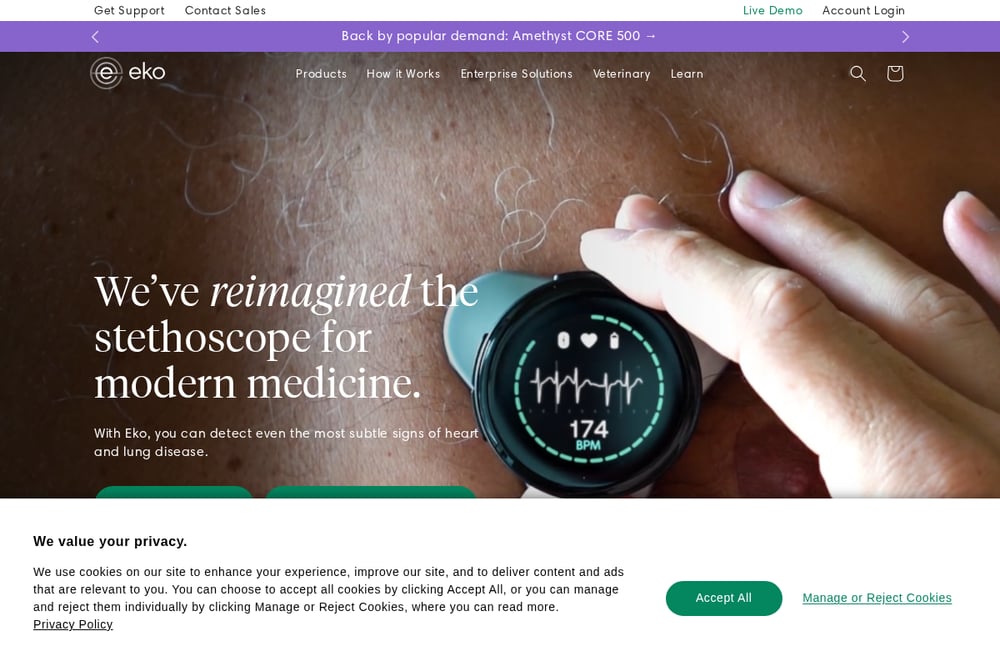
Eko Health has reimagined the stethoscope for modern medicine, pairing high-fidelity digital auscultation with clinically proven AI. Their CORE 500™ and 3M™ Littmann® CORE devices detect subtle heart and lung conditions, while the SENSORA® platform enables remote monitoring and telehealth integration. With over 750,000 devices sold and 9 FDA clearances, Eko is a trusted name in cardiology and primary care. The platform's AI algorithms assist in real-time, flagging potential issues like atrial fibrillation or murmurs. For clinicians looking to upgrade their diagnostic toolkit, Eko offers a seamless blend of hardware and software. It's a solid choice for practices that want to stay ahead in preventive care.
#2 MedventX · Intelligent Diagnostics
 A screenshot of the MedventX website.
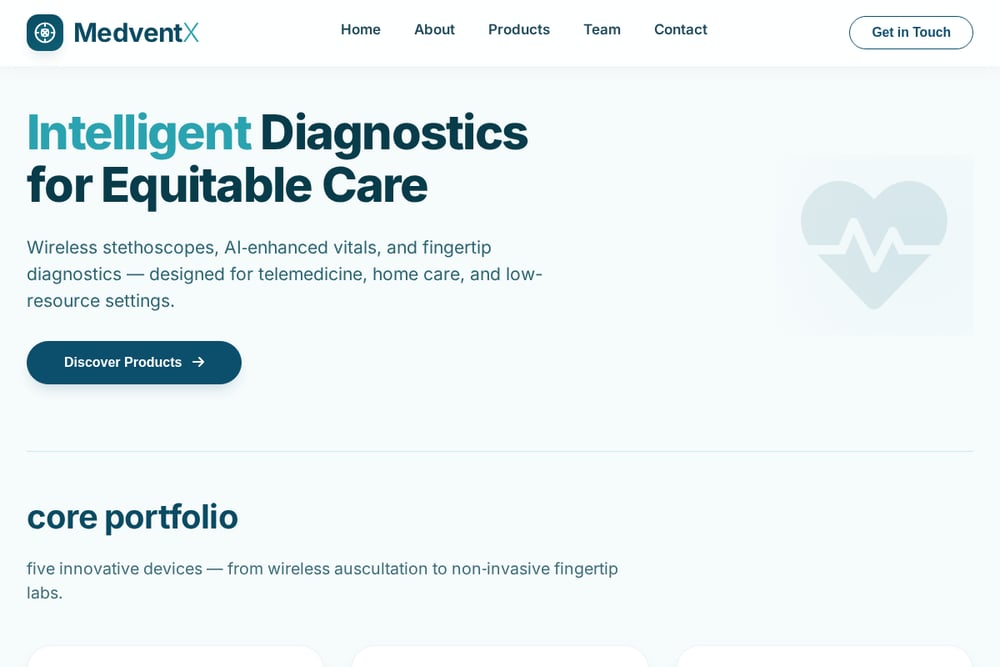
MedventX is building a portfolio of five intelligent diagnostic devices aimed at equitable care. Their StethX wireless stethoscope offers real-time AI classification and remote auscultation, while StethX Pro adds SpO₂, heart rate, and temperature monitoring. The Vital-X modular IoT monitor is designed for smart ward integration, and the BPX and HbX fingertip devices provide cuffless blood pressure and needle-free hemoglobin screening. This range is particularly strong for telemedicine and low-resource settings, where portability and non-invasive testing are critical. MedventX's focus on fingertip diagnostics could make routine screening more accessible in underserved communities. For healthcare providers looking to expand remote capabilities, MedventX offers a versatile and forward-thinking suite.
#3 3M Littmann CORE Digital Stethoscope
 A screenshot of the 3M Littmann CORE Digital Stethoscope website.
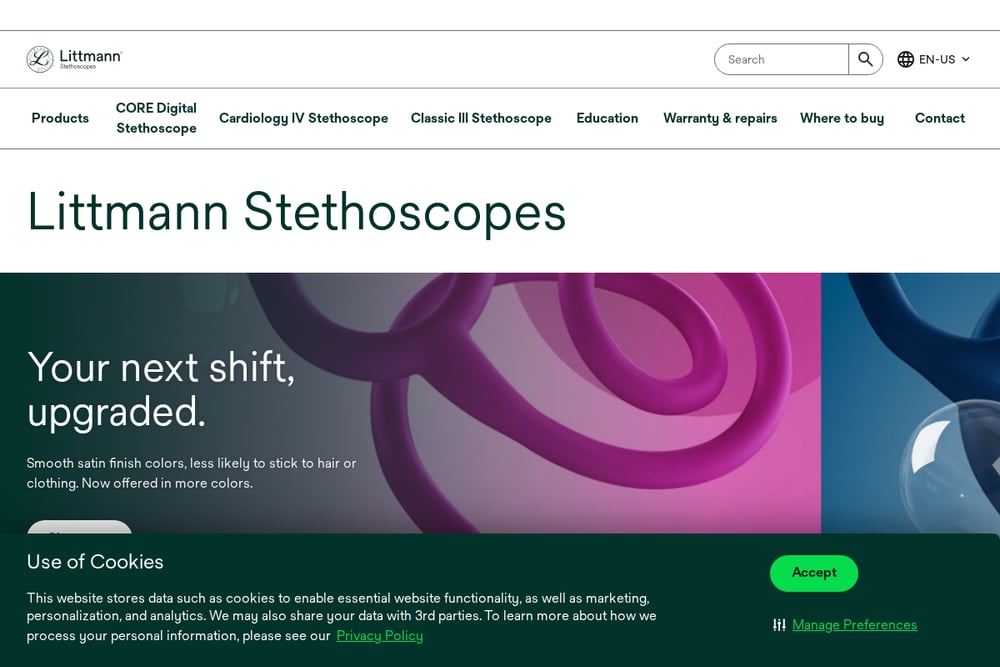
The 3M™ Littmann® CORE Digital Stethoscope is the most advanced stethoscope from the trusted Littmann brand. It amplifies sounds up to 40x and offers active noise cancellation, making it easier to hear subtle cardiac and respiratory sounds. The device pairs with the Littmann app, allowing you to visualize waveforms and share recordings with colleagues. While it lacks the AI classification of some competitors, its audio quality and brand reliability are unmatched. For clinicians who prefer a traditional stethoscope with digital enhancements, this is a top-tier choice. It's a practical upgrade for daily practice, especially in noisy environments.
#4 AMD Telemedicine Interactive Stethoscope
 A screenshot of the AMD Telemedicine Interactive Stethoscope website.
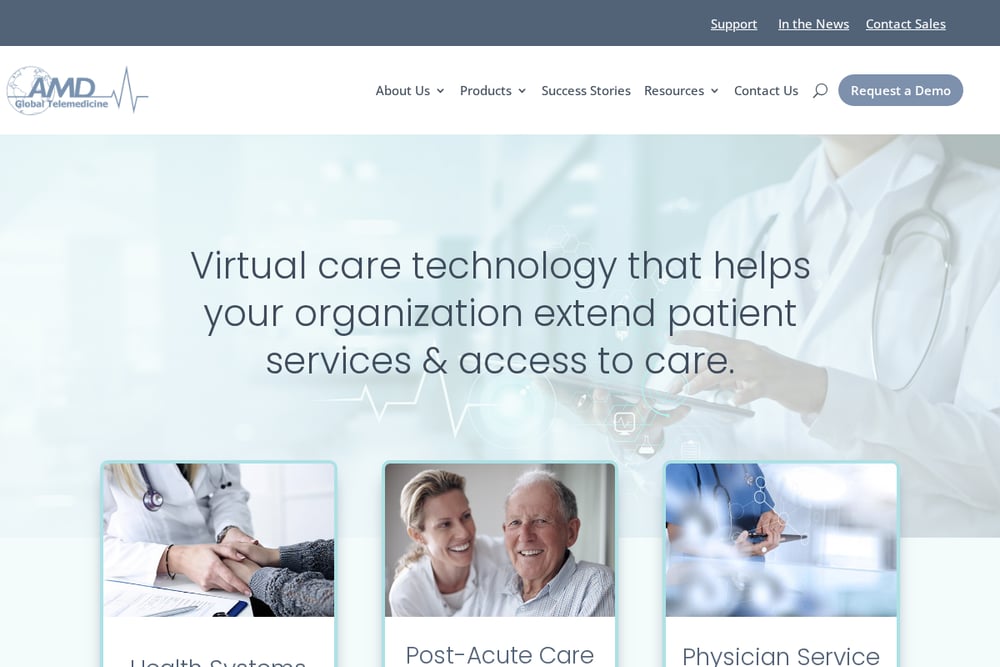
AMD Telemedicine's Interactive Stethoscope is designed specifically for telehealth, allowing remote practitioners to hear live heart and lung sounds and adjust frequency and volume from their own site. It works with the AGNES Interactive telemedicine software, streaming audio in real-time without needing hardware at the receiving end. This makes it a cost-effective solution for telemedicine programs that already use AMD's platform. The stethoscope is USB-based, ensuring plug-and-play compatibility with most systems. For organizations building out their telehealth infrastructure, this device integrates seamlessly. It's a practical tool for remote consultations, though it lacks the AI features of newer competitors.
#5 Binah.ai
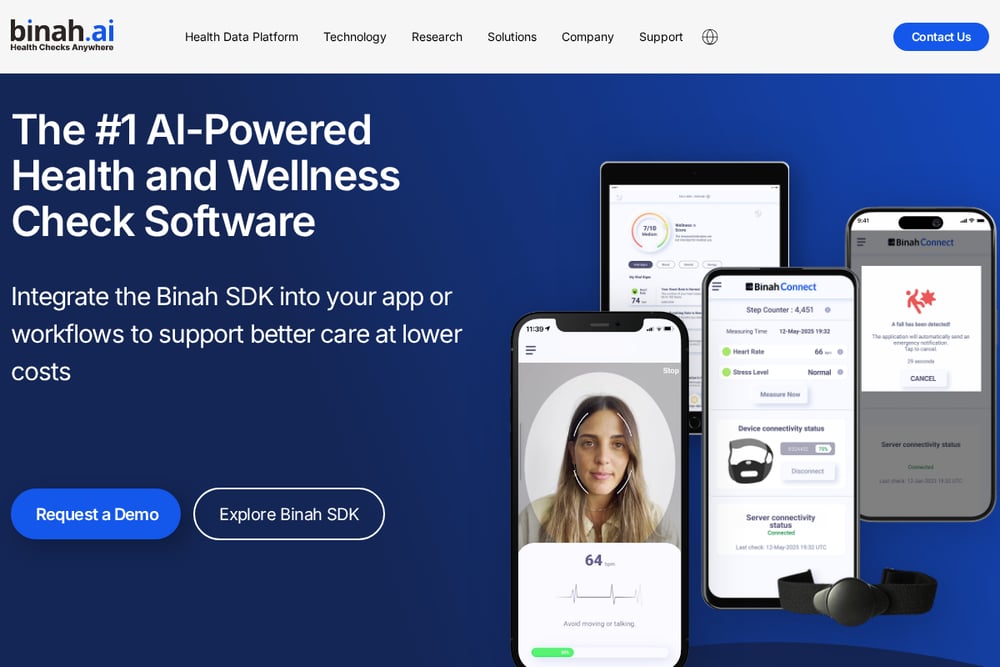 A screenshot of the Binah.ai website.
Binah.ai takes a completely different approach by using video-based, AI-powered technology to measure vital signs from a smartphone or tablet camera. In just 35-60 seconds, it can assess heart rate, oxygen saturation, stress levels, and even hemoglobin—without any additional hardware. This software-only solution is ideal for remote patient monitoring and wellness apps, as it requires no physical devices. Binah.ai's platform also offers advanced cardiovascular insights and health risk detection, such as high glucose or cholesterol. For organizations looking to scale remote monitoring without distributing hardware, this is a game-changer. It's a unique option that prioritizes accessibility and convenience.
How to Choose the Right Platform for Your Practice
Start by defining your clinical needs. If you're a cardiologist or primary care physician, a digital stethoscope with AI like Eko or MedventX can enhance your diagnostic accuracy. For telemedicine programs that need live audio streaming, AMD's Interactive Stethoscope is a proven solution. If you're focused on remote patient monitoring without hardware distribution, Binah.ai's video-based approach is worth exploring. Consider your setting: low-resource environments may benefit from MedventX's non-invasive fingertip devices, while hospital systems might prefer the integration capabilities of Eko's SENSORA platform. Also, think about workflow—how easily does the device connect to your EHR or telehealth software? Finally, evaluate the total cost of ownership, including device maintenance and subscription fees. The right choice aligns with your patient population and clinical goals.
Automating Diagnostics for Better Outcomes
These platforms are automating the diagnostic process, reducing manual errors and saving time. For example, MedventX's StethX uses AI to classify heart sounds in real-time, flagging abnormalities for review. Eko's SENSORA platform automatically analyzes ECG and heart sounds, sending alerts to clinicians when intervention is needed. Binah.ai's video-based scans provide instant results, eliminating the need for lab tests. By integrating these tools into your workflow, you can streamline patient assessments, improve accuracy, and expand access to care. The key is to choose a platform that fits your existing systems and training requirements.
The Future of Diagnostics Is Intelligent
The landscape of remote diagnostics is evolving rapidly, with each platform offering unique strengths. Whether you prioritize AI-powered stethoscopes, non-invasive fingertip labs, or hardware-free video monitoring, there's a solution that can elevate your practice. MedventX stands out for its commitment to equitable care, making advanced diagnostics accessible to underserved populations. As telemedicine continues to grow, investing in intelligent diagnostic tools will be essential for delivering high-quality, proactive healthcare. Choose the platform that aligns with your vision, and you'll be well-positioned for the future.