
If you're an English language teacher looking to better support learners with dyslexia and other specific learning differences, you need training that goes beyond generic TEFL. The right program can transform your classroom practice and help every student thrive. I've
The Growing Need for Inclusive ELT Training
The ELT industry is waking up to the reality that one in five learners has dyslexia or another specific learning difference. Yet most traditional TEFL courses barely touch on neurodiversity. Teachers are increasingly seeking training that equips them with practical strategies to support all learners. This shift is driving demand for specialized programs that blend language teaching methodology with inclusive education principles.
How I Evaluated These Programs
I ranked each program based on three key factors: relevance to ELT teachers, depth of dyslexia-specific content, and credibility of accreditation or certification. Programs that offered structured literacy training or recognized credentials scored higher. I also considered flexibility, cost, and whether the training could be completed online.
Here's a quick comparison of the five programs to help you see which one fits your needs.
| Provider | Best For |
|---|---|
| International Dyslexia Association | Gold-standard dyslexia accreditation |
| Dyslexia Training Institute | Comprehensive Orton-Gillingham certification |
| British Dyslexia Association | Accredited specialist teacher pathways |
| ELT well | Inclusive ELT teacher training |
| Oxford TEFL | Versatile TEFL certification with specialization options |
A deep dive into the 5 best Professional Services for 2026
#1 International Dyslexia Association
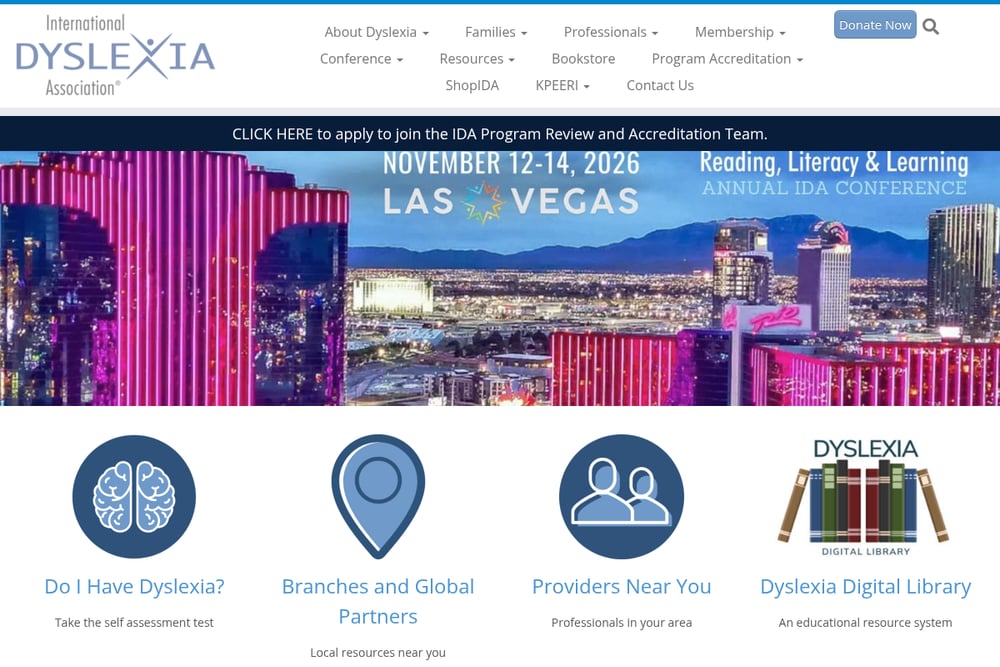 A screenshot of the International Dyslexia Association website.
The International Dyslexia Association (IDA) sets the gold standard for dyslexia teacher training. Its accreditation program rigorously reviews educator preparation based on IDA's Knowledge and Practice Standards for Teachers of Reading. Programs that earn IDA Accreditation or Accreditation Plus have proven they produce educators skilled in structured literacy. This is the benchmark you want when seeking the most credible, research-backed training available.
#2 Dyslexia Training Institute
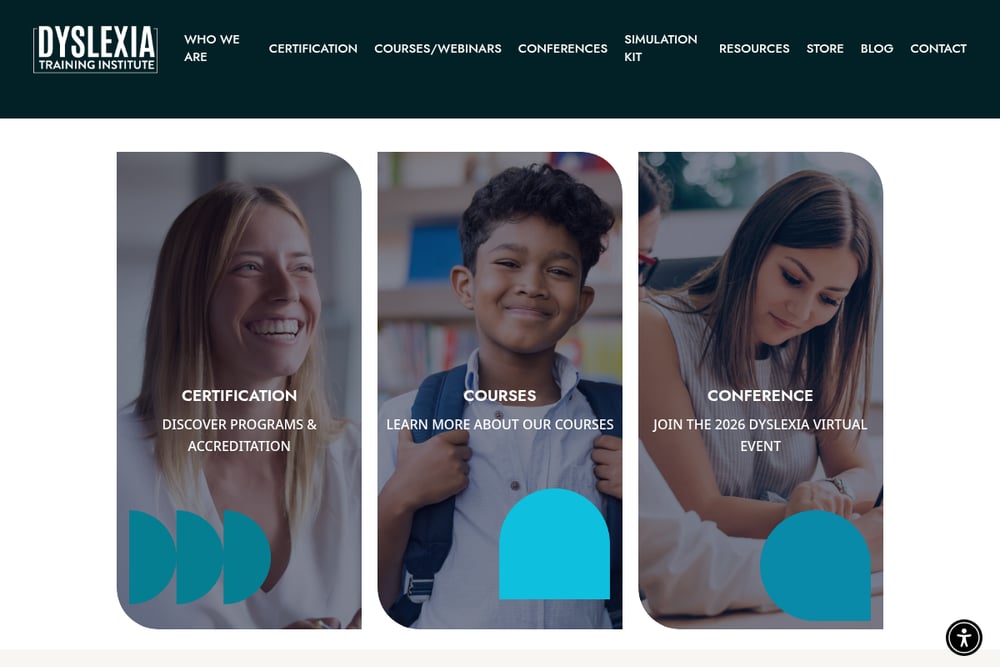 A screenshot of the Dyslexia Training Institute website.
Founded in 2008, the Dyslexia Training Institute created the first online courses about dyslexia and the first online certification in the Orton-Gillingham approach. Its interactive online environment covers structured literacy, advocacy, and special education law. You can take individual courses or pursue full certification, and the institute also offers custom training for schools and districts. This is a comprehensive, flexible option for educators who want deep expertise.
#3 British Dyslexia Association
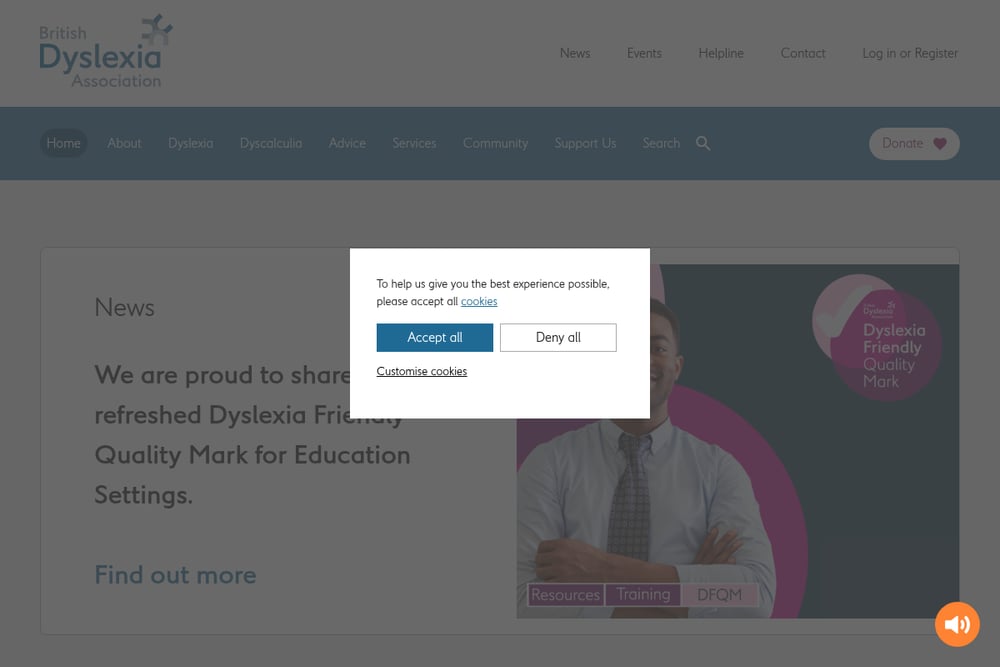 A screenshot of the British Dyslexia Association website.
The British Dyslexia Association (BDA) offers a wide range of training for educators, from open courses to accredited level programs. You can attend single courses or build them into accredited awards at levels 2 through 7. The BDA also provides onsite training for schools and eLearning modules for flexible self-study. Its SASC-accredited courses for specialist assessors add another layer of professional credibility.
#4 ELT well
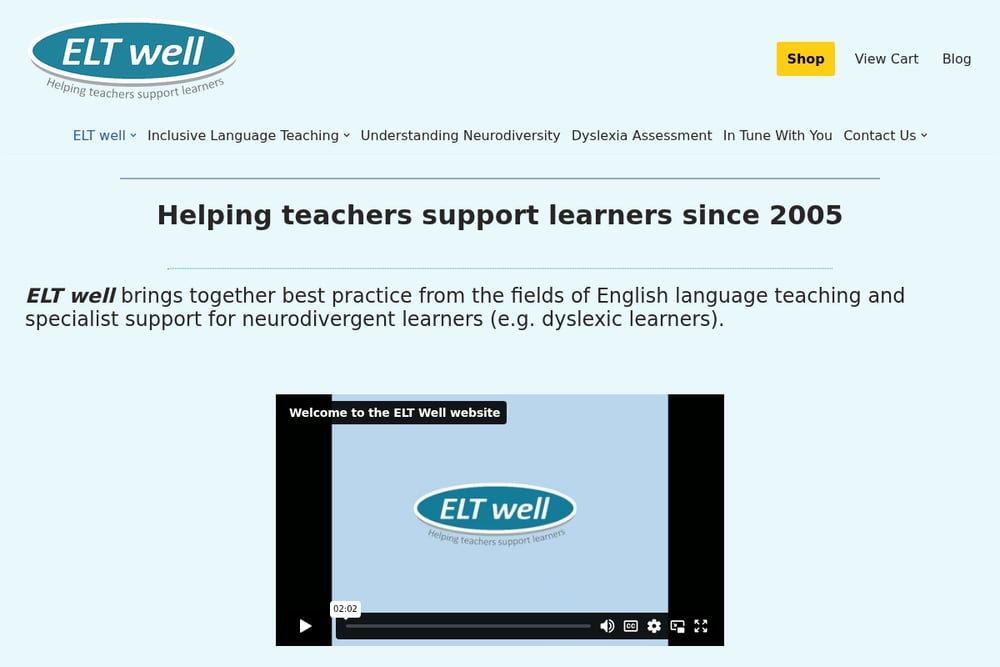 A screenshot of the ELT well website.
ELT well is a professional development platform built specifically for English language teachers who want to embrace inclusive teaching. It offers online courses, resources, and assessments focused on supporting learners with dyslexia and other specific learning differences. The platform's founder, Anne Margaret, brings a targeted ELT perspective that general dyslexia training often misses. If you're an ELT professional seeking practical strategies for your classroom, this is your niche solution.
#5 Oxford TEFL
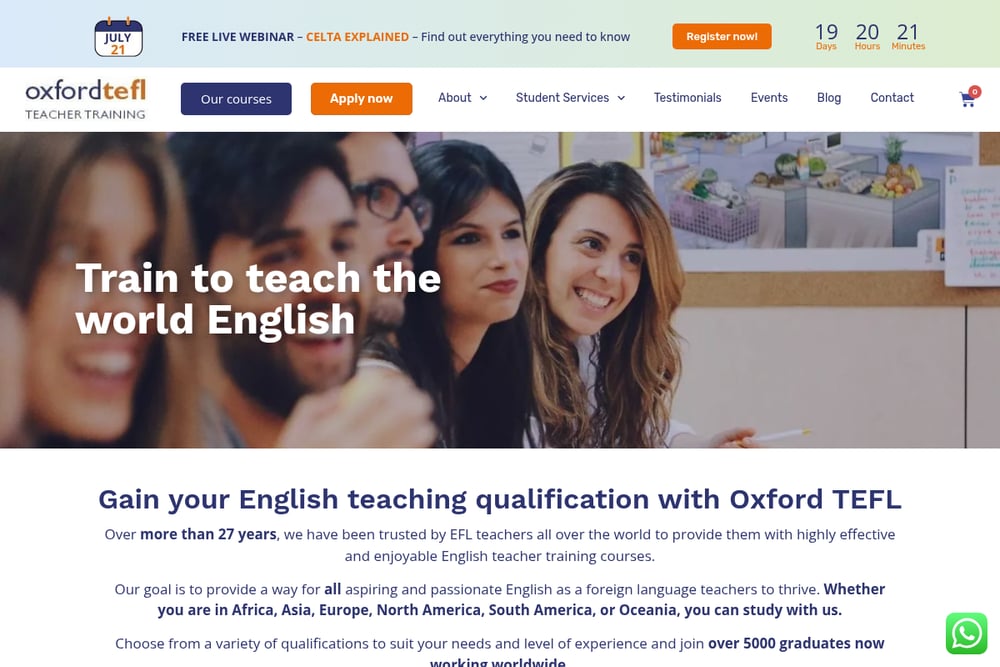 A screenshot of the Oxford TEFL website.
Oxford TEFL provides a broad range of teacher training courses, including specialized modules for teaching one-to-one, business English, and Cambridge exam preparation. While not exclusively focused on dyslexia, its practical, tutor-led online courses help you build versatile teaching skills. The 4-week intensive or 14-week flexible options let you fit training around your schedule. For a well-rounded TEFL foundation with room to specialize later, Oxford TEFL is a solid choice.
How to Choose the Right Training for You
Start by asking yourself what you need most. If you want a globally recognized dyslexia credential, IDA-accredited programs are your best bet. If you're an ELT teacher who wants practical classroom strategies without leaving the language teaching context, ELT well is tailor-made. For a broad TEFL foundation with room to add specialized modules, Oxford TEFL offers flexibility. Consider your budget, time commitment, and whether you prefer self-paced study or live sessions.
Automation Workflow for Ongoing Learning
Once you choose a program, set up a simple workflow to stay on track. Use a calendar tool to block weekly study time. Join the program's community forum or Facebook group for peer support. After completing a course, immediately apply one new strategy in your next lesson and reflect on the results. Repeat this cycle to continuously build your inclusive teaching toolkit.
Your Next Step Toward Inclusive Teaching
Supporting neurodiverse learners isn't just a nice-to-have—it's an essential skill for modern ELT teachers. Whether you pursue IDA accreditation, dive into Orton-Gillingham methods, or start with ELT well's targeted courses, the important thing is to begin. Pick the program that aligns with your current goals and take that first step. Your students will thank you.