
If your hospital is bleeding revenue from denials and authorization gaps, these five utilization management services can help you plug the leaks and protect your bottom line.
The State of Hospital Utilization Management
Hospitals today face a perfect storm: rising denial rates, complex payer requirements, and a constant pressure to maintain compliance. According to HFMA benchmark data, hospitals lose an average of 4.8% of net patient revenue to denials, which can amount to tens of millions of dollars annually for large health systems. The problem is often not billing errors but upstream process failures in clinical documentation, coding, and front-end verification. That's why proactive utilization management—catching issues before discharge—has become a critical investment. The right partner can help you reduce denials, secure authorizations, and ensure you get paid for the care you provide.
How We Evaluated These Services
We looked at each service's ability to prevent denials, secure authorizations, and integrate with existing hospital workflows. We considered the scope of services, from front-end patient access to back-end appeals, and the use of technology and clinical expertise. We also assessed how quickly each service can be implemented and the potential ROI for hospitals of different sizes. Finally, we weighed the clarity of pricing and the level of support provided to ensure a smooth partnership.
Here's a quick look at how these five services compare in terms of focus, strengths, and ideal use cases.
| Provider | Best For |
|---|---|
| Waystar | Hospitals seeking a tech-driven, end-to-end revenue cycle platform. |
| Hospital Utilization Management Services | bServed | Hospitals needing 24/7 clinical and technology support to prevent denials. |
| Conifer Health Solutions | Large health systems looking for a full revenue cycle outsourcing partner. |
| Revecore | Hospitals with complex claims and underpayment recovery needs. |
| iMedX | Hospitals looking to improve coding and documentation to prevent denials. |
A Closer Look at Each Service
#1 Waystar
 A screenshot of the Waystar website.
Waystar offers a comprehensive revenue cycle management platform that includes utilization management, clinical documentation integrity, and denial recovery. Their software helps you automate eligibility verification, authorization tracking, and claim monitoring, so you can catch issues before they become denials. With a focus on analytics and reporting, Waystar gives you visibility into your revenue cycle performance. It's a strong choice for hospitals that want a technology-first approach to denial prevention. Source: Waystar
#2 Hospital Utilization Management Services | bServed
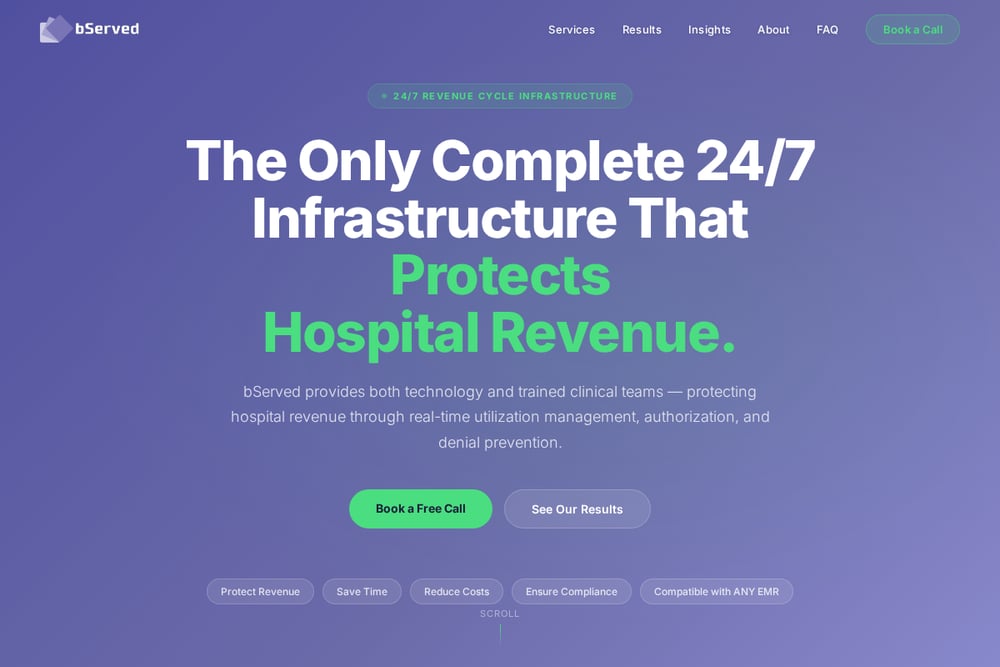 A screenshot of the bServed website.
bServed provides a 24/7 revenue cycle infrastructure that combines technology with trained clinical teams to protect hospital revenue from the ER through discharge. They focus on real-time utilization management, authorization, and denial prevention, with services covering eight critical areas, including emergency room coverage and post-discharge appeals. Their results are impressive: a 43% reduction in payor denials, 60% lower in-house UM costs, and a 30-day implementation with no disruption. bServed also boasts a 10x verified ROI for one hospital, making it a compelling option for hospitals that want immediate, measurable impact. Source: bServed
#3 Conifer Health Solutions
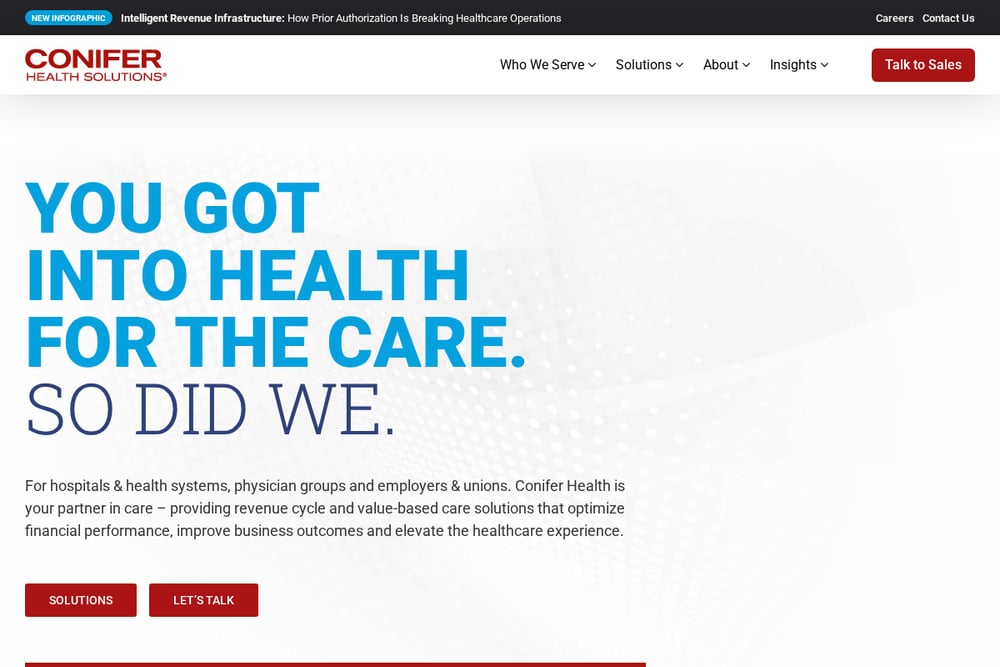 A screenshot of the Conifer Health Solutions website.
Conifer Health Solutions offers end-to-end revenue cycle outsourcing, including front-end patient access, mid-cycle clinical revenue integrity, and back-end A/R management. Their denial management services are part of a broader suite that helps hospitals improve financial performance. Conifer's strength lies in its scale and experience, serving both hospitals and health systems. They provide a comprehensive approach that can be tailored to your specific needs, from utilization management to appeals. Source: Conifer Health
#4 Revecore
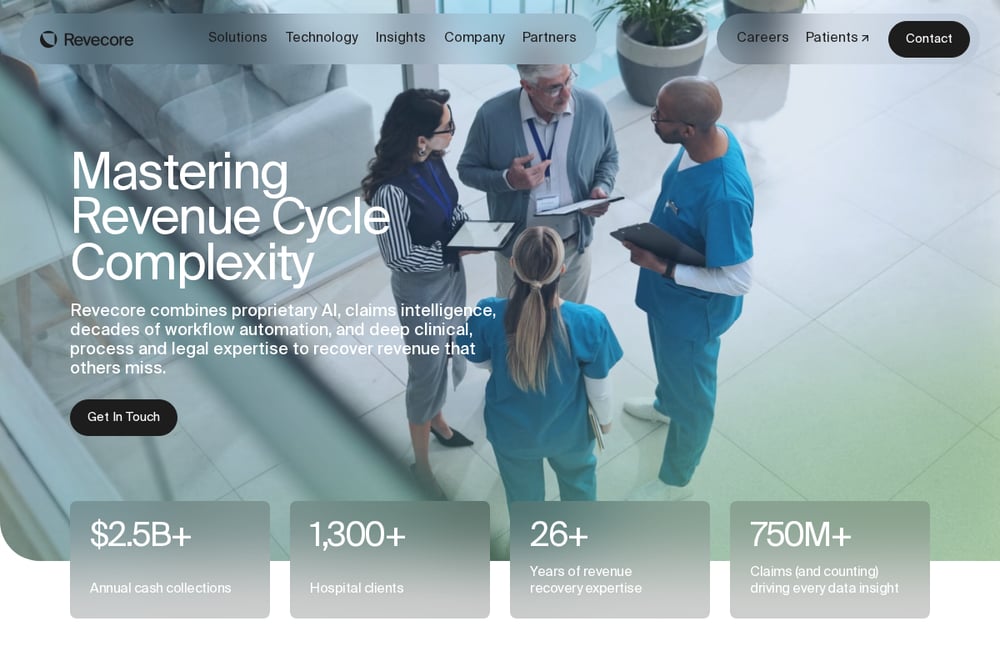 A screenshot of the Revecore website.
Revecore specializes in complex claims, denial management, and underpayment recovery, with a focus on workers' compensation, motor vehicle accidents, and veterans affairs. Their ReClaim™ platform uses network intelligence and AI to identify and recover revenue that might otherwise be lost. Revecore is particularly effective for hospitals dealing with complex, high-touch claims that require specialized expertise. They offer a structured lifecycle approach to denial management, from identification to appeals and prevention. Source: Revecore
#5 iMedX
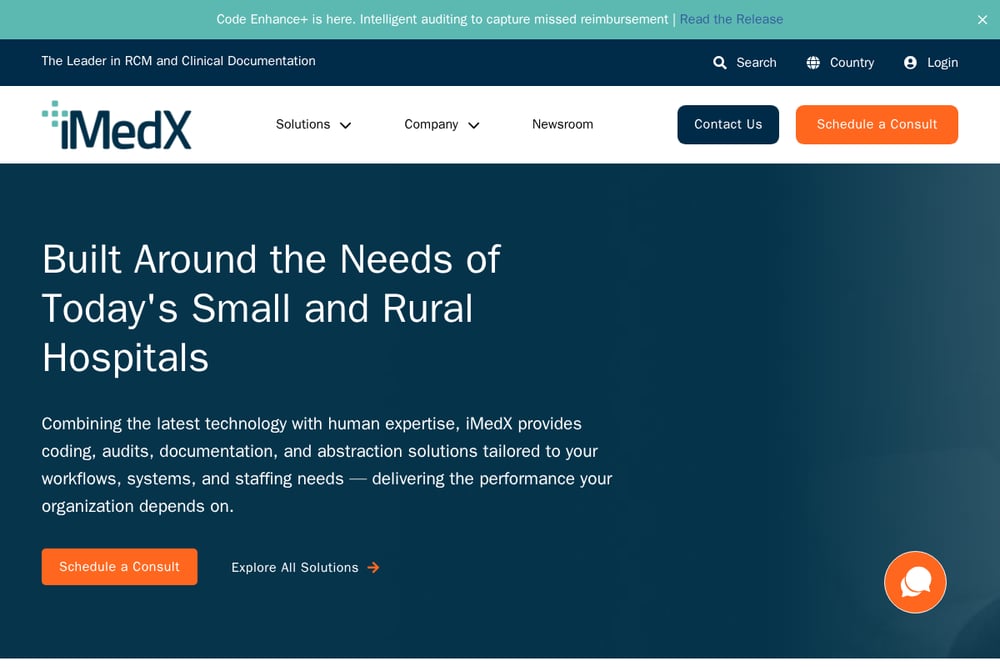 A screenshot of the iMedX website.
iMedX provides revenue cycle management solutions that focus on preventing denials through AI medical coding, coding audits, and clinical documentation improvement. Their approach emphasizes the importance of accurate documentation and coding to reduce denial risk. iMedX helps hospitals identify process gaps that lead to denials, such as front-end verification issues. They offer a range of services that can be integrated into your existing workflow to improve revenue integrity. Source: iMedX
How to Choose the Right Utilization Management Service
Start by assessing your hospital's biggest pain points: Are you struggling with authorization delays, high denial rates, or documentation gaps? Consider whether you need a full-service partner like Conifer or a specialized solution like Revecore for complex claims. Evaluate the technology and whether it integrates with your existing EMR. Look for services that offer 24/7 coverage if you need real-time intervention. Finally, ask about implementation time and ROI—bServed, for example, promises a 30-day rollout with significant cost savings.
Automation in Utilization Management
Modern utilization management services leverage automation to streamline workflows. For instance, Waystar automates eligibility verification and authorization tracking, reducing manual effort. bServed combines technology with clinical teams to automate real-time reviews. Revecore uses AI to identify underpayments. Automation helps you catch issues faster, reduce administrative burden, and improve compliance.
Final Thoughts
Denial prevention is no longer a back-office function—it's a strategic priority. Whether you choose a tech-driven platform like Waystar, a clinical team approach like bServed, or a specialized recovery service like Revecore, the key is to act proactively. The right partner can help you protect revenue, reduce costs, and ensure you're paid for the care you deliver. Evaluate your needs, compare these options, and take the first step toward a healthier revenue cycle.