
Looking for a homeschool Bible curriculum that actually engages your kids and deepens their faith? These five programs stand out for their unique approaches, from Ellen G. White's prophetic series to chronological apologetics.
The Homeschool Bible Curriculum Landscape
The homeschool Bible curriculum market has exploded in recent years, with options ranging from story-based devotionals to rigorous academic studies. Parents today want more than just Bible stories; they want curricula that foster critical thinking, historical context, and real-life application. Many programs now offer digital downloads, video supplements, and multi-year scope and sequences. Whether you're looking for a five-year deep dive or a four-year chronological overview, there's a curriculum to fit your family's needs. The challenge is finding one that aligns with your theological convictions and educational style.
How We Evaluated These Curricula
We assessed each curriculum on its depth of biblical content, ease of use for parents, flexibility across grade levels, and alignment with specific denominational or theological perspectives. We also considered the availability of digital formats and supplementary materials. Each program brings something unique to the table, from the journal-based approach of The Conflict Study Journal to the apologetics focus of Answers Bible Curriculum. Our goal is to help you find the right fit for your homeschool journey.
Here's a quick comparison of the five curricula to help you see their key differences at a glance.
| Provider | Best For |
|---|---|
| Answers Bible Curriculum | Chronological, apologetics-focused study |
| "The Conflict Study Journal" Bible Curriculum | Deepen Faith Today — Learn More | In-depth, journal-based study of Ellen G. White's series |
| Bible Study Guide | Direct Bible study with age-graded lessons |
| Apologia Bible Curriculum | Academic, worldview-focused Bible study |
| Three Angels for Kids | Short, grace-focused units on Revelation 14 |
A Closer Look at Each Curriculum
#1 Answers Bible Curriculum
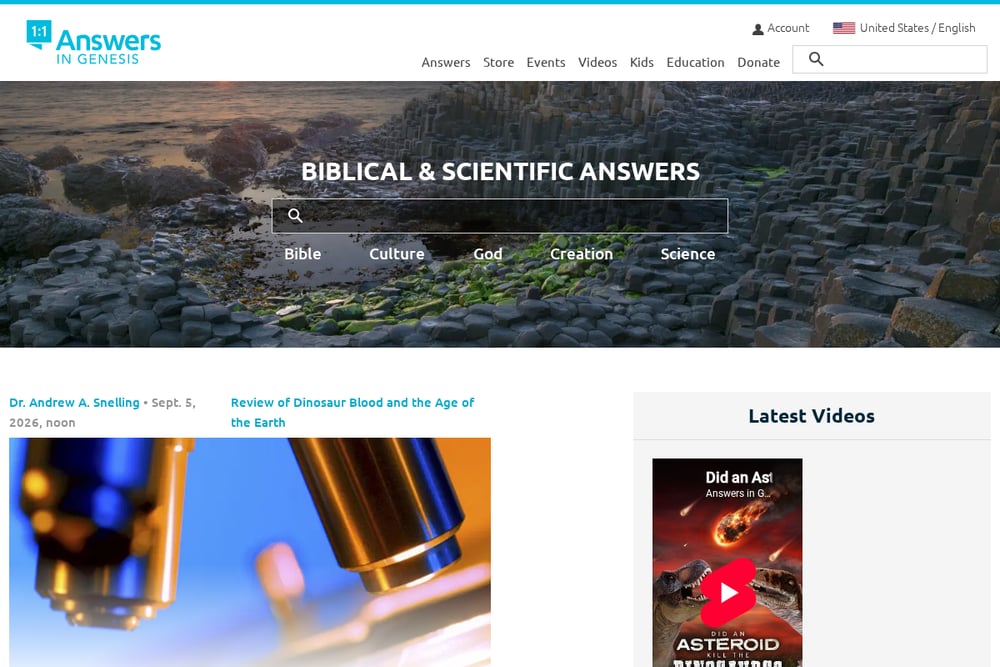 A screenshot of the Answers Bible Curriculum website.
Answers Bible Curriculum takes a chronological approach, covering the entire Bible in four years with lessons for grades K-5. It emphasizes that the Bible is the history book of the universe, treating each account as a real event. The curriculum is packed with apologetics, helping students defend their faith in a skeptical world. You'll find rich content, Scripture memorization, and practical life application. It's a solid choice if you want a comprehensive, whole-Bible overview that connects every story to God's redemptive plan. Check out their free homeschool lessons to get started.
#2 "The Conflict Study Journal" Bible Curriculum | Deepen Faith Today — Learn More
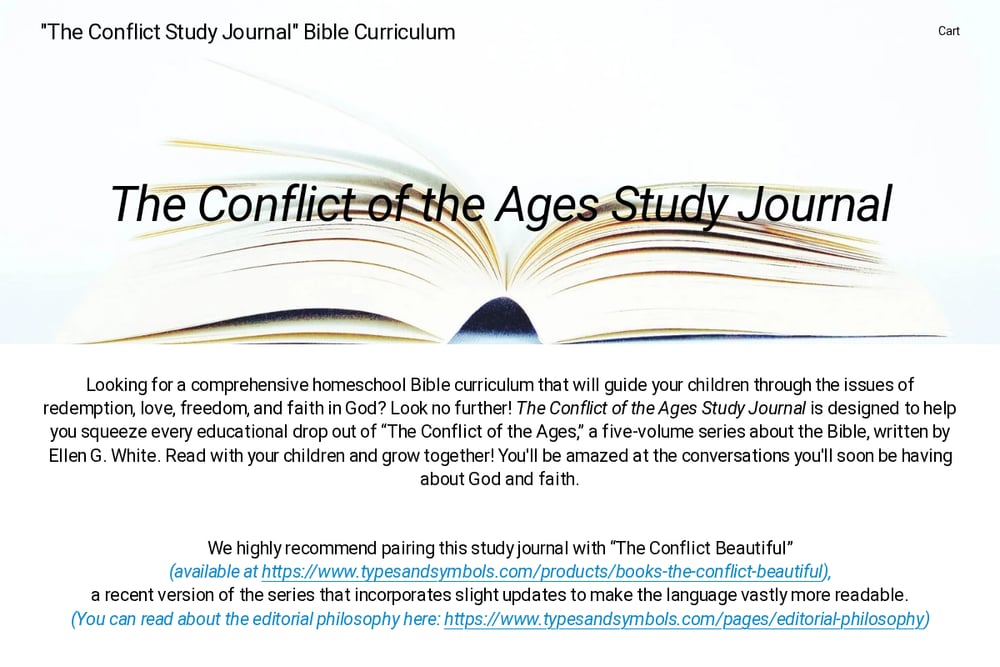 A screenshot of the The Conflict Study Journal website.
This unique curriculum is built around Ellen G. White's five-volume 'Conflict of the Ages' series, offering a five-year deep dive into Scripture and church history. It's designed to stimulate critical thinking about God and faith, with guided questions and journaling prompts. You can choose between the Types & Symbols version or the original page numbers, and it's available as a PDF download with a single-family printing license. The journal encourages family reading and discussion, making it a great tool for growing together in faith. Pair it with 'The Conflict Beautiful' for more readable language, as recommended on the site.
#3 Bible Study Guide
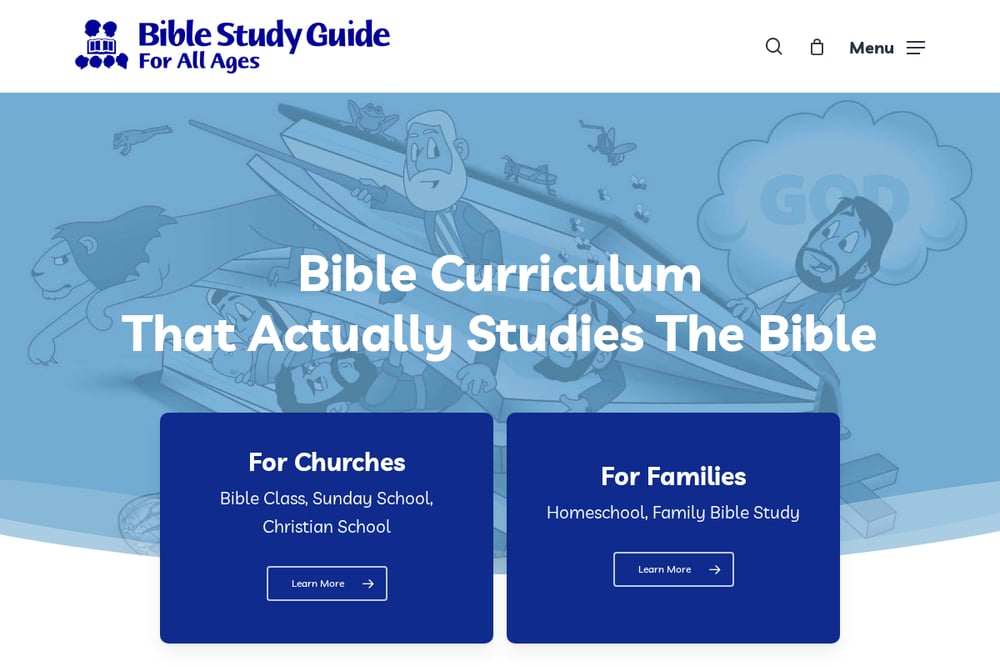 A screenshot of the Bible Study Guide website.
Bible Study Guide offers a simple and complete curriculum that actually studies the Bible itself, not just stories about it. With 416 lessons, it covers the entire Bible in detail, suitable for ages 3 through teens. The program is designed for both churches and homeschools, with separate tracks for different age groups. It includes constant review questions and map work to reinforce learning. Parents appreciate that it uses the Bible directly, helping kids understand the overall story and its contents. It's a flexible, low-prep option that works well for family Bible study.
#4 Apologia Bible Curriculum
 A screenshot of the Apologia Bible Curriculum website.
Apologia is well-known for its science curriculum, but its Bible curriculum is equally robust, offering a worldview-focused approach. It covers the Bible in a way that helps students understand and defend their faith, with courses for various grade levels. The curriculum includes textbooks, notebooks, and digital add-ons like video and audio. You can choose from self-paced courses or live classes for a more interactive experience. Apologia's approach is academic yet accessible, making it a favorite among homeschool families. It's a great option if you want a structured, college-prep style Bible study.
#5 Three Angels for Kids
 A screenshot of the Three Angels for Kids website.
Three Angels for Kids offers a grace-filled look at Revelation 14, focusing on the Three Angels' Messages. It provides developmentally appropriate, supplemental lessons for PreK through high school, with units that can be taught in just two weeks. The curriculum is designed for both classroom and homeschool settings, with rich resources and interactive activities. It's all about Jesus, helping children understand complex biblical truths in an accessible way. If you're looking for a short, impactful study that draws kids closer to Christ, this is a great choice. The lessons are easy to implement and come with training and support.
How to Choose the Right Curriculum for Your Family
Start by considering your theological preferences—do you want a curriculum that aligns with a specific denomination like Adventist, or a more general evangelical approach? Think about the time you can commit: some programs require daily journaling, while others are more flexible. Also, consider your children's learning styles—do they thrive with hands-on activities, or do they prefer reading and discussion? Look at the length of the curriculum: five years might be too long if you want to switch things up, while a two-week unit might be perfect for a focused study. Finally, check the format—PDF downloads are convenient, but some families prefer physical books or online videos. Take advantage of free samples and previews to get a feel for the material before committing.
Streamlining Your Homeschool Bible Study
To make your Bible study more efficient, consider using a digital planner to schedule lessons and track progress. Many curricula offer PDF downloads, so you can print only what you need each week. For journal-based programs like The Conflict Study Journal, you can create a simple workflow: read a chapter together, then have your child answer the journal questions in a notebook. Use a shared family calendar to set aside dedicated Bible study time, and rotate who leads the discussion to keep things fresh. If you're using multiple resources, organize them in a binder or cloud folder for easy access. Automating reminders for lessons can help you stay consistent without feeling overwhelmed.
The Bottom Line
Each of these five curricula offers a unique way to engage your children with the Bible. Whether you're drawn to the deep, journal-based exploration of The Conflict Study Journal or the chronological apologetics of Answers Bible Curriculum, there's something here for every family. Consider your theological leanings, your children's ages, and your preferred teaching style to make the best choice. Remember, the goal is to foster a love for God's Word and critical thinking about faith. Take your time, explore the free samples, and choose the one that resonates with your family's journey.