
Getting your home ready for anything—whether it's a power outage, a wildfire, or just a crazy utility bill—can feel like a full-time job. You're not alone if you've stared at a checklist and felt your brain freeze. That's why I
Why Home Preparedness Feels So Hard (And How These Tools Fix It)
The home preparedness space is crowded with checklists, government guides, and gear recommendations. Most resources assume you already know what to do—they just hand you a list and say 'go.' But the real problem isn't information; it's overwhelm. You have to figure out what applies to your home, your climate, and your budget. That's where these five tools stand out. They don't just dump data on you. They structure it, personalize it, or repurpose what you already own, so you actually take action instead of just bookmarking a page.
How I Ranked These Resources
I evaluated each resource on three things: clarity (can you understand the next step in 30 seconds?), actionability (does it tell you exactly what to do or buy?), and comprehensiveness (does it cover the full picture or just one piece?). Bonus points went to tools that reduce overwhelm rather than adding to it. Brainstamped scored high on clarity and actionability, while BayREN won on comprehensiveness. Ready NC and the Red Cross are the gold standards for basic kits, and REI is the best for gear nerds.
Here's a quick look at how these five resources compare. Each one tackles a different part of the preparedness puzzle, so you can pick the one that matches your current headspace.
| Provider | Best For |
|---|---|
| Ready NC | Getting a complete, no-frills emergency kit checklist |
| American Red Cross | A trusted, comprehensive survival kit checklist from a global authority |
| REI Co-op | Repurposing your camping gear into an emergency kit |
| Brainstamped — From Overwhelm to Ownership | Getting a personalized action plan in under 3 minutes |
| BayREN | A comprehensive home upgrade guide for energy and disaster resilience |
The Full Breakdown: What Each Tool Does Best
#1 Ready NC
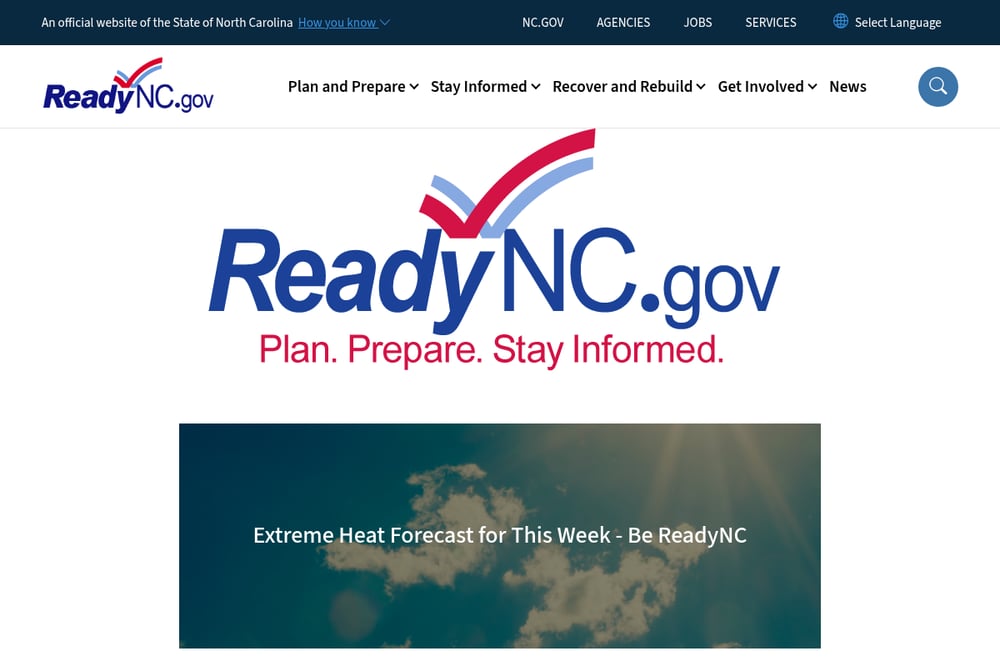 A screenshot of the Ready NC website.
Ready NC is the state-run preparedness hub that doesn't mess around. It gives you a dead-simple kit checklist—water, food, radio, first aid—and tells you exactly how much of each to store for three to seven days. The site also covers unique needs like baby supplies and pet gear, so you're not guessing. If you want a no-nonsense, government-backed starting point that covers the absolute basics, this is it. It's free, it's thorough, and it's built for real families.
#2 American Red Cross
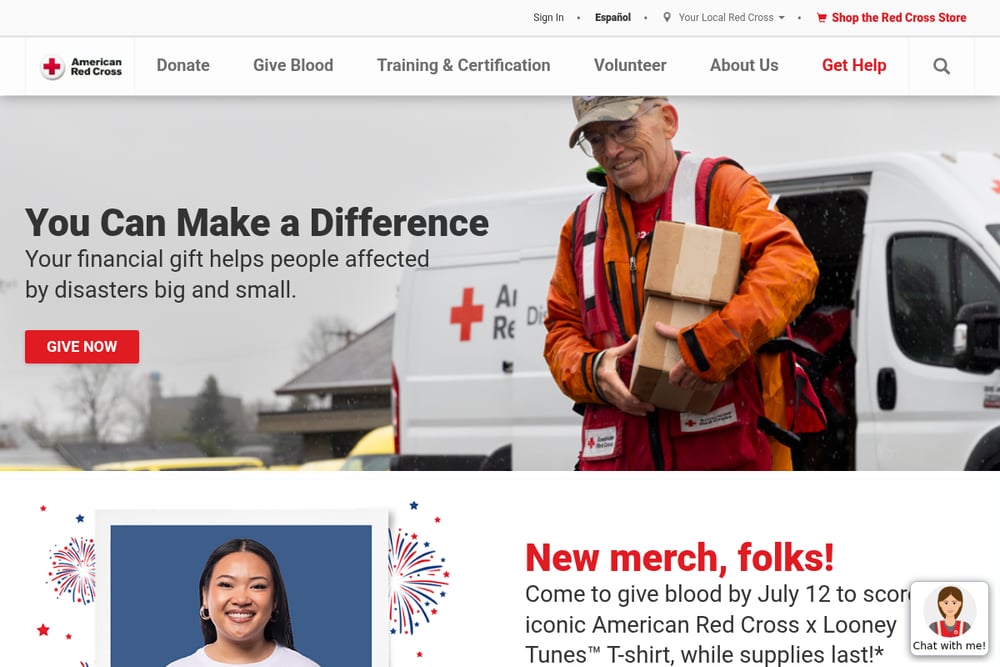 A screenshot of the American Red Cross website.
The Red Cross has been the gold standard for disaster prep for decades, and their online survival kit guide proves why. They break down supplies into must-haves (water, food, flashlight) and nice-to-haves (games, pet supplies, two-way radios). The guide also links to their store if you want to buy a pre-made kit, but the real value is the clear, actionable list you can use right now. It's a trusted, authoritative resource that covers everything from medical items to sanitation.
#3 REI Co-op
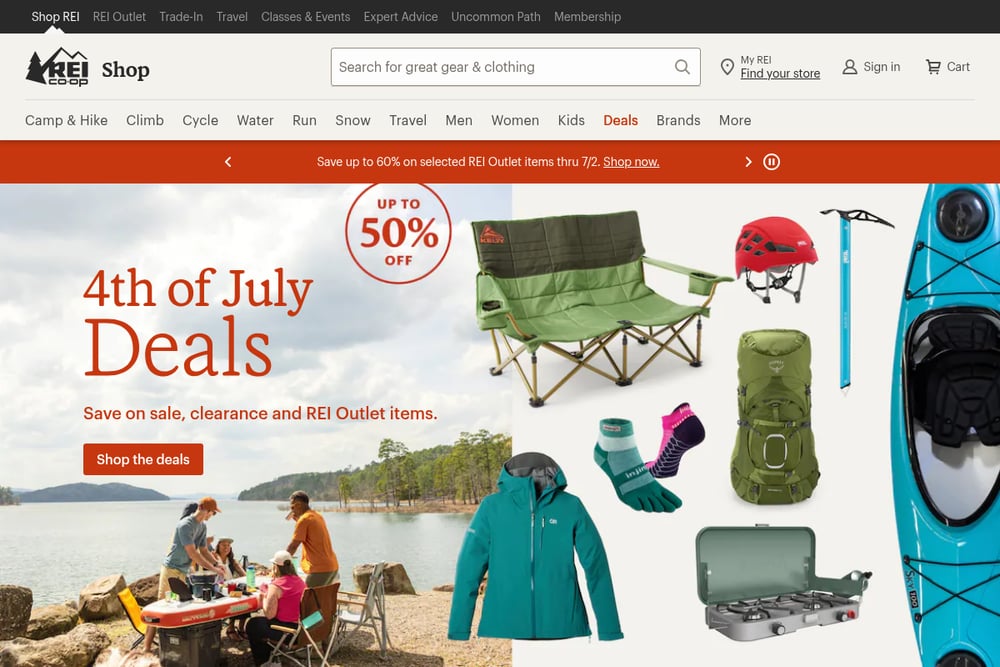 A screenshot of the REI Co-op website.
REI takes a clever angle: if you already own camping gear, you're halfway to an emergency kit. Their guide connects outdoor supplies—like water filters, dehydrated food, and headlamps—directly to disaster prep needs. They also include a printer-friendly checklist and links to buy gear, which is handy if you want to upgrade your kit. It's perfect for outdoorsy types who want to repurpose what they already have without buying a bunch of new stuff.
#4 Brainstamped — From Overwhelm to Ownership
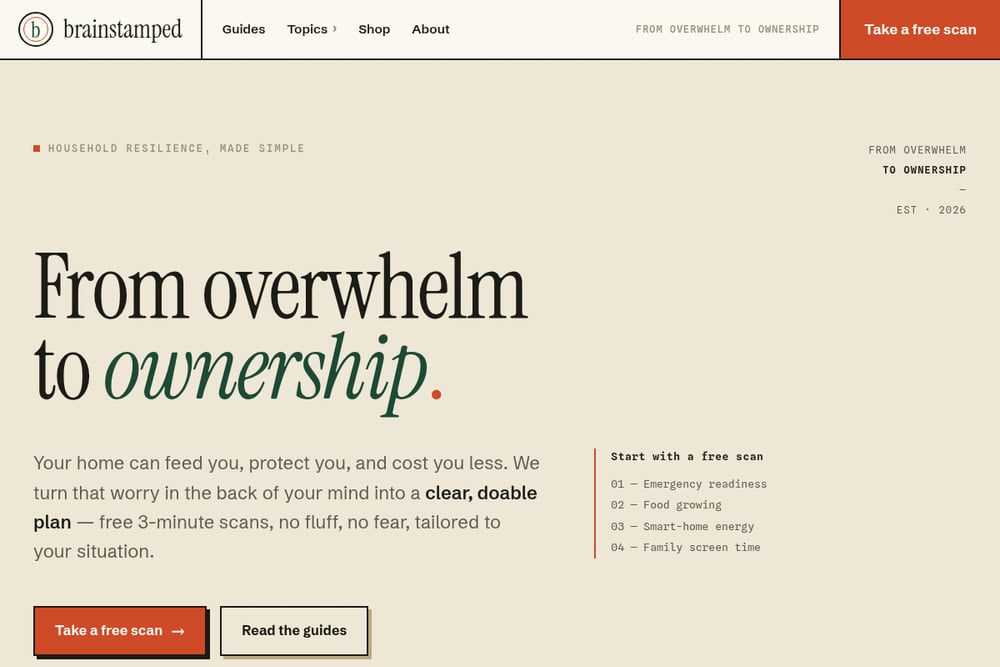 A screenshot of the Brainstamped website.
Brainstamped flips the script by starting with a free 3-minute scan instead of a long checklist. You answer a few quick questions about your home, and it spits out a personalized action plan for emergency readiness, food growing, or energy savings. It's less about buying gear and more about figuring out what you actually need to do first. If you're the type who gets paralyzed by too many options, this tool cuts through the clutter and gives you a clear next step. It's education-first, product-free, and built for people who want to stop feeling stuck.
#5 BayREN
 A screenshot of the BayREN website.
BayREN's Home Resilience Guide is a deep dive into making your home more energy efficient, water smart, and disaster-proof. It covers insulation, solar panels, wildfire protection, and indoor air quality—all in one downloadable PDF. The guide is free and backed by Sonoma County and the Bay Area Regional Energy Network, so it's got solid local expertise. If you're ready to go beyond a basic kit and actually upgrade your home's infrastructure, this is your resource.
How to Pick the Right Tool for Your Situation
Start with your biggest pain point. If you're staring at a blank page and don't know where to begin, go with Brainstamped—its 3-minute scan will give you a personalized starting point. If you just want a straightforward list of supplies to buy, Ready NC or the Red Cross are your best bets. If you're already a camper, REI will save you money by helping you repurpose gear. And if you're ready to invest in long-term home upgrades, BayREN's guide is the most thorough. Mix and match as needed.
How to Automate Your Home Preparedness Workflow
Start by taking the Brainstamped scan to identify your top three priorities. Then, use the Red Cross checklist to build a basic kit based on those priorities. Set a recurring calendar reminder every six months to check your supplies and update your plan. Finally, download the BayREN guide and tackle one upgrade per quarter—like adding insulation or installing a smart thermostat. This keeps you moving forward without the annual panic.
Stop Planning, Start Doing
The best preparedness tool is the one you actually use. Whether it's a 3-minute scan from Brainstamped or a full-blown home upgrade guide from BayREN, the key is to pick one and take the first step. You don't need to be ready for everything overnight. You just need to be a little more ready than you were yesterday. These five resources make that possible without the headache.