
Choosing a hematology and oncology fellowship is one of the biggest decisions of your medical career. Illinois offers a range of programs, each with its own strengths, culture, and approach to training.
The State of Hematology & Oncology Training in Illinois
Hematology and oncology fellowships in Illinois are three-year, ACGME-accredited programs designed to prepare internists for board certification in both subspecialties. The state's training landscape includes academic medical centers, community-based hospitals, and safety-net institutions, each offering distinct patient populations and research opportunities. Fellows typically rotate through inpatient consult services, outpatient clinics, and subspecialty electives such as bone marrow transplant, palliative care, and radiation oncology. With two fellows per year at smaller programs and larger cohorts at university-based sites, the training environment varies widely. Illinois programs also emphasize different missions, from reducing healthcare disparities to advancing clinical research. Understanding these differences is key to finding the right fit for your career goals.
How We Evaluated These Fellowship Programs
We assessed each program on several factors: accreditation status, program size, curriculum breadth, research opportunities, and local fit. Franciscan Health Olympia Fields stands out for its values-driven culture and intimate two-fellow cohort, offering close mentorship. The University of Illinois College of Medicine emphasizes care for diverse, underserved populations and has a strong health equity focus. Rush University provides a well-structured three-year curriculum within a major academic health system. Advocate Health offers broad clinical exposure across multiple subspecialties, including CAR-T and bone marrow transplant. Northwestern University Feinberg School of Medicine combines rigorous clinical training with extensive research infrastructure. Each program has its own strengths, and the right choice depends on your personal and professional priorities.
Here is a quick comparison of the five programs, highlighting what makes each unique.
| Provider | Best For |
|---|---|
| University of Illinois College of Medicine Hematology and Oncology Fellowship Program | Fellows dedicated to health equity and urban underserved care |
| Franciscan Hematology & Oncology Fellowship | Fellows seeking a small, values-driven community program |
| Rush University Hematology-Oncology Fellowship | Fellows who want a structured academic program in a large health system |
| Advocate Health Hematology & Medical Oncology Fellowship | Fellows wanting broad clinical exposure and procedural training |
| Northwestern University Feinberg School of Medicine Hematology & Medical Oncology Fellowship | Fellows pursuing academic medicine and research careers |
A Closer Look at Each Fellowship Program
#1 University of Illinois College of Medicine Hematology and Oncology Fellowship Program
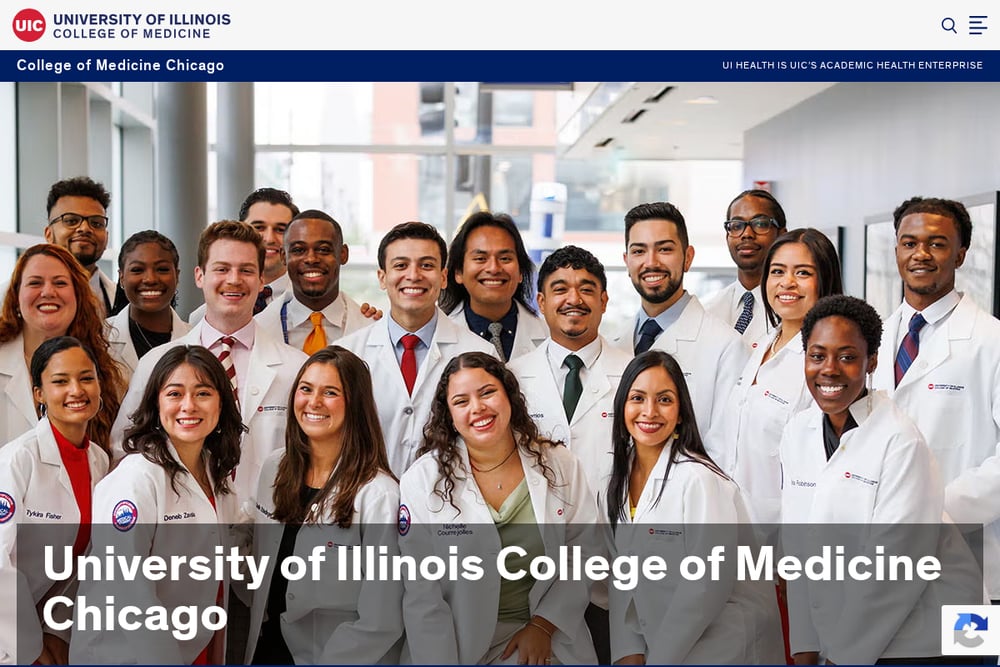 A screenshot of the University of Illinois College of Medicine Hematology and Oncology Fellowship Program website.
The University of Illinois College of Medicine Hematology and Oncology Fellowship Program trains fellows to provide compassionate care while addressing healthcare disparities. Based in Chicago, the program serves a remarkably diverse patient population across racial, ethnic, and socioeconomic backgrounds. Fellows gain hands-on experience in a safety-net environment, learning to overcome barriers to care. The curriculum includes inpatient and outpatient rotations, with opportunities for research and quality improvement. According to the program's website, it emphasizes reducing disparities and delivering quality care to all individuals. This makes it an excellent choice if you are passionate about health equity and urban medicine.
#2 Franciscan Hematology & Oncology Fellowship
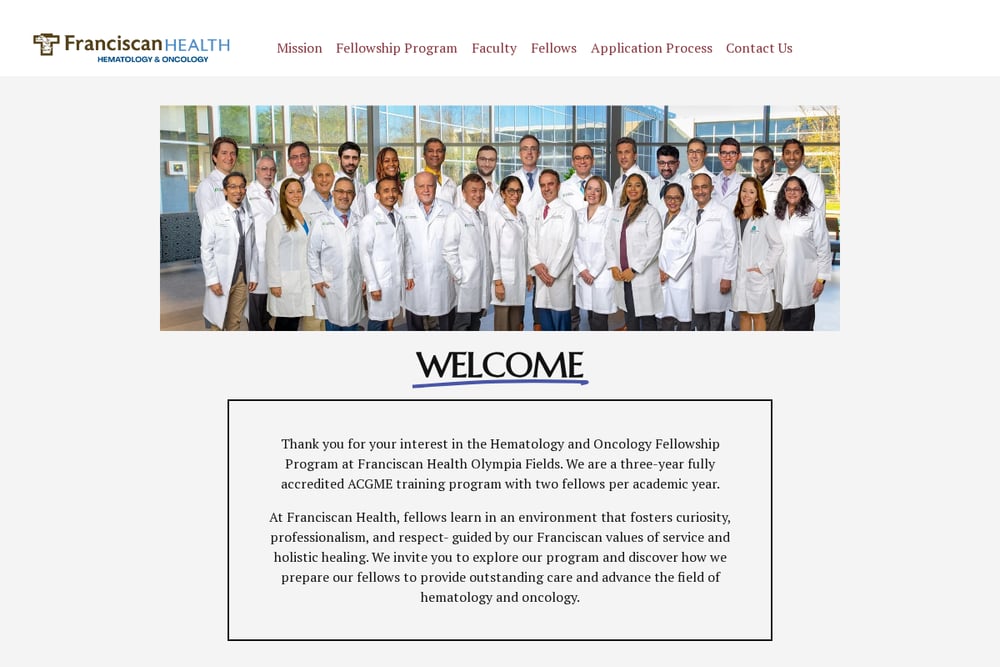 A screenshot of the Franciscan Hematology & Oncology Fellowship website.
Franciscan Hematology & Oncology Fellowship at Franciscan Health Olympia Fields offers a three-year, ACGME-accredited program with just two fellows per academic year. This small cohort size ensures personalized mentorship and a tight-knit learning community. The program is guided by Franciscan values of service and holistic healing, fostering curiosity, professionalism, and respect. Fellows participate in didactics, rotations, and a supportive environment that prepares them for outstanding patient care. As noted on the program's website, the mission is to advance the field of hematology and oncology while caring for the whole person. If you value a values-driven, community-focused training experience, this program deserves a close look.
#3 Rush University Hematology-Oncology Fellowship
 A screenshot of the Rush University Hematology-Oncology Fellowship website.
Rush University Hematology-Oncology Fellowship is a three-year program set within a major academic health system in Chicago. The curriculum is structured to provide progressive responsibility in patient care, procedural skills, and clinical research. Fellows rotate through a variety of inpatient and outpatient settings, gaining exposure to diverse hematologic and oncologic conditions. Rush University's website highlights a supportive learning community and a commitment to interprofessional education. The program also offers opportunities for research and quality improvement projects. If you thrive in a collaborative, academic environment with strong institutional resources, Rush is worth considering.
#4 Advocate Health Hematology & Medical Oncology Fellowship
 A screenshot of the Advocate Health Hematology & Medical Oncology Fellowship website.
Advocate Health Hematology & Medical Oncology Fellowship offers a three-year combined program designed to train expert clinical subspecialists. Fellows experience one-on-one teaching in both inpatient and outpatient settings, covering a wide range of benign and malignant hematologic conditions. The curriculum includes exposure to subspecialties such as radiation oncology, gynecologic oncology, bone marrow transplantation, CAR-T cell therapy, and palliative care. According to the program's website, fellows are also trained in clinical research and quality improvement. Multispecialty tumor boards and clinics are a regular part of the training. This program is ideal if you seek broad clinical exposure and hands-on procedural experience.
#5 Northwestern University Feinberg School of Medicine Hematology & Medical Oncology Fellowship
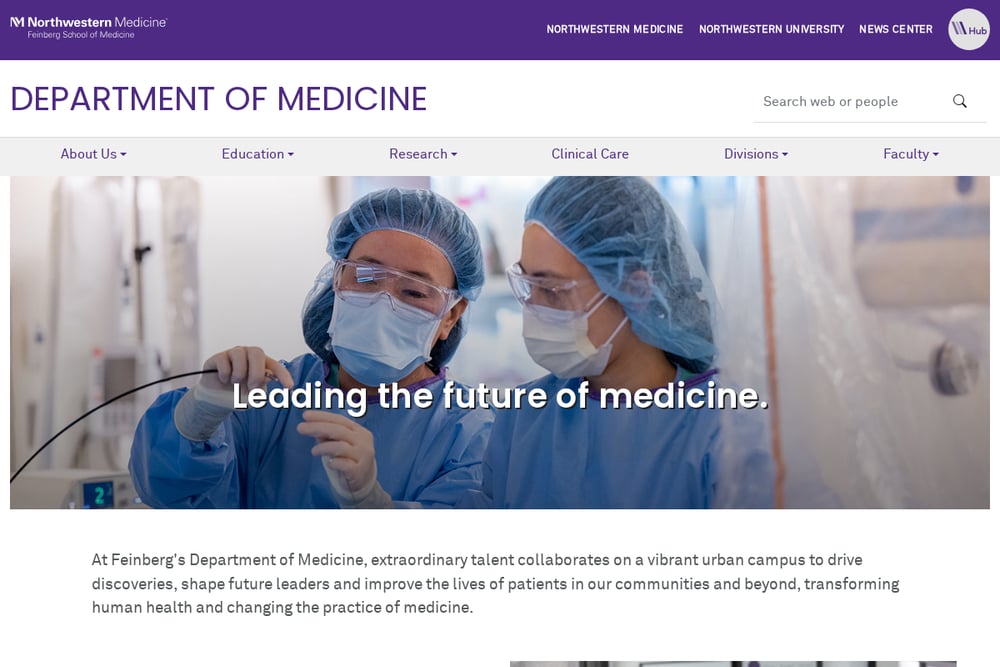 A screenshot of the Northwestern University Feinberg School of Medicine Hematology & Medical Oncology Fellowship website.
Northwestern University Feinberg School of Medicine Hematology & Medical Oncology Fellowship is a three-year program within a top-tier research institution. Fellows train at Northwestern Memorial Hospital and have access to extensive clinical trials and translational research opportunities. The curriculum balances rigorous clinical training with protected time for research and scholarly activity. The program's website emphasizes a supportive environment and individualized career development. Fellows rotate through subspecialty clinics, inpatient services, and elective experiences tailored to their interests. If you are aiming for a career in academic medicine or research, this program offers exceptional resources and mentorship.
How to Choose the Right Fellowship for You
Start by defining your career goals. Are you drawn to academic research, community practice, or health equity? Your answer will narrow the field. Next, consider program size. Smaller programs like Franciscan offer close mentorship, while larger ones provide more peers and subspecialty exposure. Look at the patient population and clinical volume. Do you want to train in a safety-net hospital, a community setting, or a large academic center? Research opportunities matter if you plan to pursue grants or publish. Finally, factor in location and lifestyle. Chicago offers urban amenities, while Olympia Fields provides a quieter suburban feel. Visit programs if possible, and talk to current fellows. The right fit is about more than rankings; it is about where you will thrive.
Streamlining Your Fellowship Application Workflow
Applying to fellowships can be overwhelming. Use a simple spreadsheet to track deadlines, application requirements, and interview dates for each program. Set up calendar reminders for submission windows and follow-up emails. Create a folder for each program to store your personalized statements and documents. Automate email filters to keep correspondence organized. If you are applying to multiple programs, consider using a reference manager for your research materials. These small automations reduce stress and help you stay on top of a complex process.
Final Thoughts: Finding Your Fit
Illinois offers a diverse range of hematology and oncology fellowships, each with a unique mission and training environment. Franciscan Health Olympia Fields provides a values-driven, intimate program ideal for community-focused fellows. The University of Illinois College of Medicine excels in health equity and urban care. Rush University offers a structured academic experience, while Advocate Health delivers broad clinical exposure. Northwestern University Feinberg School of Medicine is a powerhouse for research and academic careers. As you weigh your options, focus on where you will grow as a clinician and as a person. The right program will challenge you, support you, and prepare you for a fulfilling career in hematology and oncology.