
If you're in healthcare leadership, you know the staffing crunch is real. These five workforce development programs are stepping up to train, retain, and empower your team.
The State of Healthcare Workforce Development
The healthcare industry is facing unprecedented staffing shortages, especially in nursing and senior living. Traditional education pipelines aren't keeping pace, so organizations are turning to specialized workforce development programs. These programs offer targeted training, from CNA certification to nurse residency, and they're designed to boost retention and skill acquisition. The best ones partner with industry leaders to keep curricula current and provide data on ROI. For you, choosing the right program can mean the difference between chronic understaffing and a thriving, stable workforce.
How We Evaluated These Programs
We looked at each program's service scope, pricing clarity, and local fit. Service scope covers the range of training offered, from entry-level CNA to advanced nurse educator. Pricing clarity considers how transparent they are about costs and financial aid. Local fit assesses how well they serve specific regions or communities. We also noted each program's unique strengths, like OpusVi's impact dashboards or Dwyer's wraparound support, to help you match them to your needs.
Here's a quick snapshot of each program to help you compare at a glance.
| Provider | Best For |
|---|---|
| Healthcare Workforce Training Institute | Entry-level healthcare certification in Wisconsin |
| OpusVi Healthcare Workforce Development | Data-driven workforce retention and upskilling |
| Dwyer Workforce Development | Free training with wraparound support for new healthcare workers |
| Health Care Connect | Regional workforce training and micro-credentials in Pennsylvania |
| Hamilton Health Center | Affordable CCMA training with hands-on clinical experience |
A Closer Look at Each Program
#1 Healthcare Workforce Training Institute
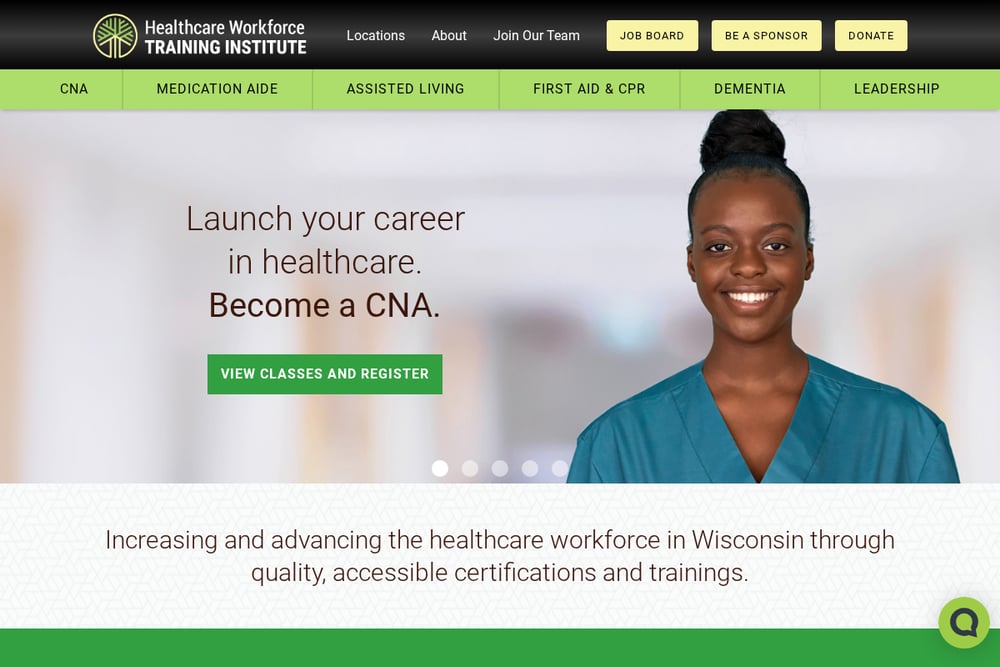 A screenshot of the Healthcare Workforce Training Institute website.
Based in Wisconsin, this institute focuses on accessible, quality certifications like CNA, medication aide, and assisted living training. They offer online live learning options and have multiple locations across the state, making it easy for you to get trained quickly. Their instructors are mostly registered nurses with real patient care experience, so you learn from the front lines. They also provide tuition assistance and reimbursement options, which is great if you're budget-conscious. If you're in the Midwest, this is a solid, practical choice for entry-level healthcare roles.
#2 OpusVi Healthcare Workforce Development
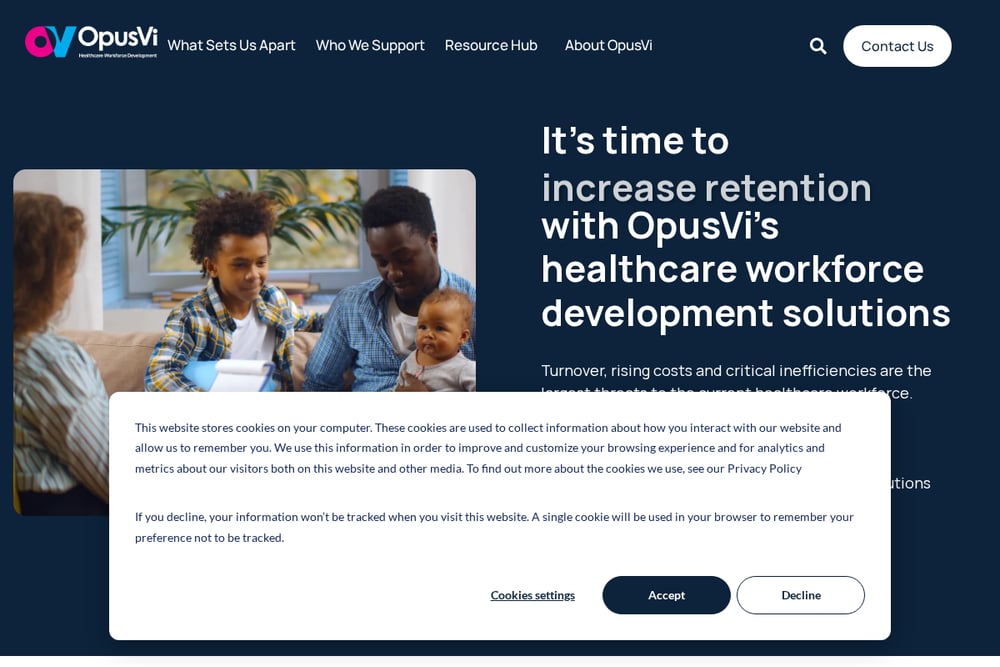 A screenshot of the OpusVi Healthcare Workforce Development website.
OpusVi stands out with its transformative, healthcare-specific programs like Nurse Residency and CNA training, designed for hospitals and senior living facilities. They partner with industry leaders to ensure the curriculum is current and relevant, so your staff learns the latest practices. Their impact dashboard gives you unprecedented data on program ROI, which is a game-changer for justifying investments. Case studies show impressive results, like CommonSpirit Health achieving 92% retention with their Nurse Residency program. If you're looking to upskill your existing workforce and reduce turnover, OpusVi offers a data-driven approach that delivers measurable outcomes.
#3 Dwyer Workforce Development
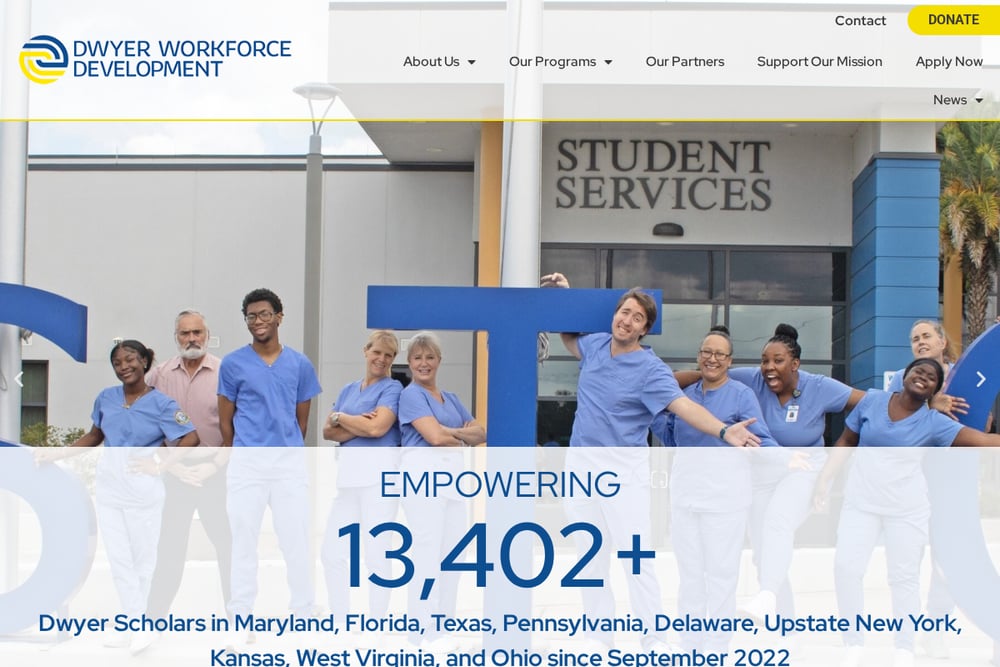 A screenshot of the Dwyer Workforce Development website.
Dwyer Workforce Development offers free healthcare career training, focusing on CNA and GNA certification. As a Dwyer Scholar, you get wraparound services like case management, coaching, and job placement, which is perfect if you're starting fresh. They partner with healthcare employers to create clear pathways to employment, so you're not just trained—you're hired. Their program is life-changing for individuals seeking a stable, fulfilling career in healthcare. If you're an employer, this is a great pipeline for entry-level talent, especially in underserved communities.
#4 Health Care Connect
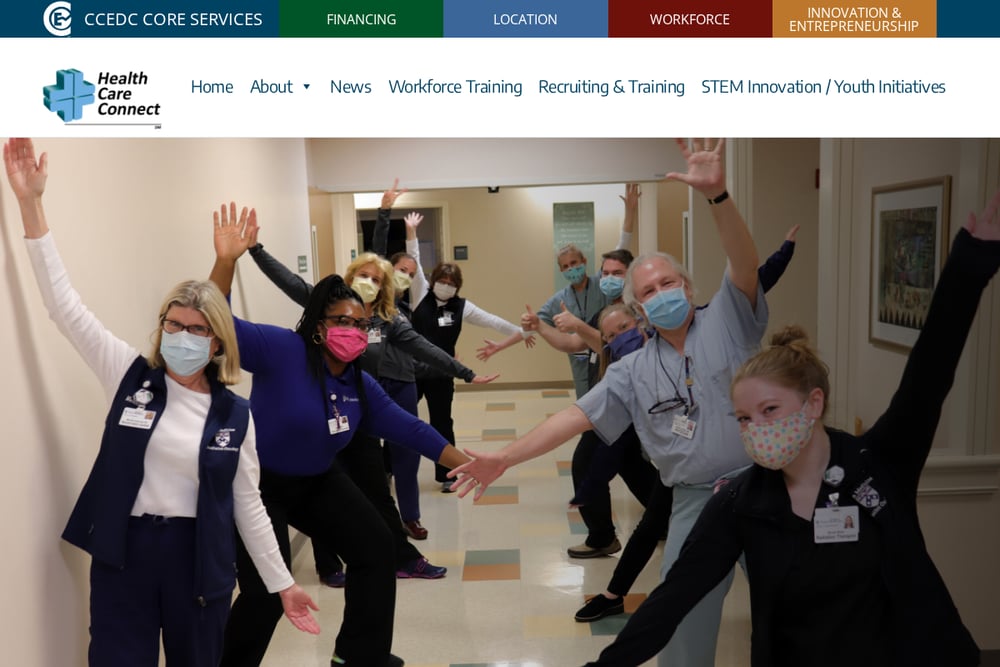 A screenshot of the Health Care Connect website.
Health Care Connect, based in Chester County, PA, focuses on workforce training that bridges education and employment. They collaborate with educational providers and healthcare employers to expand skills for incumbent workers and offer entry-level opportunities. Their micro-credential programs are flexible and tailored to meet specific regional needs, which is ideal if you're looking for quick upskilling. They also work with the PA Department of Labor & Industry, so you know they're aligned with state workforce goals. For local healthcare employers, this is a strategic partner to build a skilled talent pool.
#5 Hamilton Health Center
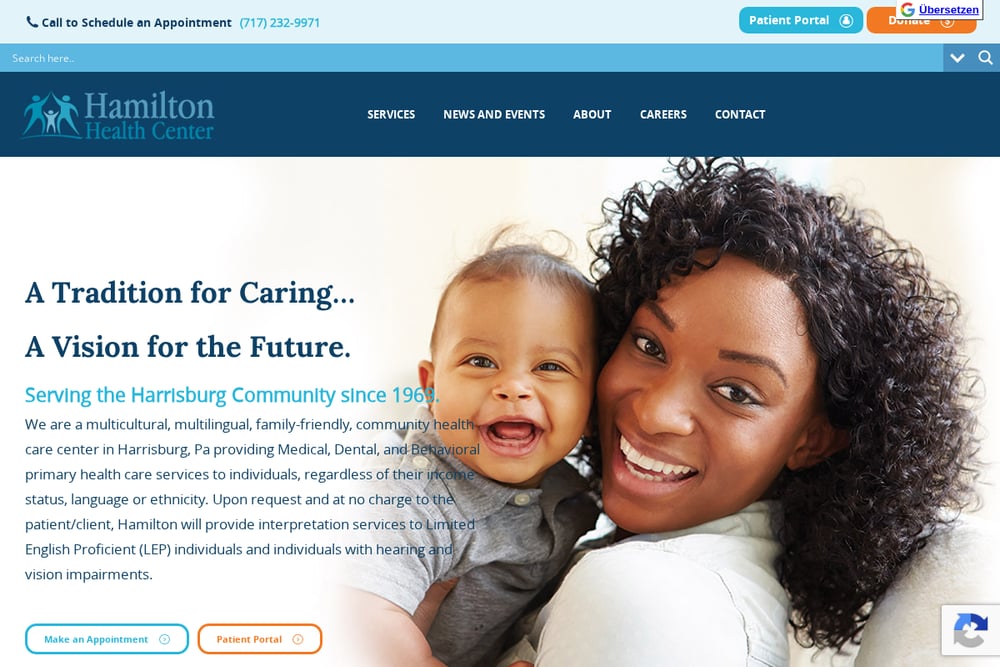 A screenshot of the Hamilton Health Center website.
Hamilton Health Center, a Federally Qualified Health Center in Harrisburg, PA, offers a pathway to becoming a Certified Clinical Medical Assistant (CCMA). They partner with local organizations to provide affordable training with hands-on learning in real primary care clinics. This is perfect if you're looking for practical, on-the-job experience while you train. They also collaborate with Harrisburg University for advanced programs, so there's room to grow. For those seeking a career in primary care, this program offers a direct route to certification and employment.
How to Choose the Right Program for You
Start by identifying your biggest pain point: is it entry-level hiring, retention, or upskilling? If you need quick certifications for new staff, look at programs like Healthcare Workforce Training Institute or Dwyer. For retention and advanced training, OpusVi's data-driven approach is worth the investment. Consider your location—local programs like Health Care Connect and Hamilton Health Center offer regional advantages. Also, check pricing transparency and financial aid options; some programs are free, others require a budget. Finally, ask for case studies or ROI data to see real-world impact before you commit.
Streamlining Your Workforce Development with Automation
You can automate the tracking of your workforce development programs by using an impact dashboard like OpusVi's. Set up automated reporting to monitor completion rates, retention, and ROI. Use scheduling tools to automate training sessions and reminders for your staff. Integrate your HR system with these platforms to streamline enrollment and certification tracking. This way, you spend less time on admin and more time on strategic decisions.
The Bottom Line
Investing in workforce development is no longer optional—it's a survival strategy. Whether you choose OpusVi for its data-driven approach or a local program for its community focus, the key is to act now. Each of these five programs offers unique strengths, so match them to your specific needs. Your staff will gain skills, your retention will improve, and your organization will thrive. Don't wait for the staffing crisis to solve itself; take charge today.