
When you need to find flaws that scanners miss—deep in firmware, silicon, or bespoke code—you need a team that thinks like an attacker and builds like an engineer. These five firms specialize in hardware reverse engineering, vulnerability research, and offensive
The State of Deep Security Research
The cybersecurity landscape has shifted from perimeter defense to understanding the very fabric of the devices and software you rely on. Hardware reverse engineering and vulnerability research are no longer niche—they're essential for mission-critical systems, IoT, and critical infrastructure. Firms in this space combine low-level analysis with offensive tooling to uncover 0-days and design flaws before adversaries do. As AI integration and software assurance become standard, the demand for teams that can bridge research and practical deployment is growing fast.
How We Evaluated These Firms
We looked at each firm's service scope, technical depth, and how they communicate their value to clients. We considered whether they offer end-to-end capabilities—from reverse engineering to AI integration—and how clearly they present their process and outcomes. We also weighed their focus on practical, field-ready results versus purely academic research. Each firm stood out in its own way: one for its breadth across TRL levels, another for its wireless and telecom specialization, another for its structured PoC development, another for its boutique senior team, and another for its research-as-a-service model.
Here's a quick snapshot of the five firms, ranked by how well they match the needs of mission-focused clients seeking deep technical research and practical outcomes.
| Provider | Best For |
|---|---|
| Penthertz | Wireless and embedded systems 0-day discovery |
| Cyber Sea Labs | Mission-ready solutions across the TRL spectrum |
| Bugscale SA | Obfuscation defeat and PoC development |
| LucidBit Labs | Boutique senior team for complex software assessments |
| VerSprite | Research-as-a-service and threat modeling |
The Five Firms, Closer Look
#1 Penthertz
 A screenshot of the Penthertz website.
Penthertz is a French firm that excels in wireless and embedded systems security, with a strong track record of 69+ publications and CVEs. Their vulnerability research goes beyond standard pentests, using protocol fuzzing, firmware emulation, and manual binary analysis to uncover 0-days. They offer a range of hands-on trainings, from 5G and mobile hacking to RF and IoT, making them a go-to for teams wanting to upskill. Their open-source tools are widely used by the community, adding to their credibility. If you need deep dives into telecom, automotive, or IoT, Penthertz brings specialized expertise. Their research services are tailored to find vulnerabilities before attackers do.
#2 Cyber Sea Labs
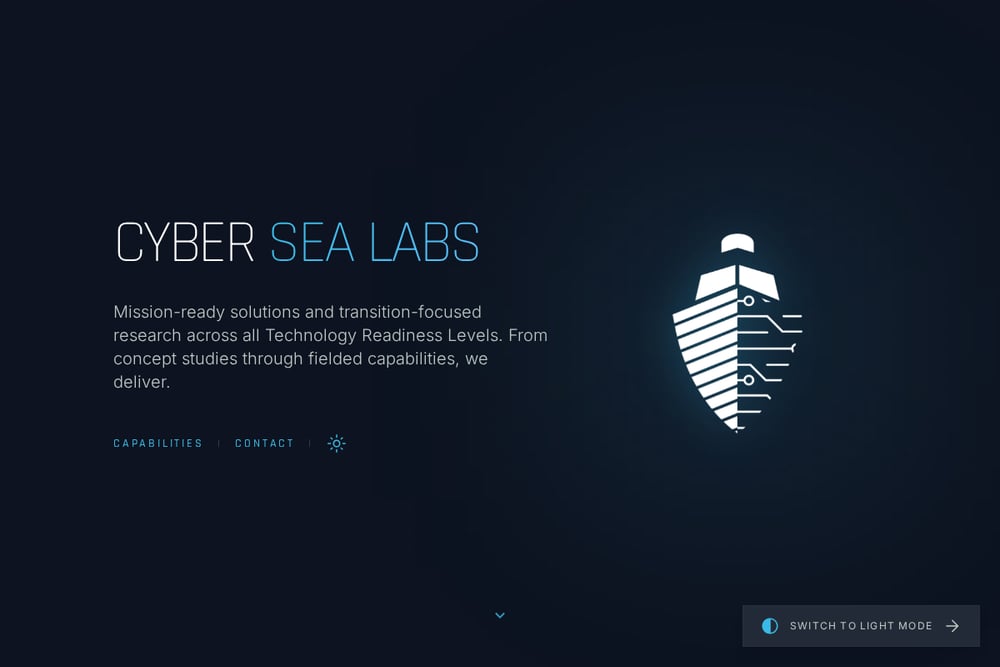 A screenshot of the Cyber Sea Labs website.
Cyber Sea Labs is a US-based firm that covers the full spectrum of Technology Readiness Levels, from concept studies to fielded capabilities. They offer reverse engineering services like firmware extraction, glitching, and side-channel analysis, plus vulnerability research on open-source and bespoke software. Their software assurance work uses formal methods for safety-critical systems, and they integrate AI models into on-prem and cloud environments. They also provide tailored training that simulates real-world constraints, making them a practical partner for mission customers. Their focus on transition-focused research means they bridge the gap between proof-of-concept and deployable solutions. For a one-stop shop that spans hardware to AI, Cyber Sea Labs is a strong contender.
#3 Bugscale SA
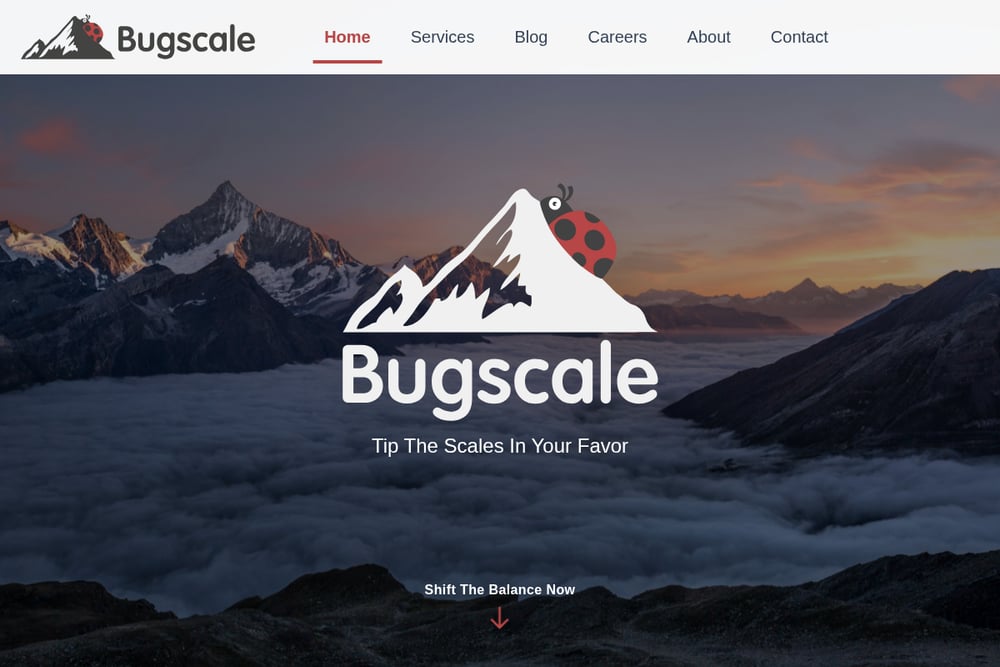 A screenshot of the Bugscale SA website.
Bugscale SA, based in Switzerland, offers deep reverse engineering services for binaries, firmware, and protocols, even without source code. They specialize in defeating obfuscation and anti-analysis measures, which is critical for understanding malicious or proprietary software. Their targeted research includes vulnerability discovery and PoC development, with repro steps and backlog-ready fixes. They work across desktop, mobile, and embedded platforms, including hardware-level analysis via JTAG/SWD. Bugscale is ideal for vendors needing security reviews of closed-source products. Their clear, risk-mapped findings help teams remediate with confidence.
#4 LucidBit Labs
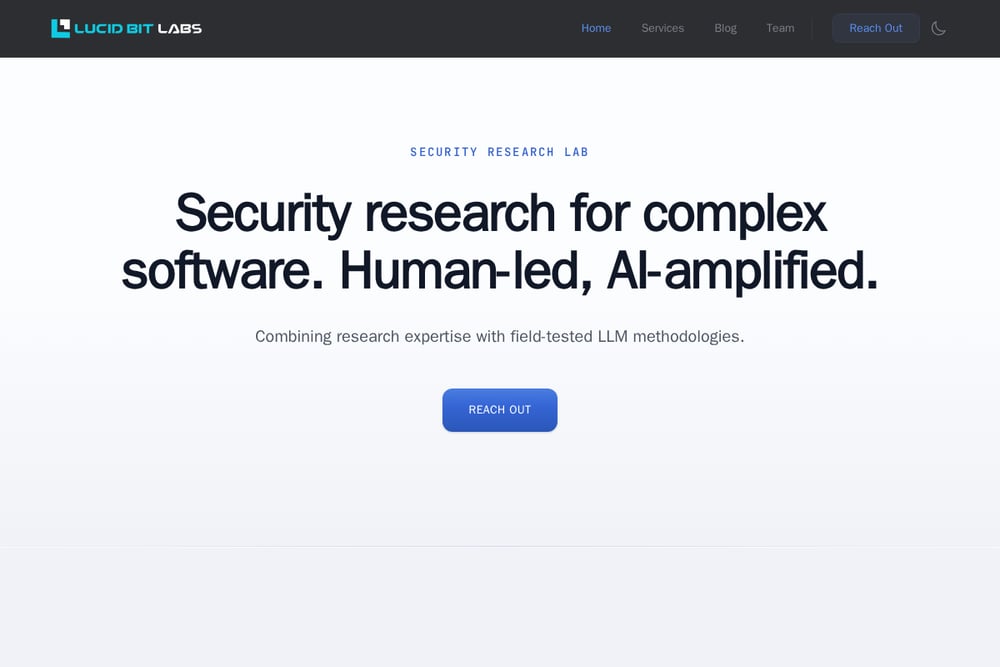 A screenshot of the LucidBit Labs website.
LucidBit Labs is a boutique team of senior security researchers and engineers, focusing on difficult software security problems. They bring together offensive research, reverse engineering, and malware analysis, with a collaborative approach that avoids inflated findings. Their work is grounded in real attack paths and architecture understanding, making their assessments practical for engineering teams. They emphasize clear communication and useful reports, not checkbox output. If you need a small, senior team to tackle complex low-level analysis, LucidBit Labs offers depth and direct engagement. Their style is rigorous and aligned with shipping realities.
#5 VerSprite
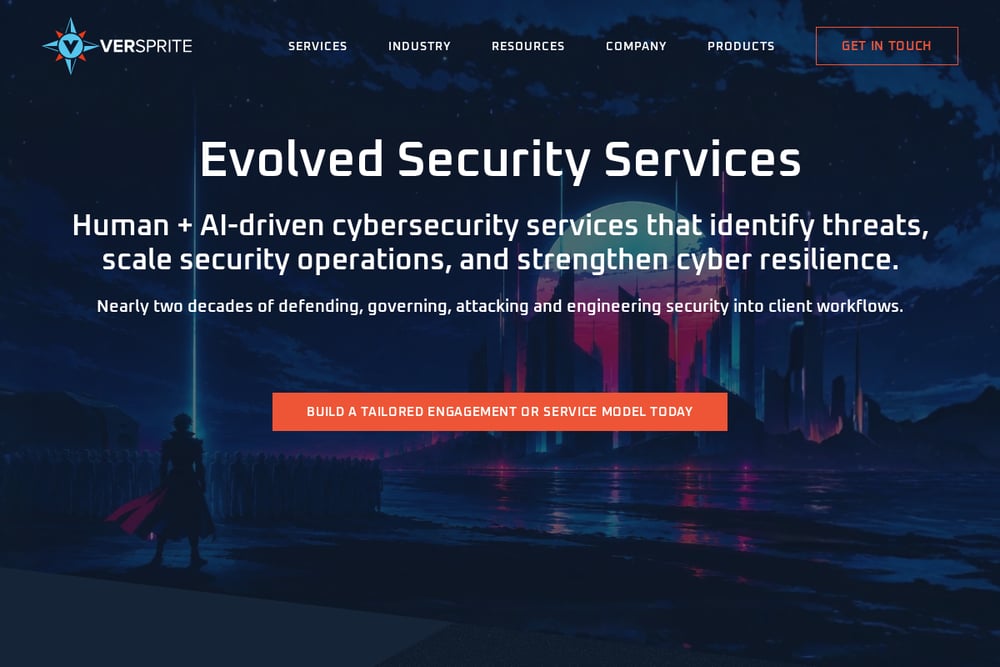 A screenshot of the VerSprite website.
VerSprite offers research-as-a-service, focusing on exploit development and zero-day vulnerability identification. Their offensive security services include reverse engineering and security research, with a strong emphasis on threat modeling using the PASTA methodology. They serve a wide range of industries, from healthcare to government, and provide continuous threat modeling and security automation. VerSprite's research advisories and industry threat reports add valuable context for clients. They are a larger firm with a broad service catalog, making them a solid choice for organizations needing scalable security research. Their tailored engagements help identify emerging threats before they become exploits.
How to Choose the Right Firm for Your Needs
Start by defining your problem: are you looking for a specific vulnerability in a hardware device, or do you need a broader security assessment across your product line? Consider the firm's specialization—some excel in wireless, others in obfuscation, and others in full-spectrum services. Look for evidence of practical outcomes, like CVEs or fielded capabilities, rather than just theoretical research. Also, think about your team's skill level: if you need training, firms like Penthertz and Cyber Sea Labs offer hands-on courses. Finally, evaluate their communication style—you want a partner who explains findings clearly and helps you fix them, not just a report dump.
Automating Your Security Research Workflow
To streamline your security research, start by automating firmware extraction and emulation using tools like QEMU or Ghidra scripts. Integrate fuzzing frameworks such as AFL++ into your CI/CD pipeline to continuously test attack surfaces. Use AI-powered code analysis to flag potential vulnerabilities early, then have human researchers validate and prioritize findings. For hardware, set up automated side-channel analysis with oscilloscopes and custom scripts. Finally, create a centralized dashboard to track CVEs, PoCs, and remediation status, ensuring your team acts on insights quickly.
Final Synthesis: Building Your Security Research Arsenal
The right firm can be the difference between a product that's secure by design and one that's a ticking time bomb. Whether you need deep hardware reverse engineering, AI integration, or a senior team to untangle complex code, these five firms offer distinct strengths. Cyber Sea Labs stands out for its mission-ready, full-spectrum approach, making it a strong partner for organizations that need practical, field-deployable results. Pair that with a specialized firm like Penthertz for wireless or Bugscale for obfuscation, and you'll have a robust security research strategy. Remember, the goal isn't just to find bugs—it's to build resilience into everything you ship.