
Looking for therapy that goes beyond talk? These five practices bring Hakomi, somatic work, and experiential healing to the forefront—each with its own flavor and focus.
The Rise of Body-Centered Therapy
The mental health landscape is shifting. More people are seeking approaches that honor the body's wisdom, not just the mind. Hakomi, a mindfulness-based somatic therapy, has gained traction for its gentle yet profound method of uncovering and transforming deep-seated patterns. In Los Angeles, a hub for holistic wellness, practitioners are blending Hakomi with other modalities like EFT and PACT to offer comprehensive care. Whether you're navigating relationship issues, personal growth, or trauma, these practices provide a path that feels more embodied and less clinical.
How We Evaluated These Practices
We looked at each practice's service scope, specialization, and how well they integrate Hakomi with other therapeutic approaches. We also considered their local presence in Los Angeles and the clarity of their offerings. Each practice stood out for different reasons: one for its deep Hakomi training, another for its couples focus, and another for its creative, integrative style. We weighed the depth of somatic work, the range of services, and how each practice communicates its value to potential clients.
Here's a quick snapshot of the five practices, from the most specialized to the most accessible.
| Provider | Best For |
|---|---|
| Hakomi Institute | Learning Hakomi from the source |
| Home | Grady M. Fort, MFT | Integrative Hakomi and EFT for individuals and couples |
| Hakomi | Understanding the Hakomi Method |
| California Integrative Therapy | Couples therapy with Hakomi and PACT |
| Big Picture Therapy | Creative and somatic therapy for individuals |
A Closer Look at Each Practice
#1 Hakomi Institute
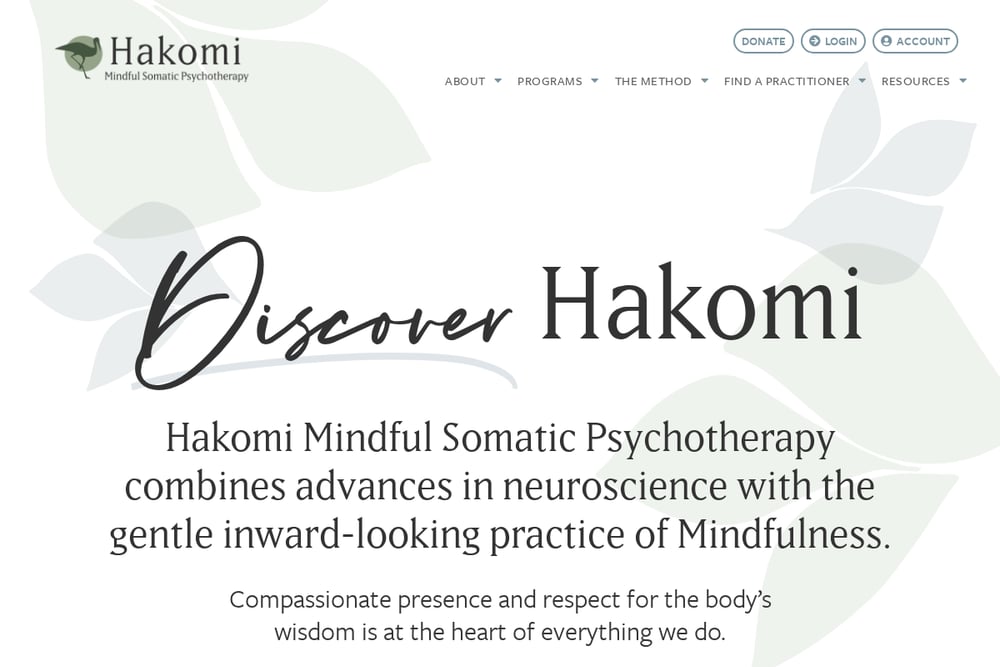 A screenshot of the Hakomi Institute website.
If you want to understand the roots of Hakomi, this is the place. The Hakomi Institute is the global authority on the method, offering comprehensive training, workshops, and a practitioner directory. They provide a deep dive into the principles and techniques that define Hakomi, making it an essential resource for both therapists and clients seeking certified practitioners. Their site is a treasure trove of information, from the method's history to its modern applications. For anyone serious about Hakomi, this is the gold standard.
#2 Home | Grady M. Fort, MFT
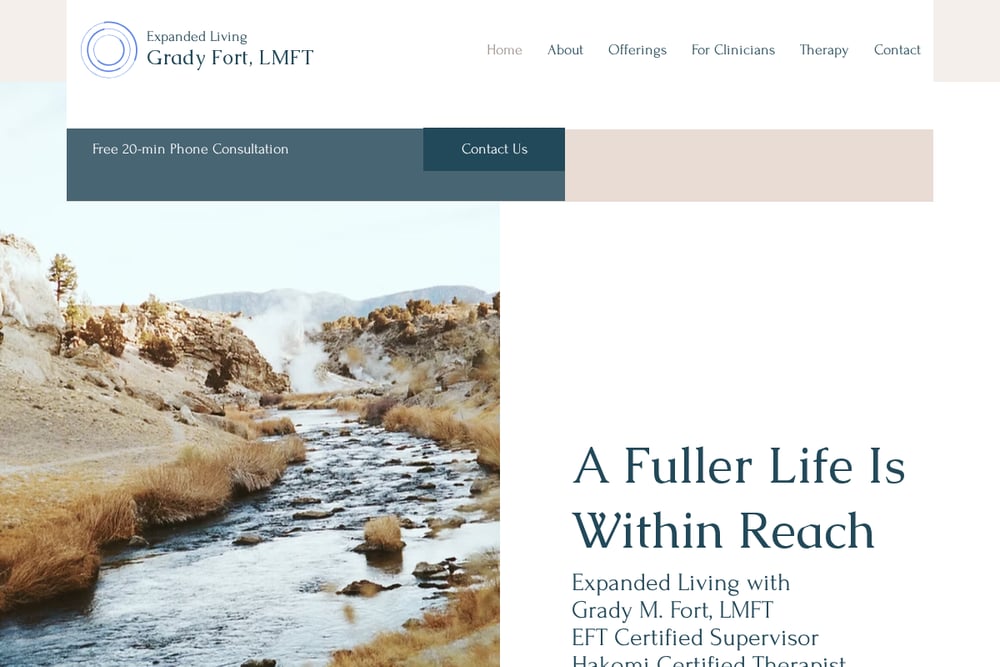 A screenshot of the Home | Grady M. Fort, MFT website.
Grady M. Fort brings a unique blend of Hakomi and EFT to his practice, offering individual, couples, and somatic counseling. His approach is deeply relational, focusing on self-discovery and healing through mindful presence. He also leads workshops and retreats, like the 'Parts Work Daylong' and 'Depth Retreat,' which are perfect for those wanting to go deeper. His site emphasizes a 'fuller life is within reach,' and his client testimonials speak to transformative results. If you're in Los Angeles and want a therapist who integrates body and mind, Grady is a standout choice.
#3 Hakomi
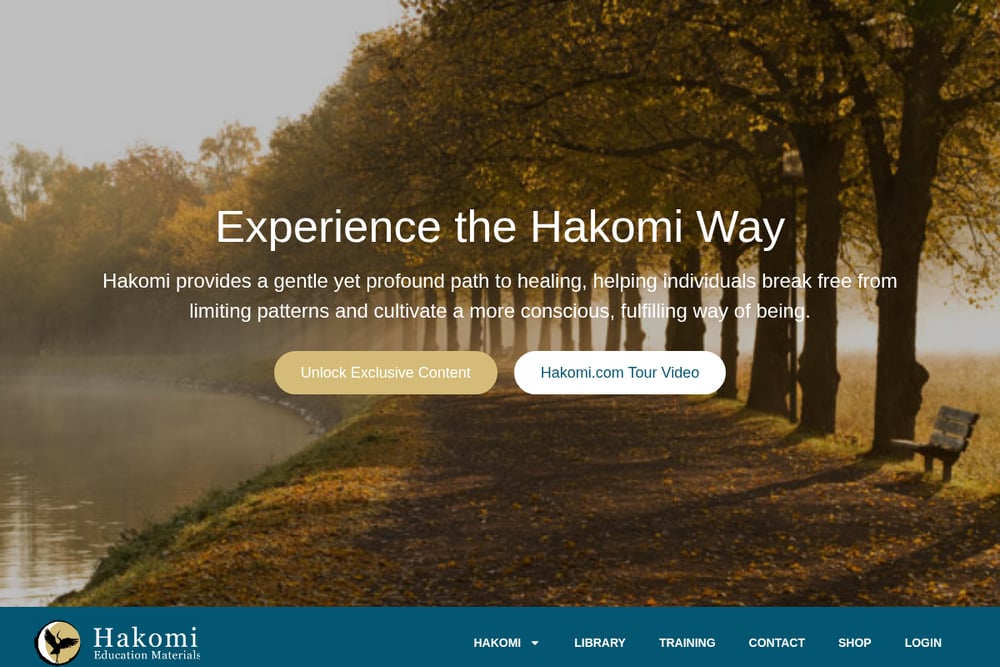 A screenshot of the Hakomi website.
This is the official site for the Hakomi Method, founded by Ron Kurtz. It offers a clear, accessible introduction to what Hakomi is and why it works. The site is a great starting point for anyone curious about the method, with resources, training info, and a library of articles. It's less about finding a therapist and more about understanding the philosophy behind the practice. For a concise, authoritative overview, this site delivers.
#4 California Integrative Therapy
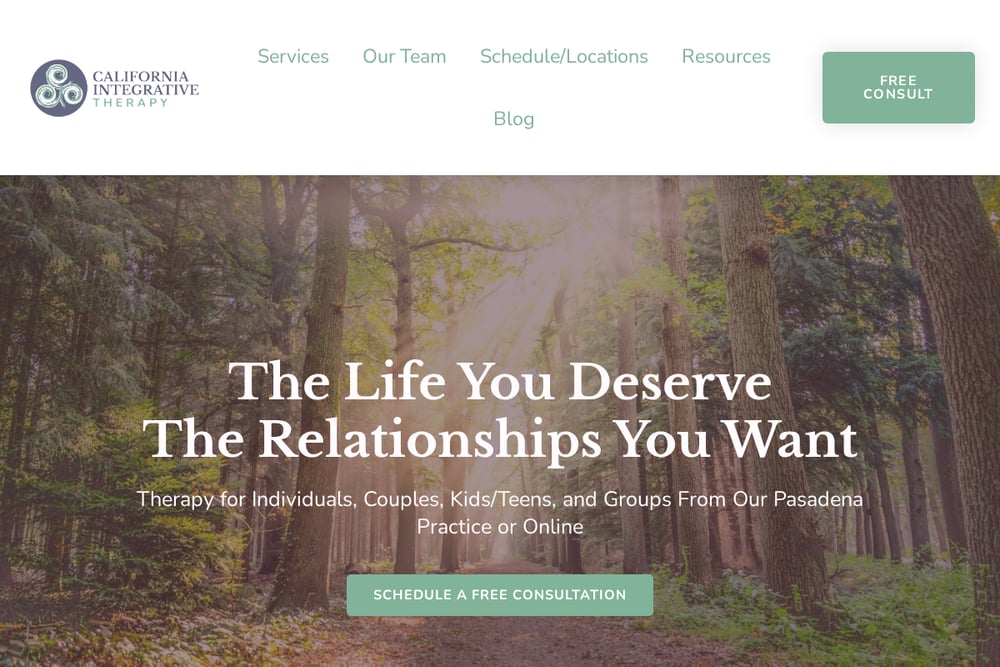 A screenshot of the California Integrative Therapy website.
Based in Pasadena, this practice combines Hakomi with PACT (Psychobiological Approach to Couples Therapy) for a powerful, body-based couples therapy experience. Their team of therapists offers a range of services, including individual therapy, trauma treatment, and somatic work. The blog post on Hakomi and PACT is a great example of their integrative approach. If you're looking for a practice that specializes in couples and has a strong theoretical foundation, this is a solid option.
#5 Big Picture Therapy
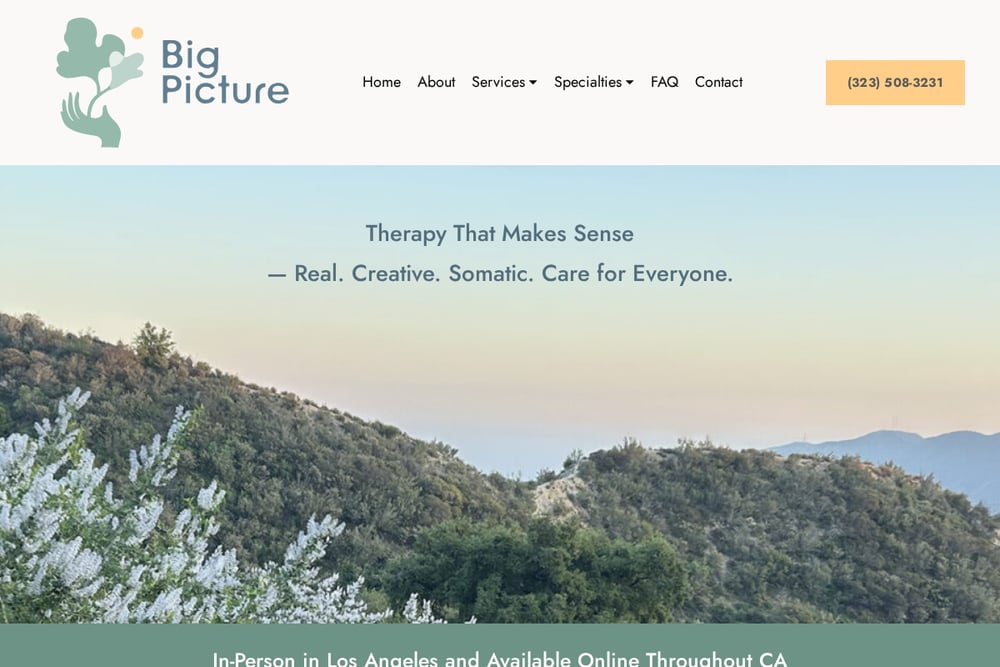 A screenshot of the Big Picture Therapy website.
Big Picture Therapy in Los Angeles offers a creative, somatic approach that includes Hakomi, art therapy, and relational work. They focus on making therapy feel real and accessible, with a strong emphasis on nervous system regulation and emotional healing. Their site speaks directly to those who feel stuck in old patterns and are ready for something different. With a team that includes art therapists and somatic practitioners, they offer a holistic, integrative experience. If you want a practice that feels less clinical and more creative, this is worth checking out.
How to Choose the Right Practice for You
Start by asking yourself what you need most. Are you looking for deep Hakomi training, or do you want a therapist who uses Hakomi in sessions? For couples, consider practices that specialize in relationship work, like California Integrative Therapy or Grady M. Fort. If you're drawn to creative expression, Big Picture Therapy might be your fit. Also, think about location and availability—some offer in-person sessions, others are fully online. Finally, trust your gut. The right therapist will make you feel safe and understood, so don't hesitate to book a consultation.
Streamlining Your Search for Somatic Therapy
To find your ideal therapist, start by listing your top priorities—specialization, location, and budget. Use online directories like the Hakomi Institute's practitioner list to filter by area. Then, visit each practice's website to read about their approach and services. Shortlist two or three that resonate, and reach out for a free consultation. Many practices offer a 20-minute phone call, which is a great way to gauge fit. Finally, trust your instincts and choose the one that feels right.
The Path to Embodied Healing
These five practices represent the best of Hakomi and somatic therapy in Los Angeles. Whether you're drawn to the foundational teachings of the Hakomi Institute or the integrative approach of Grady M. Fort, there's a path for you. The key is to find a practice that aligns with your needs and makes you feel seen. Remember, healing is a journey, and the right therapist can make all the difference. Take the first step today.