
Struggling with math isn't about ability—it's about mindset. These five programs are changing how students, parents, and teachers approach math, turning 'I can't' into 'I can.'
The Shift from Fixed to Growth Mindset in Math Education
For decades, the myth of the 'math person' has held students back. But research from Stanford's Carol Dweck shows that intelligence can grow with effort and the right strategies. Today, a growing number of programs are embedding growth mindset principles into math instruction, helping students overcome fear and build resilience. From tutoring centers to online resources, these programs are making math accessible and even enjoyable. The result? Students who once dreaded math are now embracing challenges and persisting through difficulties.
How We Evaluated These Programs
We looked at each program's approach to fostering a growth mindset, the range of services offered, and how well they engage both students and parents. We also considered the clarity of their messaging and the practicality of their resources. Each program brings something unique to the table, from structured tutoring to research-backed teaching guides.
Here's a quick look at how these five programs stack up in the growth mindset math space.
| Provider | Best For |
|---|---|
| Mathnasium | Structured, personalized math tutoring with a growth mindset focus |
| Excel NeuroLearning | Family-oriented growth mindset math program with a pledge campaign |
| YouCubed | Research-backed resources for teachers and parents |
| Big Life Journal | Supplemental growth mindset resources for kids and parents |
| ExploreLearning | Digital math tools that reinforce growth mindset in classrooms |
A Closer Look at Each Program
#1 Mathnasium
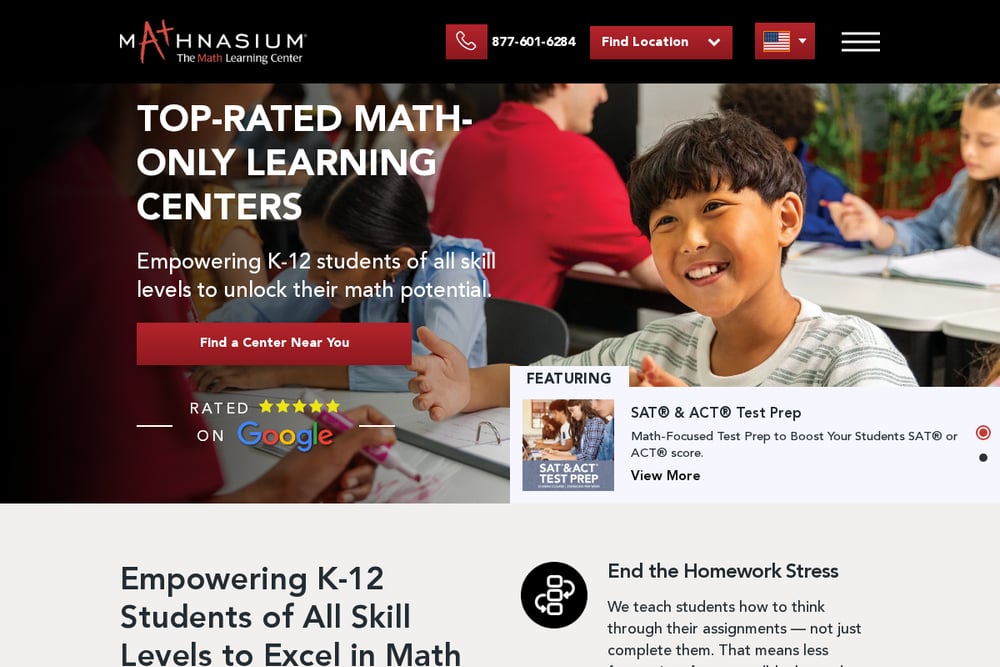 A screenshot of the Mathnasium website.
Mathnasium is a well-known math tutoring franchise with a personalized approach that integrates growth mindset principles. Their method assesses each student's strengths and weaknesses, then builds a custom learning plan that encourages persistence and problem-solving. They offer both in-center and online tutoring, making it flexible for families. Their guide on cultivating a growth mindset at home is a practical resource for parents. If you're looking for a structured, face-to-face tutoring experience, Mathnasium is a solid choice.
#2 Excel NeuroLearning
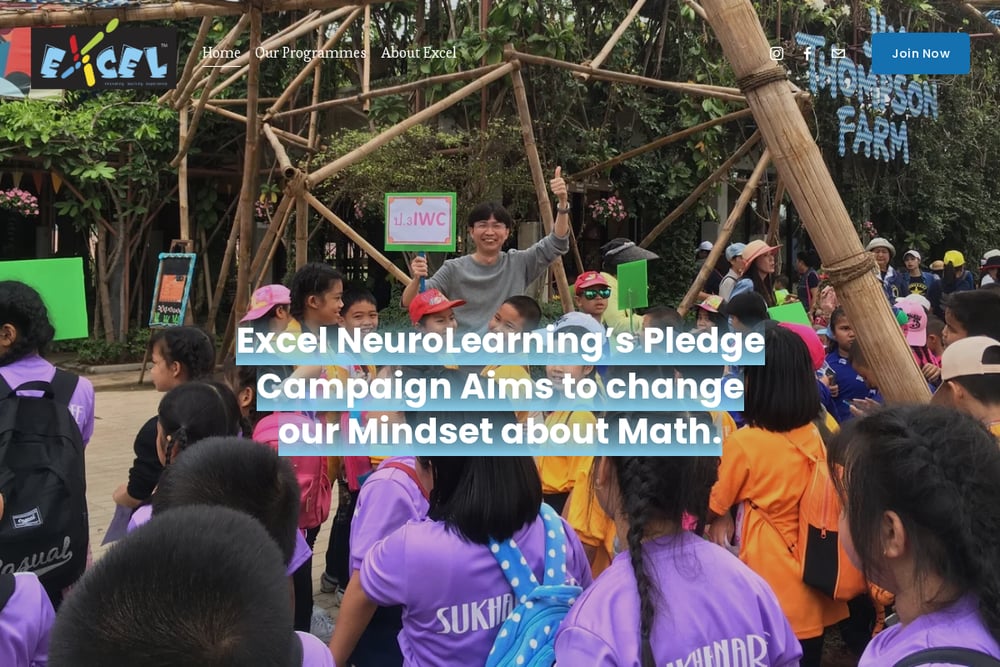 A screenshot of the Excel NeuroLearning website.
Excel NeuroLearning stands out with its 'I Can Do Math' pledge campaign, which has already gathered over 1,000 pledges from students and parents. They focus on dispelling the myth that math ability is fixed, encouraging a growth mindset through their programs and classes. Their approach is rooted in the research of Carol Dweck, making it scientifically sound. They offer a math program that integrates mindset training with skill development. If you want a program that actively involves the whole family in changing math attitudes, this is it.
#3 YouCubed
 A screenshot of the YouCubed website.
YouCubed, founded by Stanford professor Jo Boaler, offers a wealth of free resources for teachers, parents, and students. Their mindset-focused materials include activities, videos, and posters that challenge fixed mindset beliefs. They also provide professional development for educators, making them a leader in research-backed math education. If you're an educator looking to transform your classroom, YouCubed is a treasure trove of ideas.
#4 Big Life Journal
 A screenshot of the Big Life Journal website.
Big Life Journal provides journals, printables, and online content aimed at helping kids develop a growth mindset, not just in math but in all areas of life. Their blog post on 5 ways to develop a growth mindset in mathematics is a popular resource for parents. They focus on practical activities and affirmations that kids can use daily. While not a full math curriculum, they complement any math program with mindset-building tools.
#5 ExploreLearning
 A screenshot of the ExploreLearning website.
ExploreLearning offers digital math and science solutions like Reflex and Frax, which are designed to build math fluency and confidence. Their resources include insights on developing a math growth mindset, with practical strategies for teachers. They emphasize that everyone can be a math person with practice and the right mindset. If you're looking for tech-based tools to reinforce growth mindset in the classroom, ExploreLearning is worth exploring.
How to Choose the Right Growth Mindset Math Program
Start by considering your child's age and learning style. If they thrive with one-on-one attention, a tutoring center like Mathnasium might be best. If you want to involve the whole family in changing attitudes, Excel NeuroLearning's pledge campaign is a great starting point. For educators, YouCubed offers deep research-based strategies. Big Life Journal is perfect for parents who want to supplement at home. And if you're a teacher looking for digital tools, ExploreLearning has you covered. Think about your budget, time commitment, and whether you prefer in-person or online.
Automating Growth Mindset Practices
You can automate growth mindset reinforcement by setting up daily reminders for your child to practice positive affirmations. Use apps like Big Life Journal's printables to create a routine. For teachers, integrate ExploreLearning's Reflex into your daily math warm-ups to build fluency and confidence. You can also schedule weekly family discussions about math challenges using Excel NeuroLearning's pledge as a conversation starter.
The Bottom Line
No matter which program you choose, the key is to shift the conversation from 'I'm not good at math' to 'I can learn math with effort.' Each of these five programs offers a unique path to that mindset shift. Whether you're a parent, teacher, or student, there's a resource here to help you embrace challenges and grow. Start with one that resonates with you, and watch the transformation unfold.