
Grief is a journey that no one should walk alone. These five services offer compassionate, accessible support—from telehealth sessions to community groups—to help you find your footing.
The Changing Face of Grief Support
Grief counseling has evolved far beyond the traditional therapist's office. Today, you can connect with licensed professionals via video calls, join structured support groups online, or access free resources from the comfort of your home. The rise of telehealth has made professional help more accessible, especially for those in remote areas or with busy schedules. At the same time, peer-led communities offer a different kind of solace—knowing others truly understand your pain. Whether you're navigating a recent loss or carrying grief from years past, there's a service designed to meet you where you are.
How We Evaluated These Services
We looked at each service's scope of offerings, from one-on-one therapy to group support and educational resources. Pricing clarity was key—services that openly communicated costs or offered free options stood out. We also considered how well each service fits different needs, such as spiritual exploration, trauma bonds, or anticipatory loss. Finally, we assessed the overall user experience, including ease of finding help and the warmth of the initial approach.
Here's a quick snapshot of each service to help you compare at a glance.
| Provider | Best For |
|---|---|
| Doctor On Demand | Comprehensive telehealth with insurance coverage |
| Loss Support Services | Personalized telehealth with spiritual focus |
| Talkspace | Flexible messaging therapy with insurance options |
| GriefShare | Faith-based group support and community |
| My Grief Angels | Free, inclusive peer support and resources |
A Closer Look at Each Service
#1 Doctor On Demand
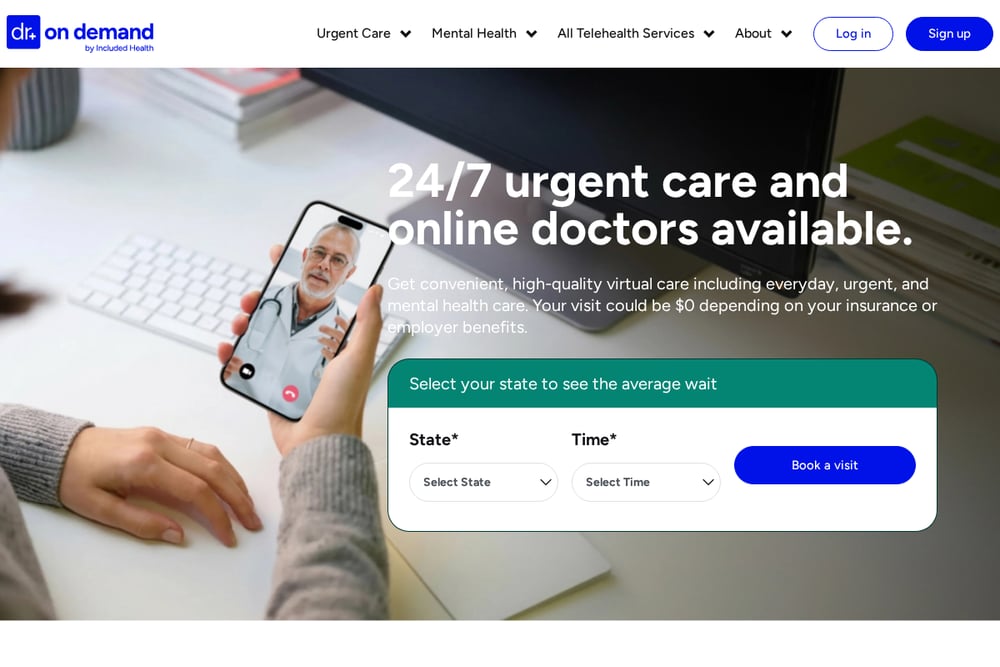 A screenshot of the Doctor On Demand website.
Doctor On Demand connects you with licensed therapists and psychiatrists for grief counseling via video, all from your home. They treat grief as a complex experience that goes beyond sadness, addressing anger, guilt, and confusion. You can book an appointment quickly, and they accept many insurance plans, making professional help more accessible. Their platform is ideal if you prefer a medicalized approach with the option for psychiatric support. For those aged 18 and older, it's a straightforward path to evidence-based care. Learn more about their grief-specific services on their website.
#2 Loss Support Services
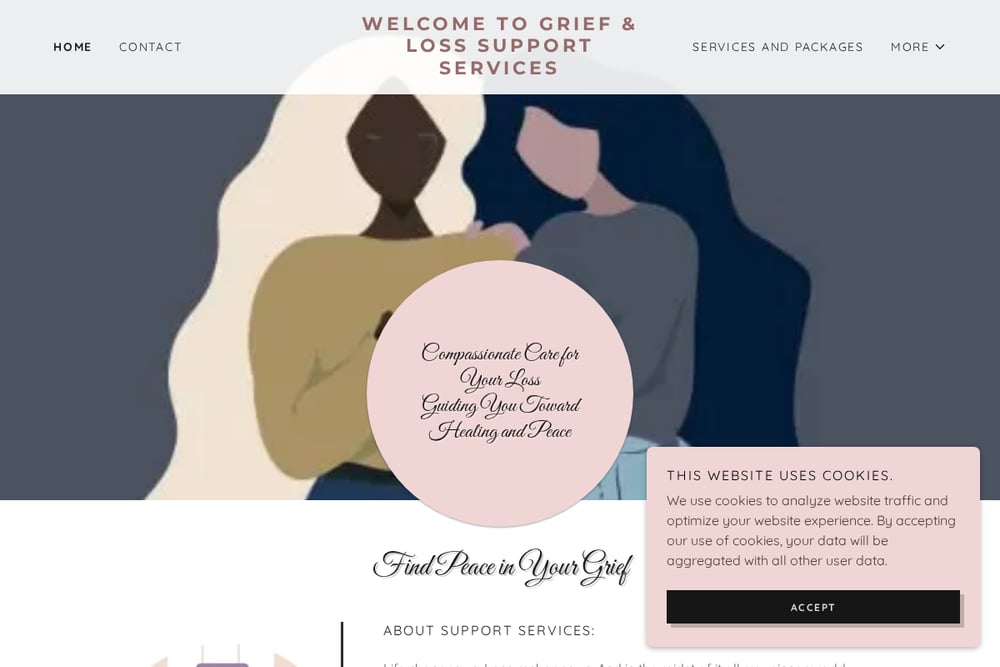 A screenshot of the Loss Support Services website.
Loss Support Services offers a calm, steady space for individuals navigating death-related loss, trauma bonds, anticipatory loss, and major life transitions. This client-centric service provides one-on-one telehealth sessions and supportive workshops for organizations and teams. What sets it apart is its emphasis on spiritual exploration and personal growth, meeting you where you are in your journey. The founder's warm, respectful approach ensures you feel heard and understood, regardless of your income level. If you're seeking a more holistic, personalized path to healing, this service is worth exploring. Visit their website to learn more about their packages and support corner.
#3 Talkspace
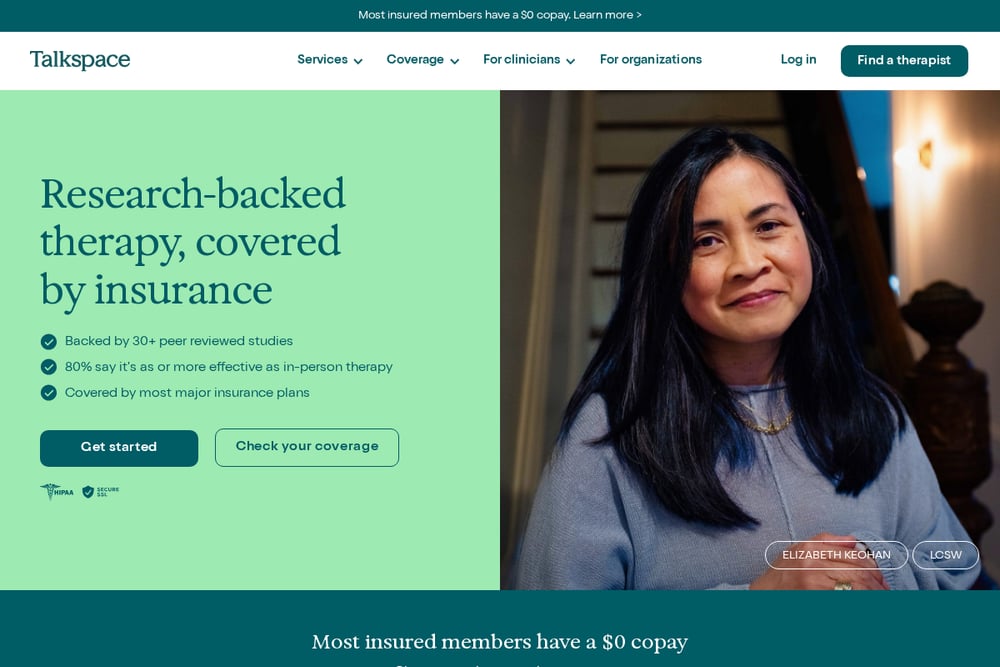 A screenshot of the Talkspace website.
Talkspace is a leading online therapy platform that offers grief counseling through text, audio, and video messaging with licensed therapists. It's incredibly flexible—you can send messages anytime and get responses throughout the day, making it easy to fit therapy into a busy life. Talkspace accepts many insurance plans, including Aetna, Cigna, and Optum, which can reduce out-of-pocket costs. They also offer specialized programs for different groups, such as veterans and seniors. If you prefer asynchronous communication over live sessions, this could be your match. Check their website to see if your insurance is covered.
#4 GriefShare
 A screenshot of the GriefShare website.
GriefShare is a faith-based support group program that helps people grieving the death of a loved one. You can join in-person or online groups that meet weekly, combining expert-led videos with group discussions. It's a safe place to share your story when you're ready, listen, and find hope alongside others who understand. Many participants find comfort in the structured 13-week curriculum and the sense of community it fosters. GriefShare is particularly helpful if you're looking for peer support with a spiritual component. Find a group near you or join an online session to start your journey.
#5 My Grief Angels
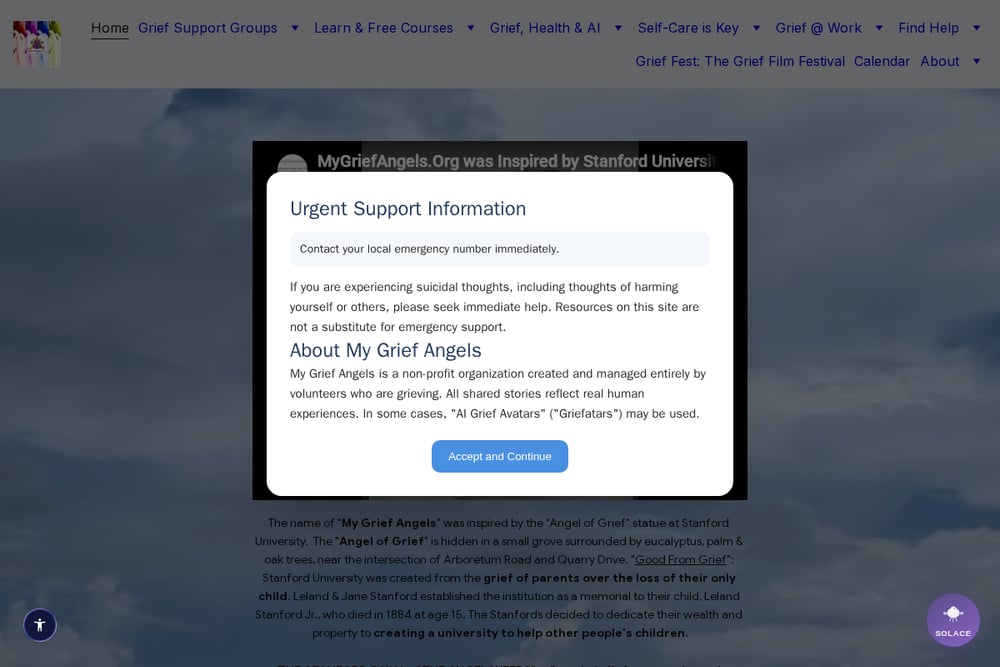 A screenshot of the My Grief Angels website.
My Grief Angels is a free, non-religious online grief support community that offers resources for anyone grieving or anticipating the death of a loved one. They provide grief support groups, warmlines by state, and a wealth of educational materials, including articles on grief attacks and self-care. The platform is inclusive, with groups for LGBTQIA+ individuals, people with disabilities, and Spanish speakers. It's a volunteer-driven organization that emphasizes open, all-inclusive support for everyone, anywhere. If you're looking for free, peer-led help without a clinical or faith-based framework, this is a valuable resource. Explore their site to access their many free courses and support groups.
How to Choose the Right Grief Support for You
Start by considering what type of support feels most comfortable: one-on-one therapy, group sessions, or self-guided resources. Think about your budget and whether you have insurance that covers telehealth services. If you're looking for a spiritual or faith-based approach, services like Loss Support Services or GriefShare might resonate. For maximum flexibility, Talkspace's messaging model could be ideal. And if you need free, immediate support, My Grief Angels offers a welcoming community. Trust your instincts—the right fit is one where you feel safe and understood.
Streamlining Your Search for Grief Support
Finding the right grief counselor can feel overwhelming, but you can simplify the process. Start by listing your preferences: type of therapy, budget, and any spiritual needs. Use online directories or search engines to filter services that match your criteria. Many platforms offer free consultations or quizzes to match you with a therapist. Set up a short call with a potential provider to gauge their approach. Finally, trust your gut—the right support will feel like a weight lifted.
Finding Your Path to Healing
Grief is deeply personal, and there's no one-size-fits-all solution. Whether you choose the personalized telehealth of Loss Support Services, the medical expertise of Doctor On Demand, or the community warmth of GriefShare, the most important step is reaching out. Each of these services offers a unique way to help you navigate loss and find hope. Take your time, explore your options, and remember that you don't have to grieve alone. The right support is out there, waiting to walk with you.