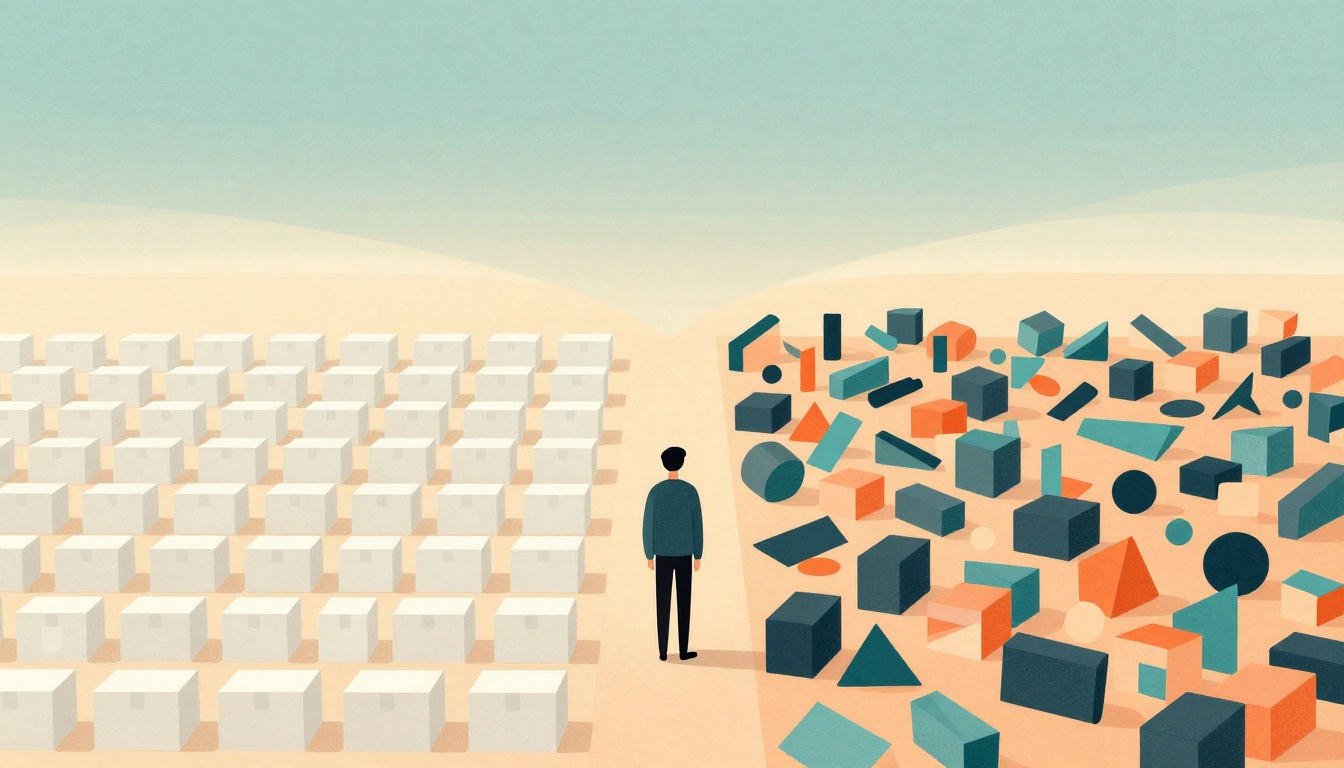
When an HR team sets out to become a strategic driver of company vision, the first instinct is often to redesign processes, implement new software, or restructure workflows. But according to the team at X-Stasis, a consultancy focused on human systems change, this approach is backwards. The real obstacle is not the processes—it's the mindset. Most teams get stuck because they try to shift from a linear function to a visionary one without first changing how they think.
The key word is "vision." Traditional HR is about reducing risk and progressing cautiously. However, driving company vision is about bringing bold ideas and an innovative point of view to the leadership table. Visionary thinking can and sometimes needs to be disruptive.
This distinction is critical. Traditional HR operates like a safety net: it ensures compliance, mitigates legal exposure, and maintains stability. These are valuable functions, but they are inherently conservative. Vision, on the other hand, requires a willingness to challenge the status quo, to propose unconventional solutions, and to take calculated risks. When HR teams try to adopt a visionary role without shifting their underlying mindset, they end up applying linear thinking to visionary goals—a mismatch that leads to frustration and stagnation.
Many teams start off with the best intentions, but they can end up falling back on linear thinking if they don't make this fundamental shift in mindset. This is why the approach at X-Stasis addresses mindset change first before moving to shifting processes and optimizing workflows. The visionary approach is often a significant missing ingredient.
What does this look like in practice? Consider a typical HR initiative: improving employee engagement. A linear approach might involve sending out a survey, analyzing the data, and implementing a few targeted fixes. A visionary approach, by contrast, might begin with an optimal future state by asking what "great" might look like. This can elevate the team beyond a focus on current challenges and engage their creative problem solving. This approach, also called Backcasting, reduces the resistance often associated with change by getting people on board from the beginning, rather than starting with process upgrades. This is what can drive real transformation.
The problem is that most HR professionals are not trained to think this way. Their education and experience have reinforced the value of caution and consistency. To make the shift, they need to expand their thinking beyond these habits and embrace a new set of capabilities. This is not a simple training exercise; it is a deep cultural change within the HR function itself.
One way to start is by asking different questions. Instead of "How do we reduce turnover?" ask "What would make this company so compelling that people would never want to leave?" Instead of "How do we improve our performance review process?" ask "How do we create a culture where feedback is a natural part of daily work?" These questions open up space for visionary thinking.
Another practical step is to bring diverse voices into the conversation. HR teams often operate in isolation, but visionary ideas come from cross-functional collaboration. Invite people from sales, product, and engineering to challenge HR's assumptions. Create a safe space for dissent and experimentation.
It is also important to recognize that this shift is not a one-time event. It requires ongoing reinforcement. Leaders must model visionary thinking and reward it in others. They must be willing to tolerate the discomfort that comes with disruption.
For organizations that are serious about making HR a driver of company vision, the lesson is clear: start with the mind, not the machinery. As the team at X-Stasis emphasizes, the visionary approach is often the missing ingredient. Without it, even the most well-intentioned process improvements will fall short.
In summary, the path from linear HR to visionary HR is not about adopting new tools or frameworks. It is about a fundamental shift in how HR professionals see their role. They must move from being guardians of the status quo to being champions of bold ideas. This is hard work, but it is the only way to truly align HR with the company's vision.
For more insights on human systems change, visit X-Stasis.