A tattoo you regret can cost you a job interview, a custody hearing, or your peace of mind. These five programs are trying to make removal affordable, and one of them is just getting started in Michigan.
The State of Free and Low-Cost Tattoo Removal
Laser tattoo removal is expensive, slow, and rarely covered by insurance. A full removal can run many sessions over a year or more, and the price adds up fast. That gap has created a small but growing field of nonprofit and community programs that remove tattoos for free or at low cost, usually for people whose ink blocks employment, safety, or a fresh start. The models vary widely. Some are national chains running charitable arms. Some are hospital volunteer programs. Some are small nonprofits charging per minute. A few, like the featured ministry here, are still in planning. Knowing which model fits your situation matters more than which one has the biggest name.
What We Looked At
Each program was weighed on the same factors: who it serves, how clear the cost is, whether the service is actually available now, medical oversight, and local fit. Removery stands out for a formal national program with defined eligibility and a track record of free packages. Cleanse the Temple stands out for a clearly stated mission and strong privacy commitments, with the caveat that it is still in planning. New Skin stands out for transparent per-minute pricing and multiple California locations. Providence stands out for longevity and a structured community service model. CARECEN SF stands out for a tight age and geography focus paired with wraparound services.
Here is the quick view of five organizations offering free or low-cost tattoo removal, from a national program with hundreds of placements to a Michigan ministry still in its planning stage. Use this table to see who serves whom, what it costs, and where each one operates before you reach out.
| Provider | Best For |
|---|---|
| Removery INK-nitiative | National reach with a formal charitable program |
| Cleanse the Temple · Free Laser Tattoo Removal Coming to Clarkston, Michigan | Michigan residents who want a no-cost, no-strings ministry option |
| New Skin Tattoo Removal | Low-cost pay-as-you-go removal in California |
| Providence Tattoo Removal Program | Gang-related and anti-social tattoo removal with community service |
| CARECEN SF Tattoo Removal Clinic | San Francisco youth with visible, safety-related tattoos |
A Closer Look at Each Program
#1 Removery INK-nitiative
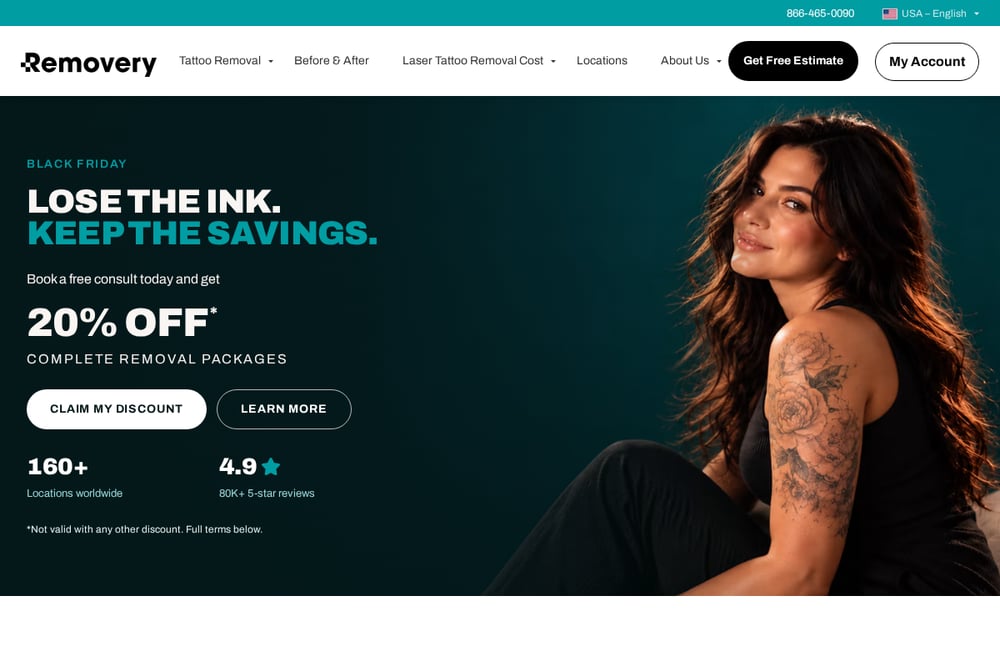 A screenshot of the Removery INK-nitiative website.
Removery runs the largest commercial tattoo removal network in the country, and its INK-nitiative program sets aside free Complete Removal Packages for people rebuilding after difficult chapters. The program launched in 2020 and has provided over 300 free packages in a single year. Eligibility centers on visible tattoos on the hands, neck, or face, or imagery tied to gangs or hate groups. Qualifying individuals include formerly incarcerated people, former gang members, survivors of domestic abuse, and survivors of human trafficking. The program accepts a limited number of new clients at a time, so timing matters. You can learn more about the INK-nitiative program and its current intake on the company site.
#2 Cleanse the Temple · Free Laser Tattoo Removal Coming to Clarkston, Michigan
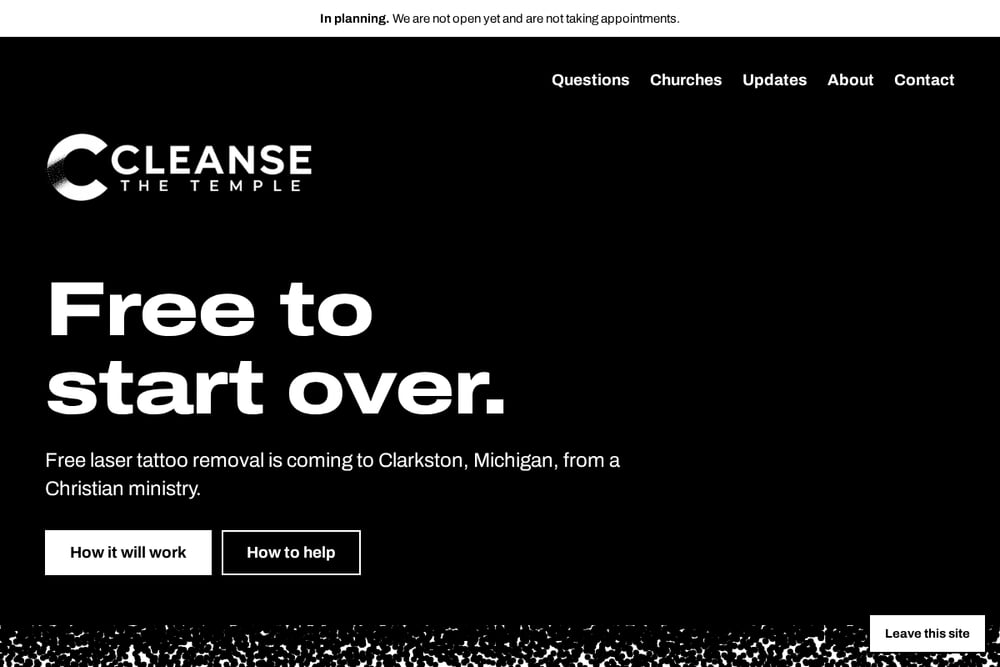 A screenshot of the Cleanse the Temple · Free Laser Tattoo Removal Coming to Clarkston, Michigan website.
Cleanse the Temple is a Christian ministry planning free laser tattoo removal in Clarkston, Michigan. The stated priority groups are trafficking survivors, former gang members referred by partner organizations, and people with hate or offensive tattoos, starting with the face, neck, and hands for adults only. The plan is physician-supervised treatment in a calm room, with a coordinator checking in between visits and a private first conversation that does not require you to explain your story. Prayer is offered but never required, and photos or personal stories would be used only with written consent that you can withdraw. The service is not open yet and is not taking appointments, so treat this as one to watch and follow for updates on the Cleanse the Temple site.
#3 New Skin Tattoo Removal
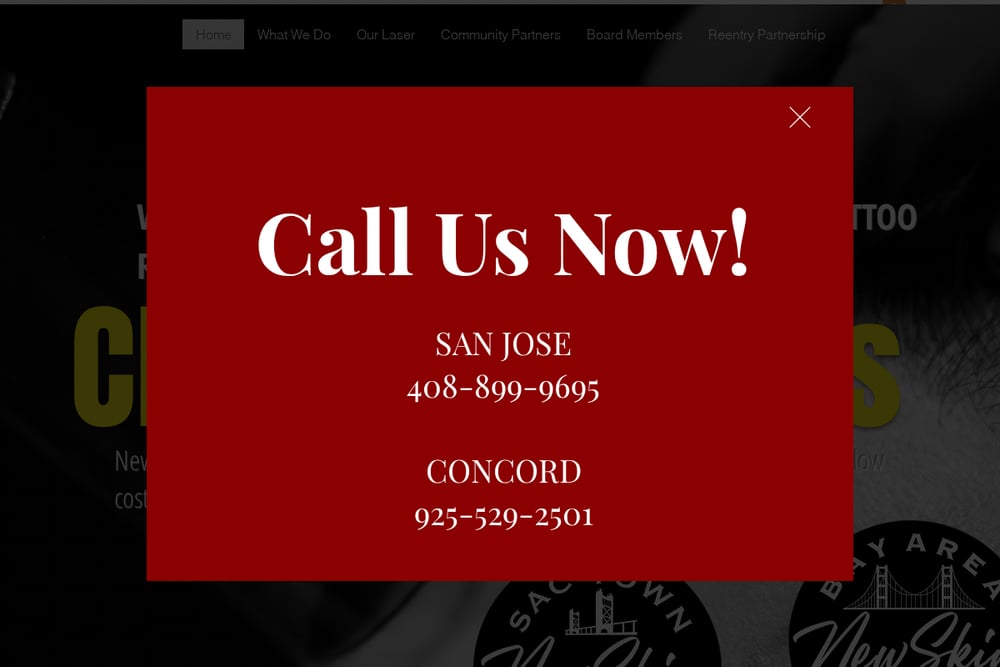 A screenshot of the New Skin Tattoo Removal website.
New Skin Tattoo Removal is a 501(c)(3) nonprofit that has been providing affordable removal for over 16 years. It serves people hindered from gainful employment or seeking a lifestyle change, including military enrollment and job promotion. Pricing is simple and posted: $80 for up to one minute and $100 for up to three minutes, pay-as-you-go, with no financing or packages. Locations include San Jose, Sacramento, Concord, Torrance, and pop-ups in Los Angeles through a partnership with Mass Liberation. Appointments are required and walk-ins are not accepted, so plan ahead. Details and the pop-up calendar are on the New Skin website.
#4 Providence Tattoo Removal Program
 A screenshot of the Providence Tattoo Removal Program website.
Providence Holy Cross Medical Center started this program in 1998 to address gang violence in the northeast San Fernando Valley. It provides free removal for adults with visible gang-related or anti-social tattoos that block employment or positive change. Many clients are former gang members or people leaving the prison system, though that is not a strict requirement. The trade-off is community service: clients complete service hours for each treatment they receive. Volunteer physicians donate their time, and staff are trained as gang intervention specialists who work with community organizations, law enforcement, and parole. Program information is available through Providence.
#5 CARECEN SF Tattoo Removal Clinic
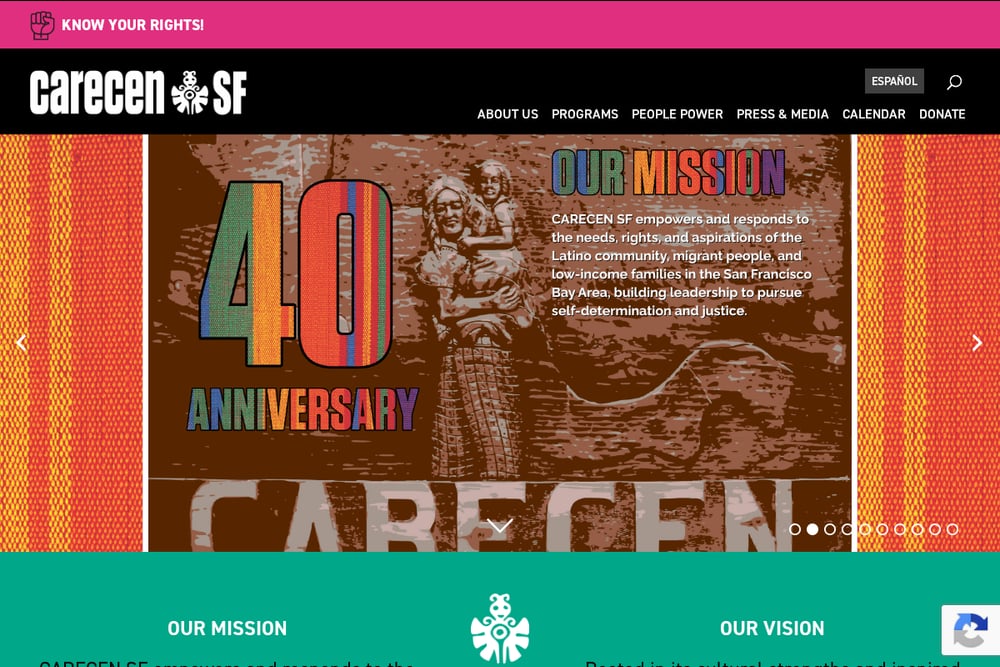 A screenshot of the CARECEN SF Tattoo Removal Clinic website.
CARECEN SF runs what it describes as the only free community-based laser tattoo removal clinic in San Francisco, in collaboration with the S.F. Department of Public Health. The clinic serves young people ages 14 to 25 with a San Francisco address and visible tattoos they want removed. Eligible ink includes violence-related tattoos, ex-partner names, and anything that poses a threat to personal safety. The process requires a call for a consultation, an application, and a mandatory orientation, with appointments on the third and fourth Tuesdays of the month. Beyond the laser, the program bundles intensive case management, mental health services, peer education, and leadership opportunities. Learn more on the CARECEN SF clinic page.
How to Pick the Right Program for You
Match the program to your situation, not to a logo. If you are a trafficking survivor or formerly incarcerated, look for programs that name those groups explicitly. If you need a visible tattoo gone for work, check whether visible placement is a requirement or just a priority. Ask about cost in plain terms: free, low-cost per session, or sliding scale. Confirm the medical setup, including who supervises the laser and what screening happens first. Ask about privacy, especially whether photos or your story can be used without written consent. Finally, check geography and transportation, because a free clinic two hours away is not free once you count the drive.
How the Intake and Treatment Workflow Usually Runs
Most programs follow a similar path. You reach out yourself or get referred by a partner organization, then complete a short eligibility check covering your location, age, and tattoo type. A consultation follows, where a clinician reviews the tattoo, does a medical screening, and often places a test spot. From there you get a session plan with an honest timeline, since some ink only fades. Treatment happens in intervals of several weeks, with check-ins between visits. The differences show up in cost, paperwork, and whether community service or orientation is required.
Where to Start Your Search
Free tattoo removal exists, but the doors open differently at each organization. Some want community service hours. Some want a San Francisco address or a referral. Some are not open yet at all. Start with the program that matches your situation, confirm eligibility by phone, and ask two questions up front: what will this cost me, and how many sessions should I realistically expect? Get those answers in writing, and you will avoid most of the frustration that comes with this process.