
You own Florida farmland, but you have no idea what it should rent for. These five tools help you find a fair number without guessing.
The Florida Cash Rent Landscape
Florida farmland rent is not one number. It swings by county, by crop, and by whether the land is irrigated. USDA publishes county-level cash rents, but the data is scattered and often incomplete. That leaves landowners, heirs, and farm managers piecing together estimates from neighbors, old leases, or generic state averages. The tools below pull from the same USDA survey but present it in very different ways. Some focus only on Florida. Others cover the whole country. One is the raw government source. Your job is to pick the one that matches how you think about land and leases.
How We Evaluated These Tools
We looked at five factors. First, service scope: does it cover all Florida counties or just a few? Second, pricing clarity: is the cost obvious before you commit? Third, local fit: does it speak to Florida landowners specifically? Fourth, data transparency: does it show where numbers come from and when they were published? Fifth, ease of use: can you find your county in under a minute? FarmRent stands out for its Florida-only focus and plain-language explanations. Oaken impresses with county rankings and year-over-year changes. AGSIST delivers a nationwide view with state medians. AcreTrader pairs rent data with farmland values and investment context. USDA NASS is the original source, authoritative but not designed for quick answers.
Here is a quick look at how these five tools compare on coverage, format, and who they serve.
| Provider | Best For |
|---|---|
| Oaken | Landowners who want historical trends and county rankings |
| FarmRent · Florida cash rent | Florida farmland heirs who need a straight answer |
| AGSIST | Owners comparing Florida rents to other states |
| AcreTrader | Owners weighing lease income against land value |
| USDA NASS Cash Rents by County | Data purists who want the original government source |
The Five Tools in Detail
#1 Oaken
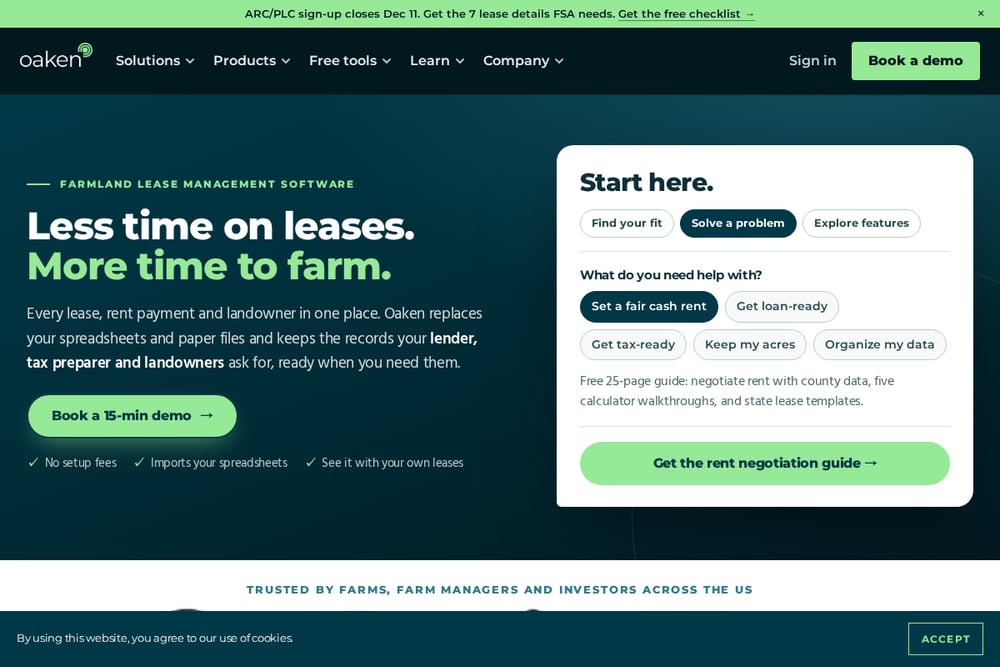 A screenshot of the Oaken website.
Oaken takes USDA county cash rent data and turns it into a clean, visual dashboard. You see the Florida median, the range across published counties, and how many counties actually have data. The site shows year-over-year changes and survey history back to 2008. That long view helps you spot trends, not just a single year. It also offers a rent calculator and a free PDF report you can bring to a lease conversation. If you want context and comparison, Oaken delivers.
#2 FarmRent · Florida cash rent
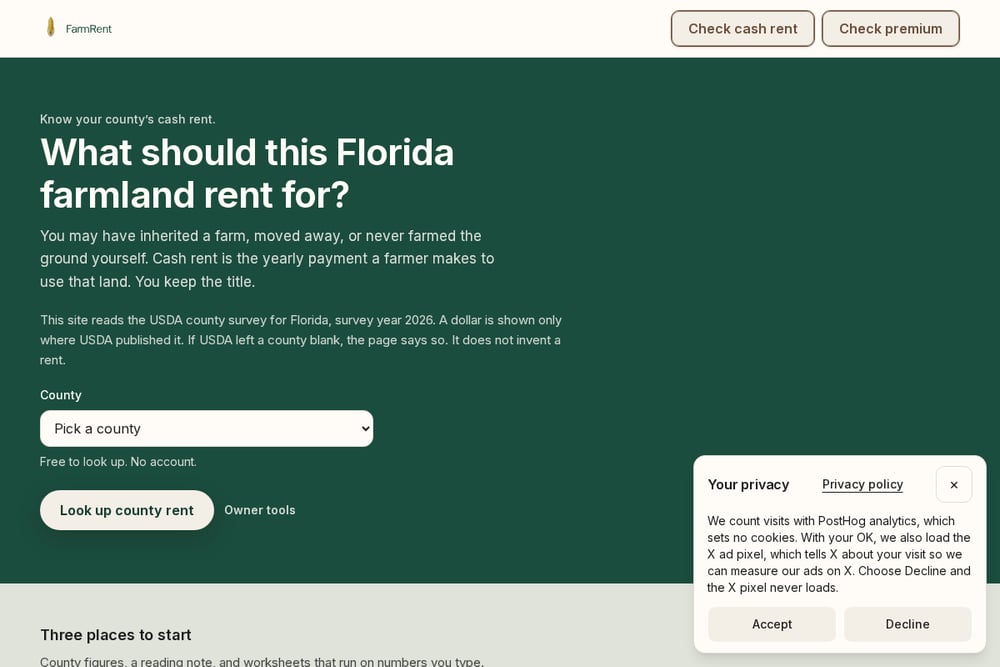 A screenshot of the FarmRent · Florida cash rent website.
FarmRent does one thing and does it well: it shows you the USDA county cash rent for Florida, survey year 2026. You pick your county from a dropdown, and you get the published dollar figure. If USDA left that county blank, the page says so. It does not invent a number. The site speaks directly to heirs, absentee owners, and anyone who inherited farmland but never farmed it. The language is plain, the focus is narrow, and the result is fast. For a Florida-only answer, this is your tool.
#3 AGSIST
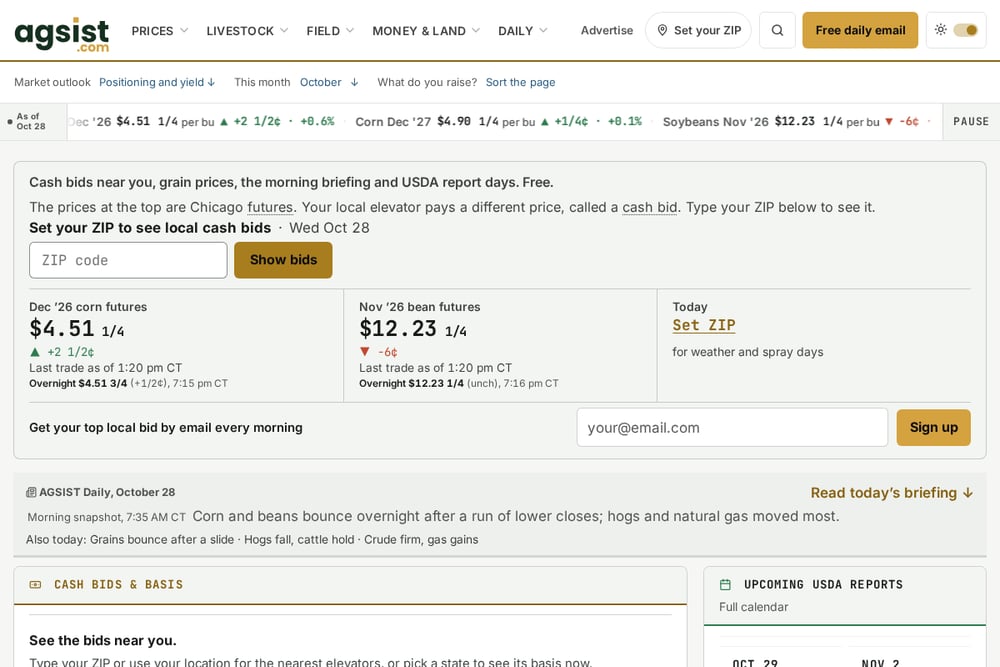 A screenshot of the AGSIST website.
AGSIST covers cash rent for 47 states, including Florida. You pick a state, then see every published county rate per acre per year. The site also shows state medians, so you can compare Florida to Iowa or Georgia. It includes irrigated and pasture rents alongside non-irrigated cropland. Data goes back to 2008, and the site notes when it was refreshed. If you own land in multiple states or want a national benchmark, AGSIST gives you that wide view. It is free and straightforward.
#4 AcreTrader
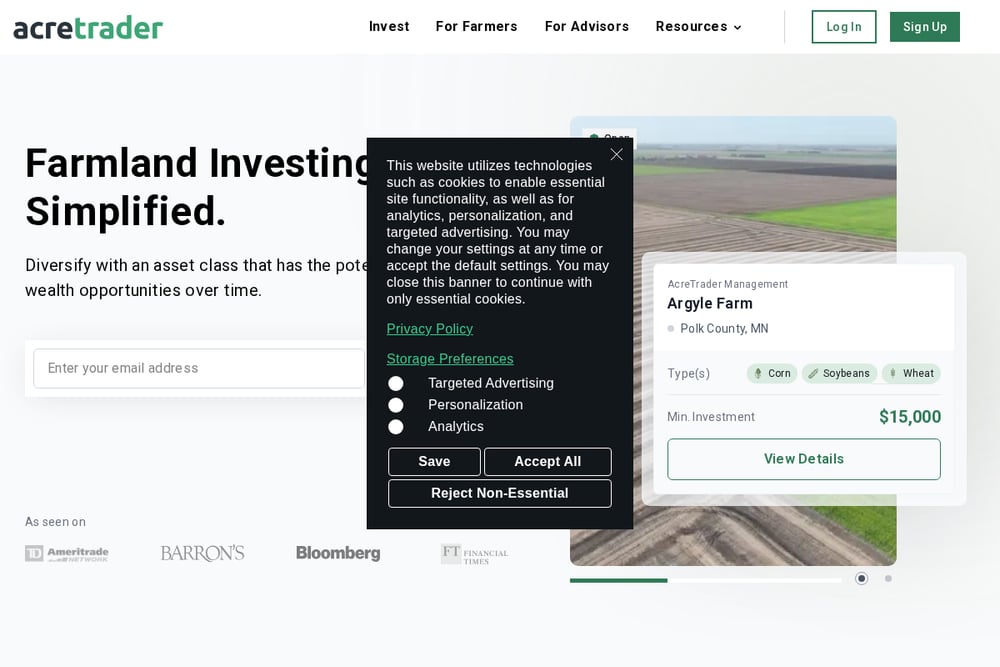 A screenshot of the AcreTrader website.
AcreTrader is a farmland investment platform, but its resources section includes Florida rental rates and farmland values. You get context on returns, not just raw rent numbers. The site explains Florida agriculture, from citrus groves to cattle pasture. That background helps you understand why rents vary so much across the state. AcreTrader also connects rent to land value, which matters if you are thinking about selling or leasing long-term. It is a good starting point for the bigger financial picture.
#5 USDA NASS Cash Rents by County
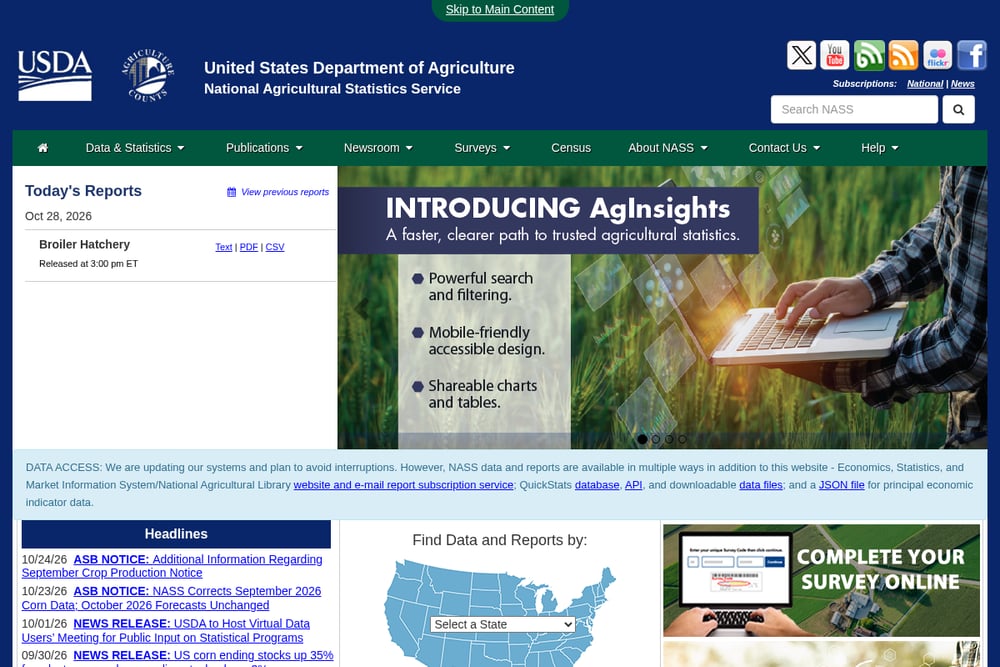 A screenshot of the USDA NASS Cash Rents by County website.
This is the source. USDA NASS publishes the county cash rent survey that every other tool on this list relies on. You can access the data through Quick Stats, download files, or explore county maps. It is not pretty, and it is not built for quick answers. But it is authoritative, free, and transparent about methodology. If you want to verify a number you saw elsewhere, this is where you go. For Florida landowners who value primary data, it is worth bookmarking.
How to Choose the Right Rent Tool
Start with your question. If you just need the 2026 cash rent for your Florida county, go to FarmRent. It is built for that exact task. If you want to see how your county compares to others and how rents have changed over time, Oaken gives you that context. If you own land outside Florida or want a national benchmark, AGSIST is your best bet. If you are thinking about the relationship between rent and land value, AcreTrader adds that layer. And if you want to check the original numbers or understand the survey method, USDA NASS is the source. No single tool does everything, so pick based on the decision you are trying to make.
Where Automation Fits In
You can automate parts of this. Set a calendar reminder to check USDA data each August when new county rents are released. Use a spreadsheet to log your county's rent history from Oaken or AGSIST. If you manage multiple parcels, build a simple tracker that pulls the county rate and multiplies by your acres. FarmRent's county pages are easy to copy into a note. For lease conversations, generate a one-page summary with the USDA figure, the date, and your acreage. That keeps you from relying on memory or neighbor gossip. Automation will not tell you what is fair, but it will keep the data current and organized.
The Bottom Line on Florida Farmland Rent
Florida farmland rent is local, and the data is imperfect. USDA publishes what it publishes, and some counties stay blank. That is why tools like FarmRent matter: they show you the real number or tell you it does not exist. Oaken adds trend and comparison. AGSIST widens the lens. AcreTrader connects rent to value. USDA NASS keeps everyone honest. Use them together. Start with your county, check the history, and walk into your next lease conversation with a number you can defend.