Feature flags let product teams control releases, run experiments, and manage risk without redeploying code. These tools each take a different approach, from developer-first platforms to warehouse-native experimentation suites. Here are seven worth knowing as you plan your stack for 2026.
How We Picked These Tools
We looked at tools that give product teams meaningful control over feature releases, targeting, and experimentation. Each entry includes verified facts from the company's own site.
| Provider | Best For |
|---|---|
| LaunchDarkly | Product teams shipping AI-built code and running continuous experiments |
| Statsig | Product teams that want flags tied directly to product analytics |
| Unleash | Product teams in enterprises needing self-hosting and governance |
| Flagsmith | Product teams that need feature flags plus remote config |
| ConfigCat | Product teams wanting simple flag management with unlimited seats |
| GrowthBook | Product teams running warehouse-native experimentation and rollouts |
| DevCycle | Product teams that prefer open standards and usage-based pricing |
The 7 Tools in Focus
#1 LaunchDarkly
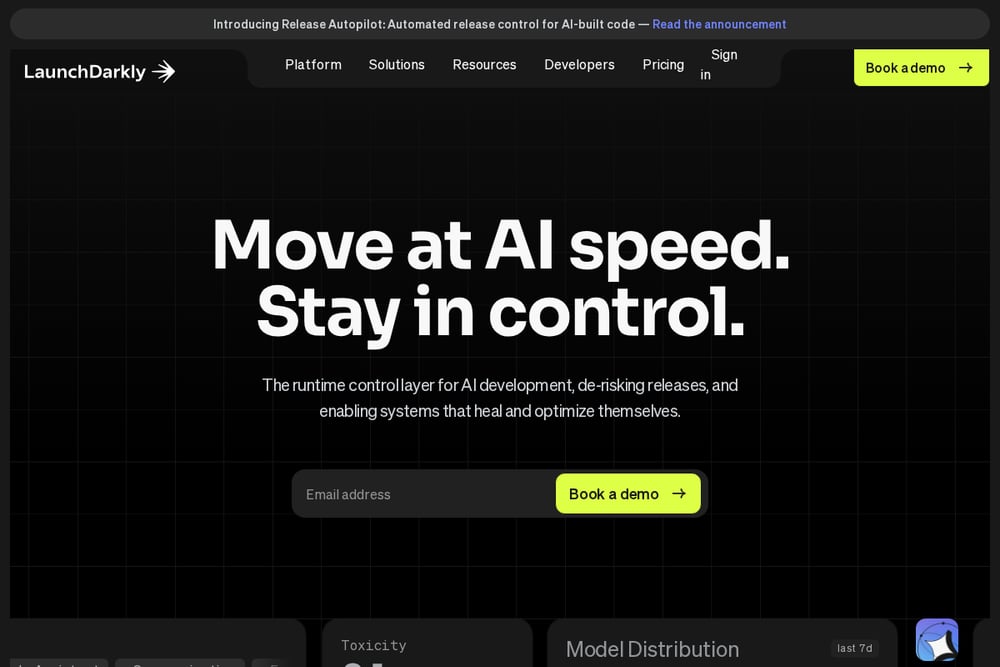 A screenshot of the LaunchDarkly website.
LaunchDarkly positions itself as a runtime control layer for AI development, with feature flags at the center. Product managers can use flags to progressively release changes and roll back instantly based on real-time impact. The platform also covers experimentation with A/B/n testing, multi-armed bandits, and holdouts. It suits product teams that want release control and experimentation in one place, especially those shipping AI-built code.
#2 Statsig
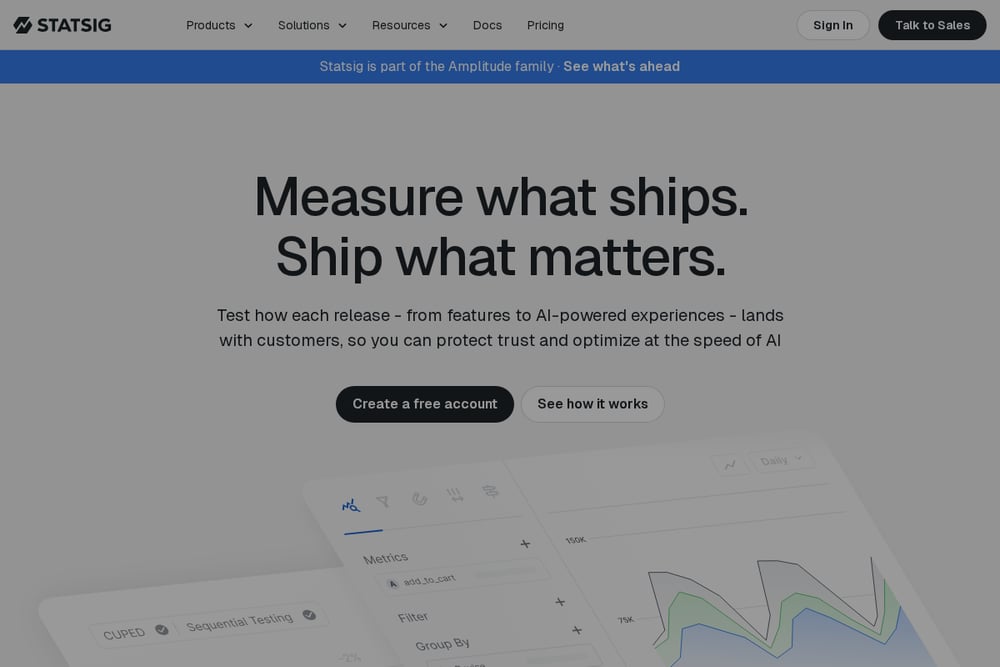 A screenshot of the Statsig website.
Statsig bundles feature flags, experimentation, product analytics, and session replay into a single platform. Feature flags are linked directly to product data, so teams can see how releases affect metrics. The platform includes dynamic configs, parameter stores, and holdouts for finer control. It suits product teams that want flags and analytics tightly connected without stitching together separate tools.
#3 Unleash
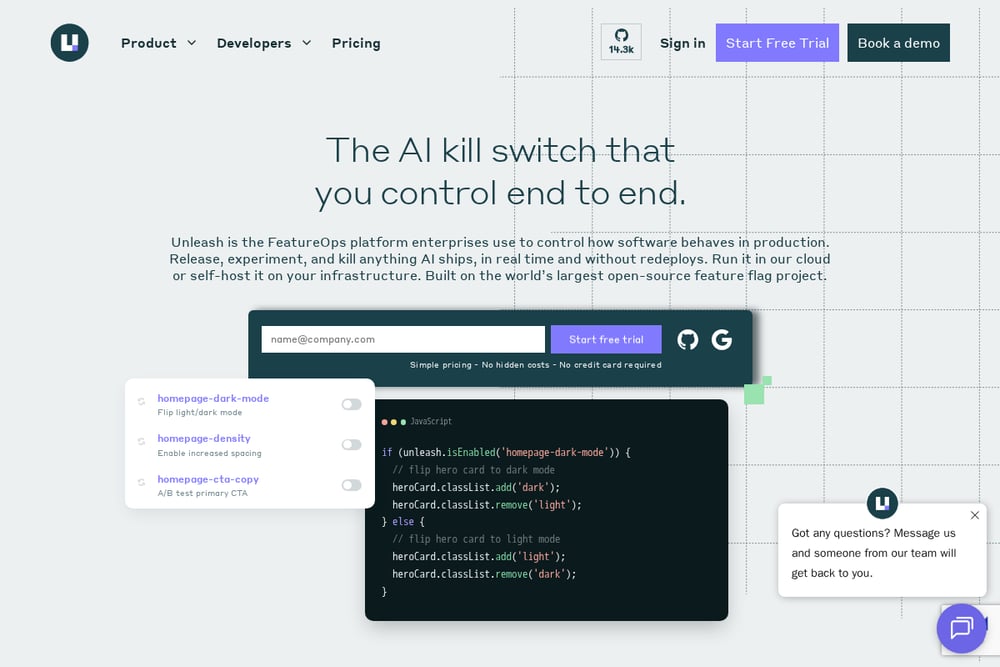 A screenshot of the Unleash website.
Unleash is an open-source-rooted feature management platform that enterprises use to control software behavior in production. It supports progressive rollouts, release templates, instant rollback, and kill switches. Teams can run it in Unleash's cloud or self-host it on their own infrastructure. It suits product teams in organizations with strict security, compliance, and data residency requirements.
#4 Flagsmith
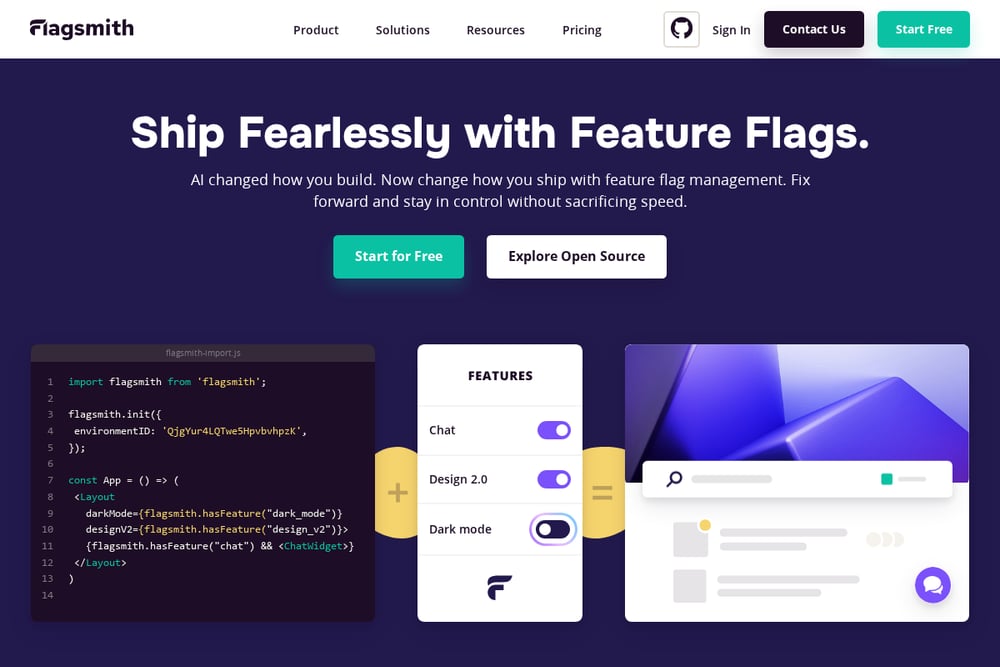 A screenshot of the Flagsmith website.
Flagsmith provides an all-in-one feature flag tool for developing, implementing, and managing flags across web, mobile, and server-side applications. It combines feature toggles with remote config, letting teams change feature values without code changes or app store approvals. Multivariate flags support percentage splits for A/B/n testing, and granular segmenting rules cover environments, users, and percentages. It suits product teams that want flag management and remote configuration in one tool.
#5 ConfigCat
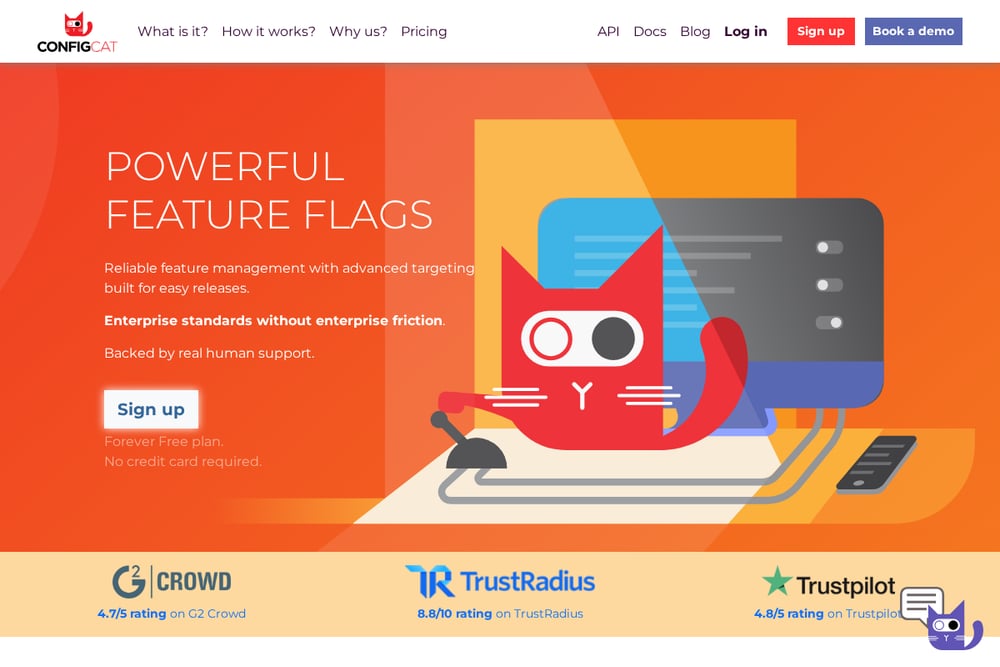 A screenshot of the ConfigCat website.
ConfigCat is a hosted feature flag and configuration management service with unlimited seats. It lets teams turn features on or off from a dashboard after code is deployed, and target user segments by region, email, subscription, or custom attributes. It supports percentage rollouts, A/B testing, and variations, with open source SDKs for many platforms. It suits product teams that want straightforward flag management at a reasonable price.
#6 GrowthBook
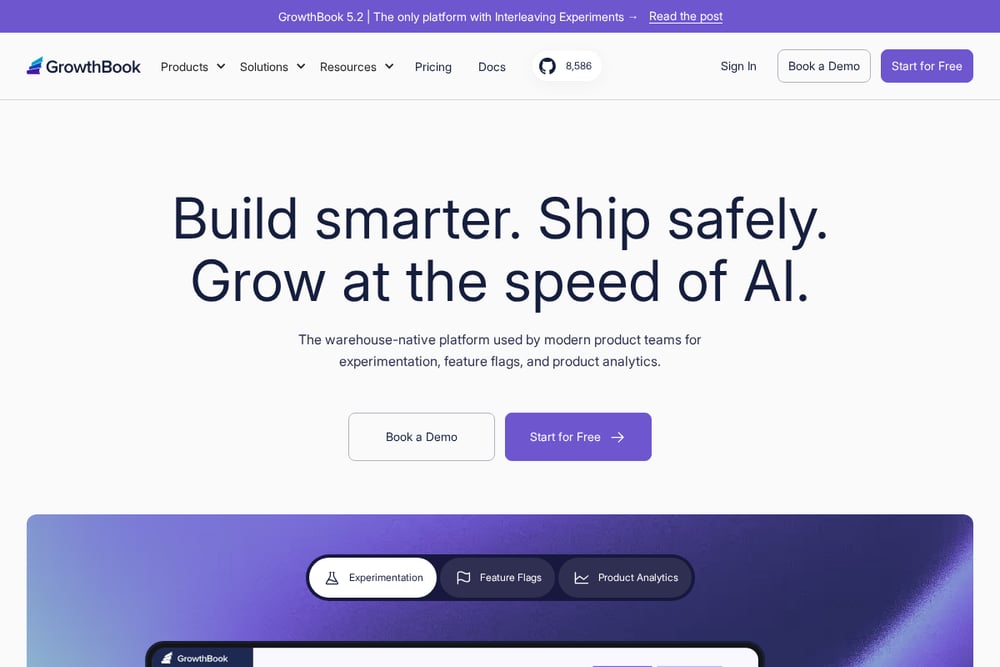 A screenshot of the GrowthBook website.
GrowthBook is a warehouse-native platform for experimentation, feature flags, and product analytics. Its feature flag management includes auto-rollbacks and ramp schedules with guardrails, so teams can ship faster with a safety net. Product managers can control feature rollouts without engineering and share real-time experiment dashboards. It suits product teams that want experimentation and flags built on their own data warehouse.
#7 DevCycle
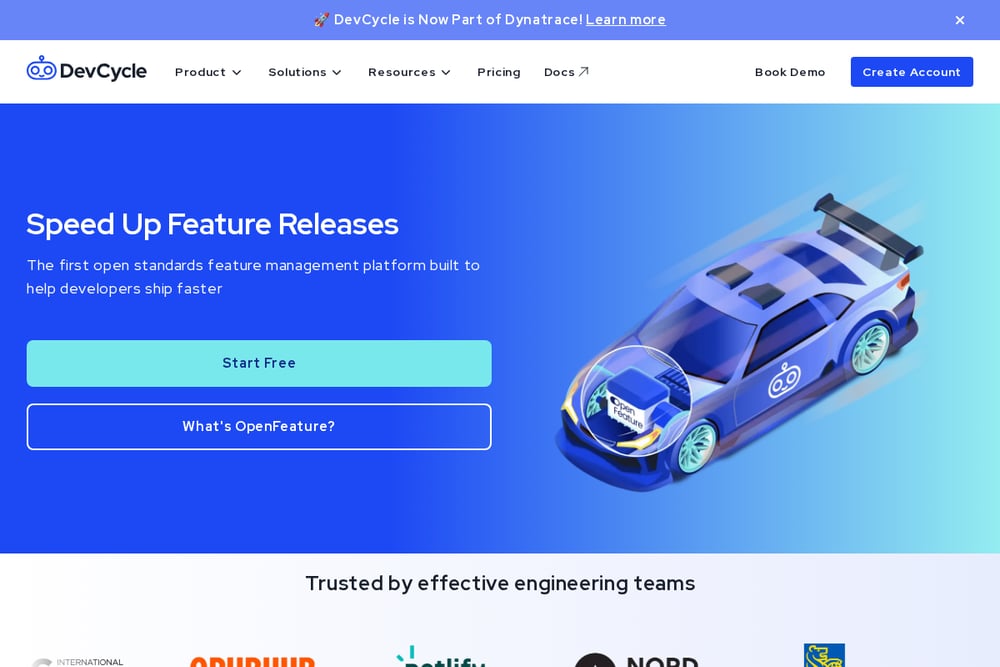 A screenshot of the DevCycle website.
DevCycle describes itself as an open standards feature management platform built on OpenFeature. It offers feature flag visibility across environments, real-time updates, gradual rollouts, and A/B testing. Teams can use AI agents and natural language to create, manage, and monitor flags. It suits product teams that value open standards, usage-based pricing, and developer-friendly tooling.
Which One Should You Choose?
Start with how your team works. If you need flags tied to analytics, look at platforms that combine both. If compliance and self-hosting matter, prioritize deployment flexibility. If simplicity and cost are key, consider tools with unlimited seats or usage-based pricing. Evaluate each against your release process and experimentation goals.
Final Thoughts
Each tool here serves a different product team profile. The right choice depends on your deployment model, experimentation needs, and how much control product managers need over releases. Use the facts above to shortlist and trial the ones that fit your workflow.
Know a company that belongs on this list? Email us at editorial@peekwire.com.