
When parenting challenges persist despite your best efforts, a structured framework can be a game-changer. These five programs offer distinct paths to family harmony—from neuroscience-based coaching to practical systems theory. Here’s a look at what each brings to the table.
The Landscape of Family Systems Support
The family support space has evolved beyond traditional therapy and generic parenting advice. Today, you’ll find a range of structured approaches—some rooted in neuroscience, others in systems theory—that aim to give parents actionable frameworks. These programs often blend education, coaching, and practical tools to help you navigate complex family dynamics. Whether you’re dealing with persistent behavioral issues or seeking to strengthen your family’s foundation, these services offer targeted strategies. The focus is on building sustainable systems that work in real life, not just in theory.
How We Evaluated These Programs
We assessed each program based on its service scope, clarity of methodology, and how well it addresses practical family needs. We looked for offerings that go beyond surface-level tips and provide a coherent framework you can implement. Pricing transparency and the availability of resources also factored into our evaluation. Each program stood out for its unique strengths—from structured pillars to trauma-informed coaching—giving you a range of options to consider.
Here’s a quick comparison of the five programs to help you see which might fit your family’s needs.
| Provider | Best For |
|---|---|
| Structured Support | Parents wanting a neuroscience-based, short-format workshop |
| The Connected Family System | Build Family Harmony Today | Families seeking a structured, values-aligned parenting framework |
| Impact Parents | Parents of neurodivergent or complex kids needing practical, in-the-moment tools |
| My People Patterns | Parents who want to understand family systems theory and apply it practically |
| Salis OTP PCC | Parents needing individualized coaching in high-conflict or trauma-affected families |
A Closer Look at Each Program
#1 Structured Support
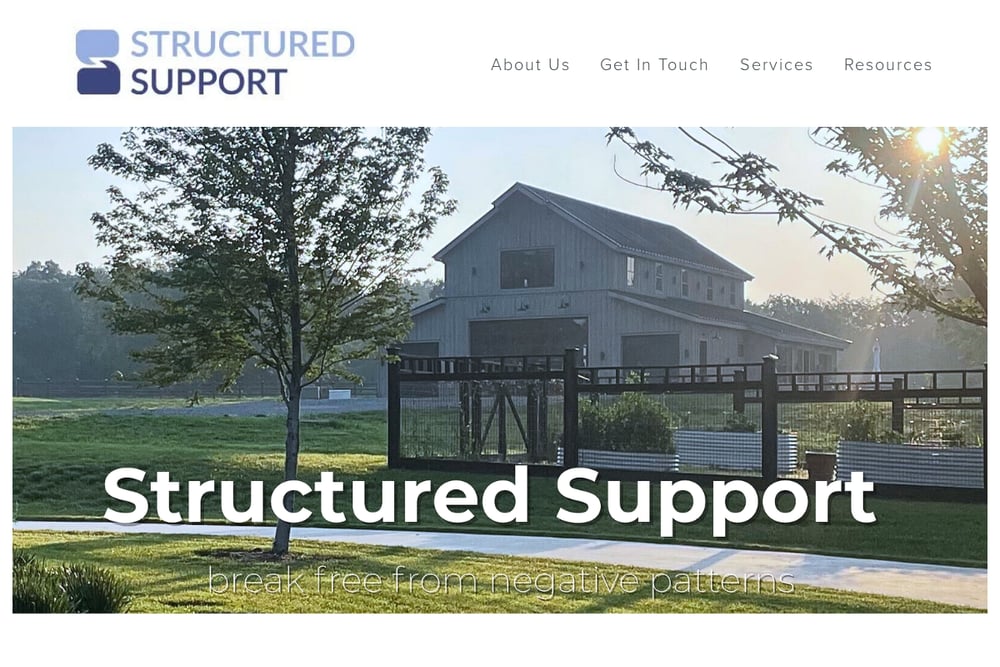 A screenshot of the Structured Support website.
Structured Support offers a 3-hour parenting program grounded in the neuroscience of brain development and systemic patterns. You’ll learn how systems of care often miss the mark and gain practical strategies to turn obstacles into opportunities. The program emphasizes emotional congruence and experiential change, making it ideal for parents seeking a science-backed approach. It’s designed for individuals and families who feel stuck and want to understand the deeper 'why' behind their challenges. With a focus on healing and connection, this program equips you with tools to foster resilience and repair relationship ruptures. If you’re looking for a concise, intensive workshop, this could be your starting point.
#2 The Connected Family System | Build Family Harmony Today
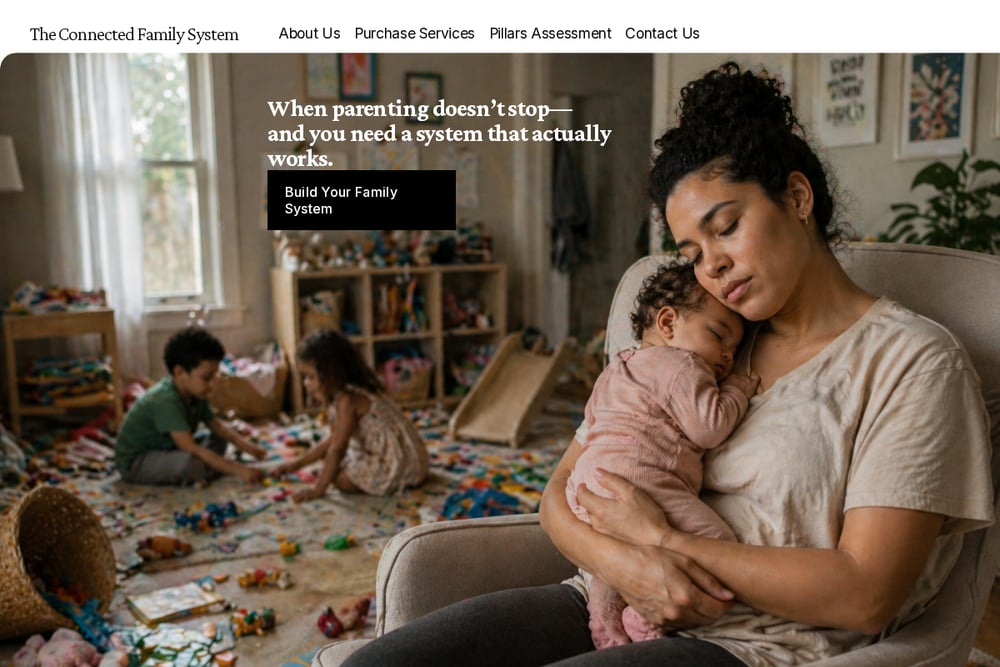 A screenshot of the Connected Family System website.
The Connected Family System offers a structured parenting methodology built around distinct pillars and an assessment component. It’s designed for families where traditional parenting approaches haven’t been enough, providing a cohesive framework to align your values with daily decisions. This system positions itself as a practical alternative to therapy, focusing on intentional structures rather than generic advice. You’ll find services available for purchase, along with resources to help you build a functional family system. The goal is to create stability and connection by giving you a clear, repeatable process. If you’re ready to move from chaos to clarity, this program offers a systematic path forward.
#3 Impact Parents
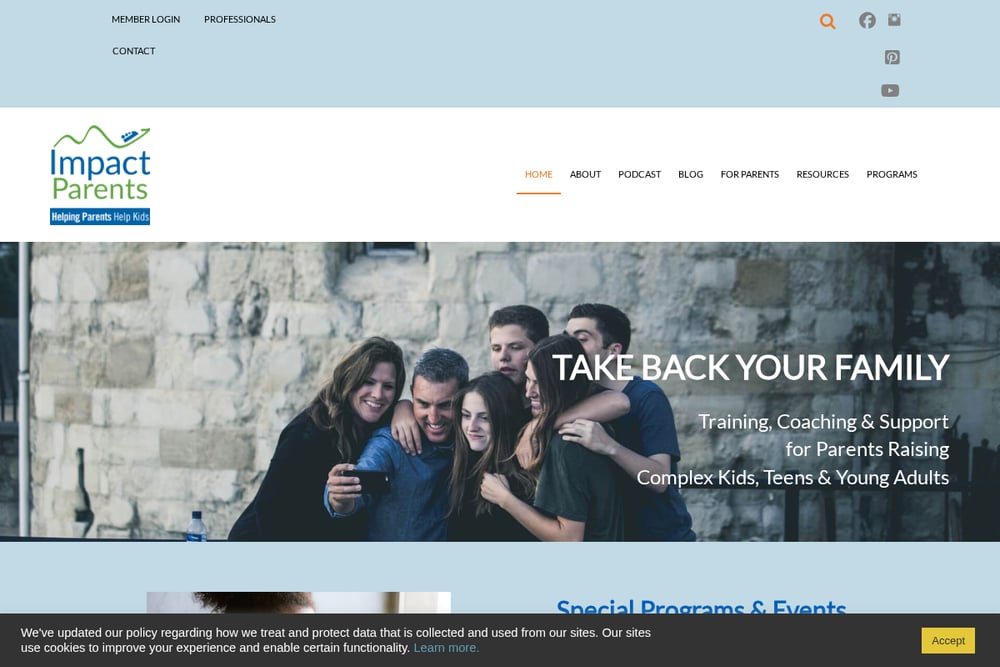 A screenshot of the Impact Parents website.
Impact Parents provides a framework called 'The 3 A's' to guide you through parenting complex or neurodivergent kids. The approach emphasizes committing to calm before action and involving your child in decision-making. You’ll find a wealth of resources, including podcasts, coaching, and online programs, all designed to help you stay on track when things get tough. The framework is practical and flexible, encouraging experimentation and open-mindedness. It’s particularly useful for parents who need quick, actionable strategies in high-pressure moments. With a strong community focus, Impact Parents helps you feel less alone in your journey.
#4 My People Patterns
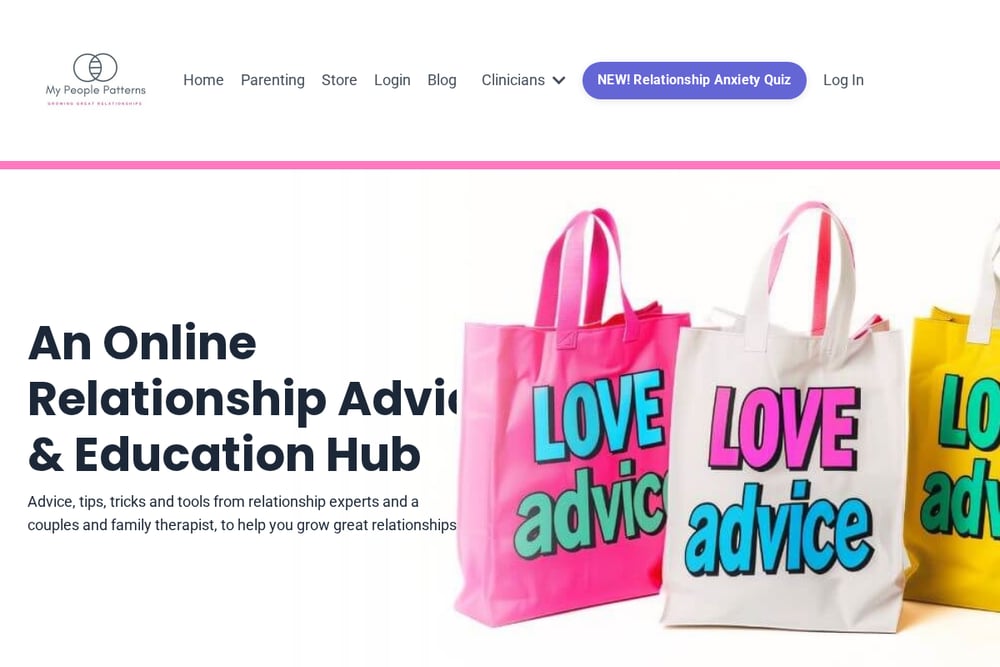 A screenshot of the My People Patterns website.
My People Patterns makes structural family systems theory practical for everyday parenting. You’ll learn how family members function as interconnected emotional units and how hidden rules shape behavior. The site offers a range of resources, including a free teen interventions guide and a relationship anxiety quiz. It’s a great starting point for understanding the organizational structure of your family and how to improve communication. The content is educational and accessible, breaking down complex theories into actionable insights. If you’re a parent who loves understanding the 'why' behind family dynamics, this is a valuable resource.
#5 Salis OTP PCC
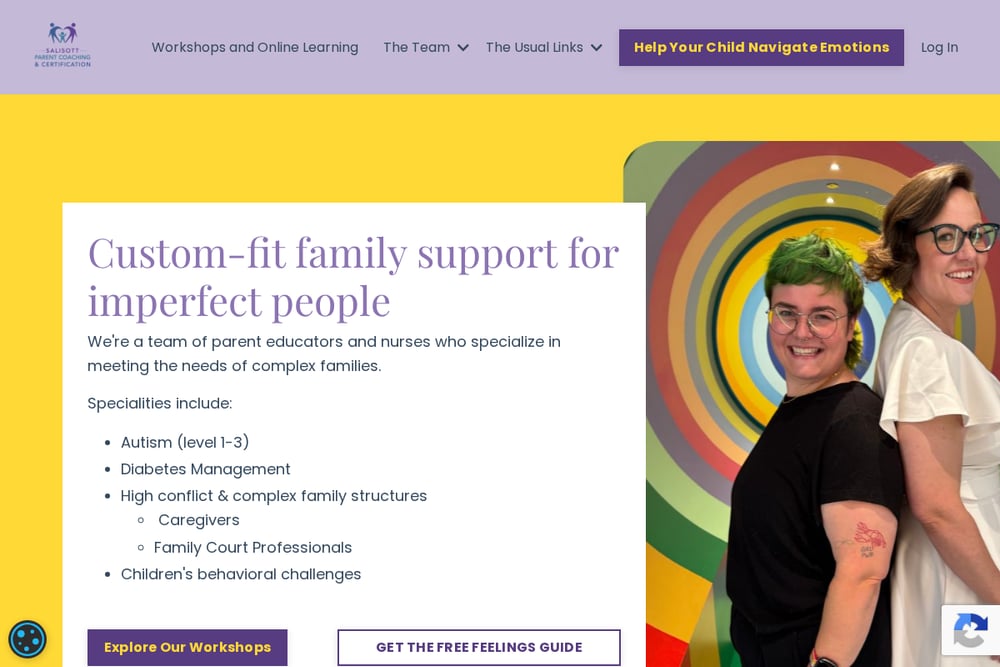 A screenshot of the Salis OTP PCC website.
Salis OTP PCC offers one-on-one, trauma-informed parent coaching for complex family systems. The focus is on helping you show up with clarity and steadiness, even when the other parent isn’t on board. You’ll work on attachment-based communication, boundary-setting, and de-escalation techniques. This coaching is particularly effective for families dealing with conflict, separation, or reunification. It’s not about fixing your child but about becoming more grounded and effective in moments that matter. If you’re navigating high-stakes family dynamics, this personalized approach offers targeted support.
How to Choose the Right Family Systems Program
Start by identifying your family’s biggest pain point—whether it’s persistent behavioral issues, a need for structure, or navigating co-parenting conflict. If you prefer a short, science-based workshop, Structured Support might be your fit. For a comprehensive, values-driven system, The Connected Family System offers a structured path. If you have a neurodivergent child, Impact Parents provides practical, in-the-moment tools. For a deeper understanding of family dynamics, My People Patterns offers educational resources. And if you need personalized, trauma-informed coaching, Salis OTP PCC delivers one-on-one support. Consider your budget, time commitment, and preferred learning style to make the best choice.
Streamlining Your Family’s Daily Routines
Once you’ve chosen a program, you can start implementing its principles by automating certain family routines. For example, use shared digital calendars to coordinate schedules and set recurring reminders for family meetings. Create a shared document for family values and decision-making guidelines, so everyone is on the same page. Automate meal planning and chore assignments with apps that rotate tasks. This reduces friction and helps you stay consistent with the new framework. The goal is to make the system work for you, not the other way around.
Bringing It All Together
Each of these programs offers a unique lens on building a stronger family system. Whether you’re drawn to the neuroscience of Structured Support, the structured pillars of The Connected Family System, or the practical coaching of Salis OTP PCC, there’s a path forward. The key is to find a framework that resonates with your values and fits your family’s reality. Remember, the goal isn’t perfection—it’s progress. Start with one program, commit to the process, and watch your family’s harmony grow.