
Living with chronic pain can feel like a full-time job. You've tried medications, physical therapy, and maybe even a few apps. But when the pain persists, it's time to look deeper. The mind-body connection is real, and the right psychological
The Rise of Mind-Body Pain Management
Chronic pain affects millions, and the old model of just treating symptoms is fading. Today, leading clinics and researchers recognize that pain is processed in the brain, not just the body. Mindfulness-based approaches, cognitive behavioral therapy, and pain neuroscience education are now standard tools. These methods don't promise a cure, but they can reduce suffering, improve function, and help you live a fuller life. The resources below represent the best of this new wave.
How We Chose These Resources
We evaluated each resource on three criteria: depth of evidence-based content, practical usability for someone in pain, and the credibility of the institution behind it. We looked for clear, actionable advice that you can apply today, not just theory. Each resource had to offer a unique angle on combining psychology with pain management.
Here's a quick look at how these five resources compare. Each one brings something different to the table, from deep clinical expertise to accessible daily tools.
| Provider | Best For |
|---|---|
| Shepherd Center | Comprehensive, medically-integrated pain psychology |
| Harvard Health | Understanding the science behind pain and psychology |
| Shirley Ryan AbilityLab | Research-backed mindfulness exercises for pain |
| Dr Pammie Jean | Personalized guidance from a specialist psychologist |
| Pathways | Honest, no-nonsense advice on mindfulness limitations |
Deep Dive: The Top 5 Resources for Mindfulness-Based Pain Management
#1 Shepherd Center
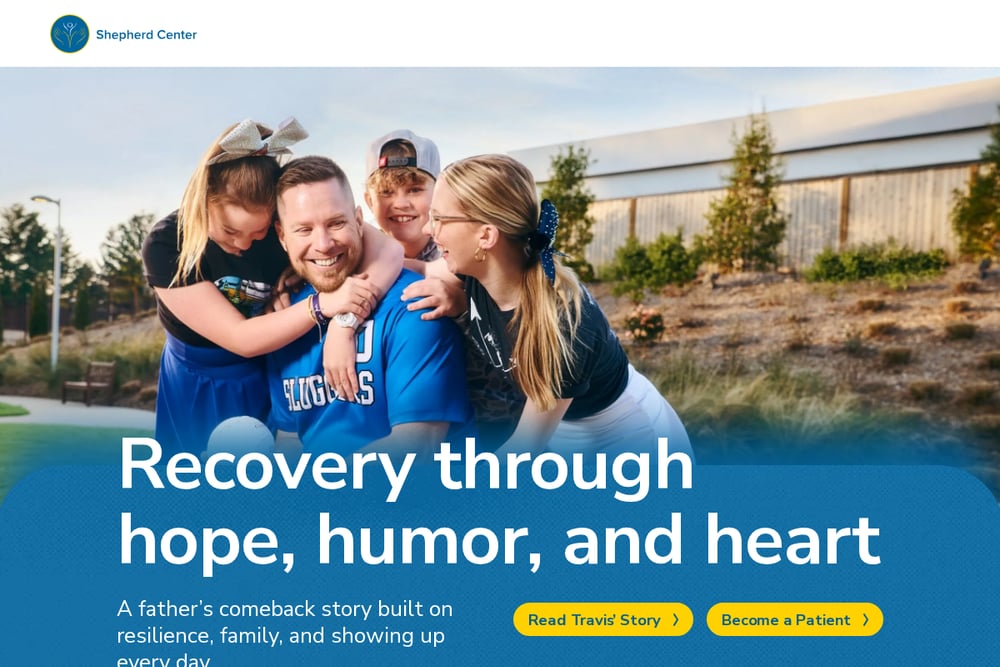 A screenshot of the Shepherd Center website.
Shepherd Center is a world-renowned rehabilitation hospital with a dedicated Pain Institute. Their psychological therapy program is built for people with complex, chronic pain conditions. You get access to a team of psychologists who specialize in pain, not just general mental health. They use cognitive behavioral therapy and mindfulness to retrain how your brain responds to pain signals. If you need a comprehensive, medically-integrated approach, this is the gold standard. The program is designed for those who want hands-on, expert-led care.
#2 Harvard Health
 A screenshot of the Harvard Health website.
Harvard Health brings academic rigor to the conversation about pain and psychology. Their article 'I'm in pain, so why is my doctor suggesting a psychologist?' explains the science behind why your brain keeps the pain signal alive. It's a short, punchy read that validates your experience while giving you a clear roadmap. You'll learn how pain becomes chronic and why a psychologist is often the missing piece. This is perfect for anyone who wants to understand the 'why' before diving into the 'how.'
#3 Shirley Ryan AbilityLab
 A screenshot of the Shirley Ryan AbilityLab website.
Shirley Ryan AbilityLab is a leader in rehabilitation research, and their blog on managing chronic pain through mindfulness is a standout. They break down how mindfulness actually changes the brain's pain pathways, not just your attitude. The content is backed by their own research, so you know it's not just theory. You'll find practical exercises you can start today, from body scans to mindful movement. It's a great middle ground between a clinical program and a self-guided tool.
#4 Dr Pammie Jean
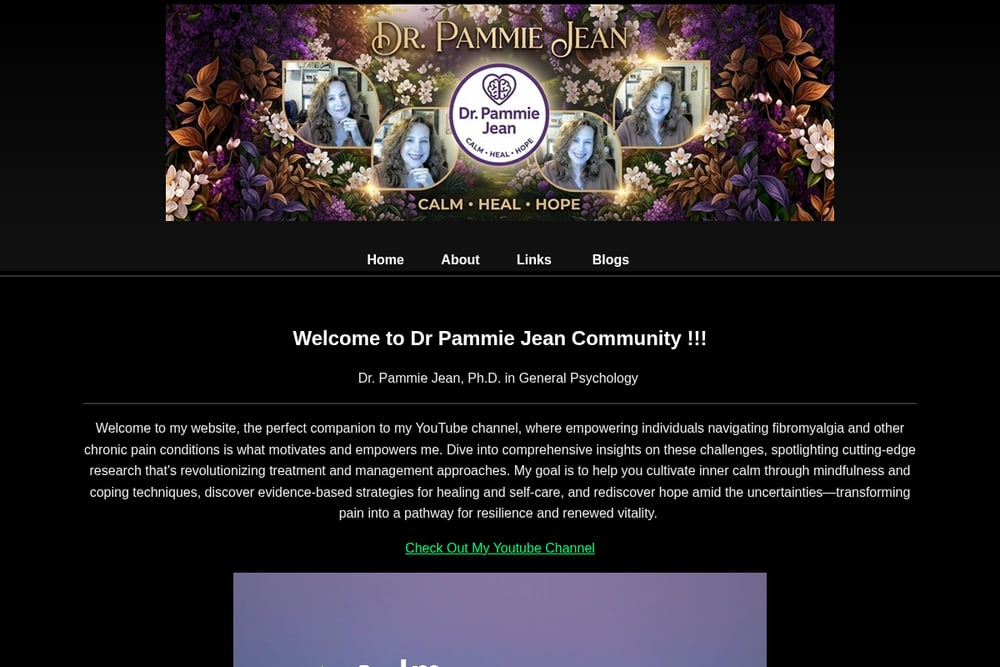 A screenshot of the Dr Pammie Jean website.
Dr. Pammie Jean is a psychologist who specializes in helping people with fibromyalgia and chronic pain. Her website is a direct extension of her YouTube channel, offering educational content that's both compassionate and practical. She focuses on mindfulness and evidence-based strategies, making complex psychology feel accessible. If you're looking for a personal guide who truly understands the daily struggle of chronic pain, her resources are a lifeline. The site is designed for self-paced learning, so you can revisit lessons as needed.
#5 Pathways
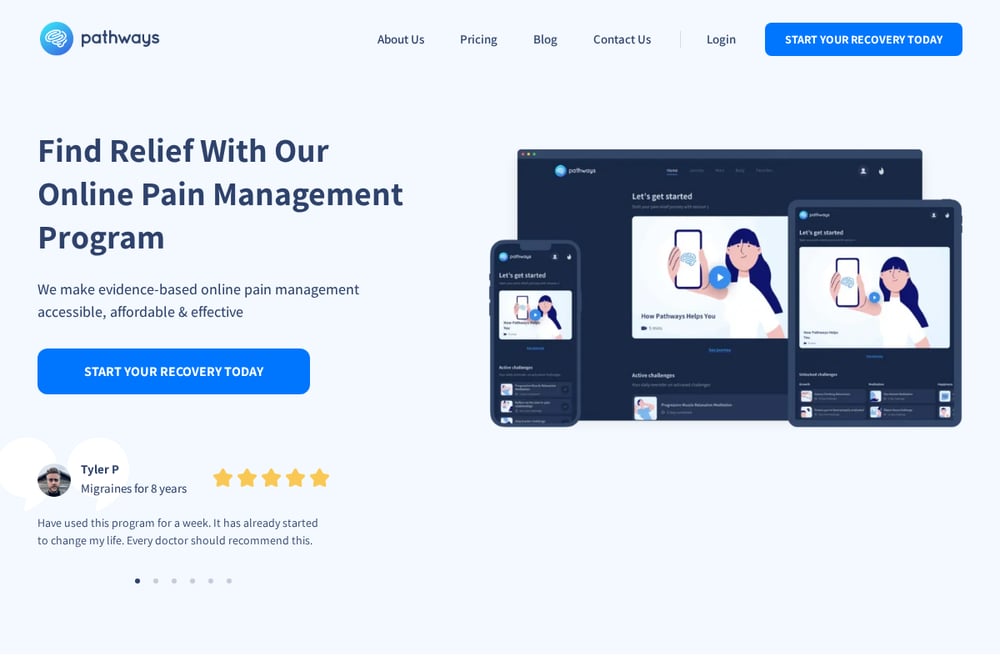 A screenshot of the Pathways website.
Pathways takes a refreshingly honest look at mindfulness for chronic pain. Their blog post 'Mindfulness for Chronic Pain: How It Helps, Where It Falls Short' doesn't oversell the technique. Instead, it explains why mindfulness alone often isn't enough and what you need to add to your toolkit. They offer a structured pain management program that combines mindfulness with other evidence-based methods. This is a great resource if you've tried mindfulness and felt it didn't work, because they address that frustration head-on.
How to Choose the Right Resource for You
Start by asking yourself what you need most. If you want a full clinical program with a team of specialists, Shepherd Center is your best bet. If you're still trying to understand why your pain won't go away, start with Harvard Health's clear explanation. For daily, research-backed exercises you can do at home, Shirley Ryan AbilityLab delivers. If you prefer a personal, compassionate voice from a psychologist who specializes in your condition, Dr. Pammie Jean is a perfect fit. And if you've been burned by oversimplified advice, Pathways will give you the straight talk you need.
Build Your Own Pain Management Workflow
You can combine these resources into a powerful daily routine. Start your morning by reading a short article from Harvard Health to reinforce your understanding of pain science. Then, use a guided mindfulness exercise from Shirley Ryan AbilityLab or Dr. Pammie Jean's YouTube channel. If you hit a plateau, revisit Pathways for a reality check on what's missing. For deeper work, schedule a consultation with Shepherd Center's Pain Institute. This layered approach ensures you're always learning, practicing, and adjusting.
Your Path Forward
Chronic pain is complex, but you don't have to navigate it alone. These five resources each offer a unique piece of the puzzle. Whether you start with a deep dive into the science, a guided meditation, or a conversation with a specialist, the key is to take that first step. The mind-body connection is real, and with the right tools, you can change your relationship with pain. Pick one resource from this list and commit to exploring it this week. Your future self will thank you.