
Looking to turn a physical space into a living, breathing experience? These five studios are redefining how audiences connect with art, brands, and the built environment.
The Experiential Design Landscape in 2026
Experiential design has moved from a niche curiosity to a core strategy for museums, brands, and public spaces. In 2026, the focus is on blending digital interactivity with tangible, physical elements to create moments that feel personal and immediate. Studios are increasingly using AI, projection mapping, and sensor-driven installations to make spaces respond to human presence. The best work doesn't just show you something—it invites you to participate, to touch, to move, and to feel. This roundup highlights five studios that are leading that charge, each with a distinct approach to making the digital world feel wonderfully physical.
How We Evaluated These Studios
We looked at each studio's service scope, from permanent installations to brand activations, and how clearly they communicate their offerings. We considered their local fit—whether they serve a regional clientele or work globally—and the depth of their portfolio. Pricing clarity was a factor, though many studios prefer custom quotes, so we noted how transparent they are about process and investment. Finally, we weighed their creative range, from interactive art to multimedia installations, to see how versatile they are in solving different experiential challenges.
Here's a quick snapshot of the five studios, their focus, and what they do best.
| Provider | Best For |
|---|---|
| Convivial Studio | Generative and interactive art installations |
| Ottomata | Home | Poetic and reflective interactive installations |
| Patten Studio | Research-backed interactive installations for brands and spaces |
| iart | Large-scale media architecture and museum experiences |
| Pixeldust Studios | Full-service interactive installations and production |
The Five Studios, Closer Look
#1 Convivial Studio
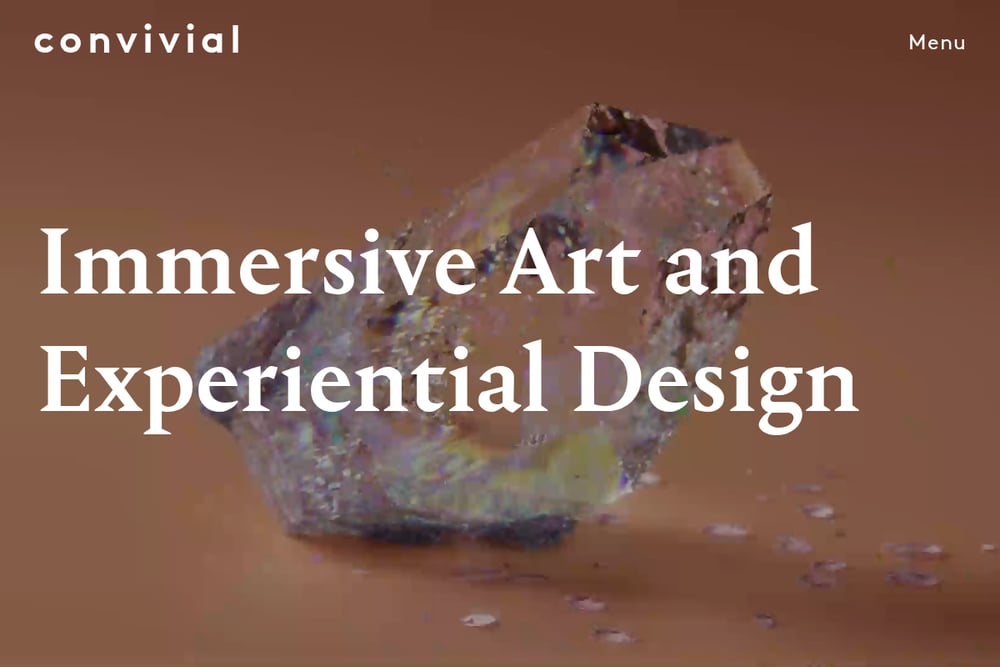 A screenshot of the Convivial Studio website.
Convivial Studio merges digital and tangible worlds with a strong emphasis on generative design and interactivity. Their portfolio includes projects like 'Digital Impressionism' and 'Drifters' at the Aquarium of the Pacific, showing a knack for creating sensory-rich environments. They specialize in projection mapping and multimedia installations, making them a versatile partner for both art and commercial projects. Their work often feels playful yet sophisticated, inviting audiences to engage physically with the art. If you're looking for a studio that can craft a truly responsive and generative experience, Convivial is a top pick. Their website clearly outlines services, making it easy to understand what they can do for you.
#2 Ottomata | Home
 A screenshot of the Ottomata website.
Ottomata is an experiential design studio based in Montreal, specializing in interactive installations and immersive journeys that reconnect people with the present moment. Their projects, like 'Water Orchestra' and 'The Whimsical Toy Chest', blend technology with a poetic, human-centered approach. They've worked on immersive journeys for cultural institutions and brands, including a notable piece for Bombay Sapphire. Ottomata's strength lies in creating experiences that feel less like tech demos and more like invitations to pause and engage. Their portfolio shows a consistent focus on sensory, interactive storytelling that leaves a lasting impression. If you want an experience that feels intimate and reflective, Ottomata is a compelling choice.
#3 Patten Studio
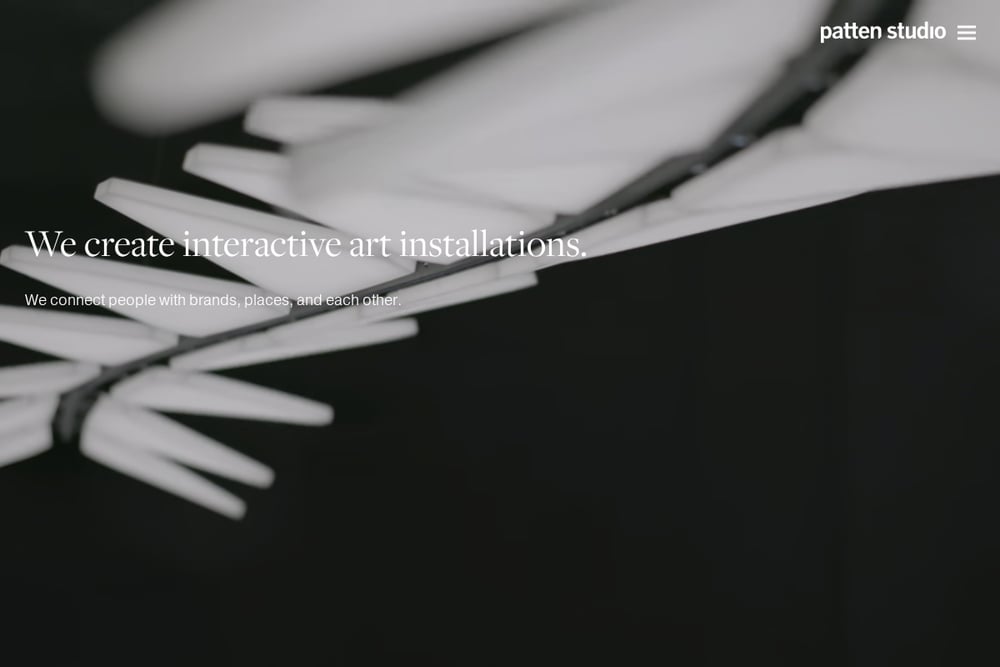 A screenshot of the Patten Studio website.
Patten Studio, founded by MIT Media Lab PhD James Patten, brings a research-driven approach to interactive art and design. They focus on making physical spaces interactive, often creating sculptures and installations that respond subtly to passersby. Their work spans from brand activations to permanent installations in office and retail spaces, always aiming to create shared experiences that connect people to place. With a strong emphasis on custom electronics and tactile interfaces, they push the boundaries of what's possible. Their commitment to reinvesting half of their profits in R&D means they're always on the cutting edge. If you're after a high-concept, technically sophisticated installation, Patten Studio is a solid bet.
#4 iart
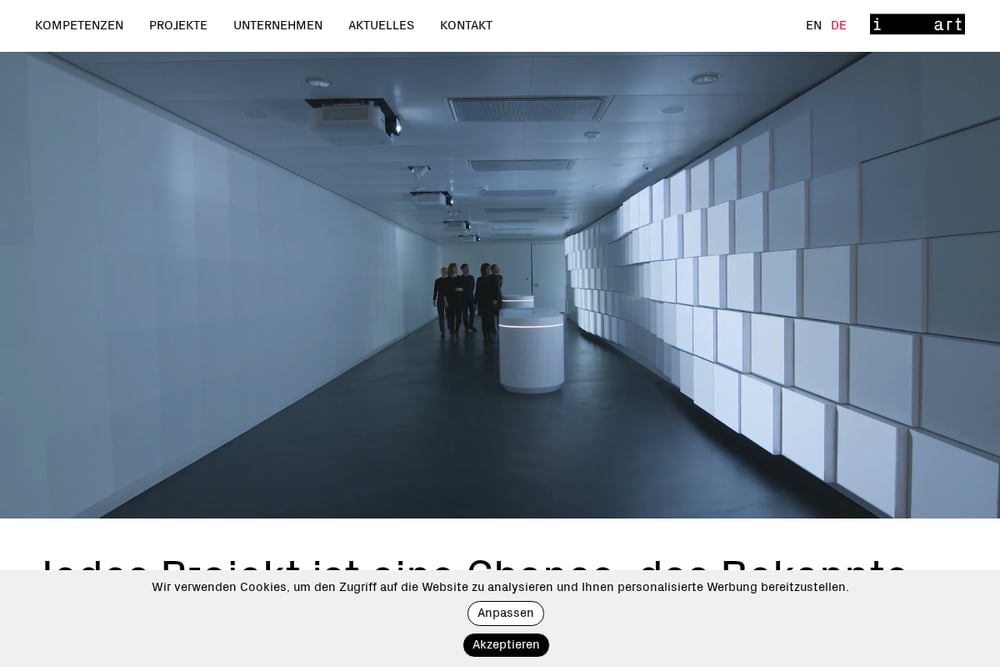 A screenshot of the iart website.
iart, a Swiss studio for media architectures, has a long track record of creating interactive installations for museums, visitor centers, and public spaces. Their work at the Kunstmuseum Basel and the Hyundai Pavilion at the 2018 Olympics demonstrates their ability to handle large-scale, high-profile projects. They excel in media scenography, blending light, sound, and interactive elements to tell compelling stories. Their portfolio is diverse, from AI-driven museum experiences to light sculptures that react to movement. If you're looking for a studio with international experience and a strong technical backbone, iart is a reliable choice. Their website is a treasure trove of case studies that show the depth of their expertise.
#5 Pixeldust Studios
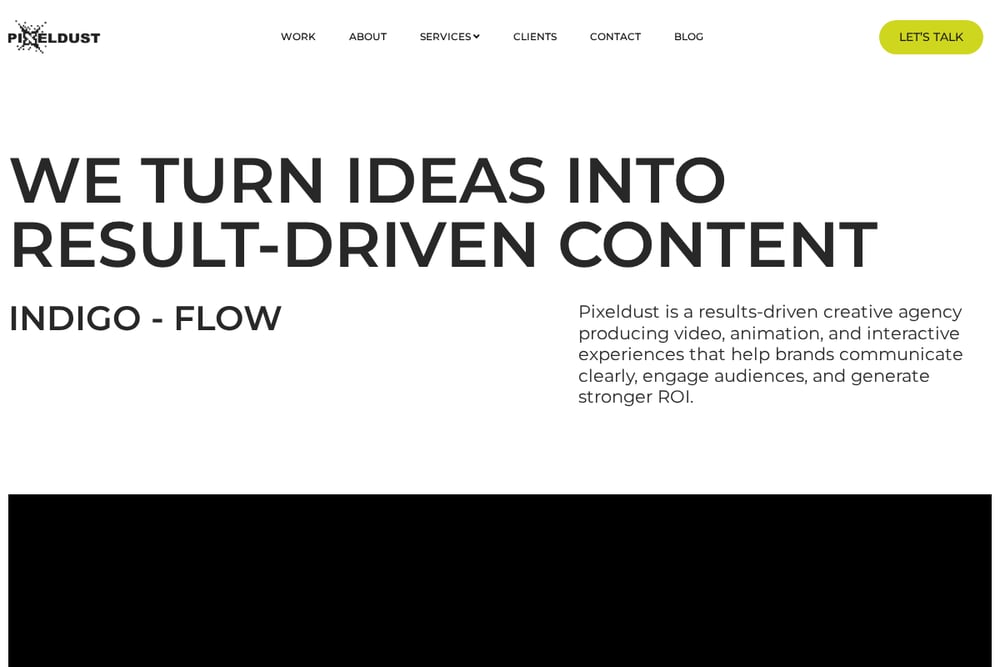 A screenshot of the Pixeldust Studios website.
Pixeldust Studios offers a comprehensive range of services, including interactive installation design, video production, and software development. They position themselves as a one-stop shop, which can be convenient if you need multiple services under one roof. Their interactive installations are designed to turn spaces into responsive environments, whether for museums, trade shows, or retail. They emphasize storytelling and innovation, aiming to create meaningful interactions that leave a lasting impression. While their portfolio is broad, they have a clear focus on making physical-digital hybrids that engage audiences. If you're looking for a versatile partner that can handle everything from concept to execution, Pixeldust is worth considering.
How to Choose the Right Experiential Design Studio
Start by defining the goal of your installation—are you aiming for brand engagement, artistic expression, or educational impact? Look at each studio's portfolio to see if their style resonates with your vision. Consider the scale and location of your project; some studios are better suited for large-scale public works, while others excel at intimate, reflective pieces. Don't overlook the importance of technical capabilities, such as projection mapping or custom electronics, which can be critical for your concept. Finally, reach out to a few studios to discuss your project and see who you feel most comfortable collaborating with. The right fit is about both creative alignment and practical execution.
Streamlining Your Search with Automation
To find the right studio, you can use a simple workflow: first, list your project requirements and budget. Then, use a spreadsheet to compare studios based on their portfolio, services, and location. Automate the process by setting up alerts for new projects or case studies from your shortlisted studios. You can also use a CRM to track your communications and proposals. Finally, schedule a demo or call with the top candidates to see their work in action and ask about their process. This structured approach saves time and ensures you make an informed decision.
The Takeaway
Experiential design is about creating moments that matter, and these five studios each bring a unique flavor to the table. Whether you're drawn to the poetic interactivity of Ottomata, the generative creativity of Convivial, or the research-driven innovation of Patten, there's a studio here for your next project. Take the time to explore their portfolios and see which one sparks your imagination. The right partner will not only meet your needs but also surprise you with what's possible. So go ahead, reach out, and start turning your space into an experience people will remember.