
You've heard it a thousand times: spend less, save more. But what if your expenses themselves could become the engine of your wealth? That's the radical premise behind a new wave of financial training. We've analyzed five leading resources that
The New Rules of Wealth Building
The financial education landscape is shifting. For decades, the mantra was simple: earn more, spend less, and invest the difference. But today, a growing number of programs are challenging that model. They argue that your expenses -- your mortgage, your car payment, even your daily coffee -- can be structured to work for you, not against you. This has opened up a new category of training that blends debt elimination with tax-advantaged growth strategies. The result? A more holistic approach to personal finance that doesn't require you to live like a monk.
How We Ranked These Resources
We evaluated each resource on four key criteria: educational depth, practical applicability, cost (free vs. paid), and the uniqueness of their approach. We prioritized resources that offer actionable steps you can take immediately, not just theory. We also looked for programs that address both sides of the wealth equation: eliminating debt and growing assets. Finally, we considered the credibility and trustworthiness of each source.
Here's a quick comparison of the five resources we analyzed. Each one offers a different path to financial freedom, from self-directed learning to one-on-one counseling.
| Provider | Best For |
|---|---|
| Investopedia | Comprehensive, self-paced financial education |
| NFCC | Free, personalized credit counseling and debt management plans |
| Mutual of Omaha | Actionable debt payoff strategies with an insurance perspective |
| Free Training | Learning to transform expenses into wealth through free training |
| Consumer Financial Protection Bureau | Unbiased, government-backed financial education tools |
Deep Dive: The Top 5 Resources for Turning Expenses Into Wealth
#1 Investopedia
Investopedia is the gold standard for financial education, offering a massive library of articles, tutorials, and guides. Their step-by-step approach to building wealth covers everything from budgeting basics to advanced investment strategies. You can find detailed explanations of debt elimination methods like the debt snowball and avalanche. It's a comprehensive, self-directed resource that empowers you to learn at your own pace.
#2 NFCC
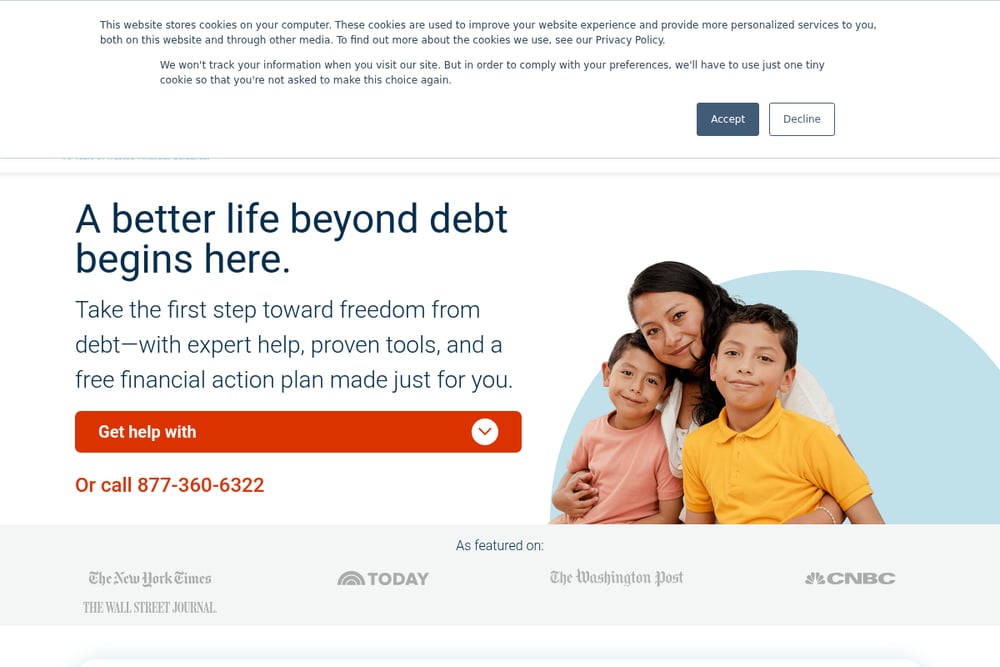 A screenshot of the NFCC website.
The National Foundation for Credit Counseling (NFCC) is a nonprofit network that connects you with certified credit counselors. They offer a free financial action plan and can help you set up a Debt Management Plan to consolidate and pay off credit card debt. Their focus is on practical, one-on-one guidance for people who are struggling with debt. If you need a human expert to walk you through your options, NFCC is a trusted starting point.
#3 Mutual of Omaha
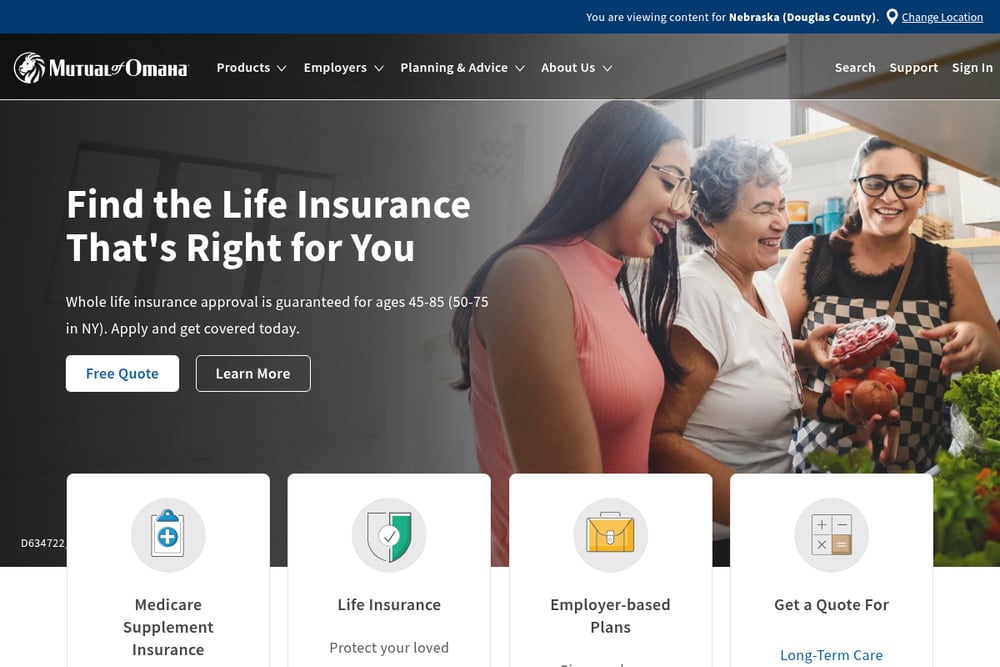 A screenshot of the Mutual of Omaha website.
Mutual of Omaha provides a wealth of advice on living debt-free, with articles covering practical strategies to pay off debt faster. Their resources are geared toward helping you understand insurance and financial products that can protect your wealth. While they are an insurance company, their educational content is straightforward and actionable. It's a solid resource for anyone looking to combine debt payoff with long-term financial protection.
#4 Free Training
 A screenshot of the Free Training website.
Excelsior Financials offers a free training program that teaches you how to turn your everyday expenses into a wealth-building tool. The program emphasizes tax-free growth and debt elimination, positioning itself purely as an educational resource. It's designed for individuals who want to rethink their relationship with money and learn unconventional strategies. If you're tired of the same old advice and want a fresh approach, this free training is worth your time.
#5 Consumer Financial Protection Bureau
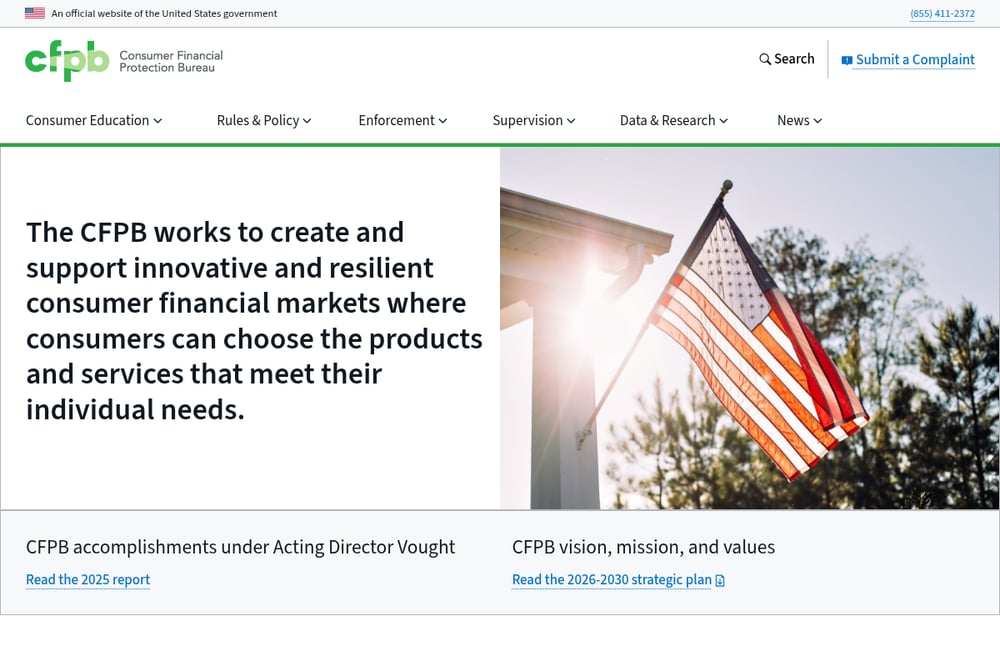 A screenshot of the Consumer Financial Protection Bureau website.
The Consumer Financial Protection Bureau (CFPB) offers a robust set of free tools and resources for adult financial education. Their library includes guides on managing debt, building credit, and making informed financial decisions. As a government agency, their content is unbiased and focused on consumer protection. It's an excellent starting point for anyone who wants reliable, no-nonsense information without any sales pitch.
How to Choose the Right Resource for You
Start by asking yourself one question: do you need a coach or a library? If you want a structured, step-by-step program that challenges conventional wisdom, the Free Training from Excelsior Financials is a great fit. If you prefer to learn at your own pace with a vast library of articles, Investopedia is your best bet. For those drowning in debt and needing a human guide, NFCC's certified counselors are invaluable. Mutual of Omaha is ideal if you want to combine debt payoff with insurance planning. And if you want unbiased, government-backed information, the CFPB is your go-to. There's no single right answer -- it depends on your learning style and your current financial situation.
Automate Your Wealth-Building Workflow
Once you've chosen a resource, set up a simple weekly routine. Block 30 minutes every Sunday to review one lesson or article from your chosen program. Use a free tool like Google Calendar to schedule it. Then, set up automatic transfers to a separate savings account -- even if it's just $10 a week. The goal is to make wealth-building a habit, not a chore. Over time, these small, consistent actions compound into significant results.
Your Next Step Toward Financial Freedom
The best financial education is the one you actually use. Whether you start with a free training program that rethinks expenses, or a comprehensive library like Investopedia, the key is to take action today. Debt elimination and wealth building are not mysteries -- they are skills you can learn. Pick one resource from this list, commit to it for 30 days, and watch how your perspective on money begins to change.