
If you're juggling spreadsheets, emails, and disjointed tools to manage security risk, you're not alone. These five platforms are built to centralize your security program, but each takes a different path to get there.
The State of Enterprise Security Risk Management
Enterprise security risk management (ESRM) has moved from a nice-to-have to a must-have. With threats evolving daily, companies are looking for ways to centralize risk data, automate workflows, and prove compliance. The market is crowded with options, from full-suite GRC platforms to specialized modules for incident reporting and business continuity. What sets the leaders apart is how well they integrate with your existing stack and how quickly your team can adopt them. You need a tool that scales with your organization, not one that forces you to change how you work.
How We Evaluated These Platforms
We looked at each platform through the lens of an enterprise security leader. Key factors included the breadth of modules (risk assessments, incident reports, business continuity), ease of use, automation capabilities, and how well the platform supports collaboration across distributed teams. We also considered pricing transparency and the ability to customize templates to your policies. Each platform has its strengths, and we've highlighted what stood out for each one.
Here's a quick snapshot of the five platforms we're covering, from the most comprehensive to the most specialized.
| Provider | Best For |
|---|---|
| Resolver | Comprehensive enterprise security programs |
| Home - GSS | Centralized risk data and visual reporting |
| Panorays | Third-party and supply chain risk |
| SBS TRAC | GRC automation and compliance |
| Vanta | Automated compliance and audit readiness |
The Five Platforms, Closer Look
#1 Resolver
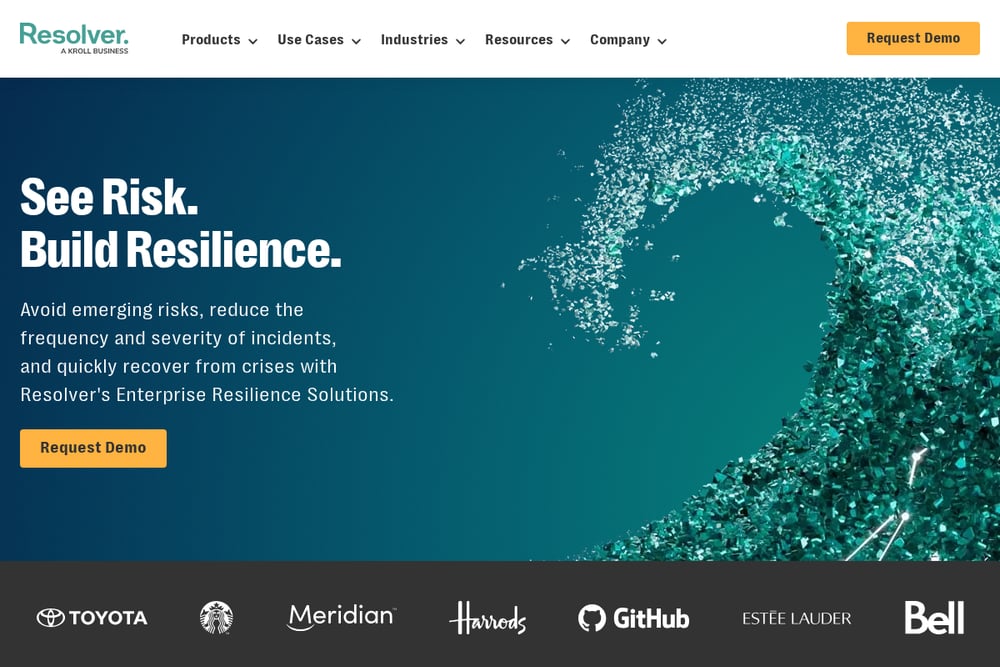 A screenshot of the Resolver website.
Resolver's security risk management software is built for enterprises that need a centralized view of risk across physical and cyber domains. It offers modules for incident management, risk assessments, and compliance, all in one platform. The tool is known for its robust reporting and dashboards, which help you spot trends and make data-driven decisions. Resolver also integrates with a wide range of third-party tools, so you can connect it to your existing security stack. If you're looking for a comprehensive ESRM solution that can grow with you, Resolver is a strong contender. Its focus on collaboration and workflow automation makes it a favorite among security teams.
#2 Home - GSS
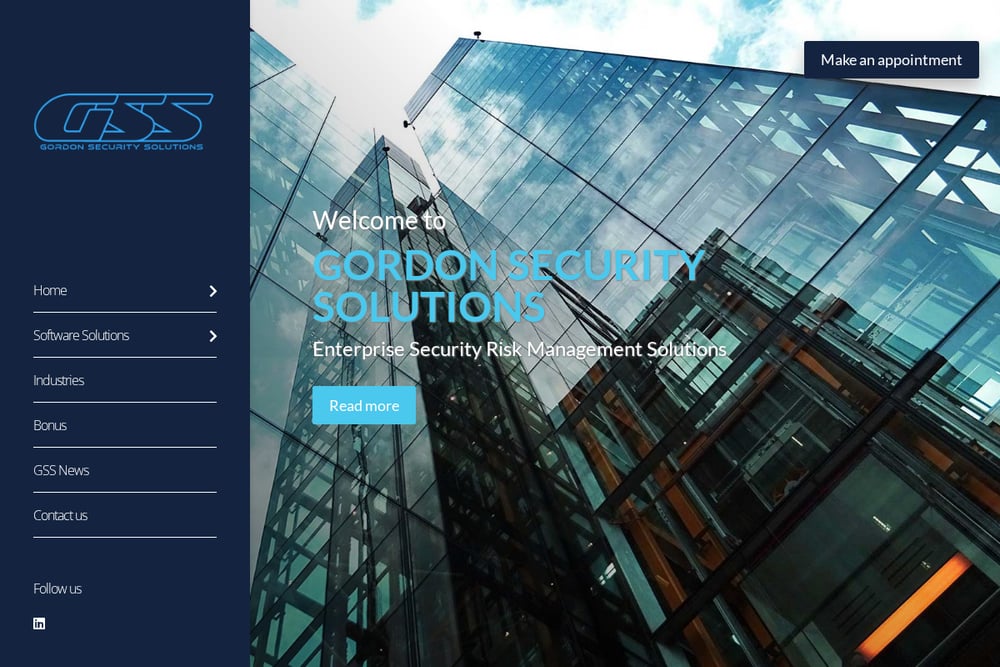 A screenshot of the Home - GSS website.
Gordon Security Solutions (GSS) offers a modular suite that covers risk assessments, incident reports, business continuity, and crisis management. What stands out is the emphasis on visual reporting and pre-defined templates that align with your company policies. The platform centralizes all your risk data, so you can track physical incident trends and build a security program that scales. GSS also includes a Security Investment ROI Calculator and a Security Maturity Readiness assessment, which are handy for making the business case to leadership. If you want a tool that's user-friendly and covers the full lifecycle of security management, GSS is worth a look. It's designed for enterprises that want to standardize processes without a steep learning curve.
#3 Panorays
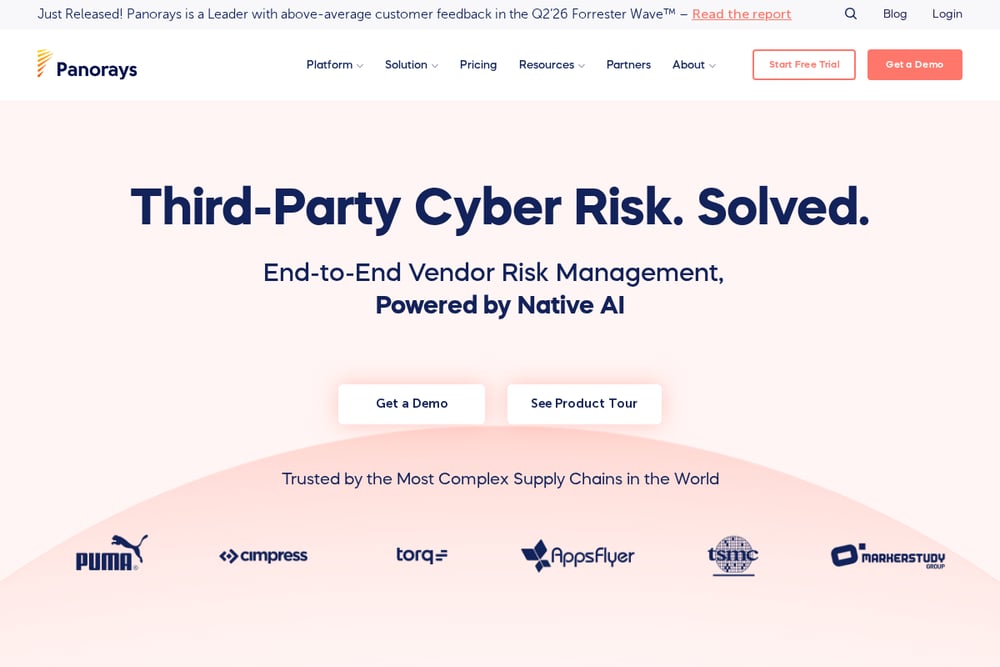 A screenshot of the Panorays website.
Panorays focuses on third-party and supply chain cyber risk management, which is a critical piece of any enterprise security program. Its platform automates security questionnaires, provides real-time monitoring of your vendors' security posture, and helps you prioritize remediation. The tool gives you a clear view of your entire third-party ecosystem, from onboarding to ongoing assessment. Panorays also offers executive-level reporting, so you can easily communicate risk to stakeholders. If your main concern is vendor risk, this platform is a specialized fit. It integrates with your existing workflows, making it easier to embed security into your procurement process.
#4 SBS TRAC
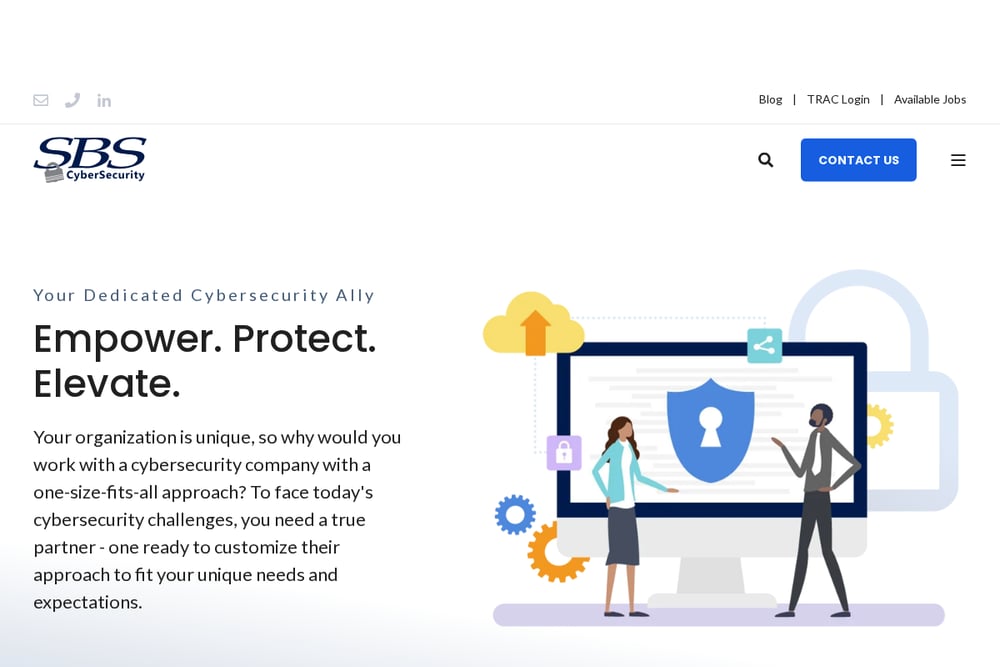 A screenshot of the SBS TRAC website.
SBS TRAC is a flexible GRC platform that automates the tedious parts of risk assessment and compliance. It covers governance, risk management, and compliance, with modules for business continuity, policy management, and internal audits. The tool is designed to align with regulations and best practices, so you can customize it to your specific needs. TRAC also includes features like action tracking and employee access management, which help you stay on top of your security program. If you're looking for a platform that can handle both risk and compliance in one place, TRAC is a solid option. It's particularly useful for organizations that need to demonstrate compliance to auditors.
#5 Vanta
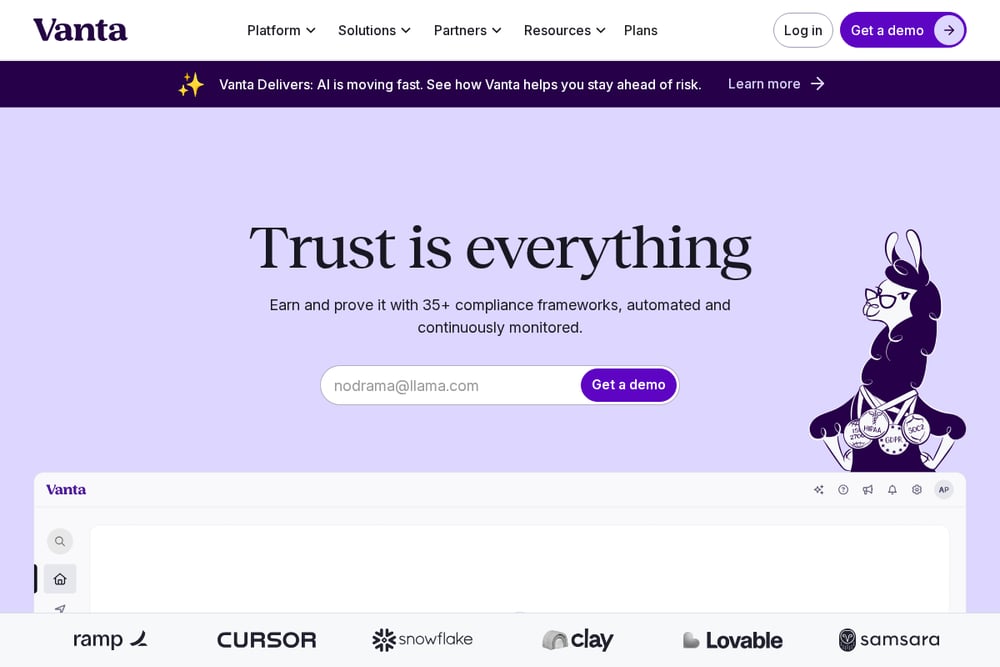 A screenshot of the Vanta website.
Vanta is known for automating compliance and risk management, making it a popular choice for fast-growing companies. It continuously monitors your security posture and automates evidence collection for audits, which saves you hours of manual work. The platform also includes third-party risk management and questionnaire automation, so you can respond to security reviews quickly. Vanta integrates with over 400 tools, pulling data automatically to give you a real-time view of your security. If you're looking to streamline compliance and build trust with customers, Vanta is a strong pick. It's especially useful for startups and mid-market companies that need to scale their security program efficiently.
How to Choose the Right Platform for Your Team
Start by mapping out your current pain points. Are you drowning in spreadsheets for incident tracking? Do you need to prove compliance to auditors? Or is vendor risk your biggest headache? Once you know what you need, look for a platform that covers those specific modules. Consider how easy it is to onboard your team—if the tool is too complex, adoption will suffer. Also, think about integration: does it play nicely with your existing security tools? Finally, don't underestimate the value of good reporting. You need to be able to show leadership the ROI of your security program, and that requires clear dashboards.
Automation: The Key to Scaling Your Security Program
The best platforms automate the repetitive tasks that eat up your team's time. For example, incident reports can trigger automated notifications and task assignments, so nothing falls through the cracks. Risk assessments can use pre-built templates that align with your policies, cutting down on manual data entry. Business continuity plans can be updated automatically when you change recovery objectives. By automating these workflows, you free up your team to focus on strategic initiatives. Look for a platform that offers role-based delegation and real-time logging, so you always know who did what and when.
The Bottom Line
No single platform is right for every enterprise, but the five above cover the spectrum from full-suite ESRM to specialized vendor risk. If you need a comprehensive solution that centralizes all your risk data, Home - GSS and Resolver are strong contenders. For third-party risk, Panorays is a clear leader. SBS TRAC and Vanta offer excellent automation for compliance and GRC. Take the time to demo a few and see which one feels intuitive to your team. The right tool will not only reduce risk but also make your security program more efficient and credible.