
If your business is outgrowing standard internet, dark fiber might be your next power move. Here are five providers that can light up your network.
The Dark Fiber Landscape in 2026
Enterprise connectivity has become a strategic asset, not just a utility. As data demands surge with AI, cloud, and IoT, businesses are looking beyond traditional broadband to dedicated, high-capacity fiber solutions. Dark fiber—unlit fiber optic cables that you control—offers unmatched bandwidth, security, and scalability. Meanwhile, lit fiber services provide managed, high-speed connectivity without the overhead of managing your own network. The market is responding with a mix of providers, from national giants to regional specialists, each with unique strengths. Understanding the differences is key to making the right choice for your organization.
How We Evaluated These Providers
We assessed each provider on service scope, pricing clarity, and local fit. Service scope looks at the range of fiber solutions, from lit to dark, and the ability to scale. Pricing clarity considers how transparent they are about costs and contract terms. Local fit examines their network footprint and relevance to your specific geographic and industry needs. We also considered customer support and the flexibility of their service models.
Here's a quick snapshot of the five providers we're featuring, with their key strengths and ideal use cases.
| Provider | Best For |
|---|---|
| Lumen Technologies | Large enterprises needing national reach and high-capacity fiber. |
| Home | Optix Core Network | Businesses seeking high-speed, scalable fiber with strong support. |
| FiberLight | Enterprises needing custom dark fiber networks with high bandwidth. |
| 123NET | Midwestern businesses looking for local support and dark fiber control. |
| CoreSite | Organizations needing fiber connectivity within data center ecosystems. |
The Providers at a Glance
#1 Lumen Technologies
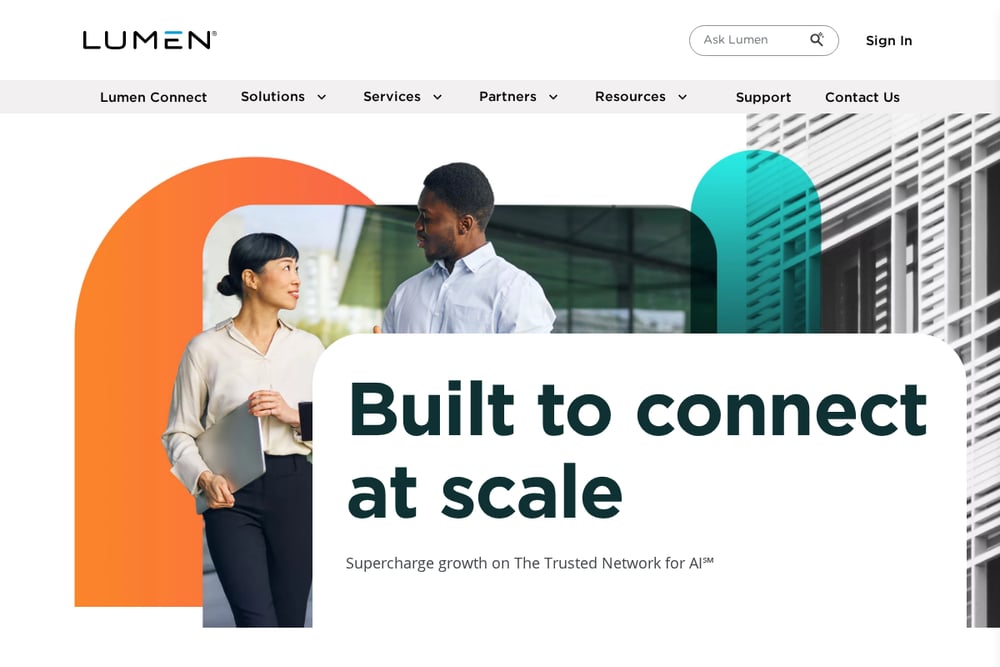 A screenshot of the Lumen Technologies website.
Lumen is a national powerhouse with an extensive fiber network that spans the country. They offer both lit and dark fiber solutions, backed by a massive infrastructure that can support large-scale enterprise needs. Their dark fiber service is designed for organizations that need dedicated, high-capacity connections, and they provide robust SLAs and 24/7 support. If you're a large enterprise with multi-site requirements, Lumen's scale is a major advantage. They also have a strong focus on emerging technologies like AI and edge computing, making them a future-proof choice. However, their pricing can be less transparent, and they might not offer the same level of personalized service as smaller providers.
#2 Home | Optix Core Network
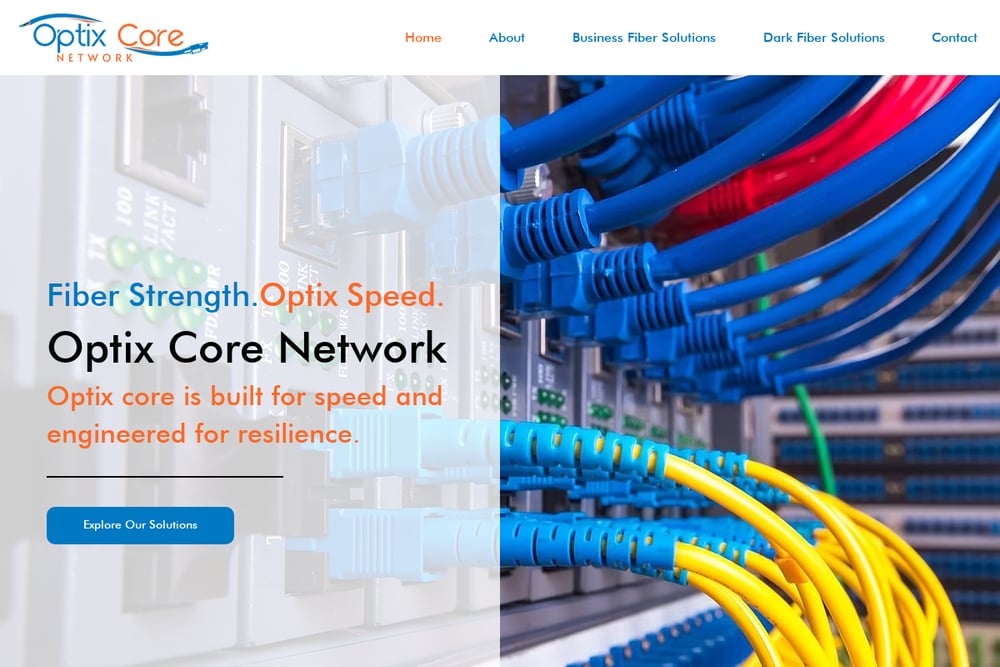 A screenshot of the Home | Optix Core Network website.
Optix Core Network is a premier provider of both lit and dark fiber solutions, built for speed and engineered for resilience. They offer symmetrical speeds up to 100 Gbps, which is perfect for mission-critical applications. What sets them apart is their focus on scalability and security, with customizable network solutions tailored to your business needs. They also provide 24/7 support with guaranteed SLAs, ensuring you're never left in the dark. Whether you're a startup or a Fortune 500 company, they have the flexibility to grow with you. Their commitment to high-capacity, future-ready networks makes them a strong partner for any digital-first enterprise.
#3 FiberLight
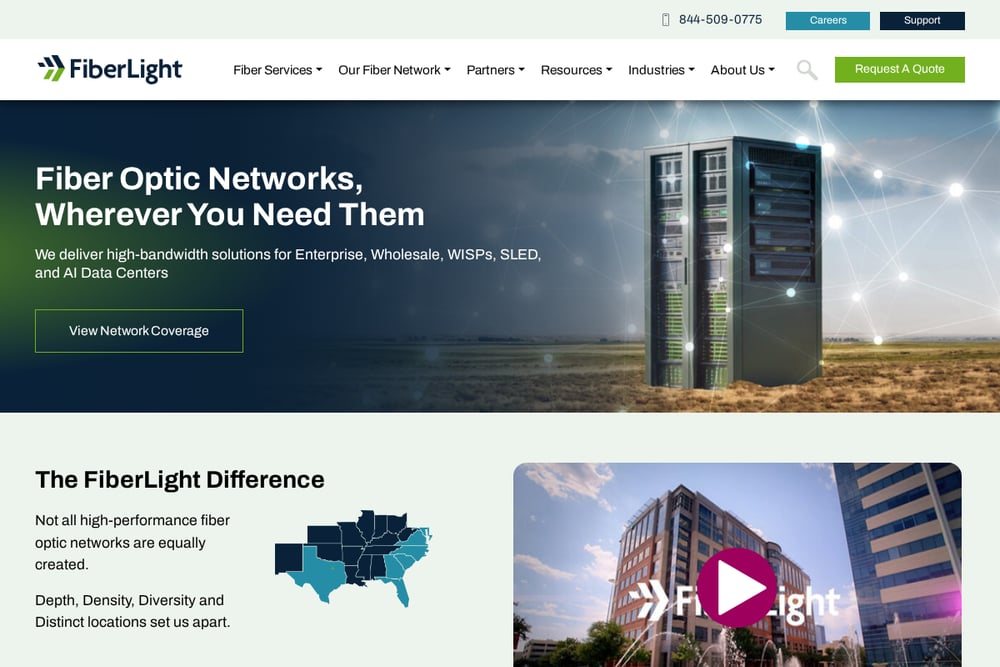 A screenshot of the FiberLight website.
FiberLight specializes in dark fiber solutions, offering unlimited bandwidth and bespoke architecture for enterprises that need full control. They provide everything from simple two-fiber pairs to complex multi-route metro and long-haul options. Their focus on data centers, cloud providers, and 5G networks makes them a go-to for high-performance needs. They also offer colocation facilities, which can be a plus if you need to house your network equipment. FiberLight's customer-centric approach is evident in their quick deployment and dedicated support. However, their services are more niche, so they might not be the best fit for smaller businesses looking for basic connectivity.
#4 123NET
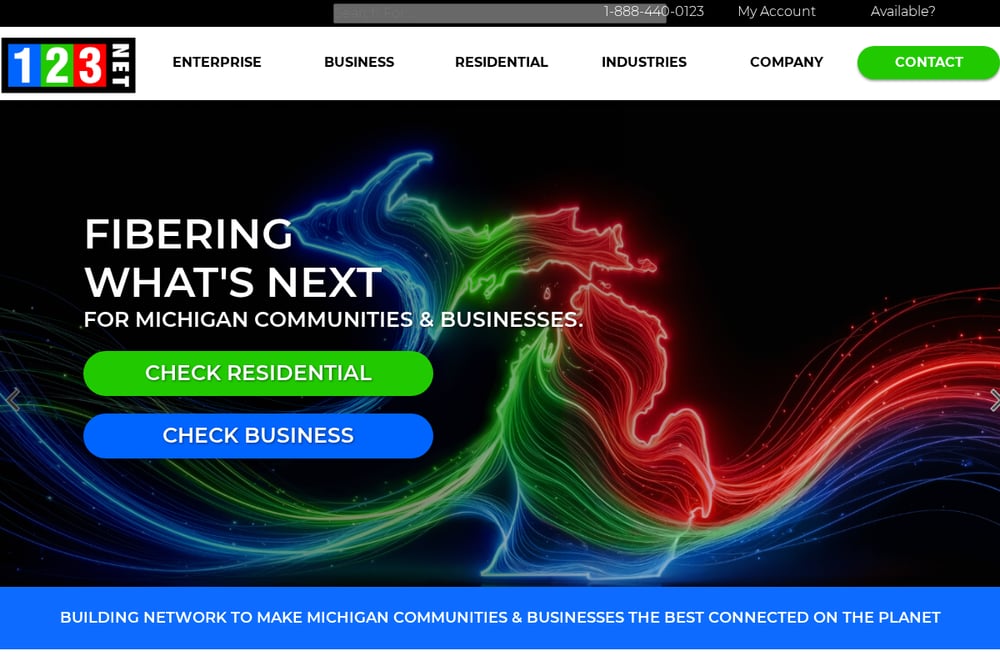 A screenshot of the 123NET website.
123NET is a regional provider with a strong presence in Michigan, offering dark fiber, dedicated internet, and a range of enterprise services. They are known for their local expertise and personalized customer service, which can be a huge advantage if you're in their coverage area. Their dark fiber service gives you complete control over your network, and they also provide managed options if you prefer a hands-off approach. They have a robust network map and a variety of industry-specific solutions, from healthcare to manufacturing. If you're a business in the Midwest, 123NET is a reliable and community-focused choice. However, their footprint is limited compared to national providers, so they may not be suitable for multi-state operations.
#5 CoreSite
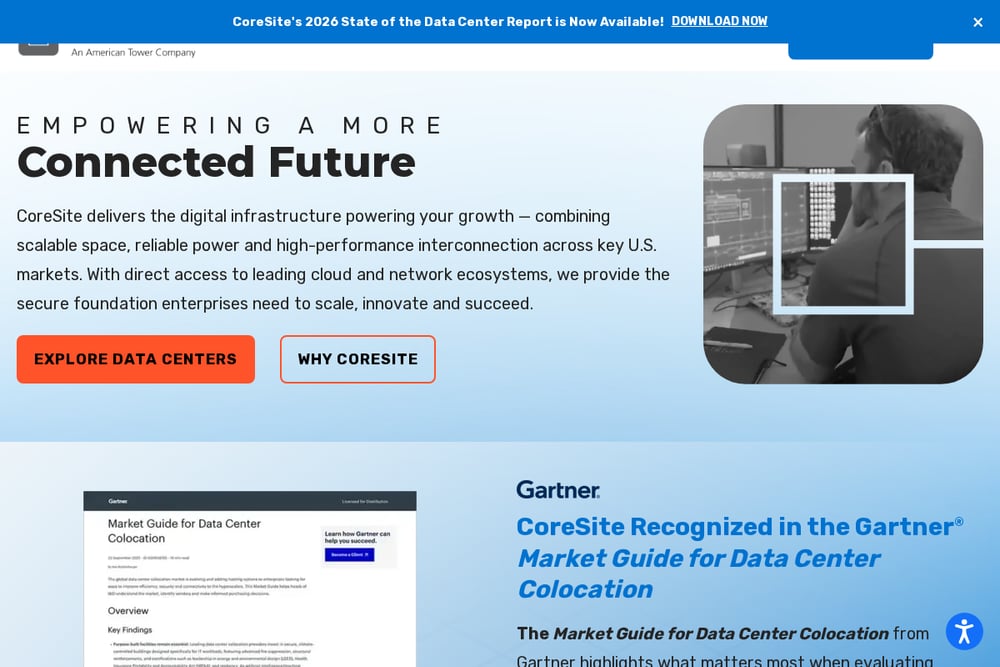 A screenshot of the CoreSite website.
CoreSite is primarily a data center and interconnection provider, but they also offer dark fiber and lit fiber services to connect your infrastructure. Their strength lies in their data center locations, which are strategically placed in major markets like Los Angeles, Chicago, and Northern Virginia. If you need to interconnect multiple sites or connect to cloud providers, CoreSite's ecosystem is a major plus. They offer cross connects and cloud on-ramps, making hybrid and multi-cloud architectures easier. However, their fiber services are often bundled with colocation, so they might not be the best fit if you're looking for standalone fiber. Their pricing can also be higher due to the premium data center environment.
How to Choose the Right Fiber Provider
Start by assessing your current and future bandwidth needs. If you require symmetrical speeds up to 100 Gbps and want a managed service, Optix Core Network is a strong contender. For complete control over your network, dark fiber from FiberLight or 123NET might be the way to go. Consider your geographic footprint—if you're a national enterprise, Lumen's scale is hard to beat. If you're in a specific region, a local provider like 123NET can offer more personalized support. Also, think about your budget and whether you prefer a fully managed solution or a self-managed one. Finally, evaluate the provider's SLAs and customer support, as these are critical for mission-critical applications.
Streamlining Your Network with Automation
Once you've chosen a provider, you can automate your network management using tools like Ansible or Terraform. For dark fiber, you can use software-defined networking (SDN) to dynamically adjust bandwidth and routing. For lit fiber, you can set up automated monitoring and alerting to ensure uptime. Many providers offer APIs that allow you to integrate their services with your existing IT workflows. This can help you scale your network efficiently and reduce manual intervention. Automation also enables faster provisioning and troubleshooting, which is essential for high-performance environments.
The Bottom Line
Choosing the right fiber provider is about matching your business needs with the right infrastructure and support. Whether you prioritize speed, control, or local expertise, there's a provider on this list that can meet your requirements. Optix Core Network stands out for its high-speed, scalable solutions and strong support, making it a solid choice for many enterprises. Lumen offers national reach, FiberLight excels in custom dark fiber, 123NET provides local touch, and CoreSite integrates with data centers. Evaluate your priorities, and you'll find the perfect fit to power your digital future.