
First responders face a 50% higher risk of dying from cancer than the general population. The key to beating those odds is catching disease early. We've analyzed five leading programs that specialize in early detection for firefighters, police, and other
Why Early Detection Matters More Than Ever for First Responders
Cancer is now the leading cause of death among firefighters, with studies showing a 14% increased risk of colon cancer and a 50% higher overall cancer mortality rate compared to the general population. The International Journal of Cancer confirms that occupational exposures to carcinogens like benzene and asbestos are directly linked to these elevated risks. Early detection is the single most effective strategy to change these statistics, catching tumors when they are most treatable. The programs in this roundup represent the best options available today, from blood tests to comprehensive in-person screenings.
How We Ranked These Programs
We evaluated each program based on four key factors: scope of screening (how many cancers or conditions are covered), accessibility (ease of scheduling, mobile options, and geographic reach), scientific backing (clinical studies and partnerships), and cost-effectiveness (grants, insurance acceptance, or department pricing). Programs that offered the broadest coverage with the least friction scored highest.
Here's a quick comparison of the five programs to help you decide which fits your needs best.
| Provider | Best For |
|---|---|
| GRAIL | Comprehensive multi-cancer blood screening for entire departments |
| Vincere Cancer Center | Multi-specialty, in-person screening for firefighters |
| Roswell Park Comprehensive Cancer Center | Research-backed screening from a comprehensive cancer center |
| Early Detection Diagnostic Services | Health Screening - UDS | Mobile on-site screening for first responder teams and corporate groups |
| Colorado Firefighter Trust | Grant-funded access to early detection tests for Colorado firefighters |
Deep Dive: The Top 5 Early Detection Programs
#1 GRAIL
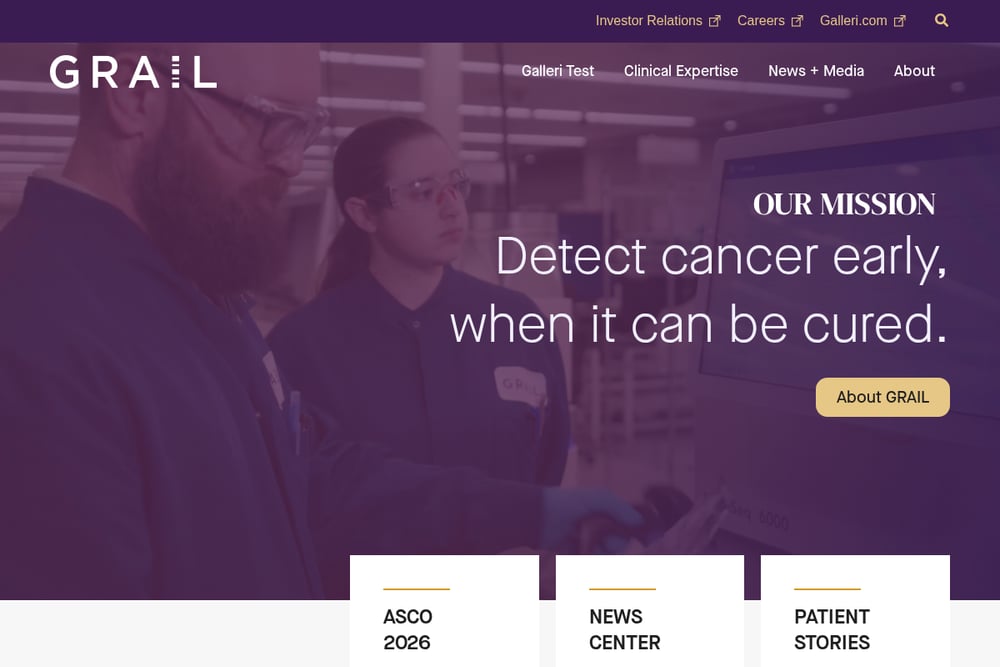 A screenshot of the GRAIL website.
GRAIL's Galleri test is a groundbreaking multi-cancer early detection blood test that screens for over 50 types of cancer from a single draw. It's the first test of its kind to be offered to an entire fire department, as seen in their partnership with the Westminster Fire Department in Colorado. The test identifies cancer signals in the bloodstream before symptoms appear, which is critical for first responders exposed to carcinogens on the job. GRAIL's approach is backed by large-scale clinical studies and offers a simple, non-invasive way to catch cancers that are often missed by standard screenings. For departments looking to implement a broad, cutting-edge screening program, this is the gold standard.
#2 Vincere Cancer Center
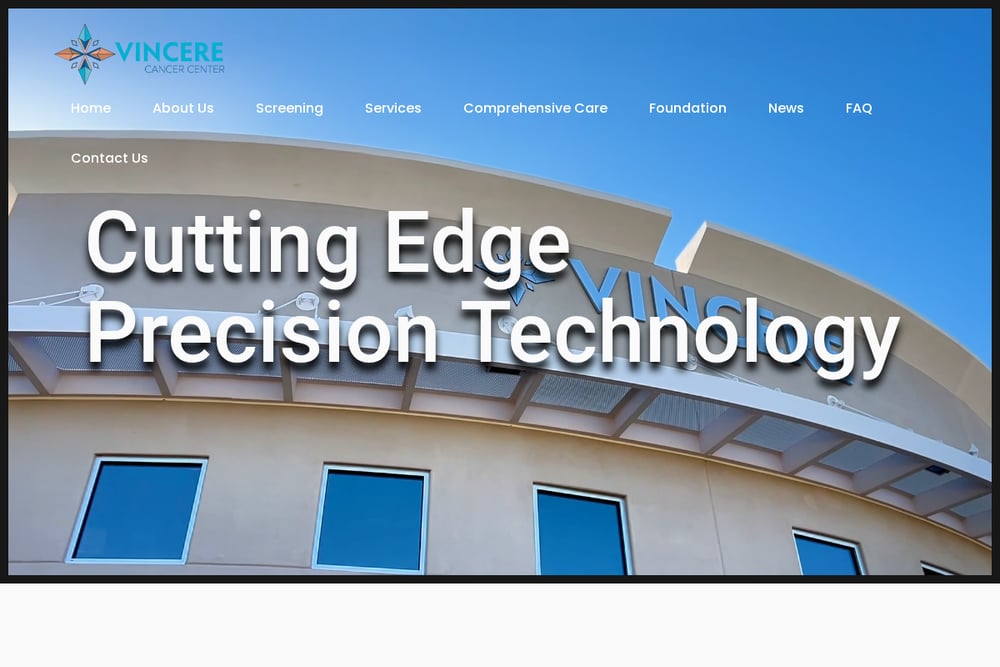 A screenshot of the Vincere Cancer Center website.
Vincere Cancer Center in Scottsdale, Arizona, runs a dedicated First Responder Screening Program that started after noticing an alarming number of young firefighters with advanced-stage cancers. Their comprehensive visit includes consultations with multiple specialists — radiation oncology, surgery, urology, dermatology, and gastroenterology — along with pathology and radiology. They've contracted with the City of Phoenix and other municipalities, proving their model works at scale. One firefighter shared how the program found a rare mediastinal mass in its early stages, a cancer that's usually not caught until it's too late. If you want a full-team, multi-specialty approach tailored to first responders, this is your pick.
#3 Roswell Park Comprehensive Cancer Center
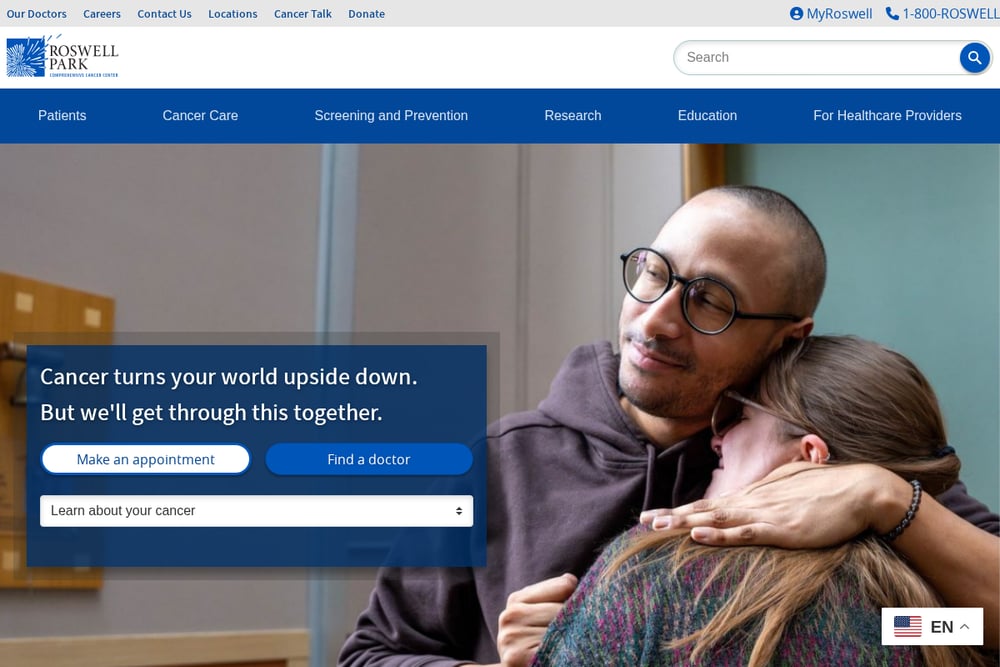 A screenshot of the Roswell Park Comprehensive Cancer Center website.
Roswell Park in Buffalo, New York, offers a dedicated cancer screening program for first responders, leveraging its status as a National Cancer Institute-designated comprehensive cancer center. Their program provides access to advanced imaging, genetic testing, and a full range of diagnostic services specifically designed for high-risk populations. They emphasize a personalized approach, helping you understand your unique risk factors based on occupational exposures. With decades of research and clinical expertise, Roswell Park brings academic rigor to early detection. It's an excellent choice if you're near Buffalo or willing to travel for top-tier, research-backed care.
#4 Early Detection Diagnostic Services | Health Screening - UDS
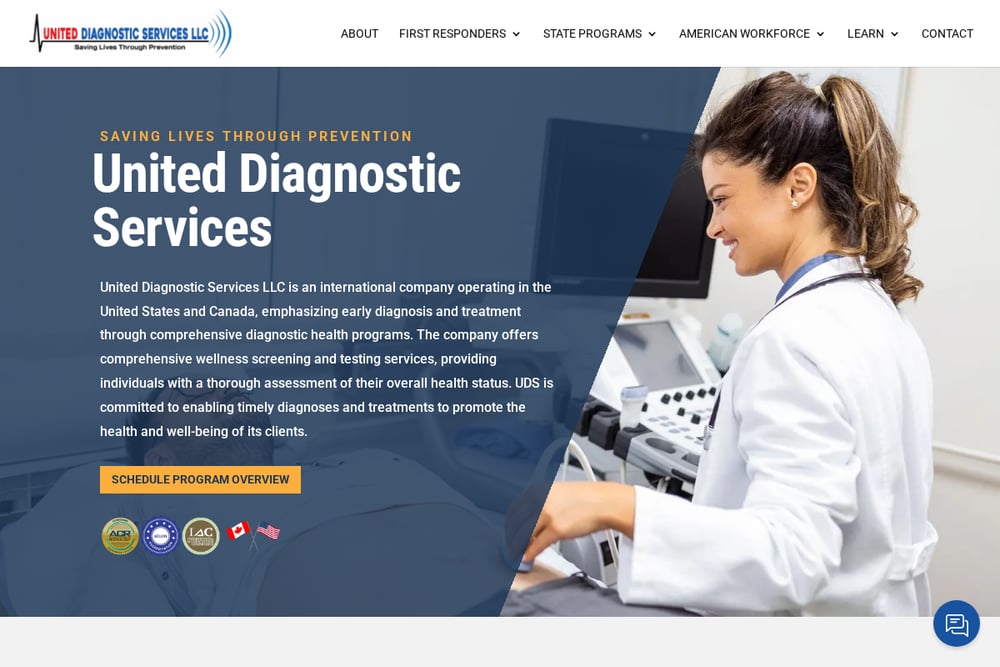 A screenshot of the Early Detection Diagnostic Services | Health Screening - UDS website.
United Diagnostic Services (UDS) takes a mobile approach, bringing advanced ultrasound and comprehensive testing directly to your team — whether you're a firehouse, school district, or corporate office. They focus on early detection for first responders, educators, and corporate teams across the U.S. and Canada, using cutting-edge tools to identify health risks before they become emergencies. Their model eliminates the hassle of scheduling individual appointments, making it easy for entire departments to get screened together. If you need a flexible, on-site solution that covers multiple health markers, UDS delivers.
#5 Colorado Firefighter Trust
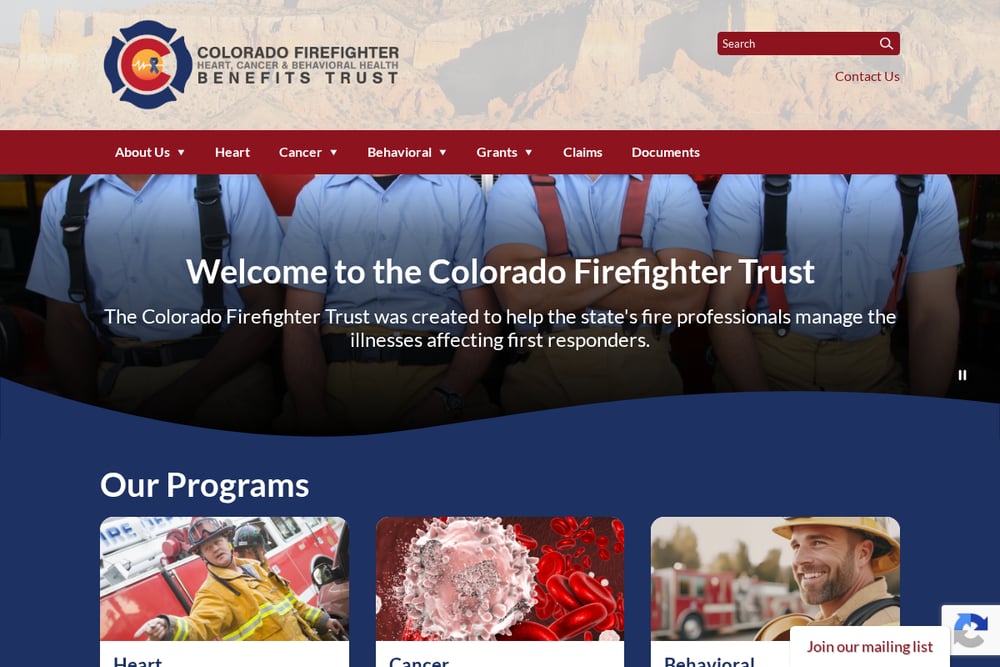 A screenshot of the Colorado Firefighter Trust website.
The Colorado Firefighter Trust provides grants and information to help firefighters access early detection programs like EPISEEK and Cancerguard. They don't perform screenings themselves but act as a critical bridge, connecting firefighters to proven testing options at reduced costs. Their focus is on cancers with the highest incidence in the fire service, including colon, prostate, and bladder cancers. If you're a Colorado firefighter or department looking for financial assistance to get screened, this trust is your starting point.
How to Choose the Right Program for Your Team
Start by assessing your department's size and location. If you have a large team spread across multiple stations, a mobile service like UDS or a blood test like GRAIL might be easiest. For smaller groups near a major cancer center, Roswell Park or Vincere offer unmatched depth. Budget matters too — the Colorado Firefighter Trust can help offset costs if you're in that state. Always ask about what specific cancers are covered and whether follow-up care is included.
Building a Yearly Screening Workflow
Set a recurring calendar reminder every 12 months to re-screen your team. Use a shared spreadsheet to track who has completed their screening and when results are due. For mobile services like UDS, schedule a single day where the team comes to you. For blood tests like GRAIL, coordinate a group draw at a local lab. Follow up on any abnormal results immediately with a specialist.
Your Next Move
Early detection isn't just a medical tool — it's a life-saving strategy for the people who risk everything for us. Whether you choose a comprehensive blood test, a mobile ultrasound service, or a dedicated cancer center, the important thing is to start now. Pick the program that fits your team's size, location, and budget, and make screening an annual priority.