
Navigating the wild world of toddler tantrums and preschool power struggles? These five resources turn chaos into calm, backed by science and real-world know-how.
The Landscape of Early Childhood Behavior Support
The field of early childhood behavior management has exploded in recent years, moving from punitive discipline to understanding the 'why' behind actions. Parents and educators now have access to neuroscience-based tools, trauma-informed practices, and practical strategies that respect a child's developing brain. This shift is driven by research showing that early intervention and supportive relationships can reshape a child's trajectory. The resources below represent the best of this new wave, offering everything from academic curricula to at-home guides.
How We Evaluated These Resources
We looked at each resource through the lens of a busy parent or educator. Key factors included the depth of evidence-based content, the practicality of the advice for daily life, the clarity of the presentation, and the range of tools offered. We also considered how well each resource bridges the gap between complex research and actionable steps. Each one brings something unique to the table, from academic rigor to hands-on strategies.
Here's a quick snapshot of the five resources we're highlighting, so you can see at a glance which might fit your needs.
| Provider | Best For |
|---|---|
| Child Mind Institute | Parents seeking clinically-backed, comprehensive behavior guides |
| Plan Provide Play | Parents and educators wanting a neuroscience-based, practical guide |
| ZERO TO THREE | Professionals and parents seeking research-backed, birth-to-three resources |
| Child Trends | Educators and advocates wanting data-driven insights on trauma-informed care |
| AnswersNow | Parents wanting practical, behavior-analytic strategies for young children |
The Full Breakdown: 5 Resources to Transform Your Approach
#1 Child Mind Institute
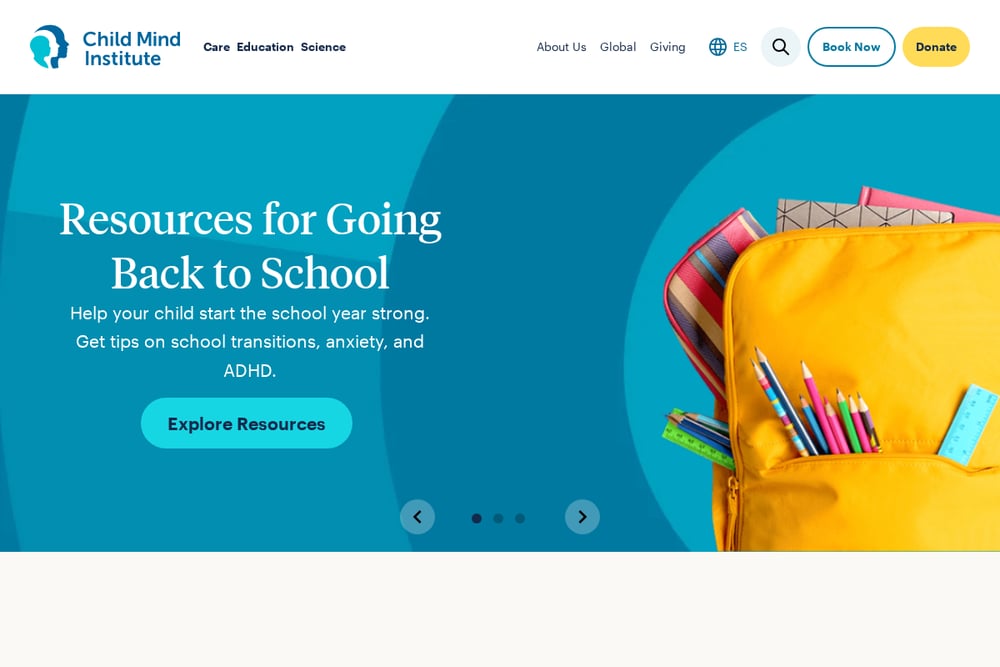 A screenshot of the Child Mind Institute website.
The Child Mind Institute offers a comprehensive, clinically-backed guide to managing problem behaviors in children. Their approach is rooted in decades of research and practical experience, giving you clear, step-by-step strategies for everything from tantrums to defiance. You'll find a wealth of articles, videos, and toolkits that break down complex psychological concepts into digestible advice. It's a go-to for parents who want professional insight without the jargon. The site also covers related topics like ADHD and anxiety, making it a versatile resource. If you're looking for a one-stop shop for child mental health, this is it.
#2 Plan Provide Play
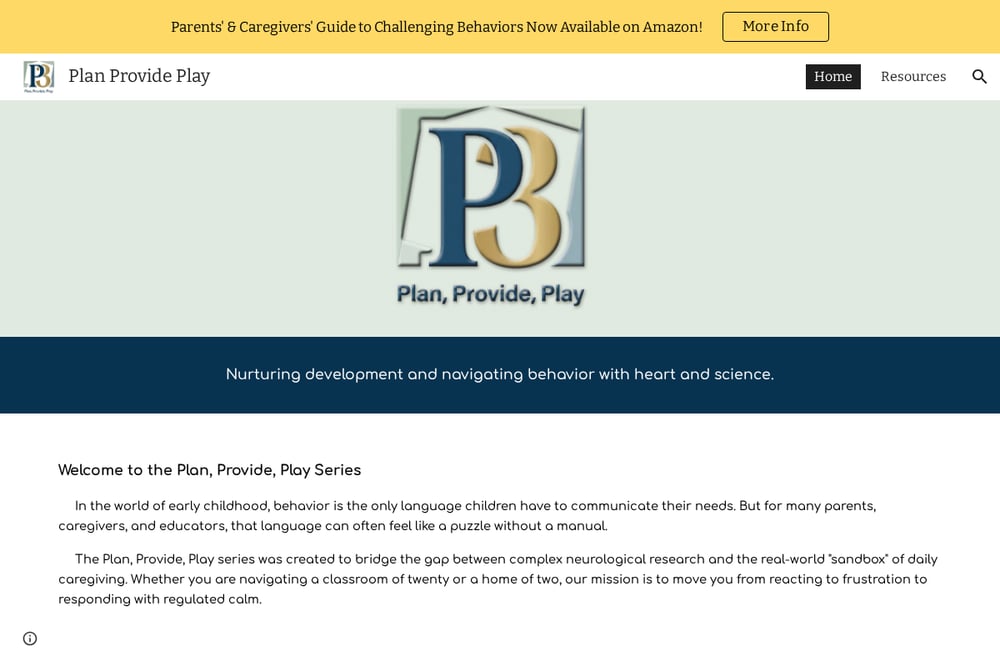 A screenshot of the Plan Provide Play website.
Plan Provide Play stands out by translating complex neuroscience into a practical, heart-centered guide for parents and educators. The 'Construction Site' model of brain development helps you understand why your child 'flips their lid,' turning frustration into regulated calm. You'll learn to become a 'Behavior Detective,' identifying hidden triggers like hunger or sensory overload. The guide is packed with tools like 'Calm Corners' and 'Yes Spaces' that create a more positive environment. It's written by a caregiver who's been in the trenches, so the advice feels relatable and doable. This is your manual for surviving and thriving through the early years.
#3 ZERO TO THREE
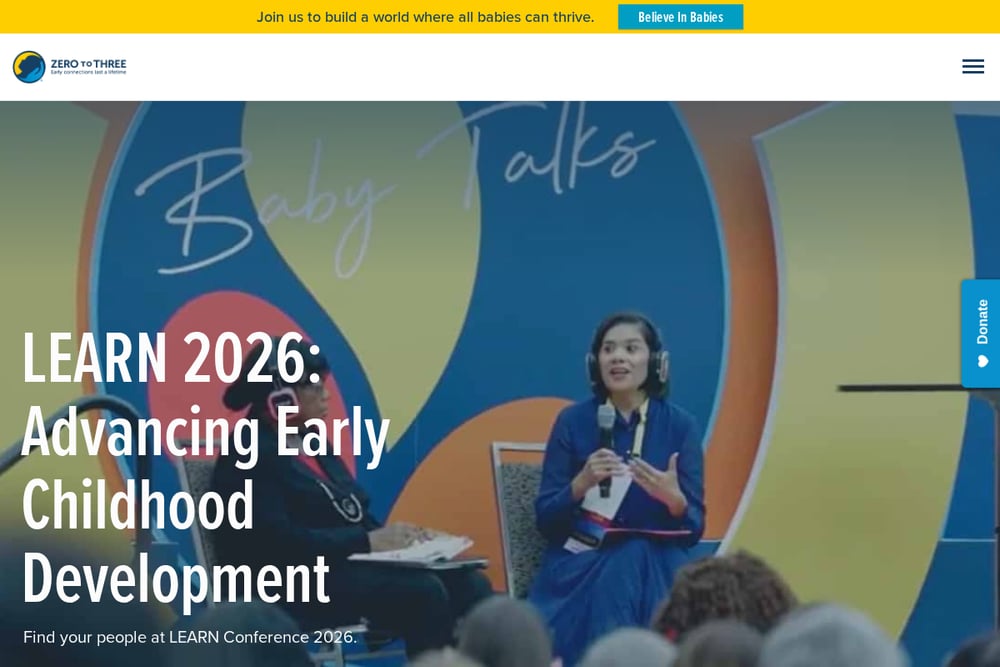 A screenshot of the ZERO TO THREE website.
ZERO TO THREE is a powerhouse in the early childhood field, focusing on the critical birth-to-three age range. Their resources are deeply rooted in research and advocacy, offering evidence-based practices for both parents and professionals. You'll find a treasure trove of articles, toolkits, and training opportunities that address everything from trauma-informed care to social-emotional development. The site is a bit more academic, but the insights are invaluable for understanding the youngest minds. If you're a professional educator or a parent who loves the science, this is a goldmine. They also offer a 'State of Babies' yearbook that provides data-driven insights into early childhood well-being.
#4 Child Trends
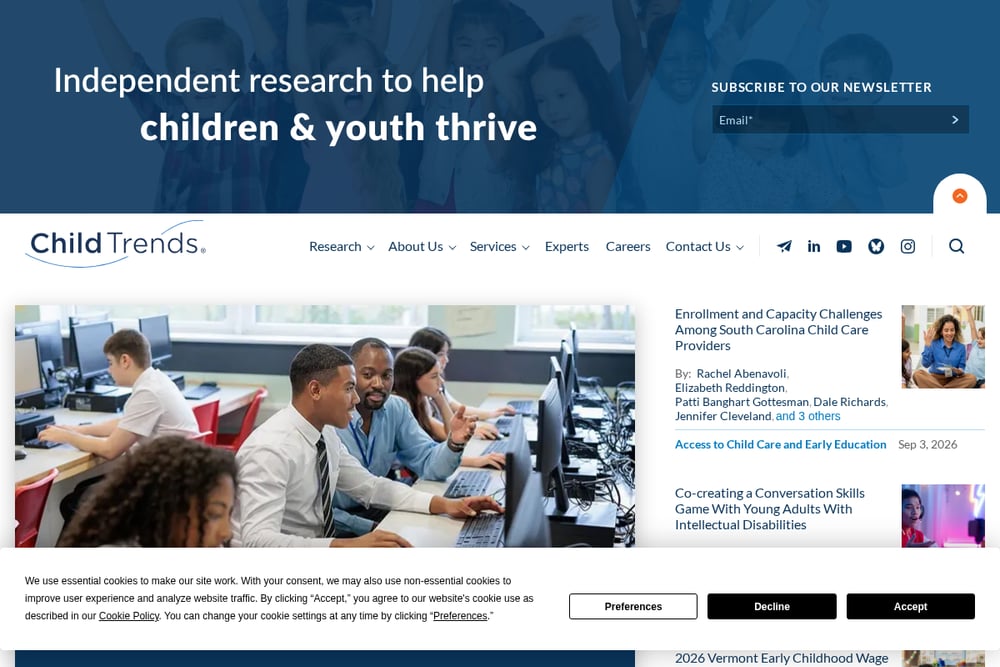 A screenshot of the Child Trends website.
Child Trends is a research organization that translates data into actionable insights for improving children's lives. Their work on trauma-informed care is particularly notable, offering clear evidence on how these approaches benefit child development. You'll find research briefs and reports that break down complex studies into understandable takeaways. While it's more research-focused than hands-on, it's perfect for educators and policymakers who need the 'why' behind the strategies. The site also covers a wide range of topics, from early childhood to youth development. If you want to stay on the cutting edge of what works, this is your source.
#5 AnswersNow
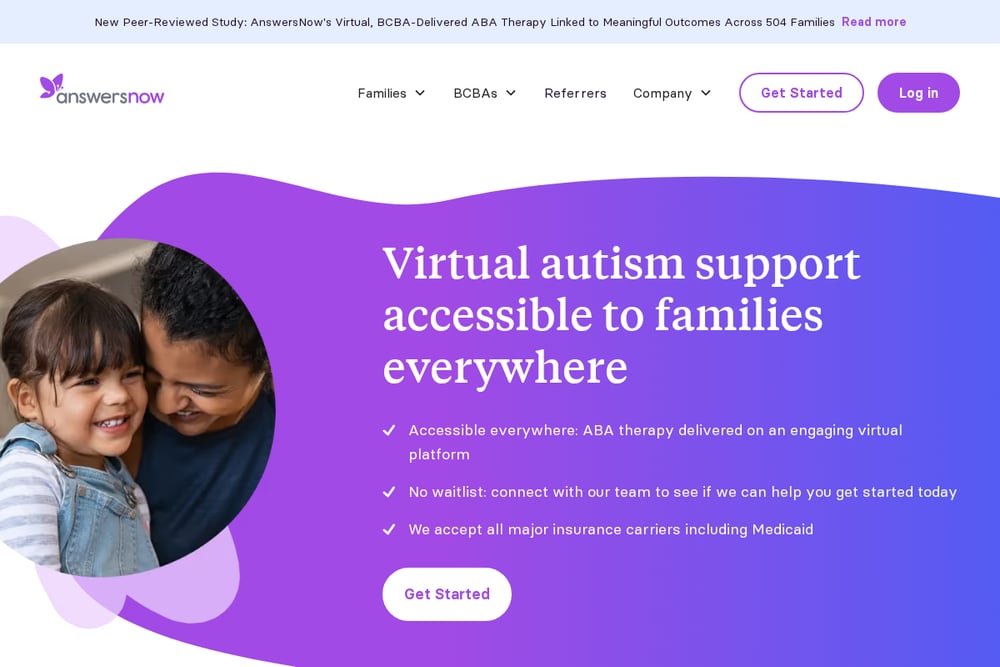 A screenshot of the AnswersNow website.
AnswersNow offers a practical, behavior-analytic approach to managing challenging behaviors in young children. Their blog breaks down common issues like tantrums and biting, explaining the function behind the behavior. You'll learn how to observe and understand what your child is communicating, then apply targeted strategies. It's particularly useful for parents of children with autism or other developmental differences, but the principles apply to all kids. The advice is clear, actionable, and delivered in a supportive tone. If you're looking for straightforward, behavior-based solutions, this is a solid pick.
How to Choose the Right Resource for You
Start by asking yourself: what's my biggest challenge right now? If you need a deep dive into the science behind behavior, ZERO TO THREE or Child Trends will feed your brain. If you're in the trenches and need quick, actionable tips, Plan Provide Play or AnswersNow are your go-tos. For a comprehensive, all-around guide, the Child Mind Institute covers nearly every scenario. Also, consider your child's age—some resources focus on the under-3 crowd, while others span up to age 8. Finally, think about your learning style: do you prefer research papers or relatable stories? Match the resource to your needs, and you'll find the support you're looking for.
Streamline Your Search with AI-Powered Tools
Finding the right resource can be time-consuming, but you can use AI to speed up the process. Start by using a tool like ChatGPT to summarize the key points of each website. Then, create a comparison table in a spreadsheet, listing features like age range, format, and cost. You can even ask an AI assistant to draft a personalized action plan based on your child's specific behaviors. Finally, set up Google Alerts for keywords like 'early childhood behavior' to stay updated on new research. This way, you'll have a curated list of resources without the endless scrolling.
Bringing It All Together
No single resource has all the answers, but each of these five offers a unique piece of the puzzle. Whether you're drawn to the neuroscience of Plan Provide Play or the research depth of Child Trends, the key is to find what resonates with you. Remember, the goal isn't perfection—it's progress. Start with one resource, try a few strategies, and see what works for your family. With the right tools in your corner, you can turn those challenging moments into opportunities for connection and growth.