Protecting the Idea When the Budget Shrinks
Every production studio eventually faces the same conversation: a client arrives with a commercial or music video in mind, and the budget does not stretch to what they pictured. The question is what gets cut first. For Downtown Culture, a Miami creative production studio, the answer starts with what must not be cut.
"The first thing I do is identify what makes the idea special and protect that," the studio said. "I wouldn't cut the heart of the story or the visual element that makes it memorable."
Instead, the studio reviews the scale of production. Locations, extras, costume changes, and the number of sets can all be reduced. The goal is to find simpler solutions that achieve the same impact. As the studio put it, "a limited budget doesn't mean giving up on the idea; it means finding a smarter, more creative way to bring it to the screen."
That approach reflects a broader principle in commercial production: constraints are often best treated as creative problems rather than reasons to lower ambition. For readers comparing studios, it is a useful question to ask early — not whether a team can cut costs, but what they will protect when they do.
What Studio Pages Leave Out
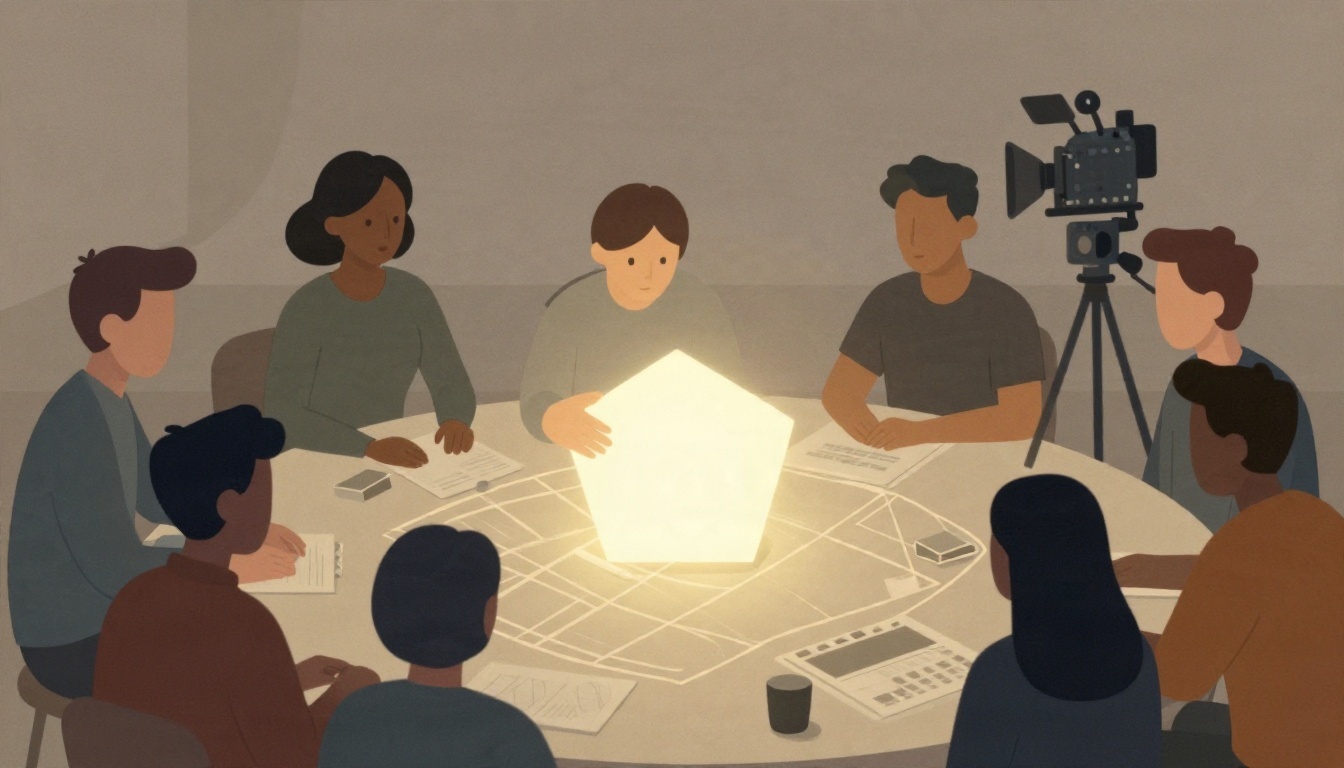
Portfolios and studio pages tend to show finished work. What they rarely show is the conversation that precedes it. According to Downtown Culture, clients often arrive without a fully defined idea.
"Often they arrive with a feeling, a need, or something they want the public to remember," the studio said. In the first conversations, the team tries to uncover what lies behind the project: what the client wants to communicate, who they want to reach, and what cannot be lost along the way.
"The pages of a study show the final result, but they almost never include that part of listening, asking the right questions, and helping the client find a way to turn their vision into a story."
This is a practical reminder for anyone commissioning a commercial or music video. A reel demonstrates craft, but it does not show how a studio listens. The early conversations are where a vague feeling becomes a brief — and where a project either gains clarity or carries confusion into production.
The Decision Clients Make Too Quickly
Asked what clients tend to decide too soon, the studio pointed to visuals. "Often, people rush to decide what the project will look like before defining what it needs to achieve," it said. Clients may arrive with a location, a scene, or a very specific visual reference before the audience, message, budget, and available time have been thoroughly discussed.
The studio's preference is to understand purpose and scope first. "Then, with the treatment and timeline on the table, we can make visual decisions that truly work for the project."
That sequence — purpose, then scope, then visuals — is easy to state and harder to follow when a client has a strong reference in mind. But it maps to how production schedules and treatments actually function: a treatment translates an idea into an approach, and a schedule tests whether that approach is feasible. Deciding the look before either exists can lock a project into choices that are expensive to undo.
Takeaways for Clients and Studios
For clients, the interview suggests three practical habits. First, be clear about what cannot be lost — the story beat or visual element that carries the idea. Second, expect a listening phase; a studio that asks about audience and message before showing references is doing useful work. Third, resist settling on locations or visual references before the purpose, budget, and timeline are on the table.
For studios, the parallel lesson is about communication. The work of explaining trade-offs — fewer locations, fewer extras, simpler sets — is part of the creative service, not an apology for a smaller budget. Downtown Culture frames that work as protecting the idea while adjusting its scale, a position that treats production constraints as a design problem rather than a compromise.
The studio's inclusion alongside Glass House Films and Caldera Films in a recent roundup of Miami creative production studios places it in a local landscape where commercial and music video work compete for attention. Its answers point to a quieter differentiator: the quality of the early conversation, and the discipline to hold visual decisions until the project's purpose is clear.