
When you're ready to leave an abusive relationship, having a clear, safe plan can make all the difference. These five platforms offer practical tools, education, and support to help you prepare and protect yourself.
The Landscape of Safety Planning Resources
Domestic violence safety planning has evolved from a one-size-fits-all checklist to a personalized, multi-step process. Today's resources combine crisis intervention, educational guides, and financial planning to address the complex realities survivors face. Whether you're just recognizing unhealthy patterns or actively preparing to leave, these platforms provide a range of approaches—from immediate hotline support to in-depth written guides. The goal is to meet you where you are and give you the tools to move forward safely.
How We Evaluated These Resources
We looked at each platform's ability to provide clear, actionable safety planning guidance, the depth of educational content, and the accessibility of support services. We also considered how well each resource addresses the emotional and psychological aspects of leaving, as well as practical steps like document preparation and financial planning. Each platform stood out in its own way: some excel in crisis intervention, others in comprehensive guides, and some in specialized financial safety.
Here's a quick look at the five resources we're covering, each with its own strengths and focus areas.
| Provider | Best For |
|---|---|
| National Domestic Violence Hotline | Immediate crisis support and live advocacy |
| Healingstartswithleaving | Educational guides and preparing to leave safely |
| Domestic Violence Crisis Center | Practical, step-by-step safety planning checklists |
| 1800RESPECT | Comprehensive safety planning checklists and abuse education |
| NNEDV | Financial safety planning and economic independence |
Detailed Look at Each Resource
#1 National Domestic Violence Hotline
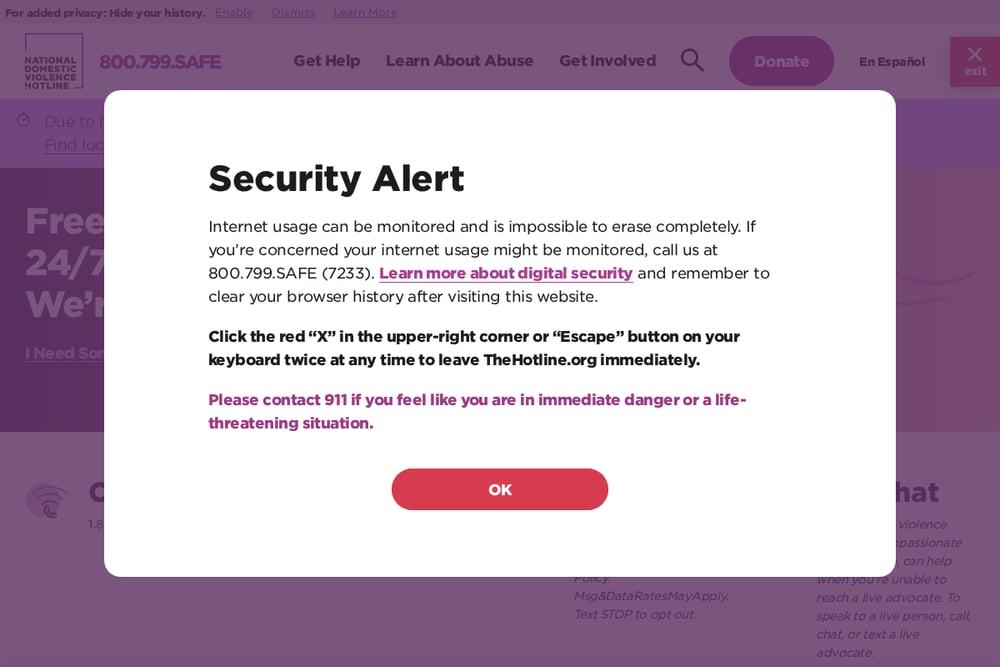 A screenshot of the National Domestic Violence Hotline website.
The National Domestic Violence Hotline is the go-to for immediate, 24/7 support. You can call, chat, or text with a live advocate who can provide crisis intervention, safety planning, and referrals to local resources. They also offer an AI chat bot, Ruth, for when you can't reach a live person. This platform is ideal if you need real-time help or are in immediate danger. Their website also includes educational materials on warning signs and the power and control wheel. For a direct lifeline, this is the most comprehensive crisis resource.
#2 Healingstartswithleaving
 A screenshot of the Healingstartswithleaving website.
Healing Starts With Leaving focuses on the educational and emotional preparation needed before you physically leave. It offers a free Safe Leaving Guide in both video and written formats, helping you understand the psychological patterns that make leaving difficult. The platform emphasizes awareness first, which is crucial for women who may not yet recognize their situation as abuse. It also provides links to emergency hotlines, including the National Domestic Violence Hotline, for immediate help. This resource is perfect for those who need to build understanding and confidence before taking action. The written guide can be saved or printed for private, at-your-own-pace review.
#3 Domestic Violence Crisis Center
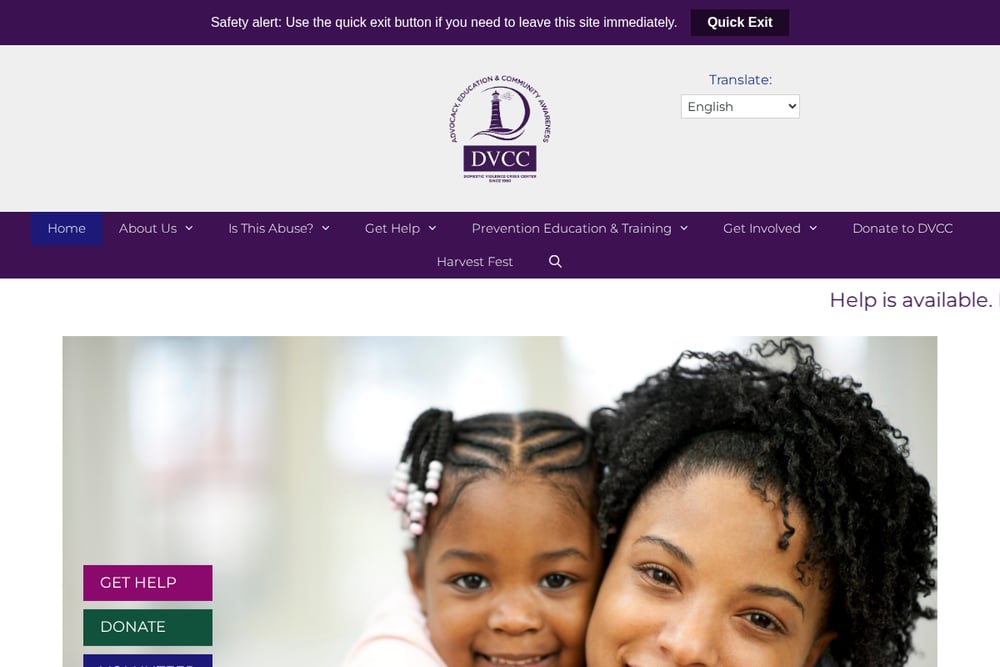 A screenshot of the Domestic Violence Crisis Center website.
The Domestic Violence Crisis Center offers a practical, step-by-step approach to safety planning. Their guide covers essential actions like changing locks, obtaining a new cell phone, and preparing a bag with important documents. They emphasize that leaving is the most dangerous time and strongly encourage professional support. This resource is ideal for those who want a concrete checklist to follow. They also provide a 24-hour hotline for Connecticut residents, but their safety planning tips are universally applicable. If you're looking for actionable, no-nonsense steps, this is a solid choice.
#4 1800RESPECT
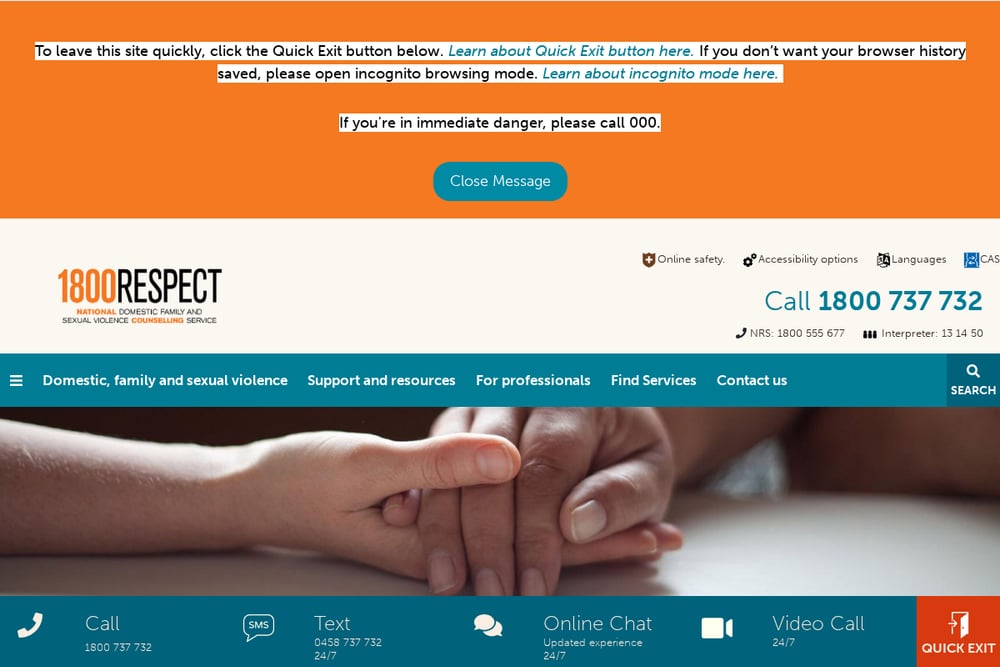 A screenshot of the 1800RESPECT website.
1800RESPECT is an Australian-based service that offers a comprehensive safety planning checklist, covering everything from digital safety to evidence collection. While its hotline is Australia-specific, the online resources are globally relevant. The checklist is thorough and can be used as a template for your own plan. They also provide information on various types of abuse, including financial and technology abuse. This platform is great for those who want a detailed, structured approach to safety planning. The emphasis on talking to a support service is a valuable reminder that you don't have to do this alone.
#5 NNEDV
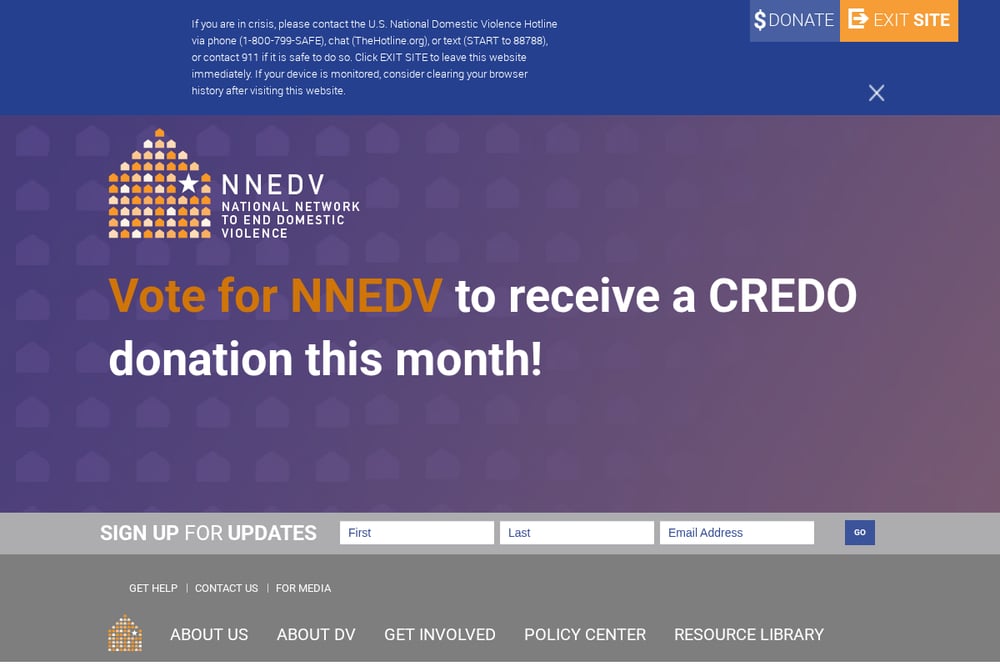 A screenshot of the NNEDV website.
NNEDV (National Network to End Domestic Violence) specializes in financial safety planning, a critical but often overlooked aspect of leaving an abusive relationship. Their resources help you understand how to secure your finances, plan for economic independence, and navigate technology safety. They also provide a wealth of information on domestic violence laws and policies. This platform is ideal for survivors who need to address the financial barriers to leaving. While they don't offer direct crisis support, their educational content is invaluable for long-term planning. If you're worried about money, this is the place to start.
How to Choose the Right Resource for You
Start by assessing your immediate needs. If you're in crisis or need to talk to someone right now, the National Domestic Violence Hotline is your best bet. If you're still processing whether your relationship is abusive, Healing Starts With Leaving offers educational guides that can help you gain clarity. For those ready to take practical steps, the Domestic Violence Crisis Center provides a clear checklist. If you want a more comprehensive plan, 1800RESPECT's checklist is thorough. And if financial concerns are holding you back, NNEDV's financial safety planning is essential. Remember, you can use multiple resources—there's no wrong way to seek help.
Streamlining Your Safety Planning
While safety planning is deeply personal, you can use these resources to create a structured approach. Start by using Healing Starts With Leaving's guide to understand the emotional aspects, then move to the Domestic Violence Crisis Center's checklist for practical steps. For financial concerns, NNEDV's resources can help you secure your money. And always keep the National Domestic Violence Hotline's contact info on hand for emergencies. You can even save or print the written guides to have a physical copy. The key is to take it one step at a time.
Moving Forward with Confidence
Leaving an abusive relationship is a process, not a single event. These five resources offer a range of support—from immediate crisis intervention to long-term financial planning. By combining education, practical checklists, and professional help, you can create a safety plan that works for you. Remember, you deserve to live free from fear. Start with the resource that feels most accessible, and take that first step toward safety and healing.