A Different Starting Point for Credit Repair
When a credit repair software company gets included in a roundup alongside tools like Credit Versio and Dispute Beast, the natural assumption is that the conversation will be about features and automation. But when we asked Gerard Falcone, Founder & CEO of Credit CRX, to walk through what actually goes wrong for consumers, his answers kept returning to the same theme: the problem usually starts before any dispute is filed.
Credit CRX describes itself as smart software for a stronger financial profile, and its tagline is "Credit Results Xecuted." The company confirmed its inclusion in Peekwire's roundup of credit repair software worth knowing in the US, and Falcone agreed to answer three questions about the practical realities of disputing credit report errors.
When the Standard Advice Doesn't Fit
We asked Falcone about a case where the usual advice about fixing a credit report error did not fit the situation. His answer pointed to a common misconception.
He said "People often follow the common advice to dispute an item simply because it is negative. However, if the account is being reported accurately, a standard dispute is usually not the right approach. The first step is determining whether the information is actually inaccurate, incomplete, duplicated, or outdated before deciding how to proceed."
That distinction matters because the Fair Credit Reporting Act gives consumers the right to dispute information that is inaccurate or incomplete, not information that is simply unfavorable. Filing a dispute over an accurately reported late payment or collection account typically does not produce a removal, and it can waste time that would be better spent on accounts that genuinely contain errors.
The Documentation Gap in DIY Disputes
Falcone was direct about what he sees missing from most online guides.
He said "The biggest issue people run into when disputing on their own is a lack of documentation. Many online guides focus on filing the dispute but do not emphasize the importance of supporting records, correspondence, account statements, and payment history that can help support the consumer's position."
This is a practical point that often gets lost in step-by-step articles. A dispute letter without supporting evidence puts the burden on the credit bureau to investigate a claim with no context. According to the Consumer Financial Protection Bureau, consumers can submit disputes directly to the credit bureaus, but the strength of the dispute often depends on what documentation accompanies it. Statements, payment confirmations, and prior correspondence with a creditor can all help establish a factual basis for the claim.
The Step People Rush Most
When asked which step people tend to rush or get wrong when first reviewing their report, Falcone pointed to the review itself.
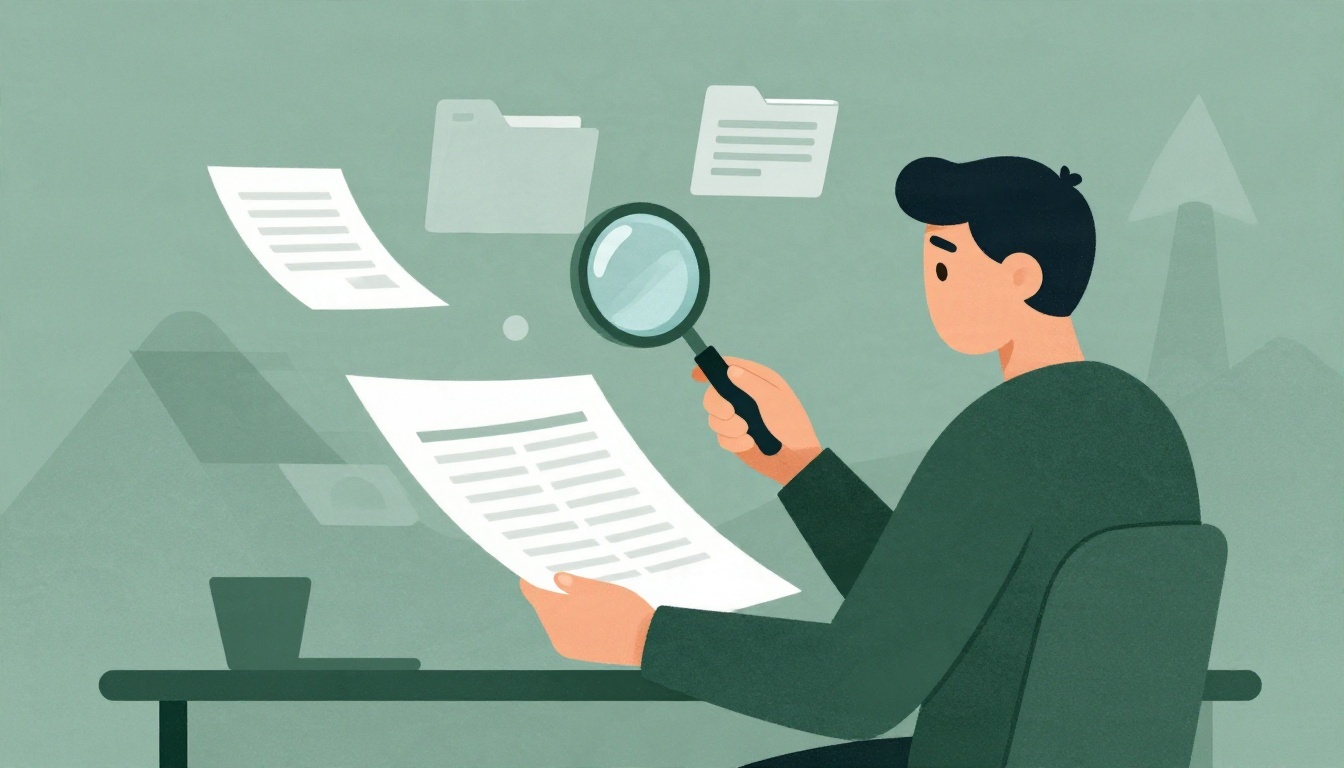
He said "The step people most often rush is the initial review of the credit report. They see a negative item and immediately decide to dispute it. Before filing a dispute, it is important to verify the account details, compare the information to personal records, and identify any actual errors or inconsistencies that may exist."
That advice runs counter to the instinct many consumers have when they pull their report and see something negative. The urge is to act immediately. But Falcone's point is that the review is not a formality. It is the step where the actual dispute strategy gets built. Verifying account numbers, balances, dates, and statuses against personal records is what separates a dispute that has a factual basis from one that is filed on assumption.
What This Means for Consumers
The through-line in Falcone's answers is that credit repair is less about reacting to negative items and more about accurately assessing what is actually wrong. That means reading the report carefully, gathering supporting documents, and understanding the difference between an item that is negative and an item that is inaccurate.
For consumers who are just starting to look at their credit reports, the Annual Credit Report site provides free reports from the three major bureaus. Falcone's guidance suggests that the most valuable thing a person can do with those reports is not to file disputes immediately, but to compare every account against their own records and identify where the real discrepancies are.
Credit CRX operates in a space crowded with software tools that promise to automate the dispute process. Falcone's answers suggest that the human step of reviewing and documenting comes first, and that the software is only as useful as the accuracy of the information it works with.