
If you're a creative professional looking to showcase your work and build a personal brand, these five platforms offer unique strengths. From minimalist portfolios to comprehensive branding guides, here's what you need to know.
The Creative Portfolio Landscape in 2026
In 2026, having a strong online presence is non-negotiable for creatives. Your portfolio isn't just a gallery; it's your digital handshake, your first impression, and often the deciding factor for potential clients. The platforms you choose to host your work can make or break your personal brand. Whether you're a photographer, designer, or filmmaker, the right platform can elevate your credibility and attract the right opportunities. This roundup explores five distinct options, each catering to different needs and skill levels.
How We Evaluated These Platforms
We assessed each platform based on its core purpose, ease of use, visual impact, and how well it serves creative professionals. For Grace Steel's portfolio, we looked at its simplicity and directness. For Kittl, we considered its educational value and branding tools. Axiom Themes was judged on its WordPress integration and design flexibility. Copyfolio's strength lies in its guided website building and copywriting focus. Dribbble was evaluated for its community and networking potential. Each platform excels in different areas, and our goal is to help you find the best fit for your specific needs.
Here's a quick snapshot of the five platforms we're diving into, so you can see at a glance what each one brings to the table.
| Provider | Best For |
|---|---|
| Kittl Blog | Actionable personal branding tips |
| Grace Steel | Director of Photography | New York | Minimalist portfolio inspiration |
| Axiom Themes | WordPress portfolio customization |
| Copyfolio Blog | Guided website building and examples |
| Dribbble | Community and networking for designers |
Deep Dive: The Five Platforms
#1 Kittl Blog
 A screenshot of the Kittl Blog website.
Kittl Blog is a treasure trove of actionable advice for designers and creators looking to build a personal brand. The article 'How to build a personal brand: 20 tips for designers and creators' breaks down the process into three clear sections: Develop, Design, and Networking. It emphasizes that your personal brand is a combination of skills, values, and personality, shaping how others perceive you. If you're just starting out, this guide offers a step-by-step roadmap to define your identity and grow your image. It's not just about theory; it's about practical tips you can apply immediately. For anyone serious about personal branding, this is a must-read.
#2 Grace Steel | Director of Photography | New York
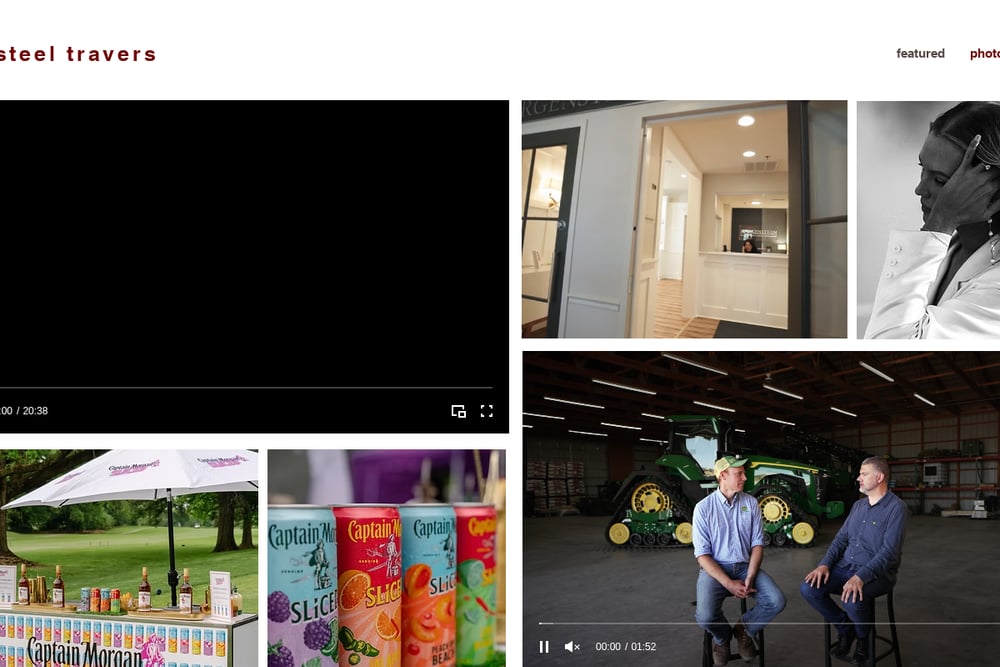 A screenshot of the Grace Steel | Director of Photography | New York website.
Grace Steel's portfolio site is a prime example of minimalism in action. With just a photo, a 'Featured' section, and a 'Connect' menu, it strips away all distractions, letting her work speak for itself. This approach is perfect for visual creatives who want to make an immediate impact without overwhelming visitors. The site's simplicity suggests a focus on quality over quantity, a powerful statement in itself. If you're a photographer or filmmaker, this demonstrates how a clean, direct portfolio can be incredibly effective. It's a reminder that sometimes less is more when it comes to showcasing your craft.
#3 Axiom Themes
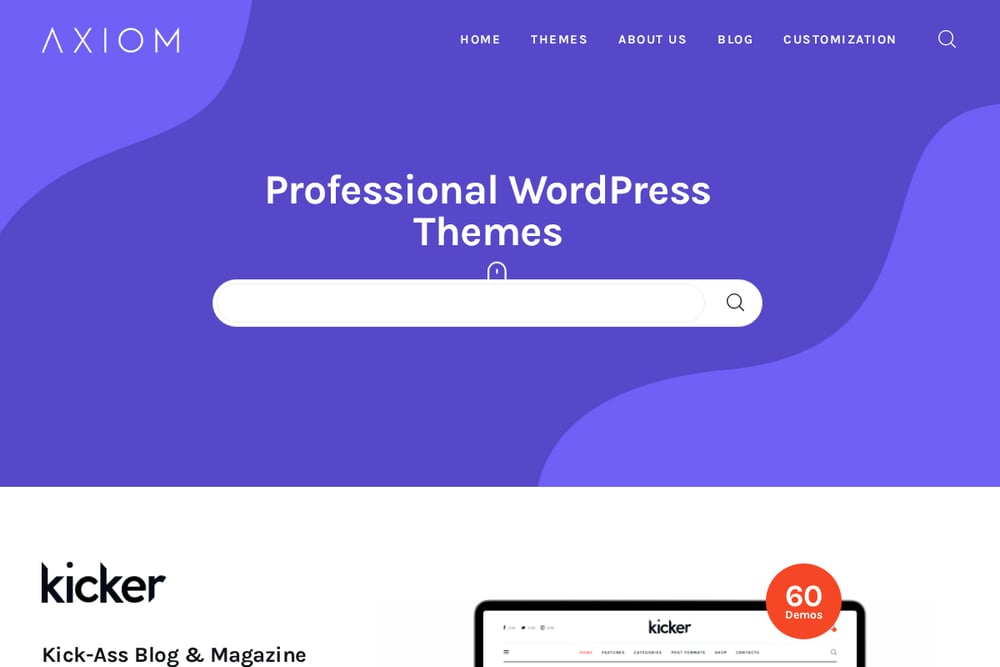 A screenshot of the Axiom Themes website.
Axiom Themes offers a deep dive into building a portfolio that reflects your personal brand, specifically using WordPress. Their guide highlights the importance of choosing the right theme, as design choices like layout and typography communicate your personality before a visitor reads a word. For photographers and videographers, they recommend themes with bold, immersive visuals, such as full-screen sliders and high-resolution galleries. This platform is ideal for creatives who want full control over their site's design and functionality. If you're comfortable with WordPress or willing to learn, Axiom Themes provides the tools and knowledge to create a standout portfolio. It's a practical resource for those who want to build from the ground up.
#4 Copyfolio Blog
 A screenshot of the Copyfolio Blog website.
Copyfolio Blog showcases real-world examples of successful personal brand websites, offering inspiration and practical advice. The article '11 Hand-Picked Personal Brand Websites (2026) + How to Build Yours' features creatives like copywriters and marketing leaders, each with a unique approach to branding. It emphasizes the importance of a confident picture, a straightforward intro, and real content that shows both skills and personality. Copyfolio also offers a website builder that helps you lay your personal brand's foundations, making it a one-stop-shop for building your online presence. If you're looking for concrete examples and a guided process, this is a great starting point. It's particularly useful for those who struggle with the copywriting side of their portfolio.
#5 Dribbble
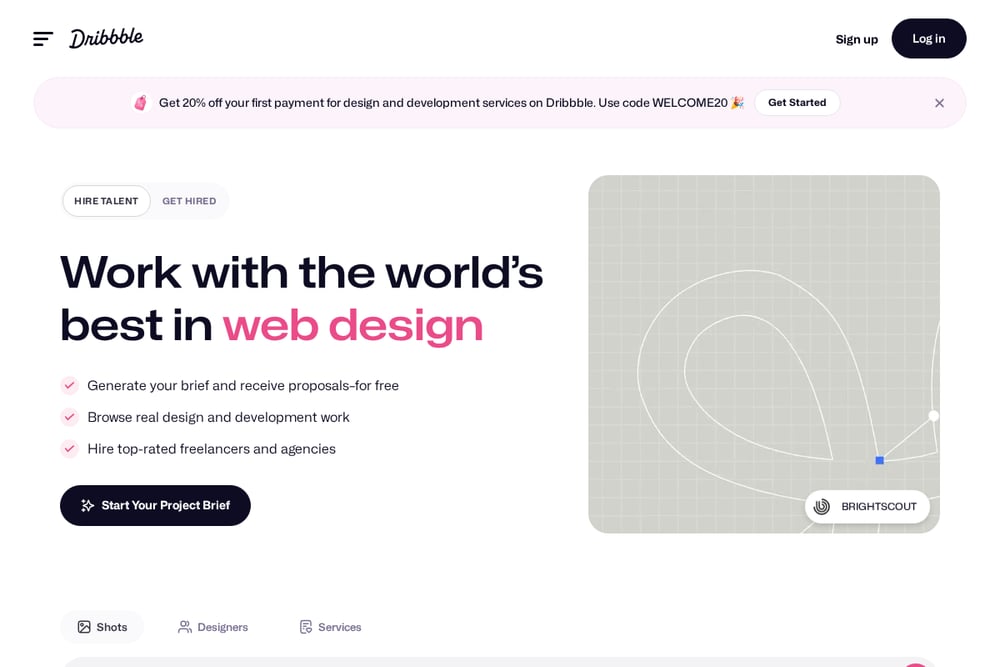 A screenshot of the Dribbble website.
Dribbble is more than just a portfolio platform; it's a vibrant community of designers and creatives. The article '9 Design Portfolio Examples With Strong Personal Branding' underscores how strong personal branding makes you memorable and adds credibility to your craft. Dribbble allows you to share your work, get feedback, and connect with potential clients and collaborators. It's an excellent place to network and discover trends in the design world. If you're a designer looking to build a community around your work, Dribbble offers the tools and audience to do so. It's a powerful platform for those who thrive on interaction and visibility.
How to Choose the Right Platform for You
Start by asking yourself what you need most: a simple showcase, a comprehensive guide, or a community to engage with. If you're a photographer or filmmaker who wants a clean, no-fuss portfolio, take a cue from Grace Steel's site. If you're a designer looking for step-by-step branding advice, Kittl Blog is your go-to. For those who prefer WordPress and want full design control, Axiom Themes offers the flexibility you need. If you want a guided process with real examples, Copyfolio Blog can walk you through it. And if you're a designer who values community and networking, Dribbble is the place to be. Consider your technical skills, your niche, and your long-term goals before making a choice.
Streamlining Your Portfolio with Automation
Automation can save you time and keep your portfolio fresh. For instance, you can use tools like IFTTT or Zapier to automatically share new work from your portfolio to your social media channels. If you're using a platform like WordPress, plugins can auto-optimize images for web performance. For photographers, you can set up automated client galleries that update with new proofs. Even simple email automation can nurture leads who visit your site. The key is to identify repetitive tasks and let technology handle them, freeing you to focus on your craft.
Bringing It All Together
Your portfolio is your digital storefront, and the platform you choose sets the stage for your personal brand. Whether you opt for the minimalist approach of Grace Steel, the educational resources of Kittl, the customization of Axiom Themes, the guided path of Copyfolio, or the community of Dribbble, each offers unique advantages. Remember, the best platform is one that aligns with your goals and showcases your work in the best light. Take the time to explore these options, and don't be afraid to mix and match strategies. Your personal brand is an ongoing project, and these tools can help you build it effectively.