
Thinking about turning your home kitchen into a legal, profitable venture? These five courses and training programs can help you navigate cottage food laws and start selling your homemade goods with confidence.
The Cottage Food Movement: A Growing Opportunity
Cottage food laws have swept across the United States, with all 50 states now offering some form of legal home-based food production. This movement has opened doors for aspiring entrepreneurs to sell baked goods, jams, and other non-hazardous foods directly from their kitchens, without the need for commercial spaces or restaurant licenses. The industry has seen explosive growth, with local food sales estimated between $5 billion and $20 billion, and many states have expanded their laws since 2015. As the trend continues to gain momentum, educational resources have emerged to help you understand the legal requirements, food safety protocols, and business strategies needed to succeed. Whether you're a seasoned baker or a complete novice, these courses provide the knowledge to turn your passion into profit.
How We Evaluated These Programs
When assessing these cottage food business courses, we focused on several key factors to help you choose the right fit. Service scope was crucial, looking at whether each program covers legal compliance, food safety, and business launch strategies. Pricing clarity mattered, as we wanted to see transparent costs and clear value propositions. Local fit was another important consideration, since cottage food laws vary by state, and programs that address specific regional regulations offer a distinct advantage. We also considered the format and accessibility, whether online, in-person, or hybrid, to accommodate different learning preferences. Finally, we looked at the depth of resources provided, from certification validity to ongoing support, to ensure you get comprehensive guidance.
Here's a quick comparison of the five programs to help you see their key features at a glance.
| Provider | Best For |
|---|---|
| CSU Extension Cottage Food Safety Training | Colorado residents seeking state-specific certification |
| Turn Your Kitchen Into a Business — Start a Home Food Business for $29 | Plate to Profit | Budget-conscious beginners wanting a quick start |
| Alabama Cottage Food Law Course | Alabama residents needing state certification |
| Nebraska Cottage Food Law Online Course | Nebraska residents seeking free, flexible training |
| Larimer County Cottage Food Safety Training | Larimer County residents wanting local, in-depth training |
Detailed Look at Each Program
#1 CSU Extension Cottage Food Safety Training
 A screenshot of the CSU Extension website.
This program from Colorado State University Extension is a comprehensive training that covers the specifics of the Colorado Cottage Food Act, including recent legislative changes effective January 2027. You'll learn essential food safety practices, permissible foods, labeling requirements, and altitude-specific considerations. The course is available online and in-person, with a 3-year certification upon completion. It's an excellent choice if you're in Colorado and want to stay up-to-date with state regulations. The curriculum is regularly revised to reflect new laws, ensuring you get the most current information. CSU Extension offers this training as part of its commitment to community education.
#2 Turn Your Kitchen Into a Business — Start a Home Food Business for $29 | Plate to Profit
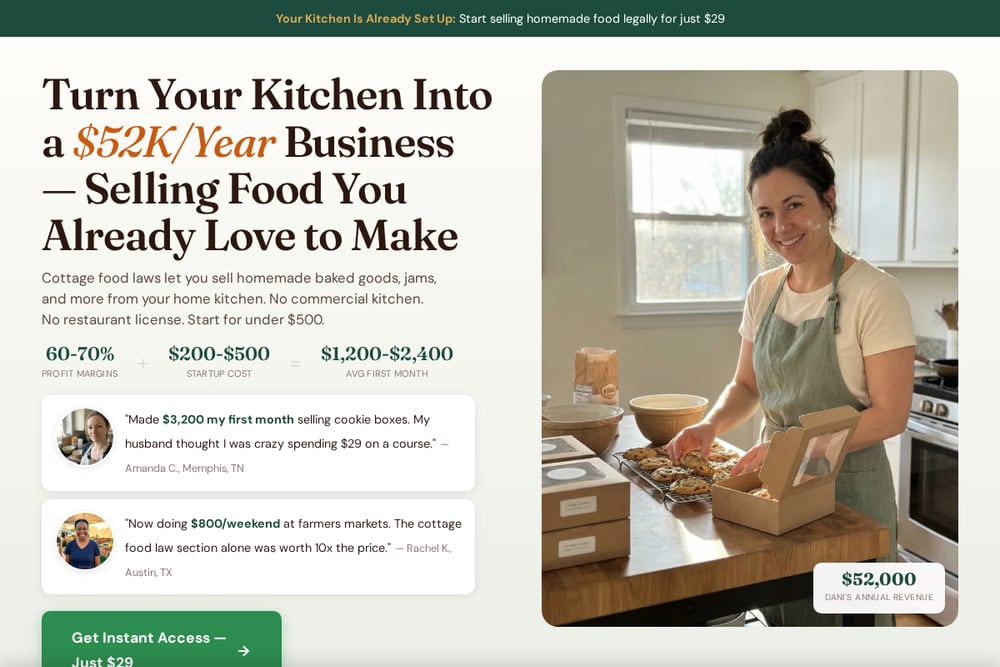 A screenshot of the Plate to Profit website.
This affordable online course is designed to help you start a legal home food business under cottage food laws, with a focus on high profit margins and low startup costs. For just $29, you get instant access to a step-by-step guide that covers everything from legal compliance to marketing strategies. The course highlights success stories, like Amanda who made $3,200 in her first month selling cookie boxes, and Rachel who earns $800 per weekend at farmers markets. It also emphasizes the booming cottage food industry, citing that all 50 states have some form of cottage food law, and includes a 14-day money-back guarantee. If you're looking for a budget-friendly, comprehensive launchpad, this course is a solid starting point. Plate to Profit claims to help you turn your kitchen into a $52K/year business.
#3 Alabama Cottage Food Law Course
 A screenshot of the Alabama Cooperative Extension System website.
Offered by the Alabama Cooperative Extension System, this course provides certification required to sell certain nonhazardous food items from your home in Alabama. You can choose from online, in-person, or Spanish options, all for a $25 enrollment fee. The certification is valid for three years, and the course covers food safety, labeling, and legal requirements specific to Alabama. It's a practical, low-cost option for Alabama residents who want to ensure compliance with state laws. The flexibility of formats makes it accessible to a wide range of learners. Alabama Extension ensures you get the necessary training to start your home food business legally.
#4 Nebraska Cottage Food Law Online Course
 A screenshot of the Nebraska Cottage Food Law website.
This online course from the University of Nebraska–Lincoln Extension is designed to help you understand Nebraska's cottage food laws and start selling your homemade products legally. The self-paced format allows you to learn at your own convenience, covering topics like food safety, business basics, and legal requirements. You'll need to create an account on the extension's campus platform to access the course, which is free and open to anyone. It's an excellent resource for Nebraska residents who want to comply with state regulations without a hefty price tag. The course also provides links to additional resources, such as business FAQs and commissary kitchen information. Nebraska Extension is a trusted source for reliable guidance.
#5 Larimer County Cottage Food Safety Training
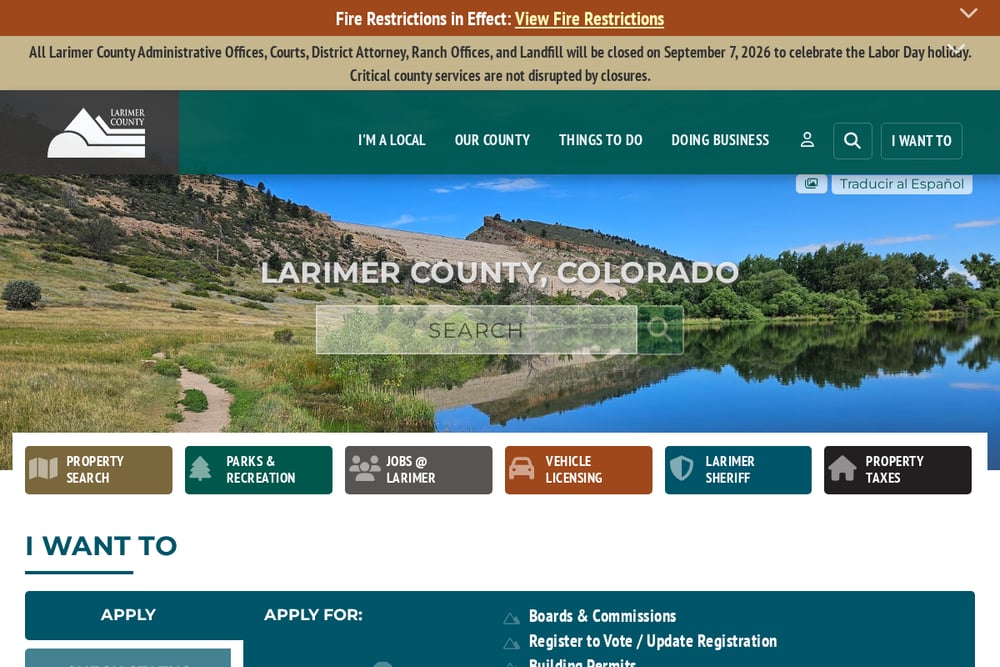 A screenshot of the Larimer County website.
This training, offered by Larimer County Extension in Colorado, focuses on the specifics of the Colorado Cottage Food Act and safe home kitchen operations. You'll learn about basic food safety, permissible foods including pickled fruits and vegetables, labeling requirements, and safe sampling practices. The course also covers special considerations for food preparation at altitude, which is unique to this region. Upon completion, you receive a 3-year certification, making it a valuable credential for local sellers. It's a great option if you live in Larimer County or nearby areas and want hands-on, local expertise. Larimer County provides this training to support home-based food entrepreneurs.
How to Choose the Right Course for You
When selecting a cottage food business course, start by checking your state's specific laws, as regulations vary widely. If you're in a state like Colorado or Alabama, a state-specific program like CSU Extension or Alabama Extension might be your best bet for compliance. For a more general, budget-friendly option that covers the business side, Plate to Profit offers a low-cost, comprehensive guide. Consider your learning style: do you prefer self-paced online courses, live sessions, or in-person training? Also, think about the certification validity—some programs offer 3-year certifications, which can be a plus if you plan to sell long-term. Finally, look for courses that provide additional resources, such as business planning or marketing tips, to help you succeed beyond just legal compliance.
Streamlining Your Home Food Business
Once you've completed your training, you can automate parts of your cottage food business to save time and increase efficiency. Use online scheduling tools for taking orders, and set up a simple website or social media storefront to showcase your products. For payments, consider using digital payment platforms like PayPal or Square to streamline transactions. You can also automate your marketing with email newsletters or social media scheduling tools to keep customers engaged. Inventory management apps can help you track ingredients and supplies, ensuring you never run out of bestsellers. By leveraging these tools, you can focus more on creating delicious food and growing your customer base.
Your Next Steps to a Profitable Home Kitchen
The cottage food industry is booming, and with the right training, you can turn your kitchen into a profitable business. Whether you choose a state-specific program for legal compliance or a general course like Plate to Profit for business strategies, the key is to start with solid knowledge. Each of these five programs offers unique benefits, from low-cost options to comprehensive local training. Take the time to evaluate your needs, consider your state's regulations, and pick the course that aligns with your goals. With dedication and the right guidance, you could be on your way to earning thousands from your homemade goods. The opportunity is ripe—seize it today.