
Rural clinics and primary care practices face a unique challenge: how to deliver comprehensive medication management without a full-time pharmacist on staff. The answer is a growing movement to embed clinical pharmacists directly into care teams. These five programs and
| Provider | Best For |
|---|---|
| Improving Primary Care Team Guide | Self-assessment and implementation roadmap |
| AAFP FPM | Practical integration and billing guidance |
| ACCP | Professional development and certification |
| Clinical Pharmacy Partnership for Rural & Primary Care | Lodestar Collaborative Care | Direct clinical pharmacist embedding in the Pacific Northwest |
| Arbor Family Health | Rural FQHC medication management program |
A deep dive into the 5 best Professional Services for 2026
#1 Improving Primary Care Team Guide
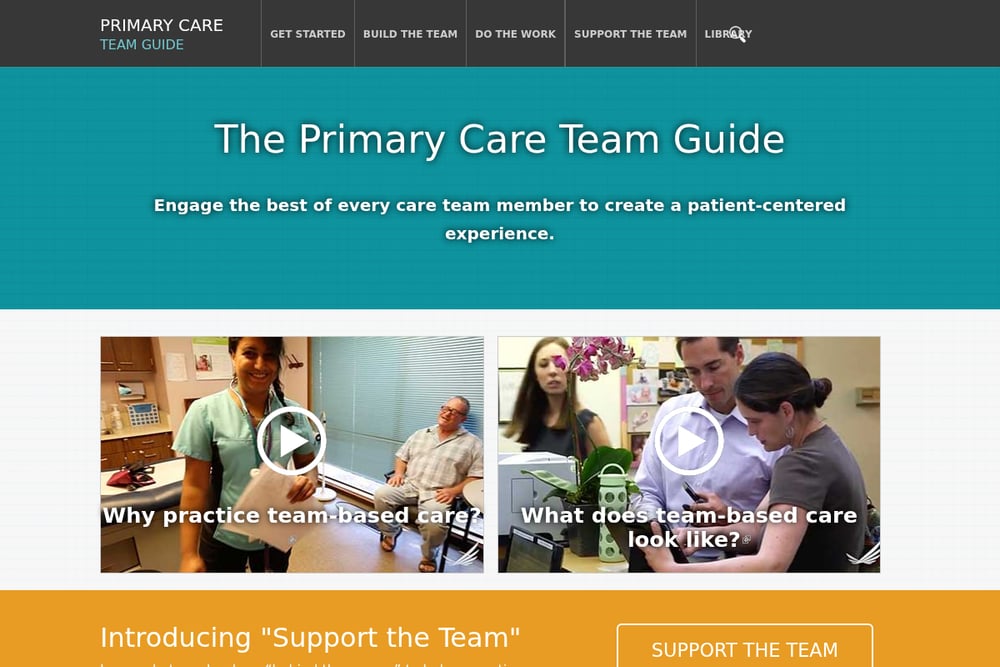 A screenshot of the Improving Primary Care Team Guide website.
This free online resource from the MacColl Center for Health Care Innovation provides a step-by-step framework for integrating clinical pharmacists into your primary care team. It includes a self-assessment tool that helps you gauge your current level of pharmacist involvement, from basic dispensary oversight to full collaborative practice. The guide offers actionable steps, tools, and real-world examples to move your clinic from Level D to Level A. It's the perfect starting point if you're wondering where to begin with pharmacist integration.
#2 AAFP FPM
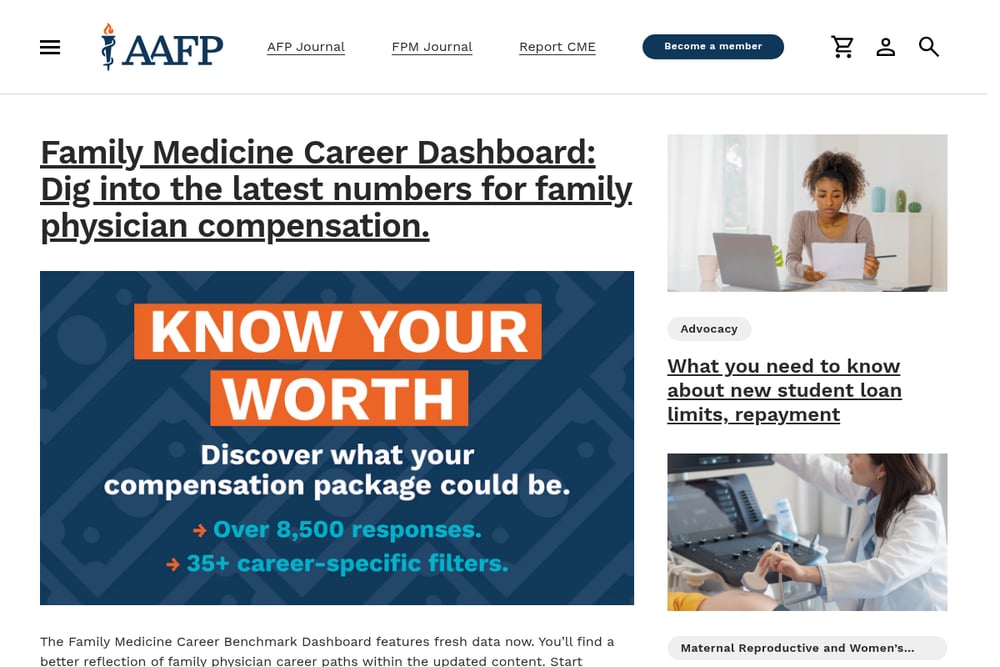 A screenshot of the AAFP FPM website.
The American Academy of Family Physicians' Family Practice Management journal published a practical guide on how to integrate clinical pharmacists into primary care. It covers billing models, workflow adjustments, and the specific roles pharmacists can play in chronic disease management. The article emphasizes that pharmacists can lighten your workload while improving patient outcomes, especially for conditions like diabetes and hypertension. It's a must-read for any practice leader considering a partnership.
#3 ACCP
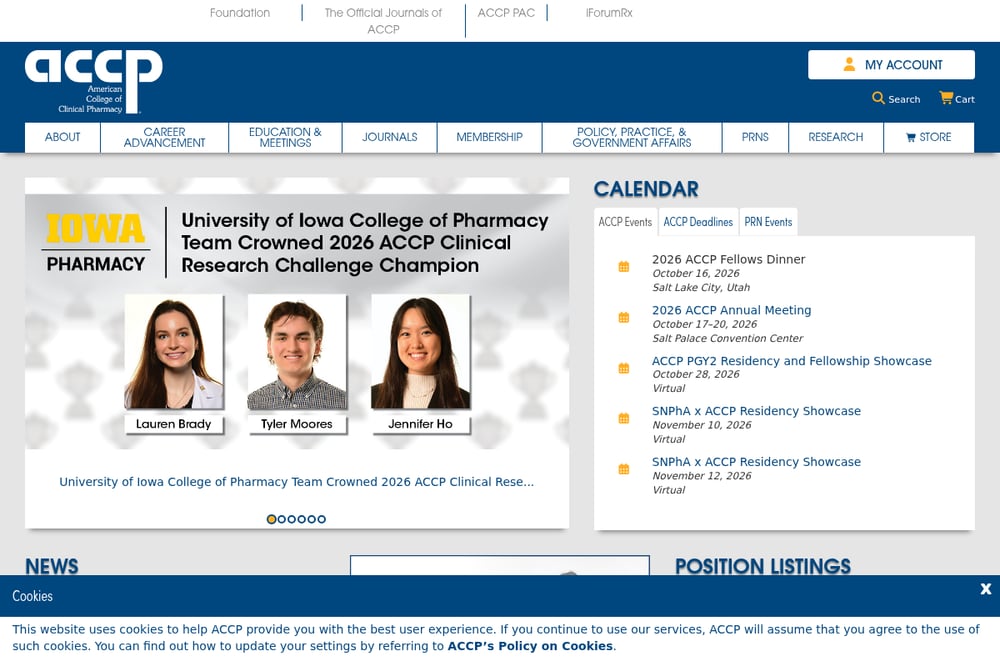 A screenshot of the ACCP website.
The American College of Clinical Pharmacy offers a wealth of resources for professionals looking to expand clinical pharmacy services. Their news section highlights innovative programs like 'Community First,' which elevates clinical pharmacy to meet the moment in rural and underserved areas. ACCP also provides certificate programs in billing, contracting, and clinical service implementation. If you want to stay on the cutting edge of clinical pharmacy practice, this is your go-to professional home.
#4 Clinical Pharmacy Partnership for Rural & Primary Care | Lodestar Collaborative Care
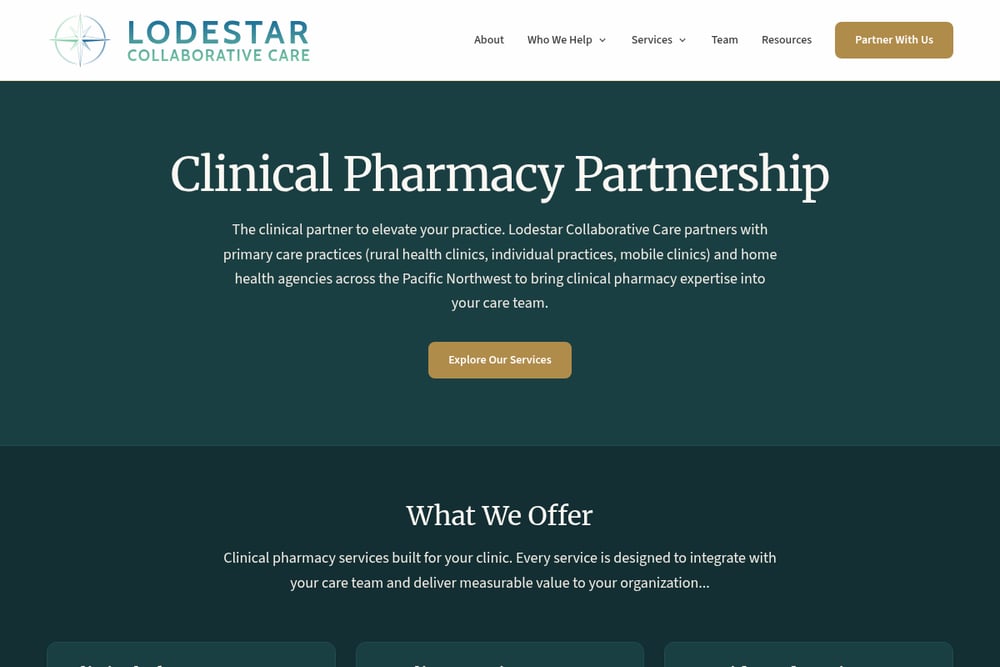 A screenshot of the Lodestar Collaborative Care website.
Lodestar Collaborative Care partners directly with rural health clinics, primary care practices, and home health agencies across the Pacific Northwest. They embed clinical pharmacists into your existing care team to improve quality metrics, reduce unnecessary utilization, and support provider education. Their model is built for practices that want a turnkey partnership without the overhead of hiring a full-time pharmacist. If you're in the Pacific Northwest and ready to elevate your medication management, Lodestar is a direct solution.
#5 Arbor Family Health
 A screenshot of the Arbor Family Health website.
Arbor Family Health, a Federally Qualified Health Center in rural Louisiana, launched the Intersect program to connect chronic disease patients with nurse health coaches and clinical pharmacists. The program helps patients who only know their pills by color or struggle with complex medication regimens. By taking a team-based approach, Arbor Family Health has improved medication adherence and reduced hospital readmissions. Their model is a powerful example of what's possible when clinical pharmacy services are integrated into rural primary care.