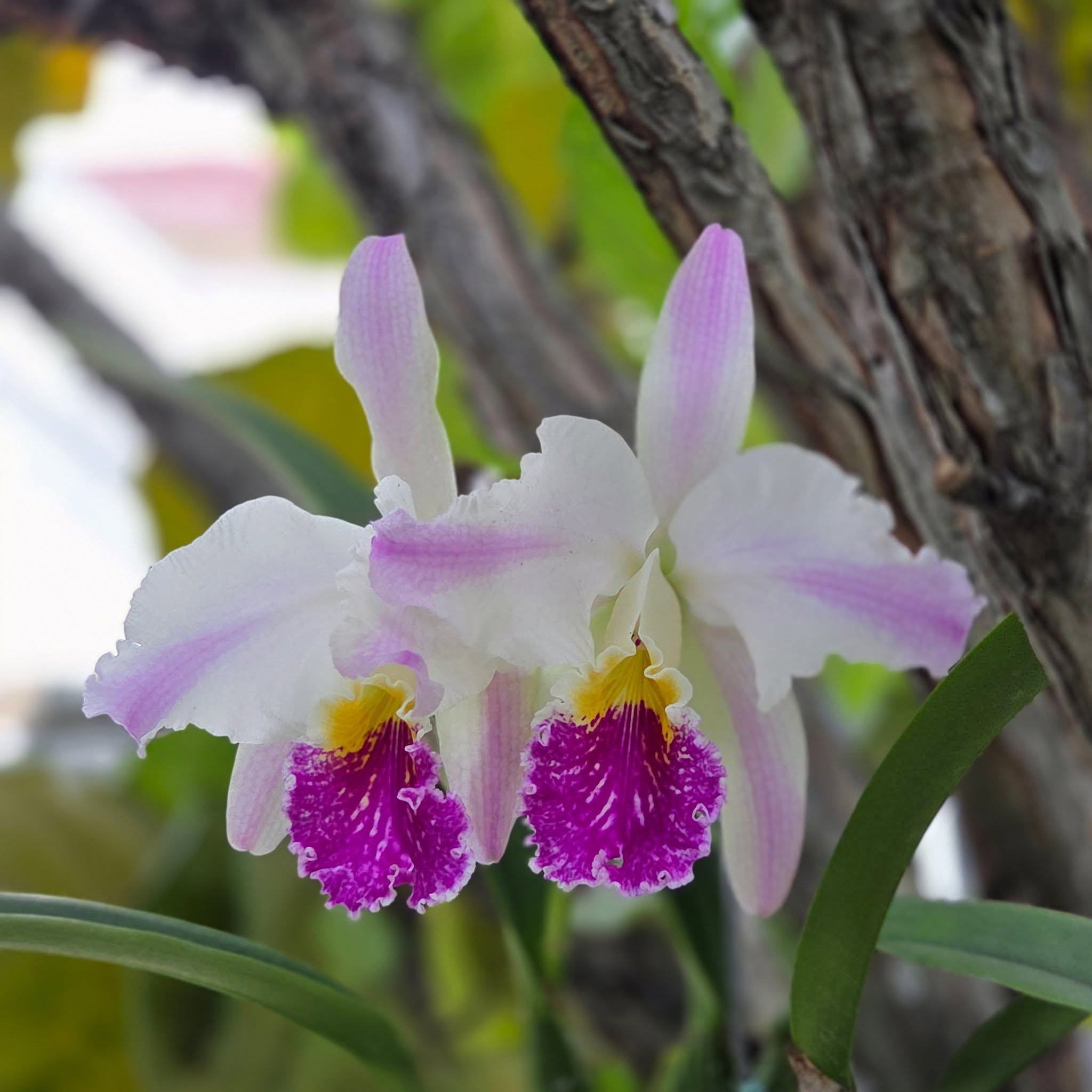
When a collector first brings home a rare Cattleya species, the instinct is often to pamper it. A shadier spot, a bigger pot, a little extra fertilizer—surely a wild orchid needs more protection than a hybrid? According to the team at Orquiverde, a Florida-based nursery specializing in rare Cattleya species and legacy collections, that instinct is exactly wrong.
"Growing Cattleya species is very similar to growing Cattleya hybrids; in my experience, the most common growing errors are: 1) Treating them differently because they are perceived as more delicate—when, in fact, most are strong and resilient."
That first mistake sets off a chain reaction. When you treat a species as fragile, you tend to give it less light, more water, and more protection—all of which work against the plant’s natural vigor. Cattleya species evolved in bright, airy conditions, often growing on tree branches or rocks where they experience strong sun and dry periods. They are not hothouse flowers. They are tough survivors.
The Light Problem
The second and most common error is insufficient light. "Providing insufficient light, which is the primary reason they fail to bloom." Cattleyas are high-light orchids. In their native habitats, many receive direct morning sun and bright filtered afternoon light. Indoors, that means an east, west, or even a shaded south window—or strong grow lights. If leaves are dark green and floppy, the plant is starving for photons. Leaves should be a medium green, slightly leathery, and upright. Without enough light, a Cattleya species may grow vegetatively for years but never produce a flower spike. If your plant is healthy but stubbornly bloomless, the first fix is always more light.
The Pot Size Trap
The third error is more subtle: "Planting them in pots or mounts that are too large, causing slower growth and delayed development." Orchids are not like most houseplants. They do not need room to spread their roots. In fact, Cattleyas prefer to be snug. When a pot is too large, the potting medium stays wet for too long, and the roots—which are used to drying out quickly—struggle to establish. The plant spends energy on root growth instead of new shoots and blooms. A good rule of thumb is to choose a pot that just accommodates the root system, or mount the plant on a slab of cork or tree fern where roots can grip tightly and dry quickly between waterings.
Overwatering and Overfeeding
The fourth mistake is related: "Overwatering and overfeeding, which leads to rot and root loss that hinder development." Cattleya species have thick pseudobulbs that store water, so they are naturally drought-tolerant. They need a wet-dry cycle: water thoroughly, then let the medium approach dryness before watering again. Overwatering suffocates roots and invites bacterial and fungal rot. Overfeeding is equally damaging—excess salts burn root tips and can cause leaf tip dieback. Use a balanced orchid fertilizer at quarter to half strength, and only during active growth. In winter or during rest periods, cut back both water and fertilizer.
The Hybrid Comparison
The overarching lesson is that Cattleya species are not exotic prima donnas. "In general, as previously mentioned, Cattleya species require the same care as hybrids, with a few exceptions." The exceptions are mostly about specific species from drier or cooler habitats, but the baseline is the same: bright light, small pots, and restraint with water and food. If you can grow a hybrid Cattleya, you can grow a species. The difference is that species often reward you with unique fragrances, unusual colors, and the satisfaction of cultivating a piece of botanical history.
For those looking to expand their collection, Orquiverde offers a legacy collection of rare Cattleya species, with guidance on their specific needs. But the first step is to change your mindset. Treat them like the tough, sun-loving orchids they are, and they will reward you with spectacular blooms.
For more on general Cattleya care, see the American Orchid Society’s culture sheets or the Orchid Board’s beginner guides. And remember: when in doubt, give them more light and less water.