
If you're in the care sector, you know the struggle: essential workers often operate in systems that don't support them. These five organizations are changing that, offering training, consulting, and tools to build sustainable, human-centered workplaces.
The Care Sector's Workforce Challenge
The care sector—childcare, workforce development, and services that support everyday life—is the backbone of our communities. Yet, the people doing this essential work are often stuck in systems that weren't designed for them. Burnout, high turnover, and a lack of support are common, but a growing movement is pushing for change. From policy advocacy to hands-on training, these organizations are rethinking how we support care workers. They focus on sustainable, human-centered approaches that make work actually support life, not the other way around.
How We Evaluated These Resources
We looked at each organization's service scope, pricing clarity, and local fit. Service scope covers the range of offerings, from training to consulting. Pricing clarity assesses how transparent they are about costs. Local fit considers how well they serve specific regions or communities. Each organization brings something unique to the table, and we've highlighted what stood out for each.
Here's a quick look at the five organizations we're featuring, with their key strengths and what they're best for.
| Provider | Best For |
|---|---|
| Hcap | Policy advocacy and equitable workforce standards |
| Elyse | Customized training and coaching for care organizations |
| Delaware Technical Community College | Accredited workforce training and certification programs |
| Rural Health Network | Rural-focused health and human services training |
| Community College of Philadelphia | Comprehensive workforce development in the Philadelphia area |
Deep Dive: The Top 5 Care Sector Workforce Development Resources
#1 Hcap
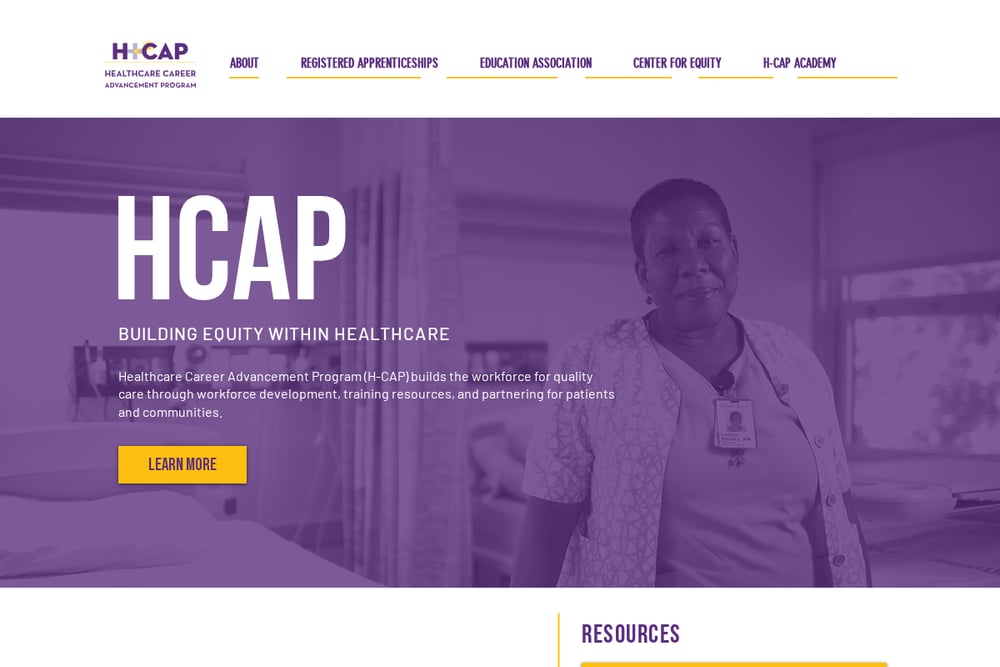 A screenshot of the Hcap website.
Hcap is a national leader in direct care workforce development, offering a comprehensive platform that includes registered apprenticeships, mentorship training, and a wealth of tools and resources. Their approach is deeply rooted in equity, with four pillars that condition public funding on measurable job quality and worker voice outcomes. They emphasize labor-management partnerships and worker-centered research, making them a powerful advocate for systemic change. If you're looking to influence policy or implement high-quality job standards, Hcap provides the framework and data to do so. Their focus on equity and worker voice sets them apart in the industry.
#2 Elyse
 A screenshot of the Elyse website.
Elyse Ares Hamby offers consulting, training, and speaking services that zero in on the care sector's unique challenges. Her philosophy, 'Work should support life,' drives her workshops and coaching, which aim to build sustainable, human-centered work environments. She's particularly focused on how structure—clarity, expectations, and support systems—determines whether someone grows or burns out. Elyse's approach is hands-on and practical, offering workshops that teach teams to do better, not push them out. She also provides writing and coaching to help organizations support their workforce, making her a versatile partner for any care-focused organization.
#3 Delaware Technical Community College
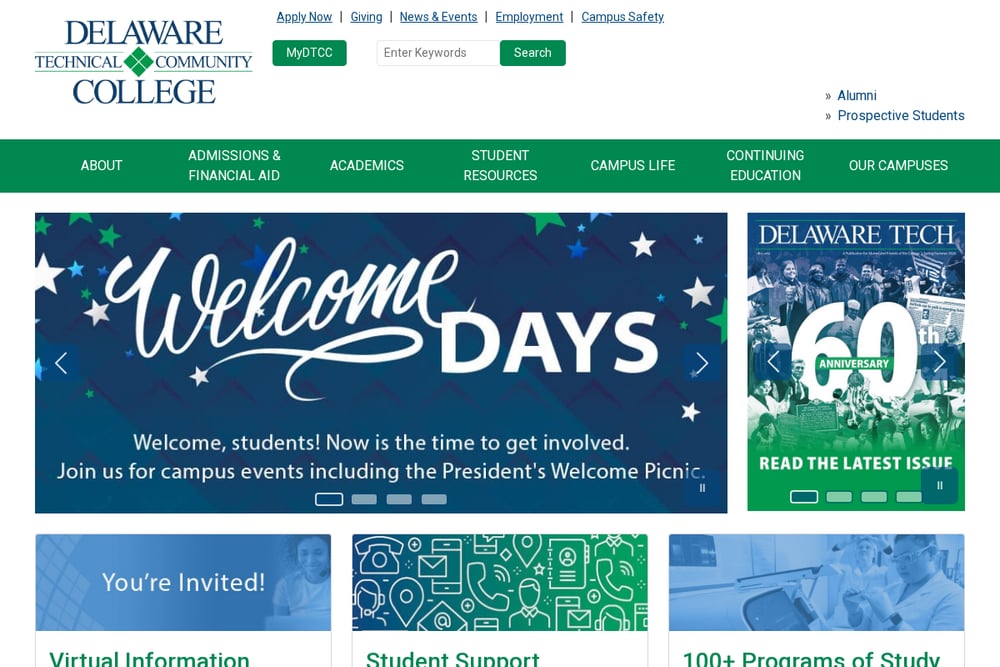 A screenshot of the Delaware Technical Community College website.
Delaware Tech offers a wide range of workforce training programs through its Workforce Development and Community Education Division. They provide customized training for businesses, IT academies, and personal enrichment courses, all designed to help you advance your career or upskill your team. Their programs are practical and accessible, with multiple campus locations across Delaware. If you're looking for structured, accredited training that's close to home, Delaware Tech is a solid choice. They also offer testing centers and info sessions to help you get started.
#4 Rural Health Network
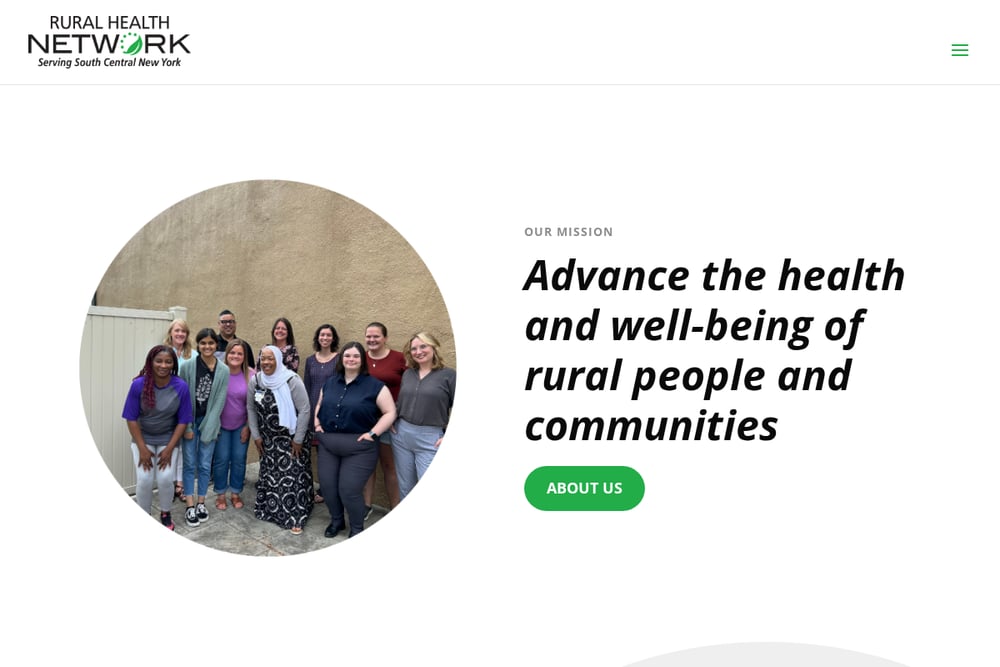 A screenshot of the Rural Health Network website.
Rural Health Network focuses on professional development trainings that address rural determinants of health, rural culture, and health literacy. Their courses are designed for those working in health and human services, with interactive activities that can be delivered virtually or in-person. They offer specific trainings like Social Determinants of Health and Rural Cultural Competence, which are crucial for serving rural populations effectively. With fees starting at $500 for a minimum of 8 trainees, they offer a clear, affordable option for organizations. If you're in a rural area, this network understands your unique challenges.
#5 Community College of Philadelphia
 A screenshot of the Community College of Philadelphia website.
Community College of Philadelphia provides a broad array of workforce development programs, from continuing education to noncredit courses. They cater to both individuals looking to upskill and businesses seeking to train their teams. Their offerings span various industries, including health care, education, and technology, making them a versatile resource. They also offer support services like career counseling and student assistance, ensuring you have the help you need to succeed. If you're in the Philadelphia area, this college is a convenient and comprehensive option.
How to Choose the Right Workforce Development Partner
Start by identifying your organization's specific pain points. Are you struggling with turnover, lack of training, or a need for policy change? If you need hands-on, customized training, Elyse's consulting and workshops might be your best bet. For policy advocacy and systemic change, Hcap offers a robust framework. If you're looking for accredited programs, Delaware Tech or Community College of Philadelphia are solid choices. For rural-specific challenges, Rural Health Network has specialized courses. Consider your budget, location, and the depth of support you need, and don't be afraid to reach out for consultations.
Streamlining Your Workforce Development Efforts
To make the most of these resources, consider integrating them into a structured workflow. Start by assessing your team's needs through surveys or focus groups. Then, select a training provider that aligns with your goals—whether it's Elyse's workshops for culture change or Hcap's equity framework for policy. Schedule regular training sessions and track progress with metrics like employee satisfaction and retention rates. Use tools like project management software to keep everything organized. Finally, revisit your strategy quarterly to ensure you're meeting your workforce development goals.
Building a Better Care Sector Workforce
The care sector is at a crossroads, and the organizations on this list are leading the way toward a more sustainable, human-centered future. Whether you're a small nonprofit or a large institution, there's a resource here that can help you support your team better. Remember, the goal is to create environments where people can grow, not burn out. By investing in workforce development, you're not just improving your organization—you're strengthening the entire care ecosystem. So, take the first step and explore these options today.