
When your dog's mobility starts to fade or pain becomes a daily struggle, finding the right rehabilitation expert is everything. These five practices are leading the way in helping dogs move better and live fuller lives.
The Growing Field of Canine Rehabilitation
Canine rehabilitation has evolved far beyond simple walks and rest. Today, it's a specialized field blending veterinary medicine with physical therapy, acupuncture, and advanced technologies. As dogs live longer, the demand for pain management and mobility support has skyrocketed. Practices across the US are now offering everything from hydrotherapy to laser therapy, each with a unique approach. For you and your aging or recovering dog, this means more options than ever to improve quality of life. But with so many choices, knowing what to look for is key.
How We Evaluated These Practices
We looked at each practice's service scope, focusing on the range of rehabilitation and pain management options. We considered how each communicates its approach and whether pricing or consultation details are transparent. Local fit mattered too—how well each practice serves its community, whether through mobile visits or a physical clinic. We also weighed the credentials and personal attention each vet brings to the table. Finally, we considered client feedback and the overall philosophy of care.
Here's a quick snapshot of the five practices we're highlighting, so you can see at a glance what each one brings to the table.
| Provider | Best For |
|---|---|
| Remedy Veterinary Specialists | Comprehensive integrative pain management in the Bay Area |
| Home - Good Dog Veterinary Rehab | In-home integrative rehab and acupuncture for senior dogs |
| IPC Chicago | Structured rehab programs with a strong initial assessment |
| Animal Rehab & Pain Center | Acupuncture-focused care for natural pain relief |
| Pet Pain | Dedicated pain management with a personal touch |
A Closer Look at Each Practice
#1 Remedy Veterinary Specialists
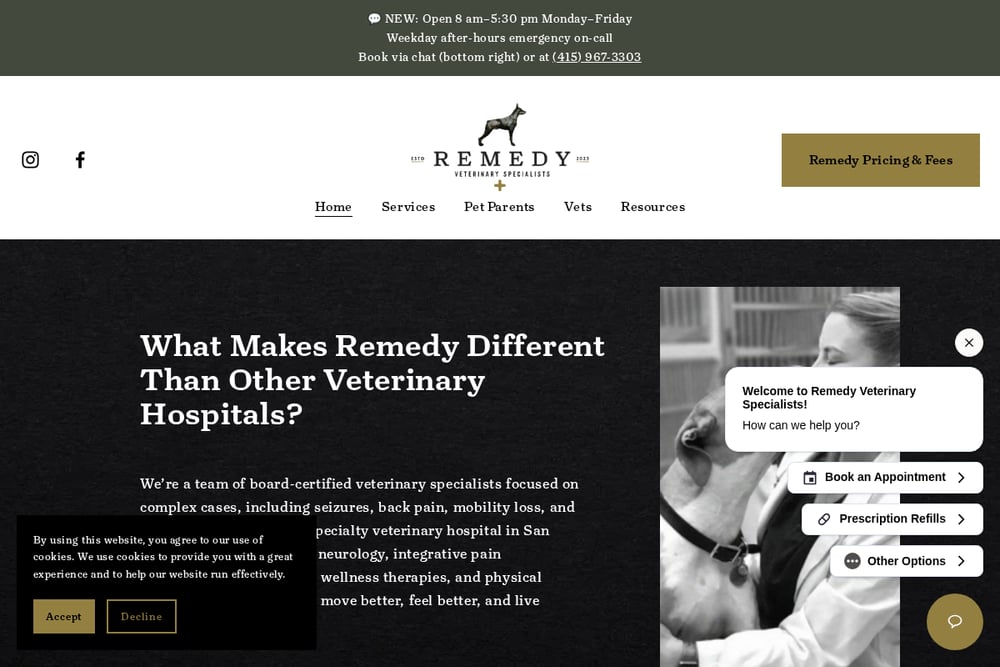 A screenshot of the Remedy Veterinary Specialists website.
Remedy Veterinary Specialists in San Francisco takes an integrative approach to pain management, combining advanced medical care with evidence-based therapies. They focus on restoring mobility and supporting quality of life for dogs and cats, with a team that includes pain management specialists. Their website clearly outlines services like CBD consults and physical rehabilitation, making it easy for you to understand your options. They also provide resources for pet parents, including medication guides and care handouts, which is a big plus. If you're in the Bay Area, this practice stands out for its comprehensive, multi-modal strategy. It's a solid choice for chronic pain and mobility issues that need a specialist's touch.
#2 Home - Good Dog Veterinary Rehab
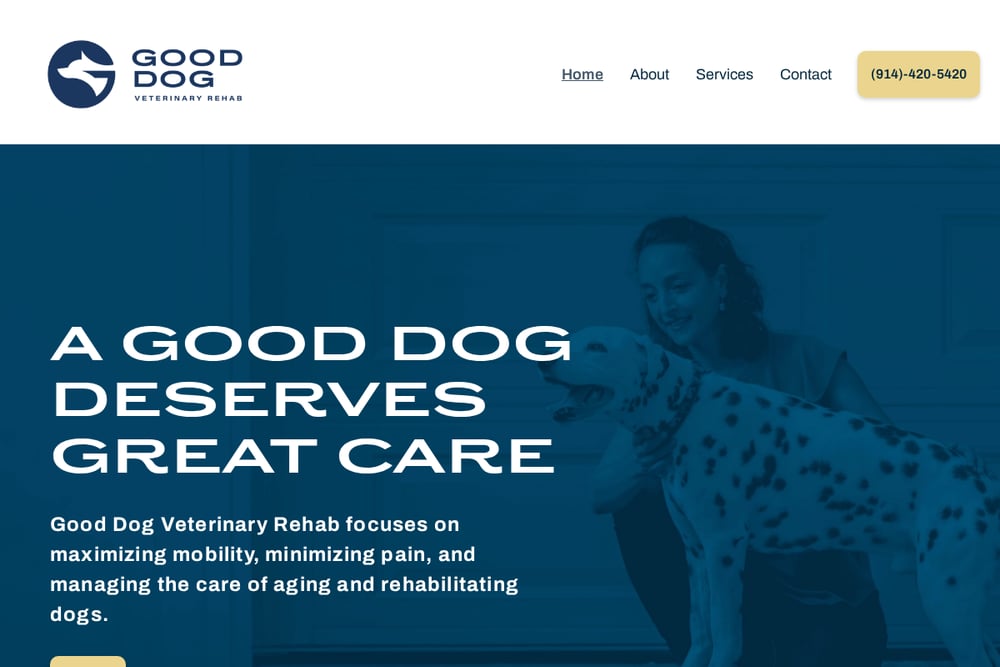 A screenshot of the Home - Good Dog Veterinary Rehab website.
Good Dog Veterinary Rehab, led by Dr. Emily Harrison, brings a mobile, full-service veterinary practice right to your doorstep in Westchester County and Southern Connecticut. They specialize in rehabilitation and pain management for aging dogs, using a blend of advanced techniques and traditional Chinese medicine like acupuncture. Each appointment is a full hour of one-on-one attention, with no waiting rooms or rushed visits. Client testimonials rave about Dr. Harrison's compassionate care and the remarkable improvements in dogs with conditions like degenerative disc disease. If you want personalized, in-home care that prioritizes comfort for both you and your dog, this is a standout option. It's a perfect fit for those who value convenience and a holistic touch.
#3 IPC Chicago
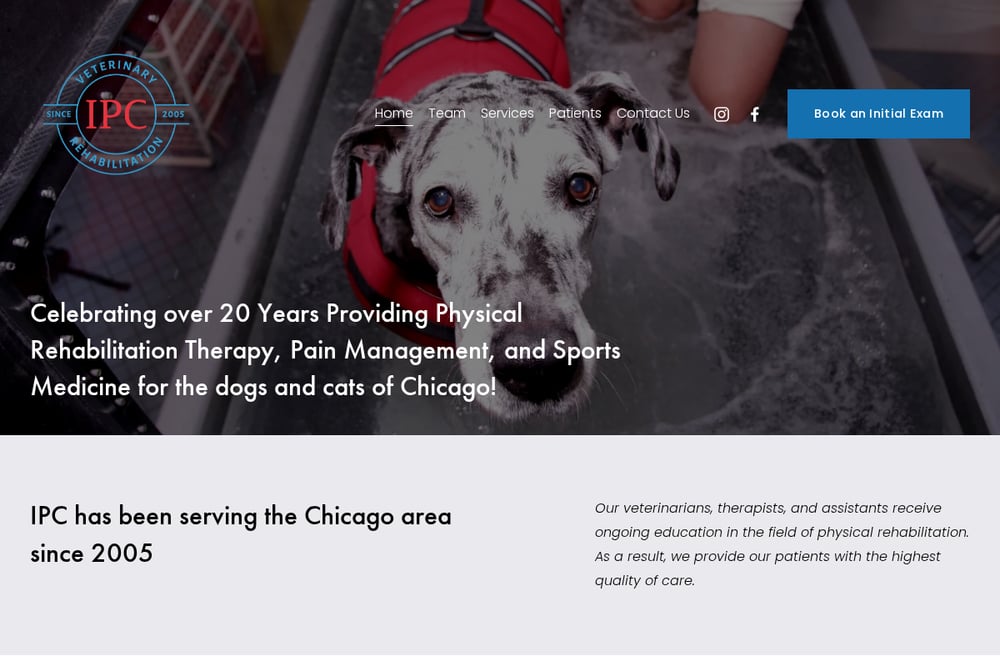 A screenshot of the IPC Chicago website.
IPC Chicago has been a staple in veterinary rehabilitation since 2005, offering a wide range of services including hydrotherapy, acupuncture, and therapeutic exercise. Their team of veterinarians and therapists receive ongoing education, ensuring they stay at the forefront of the field. What sets them apart is their comprehensive initial exam, which spends up to 60 minutes with you and your pet to develop a tailored plan. They also provide at-home exercise demonstrations and product recommendations, so you can continue care between visits. For Chicago-area pet owners, this practice offers a well-rounded, established option. It's particularly strong for dogs needing structured rehab after surgery or injury.
#4 Animal Rehab & Pain Center
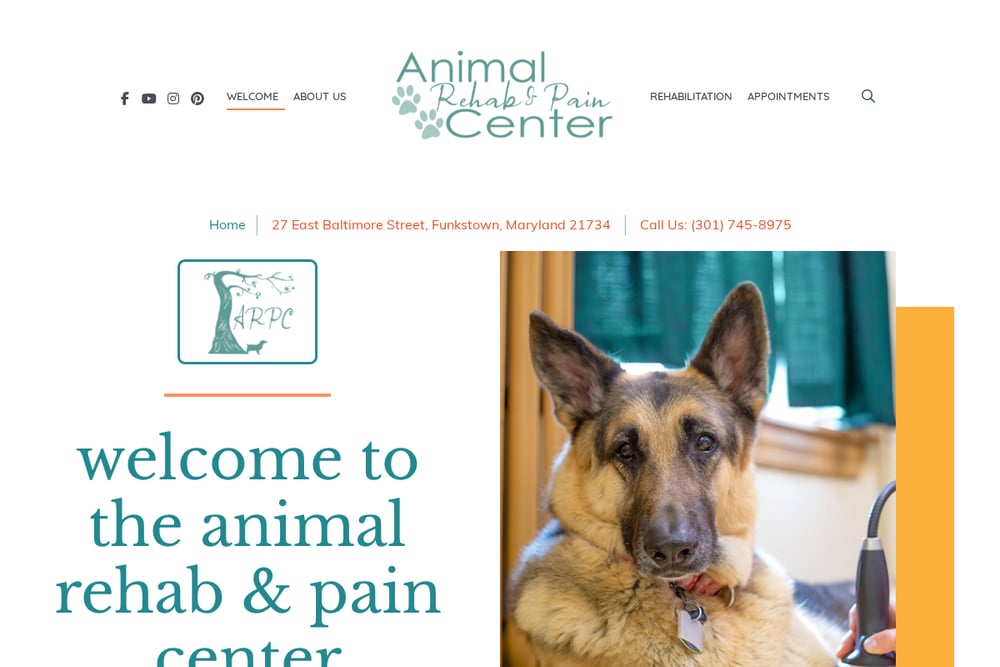 A screenshot of the Animal Rehab & Pain Center website.
Animal Rehab & Pain Center in Funkstown, Maryland, focuses on acupuncture as a core therapy, offering a natural, drug-free approach to pain relief and mobility restoration. Their website details how acupuncture can help with arthritis, neurological disorders, and post-surgical recovery, making it clear for pet owners. They also integrate other rehab techniques like laser therapy and hydrotherapy, so you can build a comprehensive plan. The practice emphasizes a gentle, painless experience for pets, with most sessions requiring no sedation. If you're looking for a practice that puts a premium on holistic, needle-based therapy, this is a great fit. It's especially good for pets that may not tolerate more invasive treatments.
#5 Pet Pain
 A screenshot of the Pet Pain website.
Pet Pain Management Center, found at petpain.org, is dedicated to helping pets live a pain-free life through state-of-the-art rehabilitation. Dr. H. Brown works personally with each pet owner to create a customized treatment plan, focusing on injuries, surgeries, and chronic conditions. Their website includes a helpful guide on recognizing pain in pets, which is invaluable for any owner. They offer a range of exam types, from physical exams to neurologic exams, ensuring a thorough evaluation. While their online presence is a bit more basic, the personalized care and clear focus on pain management make them a solid choice. It's a good option for those who want a dedicated pain specialist.
How to Choose the Right Rehab Practice for Your Dog
Start by considering your dog's specific needs—whether it's post-surgical recovery, chronic pain, or age-related mobility loss. Think about the setting: do you prefer in-home visits like Good Dog Veterinary Rehab offers, or a clinic-based approach like IPC Chicago? Look for practices that offer a range of therapies, so you can combine treatments for the best results. Check if the vet has specialized training in rehabilitation or pain management, as this can make a big difference. Finally, read client testimonials to gauge how the practice treats both pets and their humans. Trust your gut—you want a vet who listens and makes you feel comfortable.
Streamlining Your Search with Automation
To find the right rehab practice, you can use online directories and review sites to filter by location and services. Set up alerts for new reviews or blog posts from these practices to stay updated. Use scheduling tools on their websites to book initial consultations easily. Many practices, like Remedy and IPC, offer online portals for appointments and follow-ups. Automating reminders for your dog's therapy sessions can help you stay consistent. Finally, use social media to follow these practices and learn from their educational content.
The Bottom Line on Canine Rehab
Each of these five practices brings something unique to the table, from mobile convenience to specialized acupuncture. The right choice depends on your dog's condition, your location, and your preferences for care. Whether you opt for the integrative home visits of Good Dog Veterinary Rehab or the comprehensive clinic approach of IPC Chicago, the goal is the same: to help your dog live a more comfortable, active life. Take the time to explore each option, ask questions, and choose a partner who truly cares. Your dog deserves nothing less.