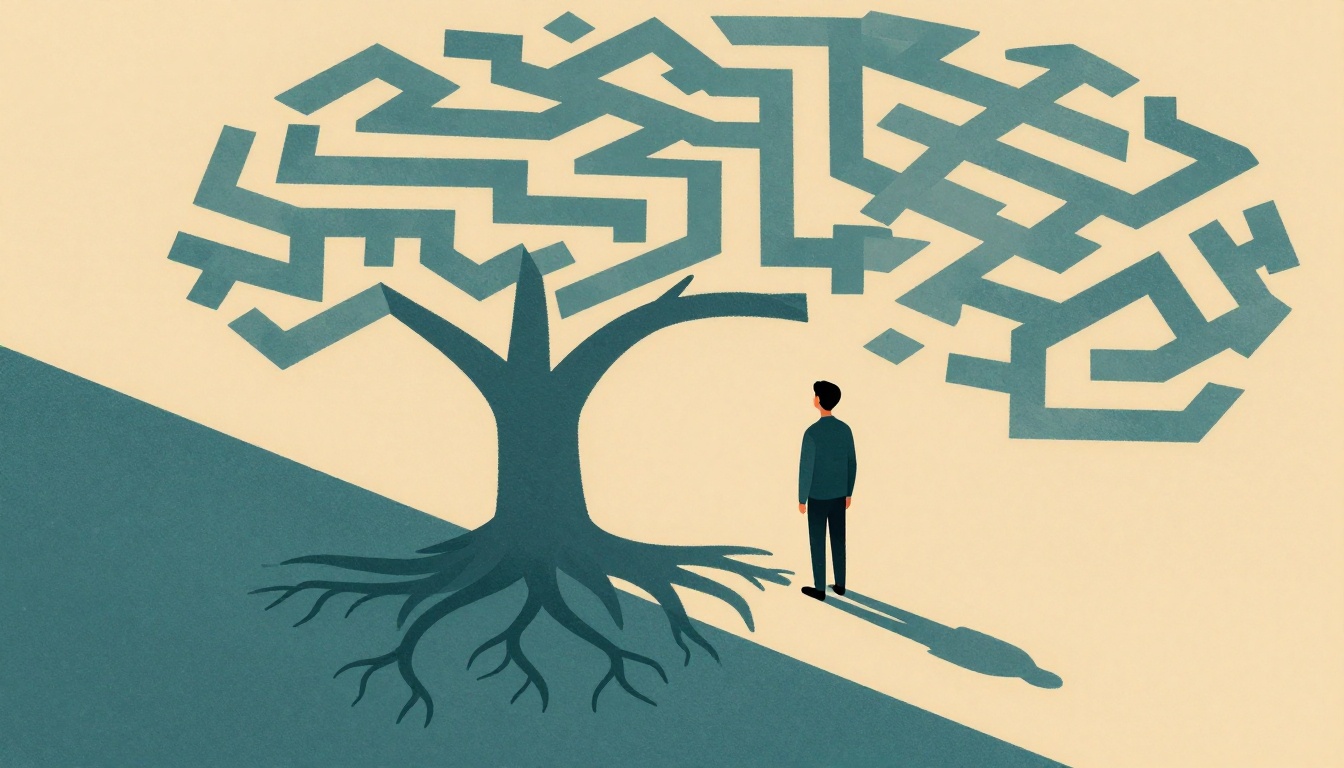
When burnout spreads through a team, the default response in many organizations is to offer a wellness app, a resilience workshop, or a few mental health days. These interventions are not useless, but they are incomplete. According to Miriam Williams, founder of Ordered Soul LLC, the deeper issue is that most organizations "treat burnout primarily as an individual problem to solve rather than a condition to understand."
This framing matters because it shapes where solutions are directed. If burnout is seen as a personal deficiency, the fix is to help individuals cope better. But if burnout is understood as a signal about the work environment, the fix involves redesigning how work happens.
The Individual Trap
Williams points out that the common approach is to focus on "helping people manage stress, build resilience, or recover from exhaustion without asking what is creating that exhaustion in the first place." This is like treating a leaky roof by handing out buckets—it keeps people dry for a while, but the rain keeps coming.
When organizations invest only in individual coping strategies, they inadvertently reinforce the idea that the problem lies with the employee. This can lead to shame and silence, as people fear being seen as weak or unable to handle the job. A 2021 Gallup study found that the top causes of burnout are unfair treatment, unmanageable workload, and lack of manager support—all systemic factors, not personal ones.
What Burnout Is Trying to Tell You
Williams argues that "burnout can tell us something important about the way work is structured, the expectations people are navigating, and the resources available to them." In other words, burnout is not just a symptom of overwork; it is feedback about the organization's design.
For example, if a team consistently misses deadlines, the burnout they feel may be pointing to unrealistic timelines or a lack of clear priorities. If customer-facing staff are exhausted, it might reflect insufficient training or support systems. These are not problems that a meditation app can solve.
A World Health Organization classification of burnout as an occupational phenomenon emphasizes that it results from "chronic workplace stress that has not been successfully managed." The key word is "workplace." The stress is not just in the individual's head; it is embedded in the environment.
Moving from Symptoms to Causes
Williams warns that "if we only address the individual symptoms, we may help someone feel better temporarily without changing the conditions that produced the problem." This is the core challenge for leaders: to shift from a reactive, individual-focused approach to a proactive, systemic one.
Practical steps include:
- Audit workload and expectations. Look at actual hours, task complexity, and whether resources match demands. Use Harvard Business Review's guide on sustainable workload as a starting point.
- Create psychological safety. Encourage employees to speak up about stressors without fear of blame. This requires leaders to listen without immediately jumping to solutions.
- Redesign work processes. Remove unnecessary steps, clarify roles, and ensure that people have the tools they need. Sometimes burnout is caused by friction, not volume.
- Measure the right things. Track not just productivity but also engagement, turnover, and sick days. These are leading indicators of systemic burnout.
A Leadership Mindset Shift
For leaders, the shift is from asking "How can I help this person cope?" to "What is this burnout telling me about our systems?" This requires humility and a willingness to change structures, not just people.
Williams's work at Ordered Soul LLC focuses on this deeper understanding. By treating burnout as a condition to understand, organizations can uncover the root causes and create environments where people can thrive without sacrificing their well-being.
The next time burnout appears, resist the urge to offer a quick fix. Instead, ask what the exhaustion is revealing about the way work is designed. That question might be the most important step toward real change.