Building a Keepsake Book That Grows With Your Family
For parents, the gap between wanting to preserve memories and actually doing it can feel enormous. Phones fill up with thousands of photos and short clips, but turning that raw material into a finished keepsake book often requires time that parents simply do not have. The team behind 4D Ages built their platform around that exact problem. In a written interview, they explained how the service works, what general keepsake-book advice tends to miss, and why families should resist the urge to make every decision at once.
Starting With Memories, Not an Empty Book
The first question asked what happens when a family arrives with a pile of photos and voice notes and no idea where to begin. The team said this scenario is "actually one of the main reasons we created 4D Ages." As parents themselves, they know how quickly a phone fills up and how hard it is to find time to sort through everything and design a book from scratch.
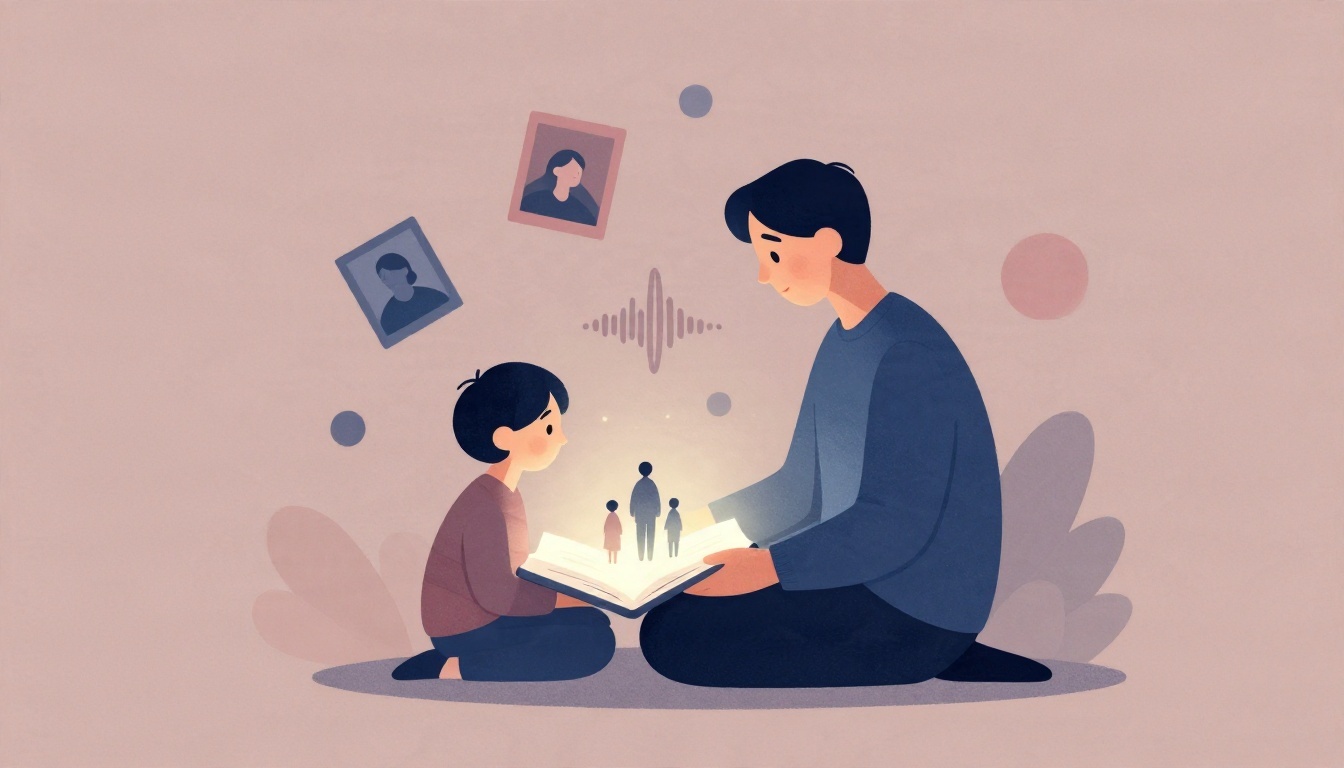
Their answer flips the usual advice. Instead of starting with a blank template and working backward, 4D Ages starts with the memories themselves. "With 4D Ages, you don't start with an empty book. You start with your memories," they said. The process is two steps: first, add photos, videos, voice notes, and stories as they happen or upload a collection at once, with everything organised by date. Then, when ready, choose to create a book. The platform turns those memories into a designed, organised keepsake ready for review and printing.
Parents can choose from more than eight themes, with more on the way, pick a book size, and personalise the result. Some may keep the book as it is; others can change colours, mix themes, move elements around, or add their own touches. The goal, the team said, is to do most of the hard work while still giving families freedom to make the book their own. "After all, we'd much rather parents spend their time making memories than struggling to organise them."
What General Advice Leaves Out
The second question focused on what parents struggle with that typical keepsake-book guidance ignores. The team pointed first to time. "I think the biggest thing people underestimate is just how little spare time parents actually have," they said. Finding twenty quiet minutes can feel like a luxury, and spending that time scrolling through years of photos is not appealing.
Traditional baby books, while lovely, often create another job. Parents must print photos, fill in pages, and keep everything current. Falling behind is easy, and then details from two years ago become hard to recall. 4D Ages is designed to work alongside daily family life, so a parent can save a quick video or note whenever something happens rather than waiting for a large block of time.
The team also stressed that every family is different. Many traditional baby books have a fixed idea of a family tree, which does not fit children with two mums, two dads, step-parents, foster parents, or more complex structures. With 4D Ages, families can build a family tree that reflects the people actually in their child's life. "We don't think anyone should have to squeeze their family into a template that doesn't fit," they said.
Beyond the book, the platform includes everyday tools such as a baby weaning and allergen tracker. Parents can record each new food, including potential allergens, and export a report to share with a doctor or nursery. It is a practical addition for details that are easy to forget when life gets busy.
Why Families Should Not Decide Too Quickly
The third question asked what families tend to decide too quickly when making a keepsake book of a child's first years. The team said parents often feel they must get everything perfect the first time, especially for something meant to last. Traditional books are unforgiving: once a photo is printed and glued, it usually stays. A better picture might turn up later, or a lovely moment might be missing, but there is no easy way back. Space is another constraint. Ten favourite birthday photos might have only two slots.
4D Ages aims to remove that pressure. "With 4D Ages, your book can grow and change with your family," the team said. Pages can be added, photos swapped, layouts changed, or a completely different design tried without starting over.
The team also noted that some favourite memories are not photos at all: a first giggle, wobbly first steps, or the funny way a child used to say a word. That is why the platform supports videos and voice recordings alongside the printed book, with QR codes connecting physical pages to those memories. Privacy is part of the design; access is controlled so that only chosen people can view private videos. "And the nice thing is, you don't need to make every decision today," they said. Families can return, change something, or add another memory later.
For readers exploring keepsake options, the practical takeaway is to look for tools that reduce organisational burden and allow revision. The team's approach suggests that the best keepsake book may be the one that can keep changing as the family does.