In a world where intimacy is often processed through the mind — what we think we should want, how we think we should respond — Hania, founder of Ember Ground by Hania, invites a different approach. Her work as a somatic intimacy coach centers on bringing the body back into the conversation.
"Somatic intimacy coaching is an invitation to bring the body back into the conversation," she explains. "Rather than focusing only on why something is happening, we can become curious about how it is being experienced in the body."
Who Benefits from Somatic Intimacy Coaching?
Hania sees a wide range of people who can benefit from this work. "Anyone who feels disconnected from their bodies, desire, or those who feel like there's something standing in the way between them and pleasure," she says. This includes individuals struggling with low desire, painful sex (in the absence of a medical condition), mismatched desires between partners, difficulty with sensation, or challenges feeling and communicating boundaries.
But you don't need a specific problem to explore somatic intimacy. "Sometimes it is simply about becoming more available to what feels good, true and alive," Hania adds.
Starting with Curiosity, Not Fixing
For someone who feels disconnected from their body, Hania recommends beginning with simple curiosity rather than trying to change anything. "When we feel disconnected from our bodies, it can be tempting to immediately look for a way to fix or improve. But sometimes the first step is simply slowing down enough to notice what is already there."
She suggests pausing and asking: "What am I noticing in my body right now? Not what you think you should be feeling, just what is actually present." Whether it's warmth, tightness, numbness, or very little sensation, there is no right answer. "I believe embodiment begins with developing a relationship with sensation without judgment."
Embodied Practices for Couples
While communication is vital, Hania notes that intimacy isn't created through words alone. "Our bodies are communicating all the time." For couples, embodied practices create an opportunity to slow down and notice what happens physically when they are together.
She describes a simple practice: sitting together, looking into each other's eyes, and taking a few moments to notice each other's presence without immediately talking or trying to solve anything. "The intention isn't to perform an exercise perfectly. It's to become curious together: 'What happens inside me when I am with you?'"
This kind of awareness can create a deeper layer of intimacy, where partners learn to experience and meet each other in the moment, not just communicate about their experience.
Approaching Shame with Compassion
Shame around pleasure and desire is a central theme in Hania's work. "Shame can make pleasure feel like something we need to earn, justify, hide, or be 'good enough' to deserve," she says. "It stands between us and our authentic erotic expression."
Many people have internalized messages about what they should want, how their bodies should look, and what kinds of desire are acceptable. Hania doesn't approach shame as something to push away. "I approach it with curiosity and compassion." She guides clients to notice what happens in the body when shame appears — perhaps a contraction, a desire to hide, or numbness — and gently explore what that part of them needs to feel more safety and freedom.
A Simple Practice to Try at Home
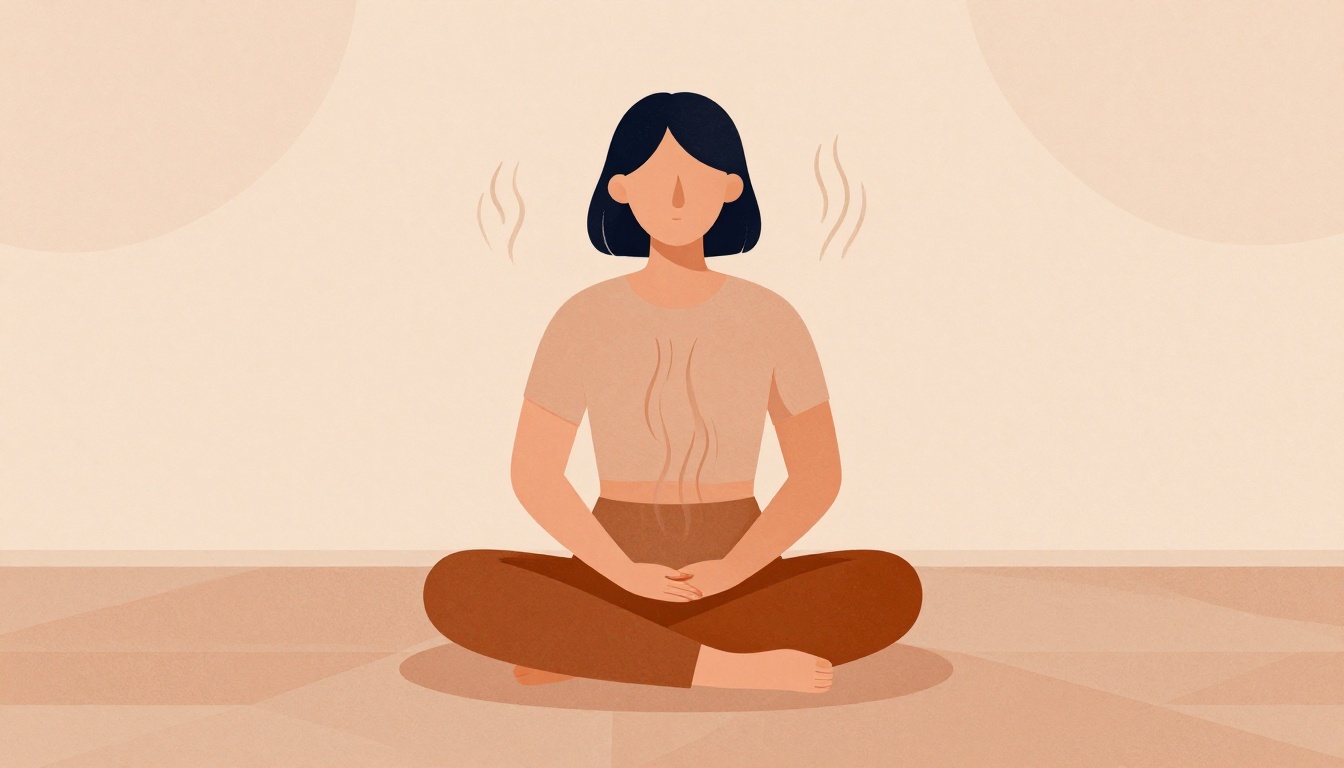
Hania offers a foundational breathing technique for anyone wanting to explore embodied connection on their own. She calls it the three-step embodiment breath:
- Find a comfortable position in a quiet environment, close your eyes, and breathe naturally. Simply notice the air going in and out.
- Bring your awareness to your chest. Feel the subtle movement as you inhale and exhale. Notice expansion and softening without trying to change anything. Stay there for a few minutes.
- Gently bring your awareness down toward your pelvis. As you inhale, imagine the pelvic area gently drawing inward and upward. As you exhale, allow it to soften and release. Continue for a few breaths, noticing the movement between gathering and letting go.
"The pelvis is a significant part of our embodied experience," Hania explains. "It's not only connected to sexuality and pleasure, but is also a place where we experience vitality, desire, creativity and a sense of aliveness."
For those interested in learning more about somatic intimacy coaching, resources like the Somatic Experiencing International website offer background on body-based approaches, and Psychology Today's guide to somatic therapy provides additional context. Hania's work at Ember Ground by Hania continues to offer a space for people to reconnect with their bodies and discover pleasure on their own terms.