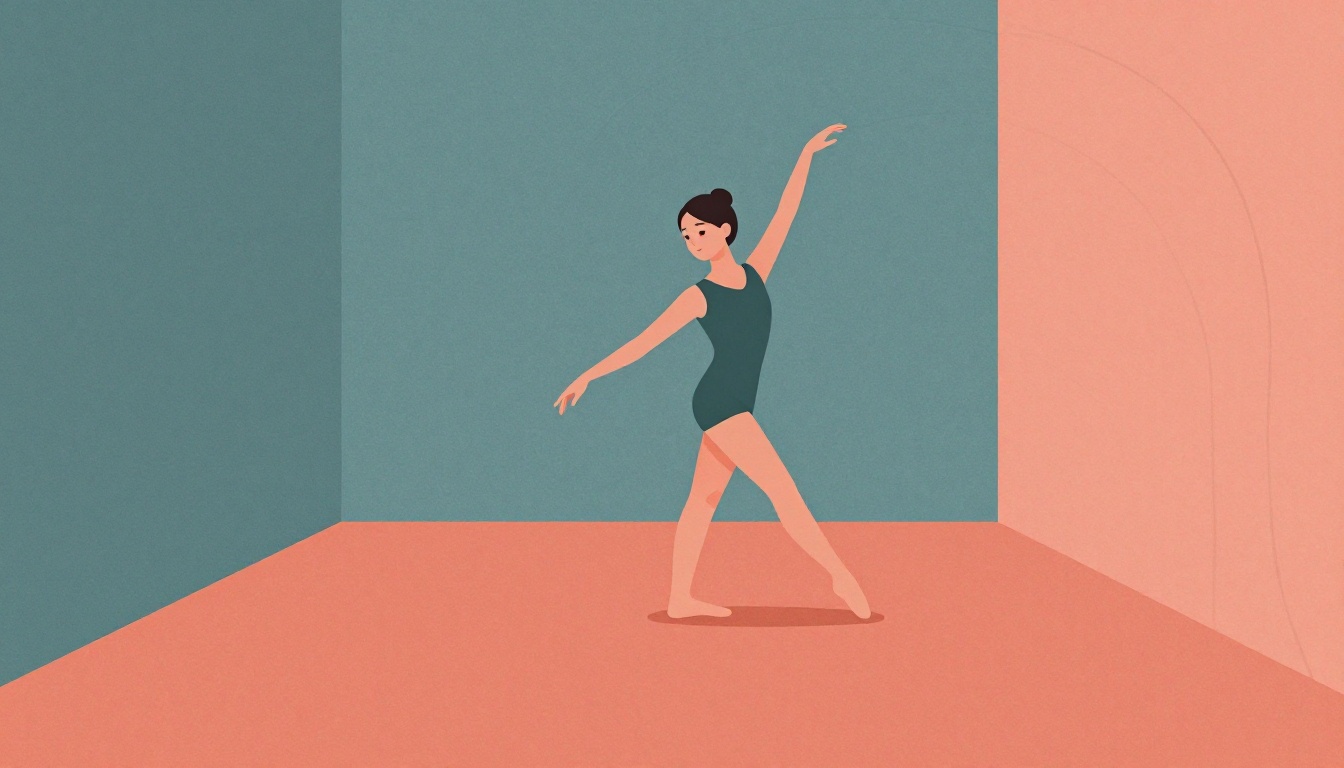
When parents enroll their children in dance classes, they often picture tutus, recitals, and maybe a few adorable moments on stage. But according to Grace Upon Grace Dance Studio, that picture is incomplete. The studio, which focuses on building confidence and community through dance, says the real value of these classes runs much deeper than the annual showcase.
“Some may think dance classes are ‘glorified babysitting’ or think the goal is to ‘look cute on stage’,” shares the studio. “That simply is not the case.”
Instead, dance education is a holistic training ground. It’s where young students develop skills that will serve them far beyond the studio walls—skills like spatial awareness, emotional resilience, and healthy body mechanics.
Physical Foundations That Prevent Injury
One of the most overlooked benefits of dance is the development of spatial awareness. In a dance class, children learn to move their bodies through space while maintaining safe boundaries around others. This isn’t just about avoiding collisions in a crowded studio; it’s about understanding how their bodies relate to the world around them.
This kind of body awareness is a foundational skill that helps prevent bad habits and injuries later in life. Whether a child continues dancing or moves on to other sports, the proprioceptive skills built in dance class—knowing where your body is in space—are invaluable. According to the National Institutes of Health, proprioception is critical for coordinated movement and injury prevention.
Dance also builds strength, flexibility, and balance in a way that is age-appropriate and progressive. Unlike some sports that can lead to overuse injuries, a well-taught dance class emphasizes proper alignment and safe technique from the very beginning.
Confidence Through Consistency
Another misconception is that confidence comes from applause. In reality, the confidence built in dance class comes from consistency. Students learn to show up, try again, and improve over time. They learn to trust their bodies and their abilities, not because they’re told they’re great, but because they’ve practiced and seen their own progress.
This kind of confidence is durable. It’s not dependent on external validation. As the studio notes, dance builds “confidence consistency”—the ability to feel capable and self-assured even when the spotlight isn’t on you.
Emotional Vulnerability and Individual Growth
Perhaps the most surprising benefit is the development of emotional vulnerability. In dance, students are often asked to express emotions through movement. This requires a level of openness and self-awareness that many adults struggle with. For young students, learning to be emotionally vulnerable in a safe, structured environment is a powerful lesson.
It teaches them that it’s okay to be seen, to take risks, and to express feelings without words. This emotional intelligence is a skill that will help them in relationships, school, and eventually the workplace. The American Psychological Association highlights that emotional expression is a key component of mental health and resilience.
More Than Just a Class
So, what do dance classes actually teach? They teach children how to move safely, how to persist, how to connect with their emotions, and how to be part of a community. They are not just preparing for a performance; they are preparing for life.
Grace Upon Grace Dance Studio emphasizes that these benefits are not accidental. They are the result of intentional teaching that prioritizes the whole child. The studio’s approach is a reminder that dance is a serious discipline with profound impacts on mental and physical health.
For parents considering dance for their child, the takeaway is clear: you’re not just signing up for a weekly activity. You’re investing in your child’s development in ways that will pay off for years to come. As the studio puts it, students are “developing both physical and mental foundations that will prevent bad habits and injuries and learn how their bodies move through space while keeping safe boundaries around others.”
To learn more about how dance can build confidence and community, visit Grace Upon Grace Dance Studio.